

A resource for those seeking information on organizing and transforming spaces.
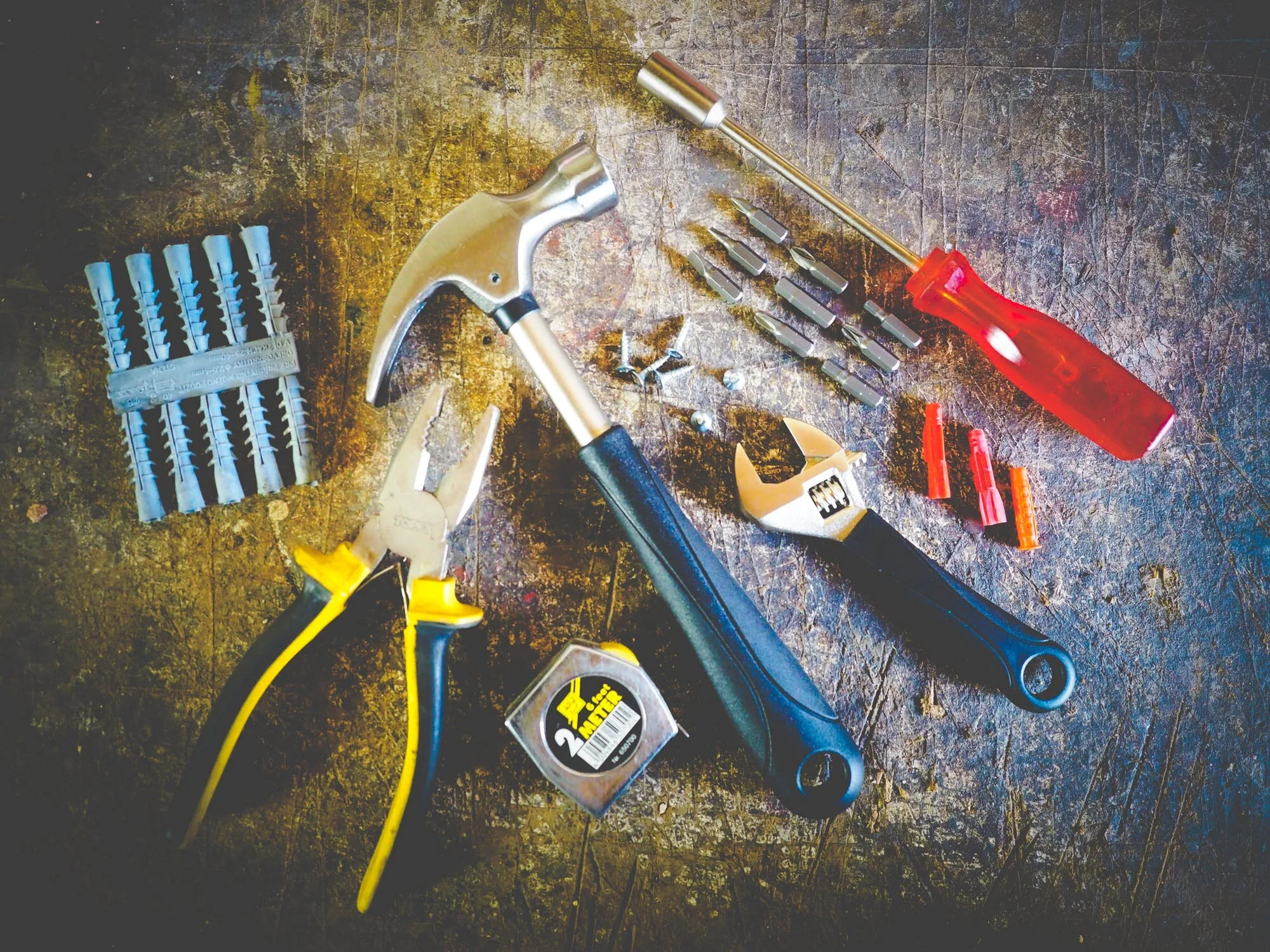
How to Save Money on Home Repairs and Regular Maintenance
Buying a home is one of the best investments one can ever make during his/her lifetime. After you’ve purchased one, you’ll enjoy the control, comfort, and security that comes with owning a home. While buying a home is an expensive investment, you will always carry out routine maintenance to ensure it’s in good working condition. Regular maintenance will give you a peaceful mind as you continue living in your dream home. But how can you save money for home repairs and regular maintenance? The following are a few helpful tips to help maximize your savings.
Buying a home is one of the best investments one can ever make during his/her lifetime. After you’ve purchased one, you’ll enjoy the control, comfort, and security that comes with owning a home. While buying a home is an expensive investment, you will always carry out routine maintenance to ensure it’s in good working condition. Regular maintenance will give you a peaceful mind as you continue living in your dream home. But how can you save money for home repairs and regular maintenance? The following are a few helpful tips to help maximize your savings.
Do The Repairs/Maintenance Yourself
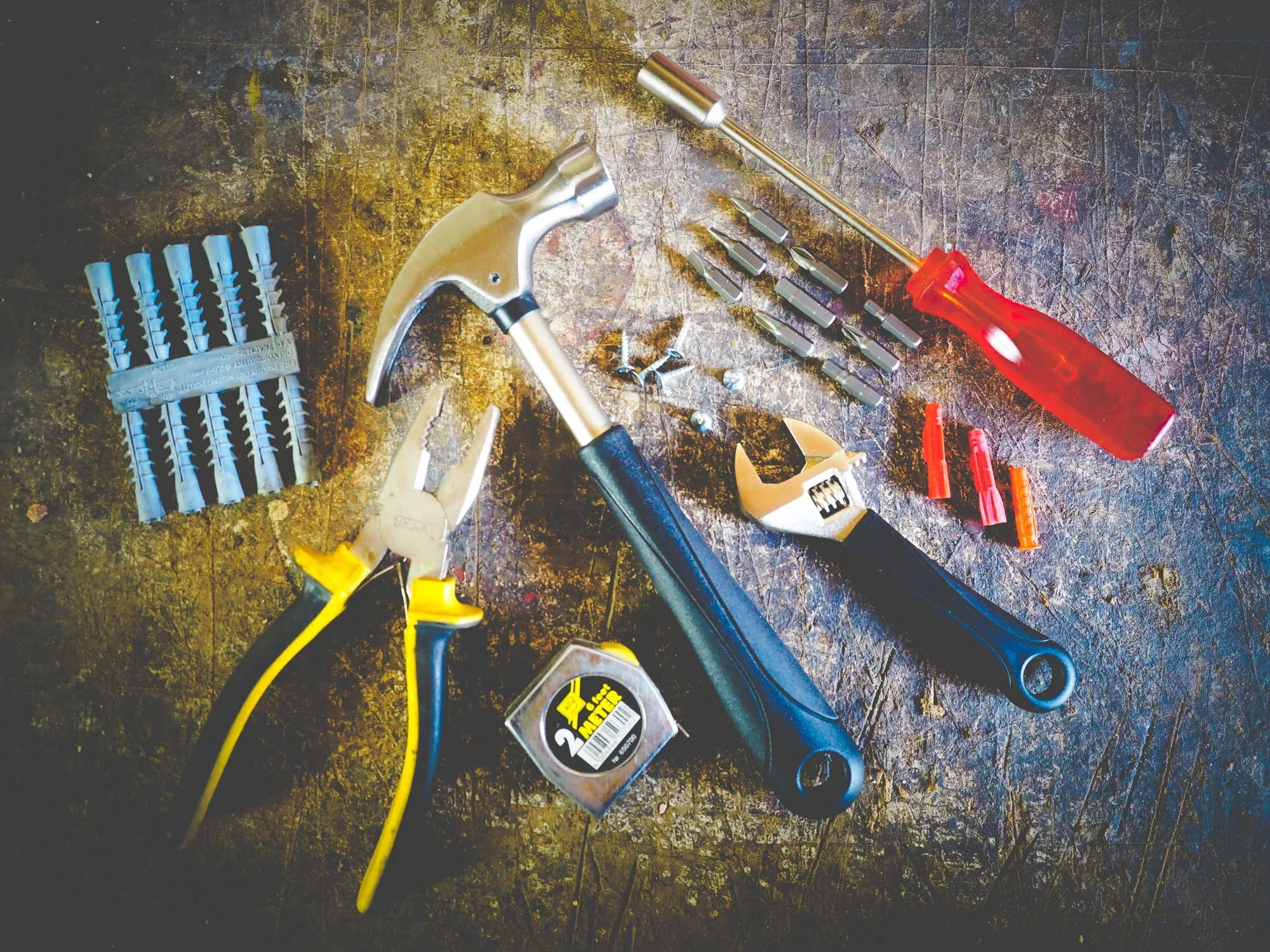
Not every home repair will require outsourcing for a professional fixer. There are some repairs you can comfortably handle by yourself to save on the general maintenance cost. For instance, you can have regular inspections of your gutters and downspouts to ensure they aren’t clogged. Also, if your residential garage door openers are broken, you can always find a perfect replacement match. However, if you notice an issue beyond your repair, you should contact an expert. Remember to prioritize quality when purchasing a replacement. Garage doors are heavy and could cause serious damages if they aren’t handled properly.
Practice Preventive Maintenance
While this doesn’t come as a surprise, prevention is always better than cure. As a homeowner, you are advised to practice basic maintenance practices that cost little. This prevents major problems from manifesting. For example, regular cleaning of roofs and gutter is simple, yet it can protect your roof from getting damaged faster. Also, you can keep your home clean to keep away rodents and critters from damaging your home valuables.
Use Alternative/Clean Sources of Energy
Using alternative sources of energy can significantly reduce the cost of home maintenance. Unlike conventional energy sources, alternative energy is cheap hence saves you utility bills. Additionally, alternative energy sources are clean energies. This means that they won’t produce soot in your roofing or ceiling. This, therefore, saves you the cost of ceiling/roof repair.
Hire Qualified Professionals
Whether you need gutter repairs, roof maintenance, or window repair, then having a qualified expert helps you save money in the long run. Since many homeowners don’t believe this, they often hire cheap and nonqualified fixers to do the job. Unqualified persons are more likely to do shoddy jobs that won’t last long before you need them again. On the other side, qualified professionals will charge you a reasonable price to do the repairs and maintenance with professionality. Plus, they have the right tools and experience to ensure every maintenance is done perfectly for longer service.
It feels good to own a home. However, as a homeowner, it’s your responsibility to ensure your home remains in its tiptop condition. While the cost of maintaining a home can be high, the above-mentioned tips will help you save significantly on home repairs and maintenance.

Fitting your hobby into a small home
Hobbies bring us joy and peace of mind. They provide us with a way to let out our creativity and pursue our passions. However, they also require time and space. And while we usually manage to find time for what matters to us, finding space can be way more difficult, especially if you live in a small home. Some hobbies such as reading or gaming don't require a lot of space. However, creating an art studio can be quite challenging when living small. But, with some determination and flexibility, nothing is impossible. Here are some excellent ideas on fitting your hobby into a small home!

Hobbies bring us joy and peace of mind. They provide us with a way to let out our creativity and pursue our passions. However, they also require time and space. And while we usually manage to find time for what matters to us, finding space can be way more difficult, especially if you live in a small home. Some hobbies such as reading or gaming don't require a lot of space. However, creating an art studio can be quite challenging when living small. But, with some determination and flexibility, nothing is impossible. Here are some excellent ideas on fitting your hobby into a small home!
Assess your needs and possibilities

While some hobbies don't require much space, others demand a bit of planning and consideration.
Although that spacious, dream-like studio has to remain a dream, there are many ways to utilize the space you have. First things first, you should consider what you need the most and the options you have at your disposal. Having a good plan will help you set up everything with ease and stress-free.
For starters, make a detailed list of all the essentials for your hobby. What furniture pieces are necessary - a desk with a large work surface, a chair? Then, make a list of all supplies you need. What materials and tools do you use at all times? How much space will they occupy?
Last but not least, assess the rooms that could function as your hobby space. Depending on what your hobby requires, don't forget to consider these factors:
proper lighting
temperature (heating and cooling systems)
humidity
ventilation.
Once you put everything down on paper, the perfect solution may become obvious. Here are some of the most popular options for fitting your hobby into a small home!
Repurpose a room

With a bit of remodeling, you will have no trouble with fitting your hobby into a small home
If you're lucky enough to have an extra room in your home, that's perfect! A small room that you rarely use can be just what you need. For example, a little dining room you only use for special occasions can be easily repurposed as an ideal hobbyist's space.
Additionally, there are two rooms that people often overlook - the attic and the basement. With a little bit of effort and a few improvements, you can utilize your attic with ease. The same applies to the basement - after you finish it (if you haven't already), it can become your favorite part of the house!
Use the outdoor space
If you live in a house, there is a whole new world of possibilities for you. For example, you can use a garage or a shed you already have. After all, most people use them more often as storage space. Instead, clear the clutter and remodel your garage. That way, you'll create a cozy room where you can pursue your hobby with pleasure.
Create a separate area in your small apartment
On the other hand, if you live in a studio apartment, utilizing the outdoor space is not possible. However, if you're truly determined and passionate about your hobby, you can find a way to carve a cozy nook for it.
The key to creating the perfect space is making it separate and distinct from the rest of the room. What's best, there are many items you can use to divide the available space into clear areas. Here are some of the best ideas:
room dividers and partitions - they come in a variety of designs and materials and will add a stylish flair to your home
colorful throw rugs are perfect for creating distinct yet functional areas
drapes or curtains - if you don't want anyone to see your work in progress before it's finished, light, pretty curtains around your hobby space are the way to go
furniture pieces - rearrange your sofa or bookshelves so that they separate your pastime space from other parts of the room.
Store your supplies and requisites effectively

Once you decide on the right space for your hobby, there's still one question remaining. What to do with all the supplies, tools, and other equipment? Depending on your hobby, all of these can take up a lot of space. Not to mention, you need some room to work in!
Luckily, there are several things you can do. First, you can choose a cabinet or use a closet in your home and keep all your supplies there. However, one size doesn't fit all, and some people don't like this solution. Out of sight, out of mind - some hobbyists prefer their supplies to be close at hand.
Be creative with storage solutions
So, if your hobby requires a lot of setting up or you just love to see everything in one place, it's time to consider storage options. Of course, what will work best for you depends on the type, size, and amount of supplies you need. Here are some ideas:
multipurpose furniture - a desk with a lot of drawers or a chair with built-in storage are a great way to make the most of your furniture pieces
vertical racks and hooks won't take up floor space
additional shelving might be just what you need
bins, baskets, and various containers can be perfect for sorting your supplies
If you have difficulties fitting your hobby into a small home, move to a larger one!
Unfortunately, if nothing from above is an option for you, it might be the right time to relocate to a larger home. Pursuing hobbies has an important role in our life. Not only does it bring us joy and pleasure, but studies also show it's beneficial to our mental health and well-being. So, if your home feels too limited and cramped, moving to a larger home can be an all-around excellent idea.
For example, while living in NYC has many advantages, it also takes its toll on the quality of life. Especially if you live in Brooklyn, the constant hustle and bustle can be very stressful and overwhelming. So, it might be the right time to hire long-distance movers to help you leave Brooklyn for some quiet town where you can relax and enjoy everything life has to offer. Including your hobbies, of course.
Final thoughts
So, as you may see, even living small is not an obstacle to following your heart and passions. It's true that fitting your hobby into a small home can be pretty challenging. However, with a bit of effort and imagination, you can carve a perfect space for it. Having a dedicated space where you can spend hours enjoying your hobby will give you a new level of motivation and inspiration!
Meta description: Living small has many advantages as well as some challenges. Here are some excellent ideas for fitting your hobby into a small home!

6 Questions to Ask When Rebuilding Your Attic
If you’re looking for extra space in your house for yourself or even for guests, your attic might be the perfect place to build one. You can transform your dusty old attic into a leisure room, office, or even an extra bedroom. Completing your attic can increase the value of your home as it can add more space and utility. However, without proper planning and adherence to local building codes, it can result in a reduction in the value of your home.
It is better to convert an unlivable space to something you can live in than building an addition to your home because it can cost you more. But before calling your local contractor for the renovation project, check your attic first if rebuilding can be possible. Here are some questions you can follow.
We partnered with a home improvement company. for this post. The opinions in the post are honest. All reviews and opinions expressed in this post are based on our personal views. We are excited because we know you will love it.

If you’re looking for extra space in your house for yourself or even for guests, your attic might be the perfect place to build one. You can transform your dusty old attic into a leisure room, office, or even an extra bedroom. Completing your attic can increase the value of your home as it can add more space and utility. However, without proper planning and adherence to local building codes, it can result in a reduction in the value of your home.
It is better to convert an unlivable space to something you can live in than building an addition to your home because it can cost you more. But before calling your local contractor for the renovation project, check your attic first if rebuilding can be possible. Here are some questions you can follow.
1. Do You Have Rafters?
To determine if your attic is convertible, check if your attic has rafters or trusses. Rafters are large internal beams that produce a triangular structure with the floor at the bottom and the roof peak at the top. The inner part of the triangle provides an opening that a professional can easily remodel. Although similar to rafters, trusses are a network of W-shaped boards that support the roof.
If your attic does not have a central opening, then it has to be created. A DIYer should never do this part of the job because the trusses are load-bearing, and doing it on your own might destroy the quality of your roof. A structural engineer will determine how to support the weight while altering the trusses, often using a truss simulator to model load distribution and ensure the design remains safe and efficient. In all honesty, converting an attic with trusses may not be practical due to the costs involved.
2. Is There a Staircase?
You might want one built if you don’t have a staircase leading to your attic with the ceiling and attic access doors and panels. Building codes will not authorize a permanent living area without a staircase. Stairs aren’t challenging to make, but they can take up a large amount of space. Straight stairs can take up to 10 to 14 flat feet of floor space, while spiral stairs can take about 5 feet. Think thoroughly about where you might want the stairs and what you can do to work around the area. Here are the code requirements in building a staircase;
It must have a minimum of 6 feet 8 inches of headroom.
The Stairs should be at least 36 inches wide.
Treads must be 10 inches deep.
Risers should be seven ¼ inches high.
3. Is there Enough Headspace?
Your attic must have enough headspace for you to be able to achieve your desired living area. Building codes may vary based on your location, but most require at least a 7-foot clearance. You’ll have to raise the roof if you don’t have enough space, which will add to your construction cost. Furthermore, the living space area must measure at least 70-square feet with a minimum of 7 feet in width.
4. Is the Floor Sturdy?
You should check if your floor is strong enough to accommodate people. The contractors probably built your attic for dead loads such as boxes and trunks that don’t move. Most building codes will require you a load capacity of 30 pounds per square foot. You can contact your local structural engineer or any other professional for assistance.
5. How is the lighting?
Typically, attics don’t have the sufficient lighting you need, and some building codes may require a certain amount of illumination. If your attic does not meet your needs, you can contact your dormer. They will be responsible for raising the roof height of your attic to attain more natural lighting and headroom and provide a secondary exit for safety. You can check your local building codes for more information.
6. Can You Heat It?
The temperature may differ in every room of your house, especially in your attic, so you might want to install additional insulation to keep the space warm. In addition, you might like to extend electrical lines, plumbing, and HVAC systems. Check your building codes for the required optimum temperature. Usually, the heating system must be capable of keeping the attic temperature at least 68 degrees. If you need any reinforcement on this matter, consult a professional.
Everybody wants a particular room to maximize their privacy and provide a space for guests or leisure. Before you invest in renovating your attic, make sure you conduct a thorough check-up on the necessary building codes and the quality and stability of your attic. With this, you are securing your safety and as well as the state of your home. Be sure to hire a professional when dealing with this project to avoid unwanted accidents and mishaps.
Guest Post - How to Get Started With Your Landscaping Project
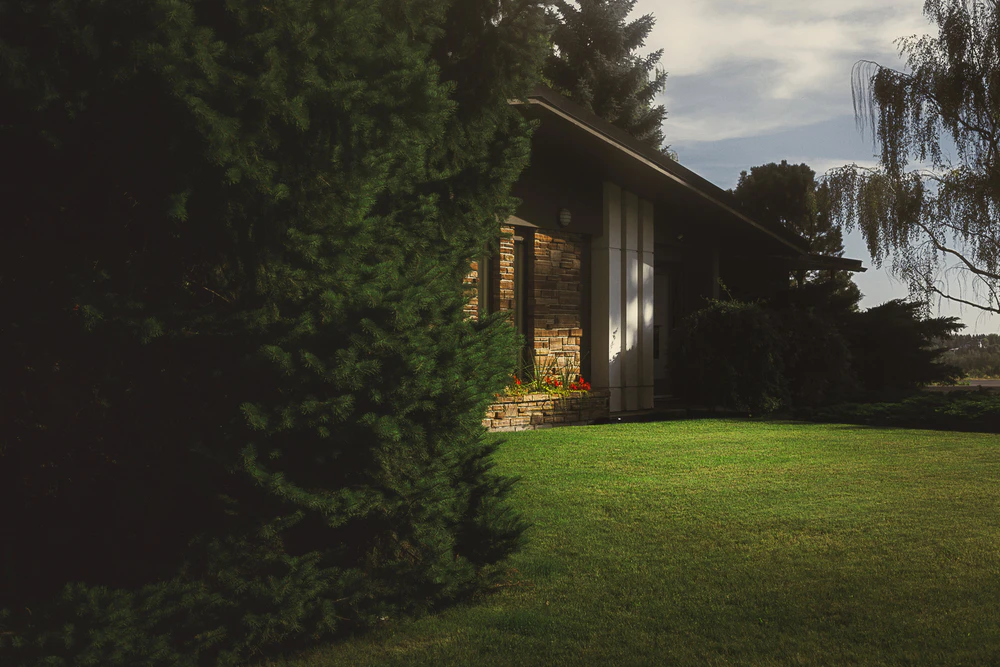
Landscaping is one of the most important aspects of your home. The exterior is the first thing people see, whether it’s your family, friends, strangers or prospective homebuyers in your neighborhood. You want to create a good first impression and boost curb appeal to create more value.
When tackling a landscaping project, it’s beneficial to create a list of to-do items long before putting the first shovel in the ground. Landscaping projects take time, effort and financial resources, depending on the extent of the project. If you’ve been wondering how to manage your new goal, you’ve come to the right place.
From making plans to digging the dirt, here’s how to get started with your landscaping project.
Landscaping is one of the most important aspects of your home. The exterior is the first thing people see, whether it’s your family, friends, strangers or prospective homebuyers in your neighborhood. You want to create a good first impression and boost curb appeal to create more value.

When tackling a landscaping project, it’s beneficial to create a list of to-do items long before putting the first shovel in the ground. Landscaping projects take time, effort and financial resources, depending on the extent of the project. If you’ve been wondering how to manage your new goal, you’ve come to the right place.
From making plans to digging the dirt, here’s how to get started with your landscaping project.
1. Set Your Landscaping Goals
The first step in getting started is to set your goals. Without them, it’s challenging to create a step-by-step process of how you’re going to accomplish things. Do you want to improve curb appeal or functionality? Is an aspect of your yard unsafe and needs to be addressed?
Think of the big picture when setting a goal at this stage. You don’t need to plan every detail — that’s for later. Your primary objectives may include sustainability, erosion control, privacy, themes, a particular atmosphere you want to set, whether you want more plants or hardscape areas, and any entertainment elements to add.
2. Evaluate Your Site
Next, you should conduct a thorough evaluation of your site. Your landscaping design should complement your home. Consider your yard space and ensure it’s large enough to accommodate all the activities or features you want to add. Other site considerations include maintenance requirements, seasonality, zoning and permits, and the time of year you plan on starting.
This site analysis allows you to see what you have to work with. Take photos of the property and note things that are already there, like trees and structures. Measure the dimensions and get the layout of the topography. After a rainfall, see how water stays in your yard. Consider any hazards, where the sun hits, how hard the wind blows, your region’s planting zone, soil type, piping below the ground and even if there are pests.
3. Create a Budget
Perhaps one of the most important stages of getting started with your landscaping project is creating a budget. Without one, you can easily spend more money than you intended. In the previous step, you’ve taken an inventory of things you already have on-site. You can salvage bricks and cement blocks from hardscaping or plants hidden beneath brush and omit them from your budget.
If you need additional help in this area, you can always hire a professional or source a friend who has gone through a landscaping renovation. They can help you establish a plan and consider not-so-obvious costs, like run-off drainage systems. Be upfront with yourself and a landscape professional about costs. Landscaping is valuable to a home, so you might want to budget about 10% of your home’s value. Also, consider the return on investment for this project.
4. Make a Plan
Now you can make a more solidified plan for your landscaping project. This is where you’ll create rough sketches of your intended design, the spacing of objects, traffic flow and more. The first few drafts of your ideal landscape probably won’t look the best, but you can add details and reevaluate them so you don’t miss anything. Additionally, consider if you need to demolish structures or level land at this stage.
Using pen and paper or a computerized model, create a grid to help you scale items in your landscaping and make a more detailed version of your previous sketches. If you make multiple grids with your fixed features, you can play around with the layout of other items, like shrubs, patios, an outdoor kitchen or maybe the pool you want to add. Once you settle on a design, draw the final plan.
5. Choose Your Materials
Once you’ve designed your ideal landscaping layout, you can choose the materials to complete your look. Consider things like plants, hardscaping, water features, irrigation systems and lighting when choosing your additions. You’ll likely add plants, so make sure to select ones that thrive in your climate. A good rule of thumb is to plant native species, which require little maintenance, add biodiversity and conserve water.
Other features are up to your preferences. Your hardscapes might include brick, cobblestone or cement slabs. Perhaps you choose an ornate water feature to tie in elements of your backyard. You can use lights to accent features, illuminate pathways or provide security. Consider solar-powered installations to enhance sustainability and energy efficiency. The materials should be all about your design and the look you’re aiming for with your home.
6. Assemble a Team
Finally, you can assemble a team of people that will help you complete your landscaping project. Whether you enlist the help of family and friends or hire a contractor and other experts is up to you and your budget. If you decide to hire landscape contractors or designers, ensure they have industry experience and certifications so you know they’ll be professional and get the job done.
Set your expectations for the team. You should have clear goals for them and a detailed outline of what you want them to accomplish. However, keep in mind that land shifts over time and that once they’re gone, you’re in charge of maintaining your property.
Get to Work
Now you can get started with the grunt work of your landscaping project. Soon, your yard will be looking brand new and will fit your functionality and aesthetic.
Author bio: Rose Morrison is the managing editor of Renovated, where she offers advice on home renovation, maintenance, and organization.nd slow-paced lifestyle now, because your little ones will be back in school before you know it!

