

A resource for those seeking information on organizing and transforming spaces.

Living Simple and Savvy: Downsizing Unlocks Financial Advantages
The trend toward living smaller and simpler has drawn as much notoriety for its novelty as for its utility. There’s a certain humor to the idea of full-grown adults living in homes that look like converted dollhouses. While the “tiny house” movement may represent an extreme manifestation of a much broader movement, there’s no doubt that downsizing offers many benefits, both financially and in terms of lifestyle. Those who are willing to make the transition benefit from conserving energy, saving money and more leisure time that would normally be spent on cleaning and upkeep.

The trend toward living smaller and simpler has drawn as much notoriety for its novelty as for its utility. There’s a certain humor to the idea of full-grown adults living in homes that look like converted dollhouses. While the “tiny house” movement may represent an extreme manifestation of a much broader movement, there’s no doubt that downsizing offers many benefits, both financially and in terms of lifestyle. Those who are willing to make the transition benefit from conserving energy, saving money and more leisure time that would normally be spent on cleaning and upkeep.
Back to basics
Downsizing and moving to a smaller space will discourage you from wasting money on things you don’t need. After all, there’s no point in buying expensive furniture or artwork if there’s no room for it. If you decide to downsize by moving to an apartment, keep in mind that one-bedroom apartments in and nearby Stamford rent for an average of $2160/month while two-bedrooms are an average of $2843. If apartment living isn’t for you, you can also look at buying a small home in the area.
A simpler lifestyle also means less waste and more savings, money you can use to travel, pay down your debt, or contribute to your favorite charitable causes. And it’s a good way to “go green” and show your support for the environment through a more sustainable lifestyle.
Less to clean
With a much smaller space to clean and declutter, there’s less to feel burdened by and get stressed over. Your friends and family will enjoy seeing more of you, and you can look forward to starting a new hobby or activity and spending more time exercising. Getting more exercise means your blood pressure will be lower, your cortisol levels will be reduced, and you’ll have a much easier time losing weight.
Light landscaping
If you’ve ever lived in a home with a large yard, you can probably remember how much you dreaded wheeling out the lawn mower and spending three sweaty hours cutting the grass. Then there was all the mulching, edging, trimming and pruning that goes with landscaping a big lot. Downsizing can free you from all that. You’ll actually have time to watch the ball games you used to skip because you had to rake acres of leaves before it rained.
Low-impact decorating
A smaller space makes decorating easier and less expensive than when you lived in that five-bedroom house. If home decor is your thing, you’ll enjoy a tighter, more coordinated look in a home with less space to fill. It’s more coherent than trying to tie together all those rooms and that floor space.
Cozy, not cluttered
A less spread-out floor plan means your family will enjoy a more organized mode of living and storage. If you’re a warrior against clutter, you’ll enjoy not having to venture into those hall closets that everyone tends to use as a storage purgatory for objects they don’t want to throw away but don’t know what to do with. Digitize your old photos and papers, CDs and more to preserve space. There’s also the joy of knowing where everything is and not having to ask anyone within earshot if they’ve seen your cell phone charger or your hair dryer.
When it comes to the causes of clutter, furniture is often to blame. Certainly you want to get rid of pieces that are no longer useful or pleasing, but what if you have something you truly want to keep but think it has become too soiled or worn to hold onto? Consider hiring a professional furniture cleaner to brighten up items you truly cherish. Be sure to use someone with good references and/or plenty of positive online reviews, as a poorly cleaned chair or sofa will not bring the joy you seek in a comfortable, intimate home.
Family reunion
A smaller home increases the chances that your family may spend more time together. If you’re downsizing the number of TVs in your home, everyone will have to gather in the den or living room and agree on what to watch (as unlikely as that may seem). If you’ve given up on eating dinner together, this may be your best chance to encourage true family togetherness.
If large homes and expensive belongings haven’t shown you the route to happiness, downsizing may help you find a lifestyle that suits you better. It’s an opportunity to live smarter, save money, and free up more time for the things you really want to do. You may be surprised at how easy it is to make the transition.
A smaller home means you need to be well organized. Get help from House 2 Home Organizing getting your home in tip-top shape by calling 203-571-9412 today!

Tips for Staying Clean and Organized With a Busy Schedule
If you’re constantly on the go, it can be hard to keep your home clean and organized. Without time to do laundry or tidy up, your house can easily fall into disarray. If you find yourself living in chaos with a messy home, follow these four tips for staying clean and organized when you have a busy schedule:

If you’re constantly on the go, it can be hard to keep your home clean and organized. Without time to do laundry or tidy up, your house can easily fall into disarray. If you find yourself living in chaos with a messy home, follow these four tips for staying clean and organized when you have a busy schedule:
Set Aside the Time
Proper time management is crucial when you have a busy schedule. The less time you have, the more important it is to prioritize tasks. To stay organized, block out specific times of day for different decluttering activities and stick to them, even if it’s just 15 minutes.
This doesn’t mean you’ll need to deep clean everything in one sitting. Just make sure you save time for each task and don’t let things slip through the cracks by letting multiple chores pile up as the week goes on.
Avoid Multitasking
Multitasking is one of those myths that everyone seems to believe but doesn’t benefit most people. Make an attempt to single-task your cleaning. While it’s a good idea to play music or a podcast in the bathroom, setting aside a few hours to only focus on cleaning will pay off and make you happier with your work in the end.
Hire a Professional
If you need help with routine house cleaning, hire a professional organizer or cleaning service. The cost will vary depending on your location and how much work needs to be done, but organizing pros come in handy if your house has fallen into dysfunction. Whether you hire a live-in housekeeper or have someone come by once or twice a week, you’ll soon see just how effective having a helping hand can be.
Stock Up on the Right Tools
The first step to staying organized is having the right products and equipment. In addition to stocking up on cleaning products, it’s important to have organizing tools as well. With a quick visit to your local home goods store, you’ll be able to find countless products designed to help you stay on top of your cleaning and organization. From vacuums and mops to storage containers and push-pins, these items will help you win the war against clutter.
If you’re like many people, you may find that your life gets incredibly busy from time to time. Follow these four tips to help you stay clean and organized so that your home can be the haven it’s meant to be as you focus on the rest of your responsibilities.
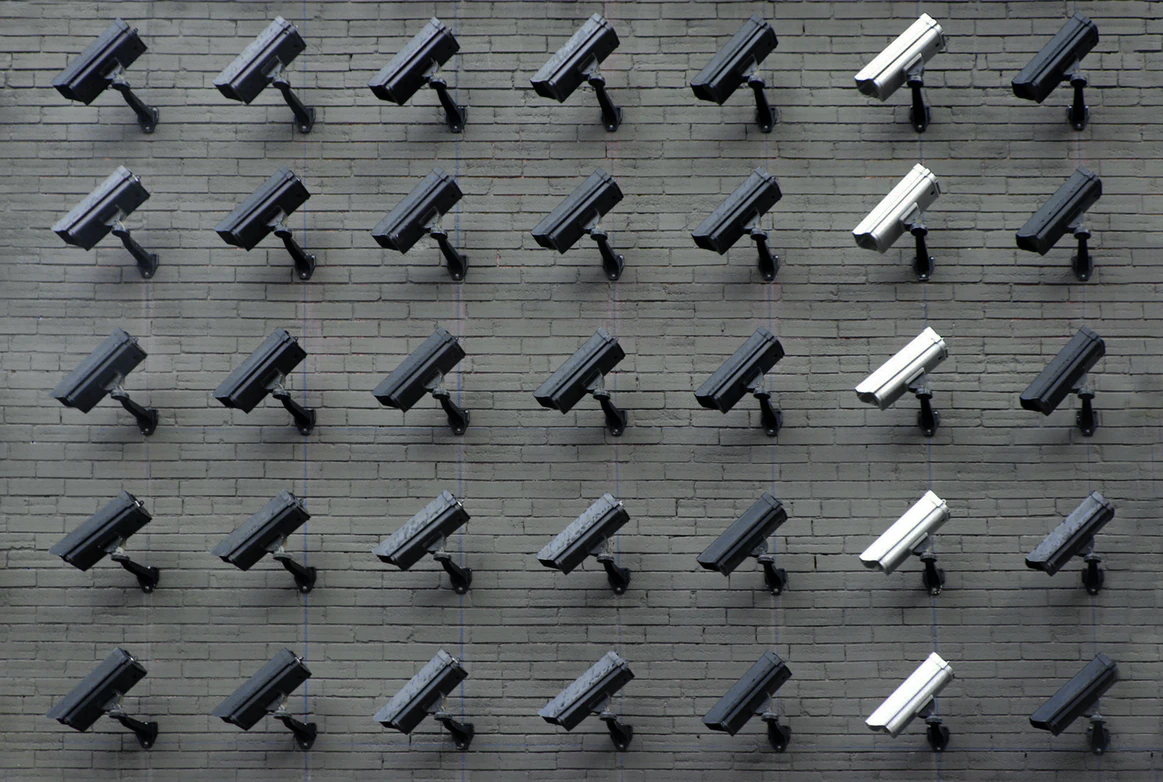
6 Things to Consider Before Investing in Smart Home Security
Here are six things to consider before investing in smart home security.

Smart home security is an investment in your home, your family, and your safety. These devices equip you for surveillance at the touch of a button. Despite their recent advancements, as part of the larger smart home movement, there are factors that could dictate whether the technology is compatible with your home and security needs.
Here are six things to consider before investing in smart home security.
1. Compatible Mobile Devices
The entire point of smart products is to make them easy to use and connected to the mini-computer in your pocket. So if a device doesn’t work with your phone, that technology isn’t very useful.
Fortunately, most smart home security manufacturers are designing software that works with popular smartphone operating systems, such as iOS and Android. Take a look at the specs for the product you’re considering and find out which mobile devices are compatible with it.
Still, just because there’s an app available doesn’t mean it works well, and it’s hard to tell until after you buy the product. Combat this by reading reviews for how security tech works on your mobile device.
2. How Many Devices You’ll Need
To choose how many devices are necessary to secure your house, you’ll need to look at it from all possible angles. Any unlocked window or door could be a vulnerable spot where a burglar could get inside your home. Home surveillance isn’t just for preventing burglaries, either. It can be used to mitigate other risks as well. Use your cameras to monitor your children and pets, keep an eye on house sitters, or even detect internal threats like house fires or flooding.
The size of your house, the number of windows and entrances, and the purposes of your surveillance can help determine how many devices you’ll need and where to place them.
3. Adequate Internet Connection and Speed
The superpower of smart home devices is their ability to be remote-controlled by a mobile device. Their kryptonite, on the other hand, is their reliance on your home’s internet connection.
Rural homeowners may find it difficult to keep smart security cameras working properly if their locale isn’t serviced with an adequate internet service. Meanwhile, power outages that knock out your Wi-Fi connection can impact everyone’s smart devices.
Run an Internet speed test and compare the results to what your desired smart home device requires. Be sure to also investigate if there are any backup measures in case of internet or power outages.
4. Self-monitoring vs. Professional Monitoring
The convenience of self-monitoring is a major perk for smart home security devices. Through mobile apps, you can receive alerts when motion is detected or notifications if you’ve left your house unlocked. You’re the master of monitoring with home security, which can either be a positive or a negative, depending on how independent and involved you want to be.
Professional monitoring companies, such as ADT and Vivint, are starting to offer smart home security as well. So if you’re looking for some guidance or technological support, there are options. Just be aware that this can come with added expenses and less flexibility, as companies tend to work with their preferred devices and installation protocols.
5. Features
Consider what you want your smart home camera to be able to do. Your surveillance goals may determine which features are non-negotiable and which ones are superfluous. Some key features to look out for include:
Night vision
Weatherproof
Recording capabilities
Facial recognition
Two-way communication
HD video
Understanding your purpose for surveillance can help you purchase the tech that closely aligns with your goals and meets your needs.
6. Personal and Public Privacy
When it comes to smart home security, privacy is an important part of the conversation. There are laws pertaining to security cameras that are important to know so your surveillance measures remain compliant. Ironically, you’ll also need to take security measures that protect your security system, too. Losing your mobile device, for instance, would eliminate the efficacy of your system.
Smart devices can also impact your personal privacy when manufacturers use your personal information for ad marketing and retargeting. Additionally, hackers are the greatest threat to smart home security devices, since they can use them as a bridge to the network where you access your email and bank accounts. Implementing cyber security best practices, such as using multi-factor authentication and secure passwords, can keep you guarded against information theft.
Prioritize Your Peace of Mind
Research is your friend when it comes to smart home security, and we hope these considerations get you started. With the right device, you can implement a system that works for your needs. Don’t settle for less. Prioritize your peace of mind and keep your home, your family, and your lifestyle safe.

How to Organize Your Home for a New Baby
Are you about to welcome a new baby to this world? Congratulations! You are in for an adventure of a lifetime! However, before the baby arrives, there is so much to do, which can cause a lot of stress and anxiety. We want your pregnancy to be the most serene and joyful period of your life, so we've prepared tips to organize your home for a new baby and make things much easier for you. On the other hand, if any soon-to-be-dad is reading this, use our advice to surprise your partner and prepare your home for the arrival of your little miracle.

Are you about to welcome a new baby to this world? Congratulations! You are in for an adventure of a lifetime! However, before the baby arrives, there is so much to do, which can cause a lot of stress and anxiety. We want your pregnancy to be the most serene and joyful period of your life, so we've prepared tips to organize your home for a new baby and make things much easier for you. On the other hand, if any soon-to-be-dad is reading this, use our advice to surprise your partner and prepare your home for the arrival of your little miracle.
First - clean and declutter

Before you start adding and rearranging things around your home, don't skip on two crucial preparation steps - cleaning and decluttering. That will make the process of organizing your home for your baby much simpler and easier.
When it comes to cleaning, you already know how important it is, especially when you're welcoming a newborn. Therefore, find ways to clean your home effectively and make sure that every corner is spotless. Alternatively, you can always hire professional cleaners to do deep cleaning and fully disinfect your home.
Decluttering is another crucial step that many people leave for the very last minute. However, it's important to be on top of things and start as early as possible. With your newborn coming, you'll need more storage space, and therefore, you should get rid of your excess things. To get your in-house storage space in order, make sure to make a plan and figure out how much extra storage you'll need for your baby. Afterward, sort your things and make sure to be firm and only keep things you genuinely need. Decluttering is also a great way to earn some extra money you can invest in buying baby things. For example, you can sell things that are in good condition, but you no longer want to use.
Organize your home for a new baby room by room
Now that you've cleaned your home and created extra storage space for many baby things you'll need, we'll show you ways to organize your home room by room.
Nursery preparation
The most important room for your baby will naturally be the nursery. You want to create a safe, comfortable, serene, and functional nursery where your baby will be spending most of your time. Here are simple nursery organization hacks:
Create a breastfeeding nook - Every two hours or so, you'll be breastfeeding or bottle-feeding your baby. Therefore, make sure to create a comfortable space where both your and your baby can enjoy and feel serene.
Make a diapering station - As you'll be spending a lot of your time changing diapers, make sure you're prepared and set up a changing station. Choose a changing table you like the most and make sure to stock up on essentials such as diapers, wipes, rash cream, ointment, and similar.
Organize the nursery closet - Standard storage options are not a very good solution when it comes to keeping your baby's things. Therefore, you'll need to get creative and use organizers, baskets, shelves, and rods. If you add labels and dividers, you'll make everything a whole lot easier to manage.
Get baby essentials - It goes without saying that you need to invest in a good crib and more importantly, a high-quality crib mattress and sheets.
Organizing your primary bedroom

As you're probably aware, in the first several months, your baby will spend sleeping in your bedroom. Therefore, make sure to organize it in a way that makes it easier for you and your baby.
The first thing to do is set up a bassinet close to your bed. That way, whenever your baby wakes up, you'll be able to react quickly and provide comfort. Also, make sure to add a humidifier and a white noise sound machine (it's a lifesaver!). Don't forget to add night light as you don't want to hurt yourself by bumping into things in the dark.
As you don't want to be taking your baby from one room to another just to change the diaper, make sure to have a diapering kit in your master bedroom. You don't need the whole changing station but simply a changing mat, diapers, wipes, and ointment. Also, always make sure to have spare clothes.
Rearrange your living room
Your living room will now be turned into a family room where you will spend time together and welcome guests. Depending on your home size, it could be very convenient to set up a small changing station and have everything on hand whenever you need it.
An even better idea is to invest in a pack n play. They are a great option as you can use them to put your baby to nap and as a changing place at the same time. For example, you can wash dishes or finish other chores while your baby naps in the living room.
Make sure to designate and organize a kid's play area. For example, you can put a baby gym there or a baby swing. As your baby gets older, you can change the setting and add different toys but always make sure that the area is safe and childproof.
Preparing your kitchen and bathroom

Depending on if you are going to bottle feed or breastfeed, you might create more storage space in your kitchen. If you're opting for the first, make sure to prepare all essentials such as bottles, cleaning brushes, breast pump or formula, and bottle warmer.
Also, as you won't have much time to cook, a good idea is to plan ahead and either cook meals and freeze them or buy them at your grocery store. You'll be surprised how much they'll make your life easier, and you'll be so happy you had everything prepared.
When it comes to your bathroom, you need to be sure that both mom and baby have all the necessary supplies. All moms go through a six-week postpartum period and need specific supplies. Make sure to get them all and have them waiting for you when you return from the hospital.
As for your baby, make sure to get all the necessary bath supplies. You'll need a tub, of course, baby shampoo, lotion, hooded towels, washcloths, and similar.
Welcome home, baby!
The time before your baby arrives will fly by, and you'll soon be holding your little bundle of joy. Therefore, now that you know ways to organize your home for a new baby, you can start creating a safe and serene place for them. Good luck, and we wish you many happy and loving moments with your newest and most important family member!
Meta description: In order to make everything perfect for the arrival of your little miracle, we've prepared simple ways to organize your home for a new baby.

