

A resource for those seeking information on organizing and transforming spaces.

Make Way: How To Prep Your Closet for Fall
It’s fall, and you know what that means—it’s time to make room in your closet for fall fashion! Here’s how to prep your closet for this chilly season.
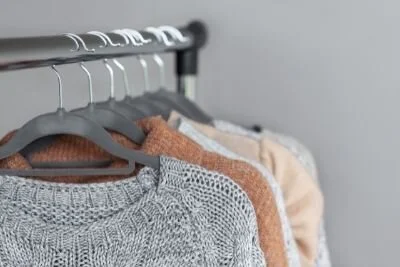
Fall is the season of aesthetic color-changing leaves, scrumptious pumpkin spice lattes, and, most importantly, fashion! Now that this fan-favorite season has arrived, you’re probably thinking about your closet.
As the weather gets chiller, you’ll need to swap out your summer shorts and tank tops for autumn jeans and cardigans. But before you tear apart your closet, check out these top tips on how to prep your closet for fall and make way for cozy fall fashions seamlessly.
Clean and Organize Your Closet
To start, you’ll want to clean out your closet and organize your summer clothes. Remove all articles of clothing from your wardrobe (including shoes and accessories) and sort them into piles. Have one pile for items you want to keep, another for items you want to sell or donate, and another for items that you want to keep but that require professional cleaning or tailoring before you can wear them.
Next, grab the cleaning supplies and clean up your closet. Use a duster or a damp rag to wipe down any surfaces and a vacuum or mop (depending on whether you have carpet or hard surface floors) to tidy the floors.
Summer Stuff: Store or Keep?
The next step in prepping your closet for fall in is sifting throFall is the season of aesthetic color-changing leaves, scrumptious pumpkin spice lattes, and, most importantly, fashion! Now that this fan-favorite season has arrived, you’re probably thinking about your closet.
As the weather gets chiller, you’ll need to swap out your summer shorts and tank tops for autumn jeans and cardigans. But before you tear apart your closet, check out these top tips on how to prep your closet for fall and make way for cozy fall fashions seamlessly.
Clean and Organize Your Closet
To start, you’ll want to clean out your closet and organize your summer clothes. Remove all articles of clothing from your wardrobe (including shoes and accessories) and sort them into piles. Have one pile for items you want to keep, another for items you want to sell or donate, and another for items that you want to keep but that require professional cleaning or tailoring before you can wear them.
Next, grab the cleaning supplies and clean up your closet. Use a duster or a damp rag to wipe down any surfaces and a vacuum or mop (depending on whether you have carpet or hard surface floors) to tidy the floors.
Summer Stuff: Store or Keep?
The next step in prepping your closet for fall in is sifting through your keep pile. These are items you know you want to keep, but where are you going to store them?
Shorts, tank tops, and sandals aren’t warm enough for the winter, but fall tends to have milder weather and temperatures, which means you can transition a lot of your summer clothes to fall. You can wear shorts with tights or leggings underneath, and you can easily toss a cardigan over a tank or short-sleeved shirt.
Like before, sort your items into piles. Make one pile for items you won’t wear in fall and another for ones you will. Place the former pile into boxes and store them somewhere safe, and re-integrate the latter pile back into your wardrobe.
Break Out the Jeans and Jackets
Before you start cramming your fall and winter clothes into your closet, give them some time to breathe.
They’ve been crammed into a container for months and probably smell like cardboard or plastic—not the most fragrant scent! Depending on how airtight the container you stored them in is, they may even be covered in dust or have families of creepy crawlies living inside the sleeves. Gross!
Let them air out for a day (24-48 hours), and then toss them in the wash before you fill your closet with them.ugh your keep pile. These are items you know you want to keep, but where are you going to store them?
Shorts, tank tops, and sandals aren’t warm enough for the winter, but fall tends to have milder weather and temperatures, which means you can transition a lot of your summer clothes to fall. You can wear shorts with tights or leggings underneath, and you can easily toss a cardigan over a tank or short-sleeved shirt.
Like before, sort your items into piles. Make one pile for items you won’t wear in fall and another for ones you will. Place the former pile into boxes and store them somewhere safe, and re-integrate the latter pile back into your wardrobe.
Break Out the Jeans and Jackets
Before you start cramming your fall and winter clothes into your closet, give them some time to breathe.
They’ve been crammed into a container for months and probably smell like cardboard or plastic—not the most fragrant scent! Depending on how airtight the container you stored them in is, they may even be covered in dust or have families of creepy crawlies living inside the sleeves. Gross!
Let them air out for a day (24-48 hours), and then toss them in the wash before you fill your closet with them.

Signs Your Garage Door Opener Needs Replacing
Here are some signs that your garage door opener already needs replacing.

Commercially-available garage doors these days look absolutely gorgeous. Once they’re in place, your home’s curb appeal and market value will no doubt increase.
Throw in a dependable garage door opener, and you’ll have an exceptionally-functioning garage door that will last you for a long time.
However, considering that your garage door opener is a motorized device, it could present problems over time and make operating your garage door a bit more difficult than usual.
Sometimes, all you need to fix such issues is garage door opener repair.
However, there will come a time when the problems are bad enough to make you start considering replacing your garage door opener.
Here are some signs that your garage door opener already needs replacing.
It Produces Strange Noises
Most modern garage door openers operate silently.
When the one opening and closing your garage door is squeaking, rattling, or grinding once you turn it on, there is definitely a problem with it.
A garage door opener making unusual noises is not something you can ignore, especially if it happens constantly and is already becoming an annoyance to you and your neighbors.
Call a garage door technician to pinpoint the problem and fix it. However, if the noise continues even after repair, it’s probably time to look for a replacement garage door opener.
It Takes Forever To Open or Close The Garage Door
Your garage door opener has speed settings that you can adjust yourself according to your preferences.
However, if your garage door is opening and closing at a much slower speed than the slowest setting, your garage door opener may already be worn out and having trouble lifting your garage door.
A garage door opener that is having a hard time lifting the garage door can be dangerous, as the weight of the door could easily cause it to detach and result in an accident.
It’s time to retire your garage door opener if lifting your garage door takes it forever.
It Seems To Have A Mind of Its Own
Slow-moving garage door openers are one thing, but garage door openers that open and close garage doors on their own or are simply unresponsive are an entirely different story.
Check if your garage door opener remote has fresh batteries. If it does and the opener is still not responding, it might already have wiring or logic board problems. A garage door technician can check and try to fix it, but replacing the whole unit with a new one would be more convenient.
Vibrations Are Getting Stronger
Being a motorized device, it’s normal for a garage door opener to vibrate a little when in operation.
However, when the vibrations become too strong it makes the garage door itself shudder or threatens to shake loose from where you mounted it, you need to have it checked or replaced before it breaks free and falls to the ground, or worse, on your parked car.
Garage Door Opens Then Reverses Suddenly
If you experience opening your garage door only to find that it is reversing direction on its own, there may be something wrong with its safety sensors typically installed at both sides of the bottom of your garage door.
Cleaning these safety sensors and making sure they line up correctly can address the issue. However, if it doesn’t stop the reversing problem, your garage door opener’s sensors may already be busted and need to be replaced.
Your Garage Door Opener Is Showing Its Age
If you have are still using the same garage door opener for a decade or more, then you have purchased a reliable device, and that you have been very good at maintaining it
However, if your garage door opener is already breaking down more frequently than usual, it’s already an indication of its age. While you can still try to have a garage door technician repair it, replacing a garage door opener that has been in service for ten years is often the wiser and more convenient choice.
You should never ignore garage door opener problems because they could only get worse. If you encounter the signs mentioned above to your homes and real estate , always prepare for the possibility that your garage door opener has reached the end of its run and that it’s time for a new one.

Immediate Updates to Make to Your Backyard if You Want to Host a Fall Party
A fall party is a great way to mark the end of summer, a time to relax among the colors of autumn before the hectic holiday schedule begins. Your yard may need a bit of care to provide the right setting for your party. Here are a few ways to update your backyard, so you can host a memorable fall occasion.

A fall party is a great way to mark the end of summer, a time to relax among the colors of autumn before the hectic holiday schedule begins. Your yard may need a bit of care to provide the right setting for your party. Here are a few ways to update your backyard, so you can host a memorable fall occasion.
Tidy Your Landscaping
Take a close look at the landscaping in your backyard to see where improvements can be made to create a cleaner, more attractive setting for your party. Replenish the old mulch in beddings. Give the grass a good cutting and remove excessive leaves. Look for broken limbs on trees or dead limbs that could create a hazard for guests. Trim back shrubbery to provide a neat appearance. Adding new ornamental trees or potted plants can provide a fresh look for your yard party.
Repair Your Deck
If you have a wood deck, you should look for signs of wear or hazards to footing. Make repairs to stabilize floorboards and railings. Summer winds and rain may have collected dirt on the surface. Give the deck and thorough cleaning. You may want to apply a new coating of stain to make the surface brighter and more attractive.
Replace Worn Outdoor Furniture and Add New Items
Outdoor furniture can take a beating from blazing heat and summer rains. Take a good look at your furniture to see if it is worn, broken, or unusable. A new outdoor furniture set will make your outdoor party more attractive and welcoming. You may need additional seating for your guests. Today, homeowners have a broad range of materials and colors to choose from in outdoor seating.
Set Up Areas Into Zones
You can then separate your yard into separate “zones” where activities are done. For instance, you can have an area covered with a canopy awning for food serving. Eating and conversation areas should be set in groups of two and three. A play area can be set aside for children. If the weather is chilly, you may even want a firepit to help warm up your guests. Make sure grass is cut and patio areas are thoroughly cleaned before starting a fire.
Fall can be the perfect time for outdoor entertaining, with hearty foods, fun decorations, and chatting about summer vacations or upcoming holiday plans. If you make your outdoor preparations carefully, your yard will make an attractive and comfortable background for your guests to enjoy.

Can You Spray for Pests on Your Own?
Pests are a fact of life. These small, and sometimes large, creatures can be a nuisance and spread diseases. A local pest control service can help to eliminate these problems for a fee, but you can also tackle the job yourself with the right equipment and chemicals. There are a few important tips to keep in mind when doing your own pest control.

Pests are a fact of life. These small, and sometimes large, creatures can be a nuisance and spread diseases. A local pest control service can help to eliminate these problems for a fee, but you can also tackle the job yourself with the right equipment and chemicals. There are a few important tips to keep in mind when doing your own pest control.
Learning About the World of Bugs
Identifying the type of pest you have to eliminate is not just an exercise in science. It’s a critical method for determining the right pesticide to use and where to apply it. Ants, roaches, flying bugs, and other pests have different behaviors and may cause problems at certain times of the year. When you have identified the pest, you can then develop your strategy for applying pesticides and eliminating the opportunities to nest in your home. Online Pest Control CEU Classes can be a useful tool for identifying common household pests. In addition, online classes can help you make the right decisions when it comes to safety as well.
Understanding How Bugs Invade Structures
Some pests will follow moisture paths into the home. Others will look for warmth and a food source, so you will have to carefully remove papers, inspect your home for plumbing leaks, as well as fill in voids around windows and doors. Check the areas where electrical wires and pipes enter the structure to find gaps that allow pests to enter. You should also remove any piles of debris in yards, basements, or other storage areas. All food should be well sealed, and trash should be taken out on a frequent basis.
Safety Concerns When Handling Pesticides
Professional pest control technicians use high-quality products that last longer than those sold in stores. These use chemicals that kill pests faster and generally need much smaller amounts to be effective. However, there are a number of safety concerns when using these products. Pesticides may come in the form of sprays, oils, dust, or solid baits. You should learn the safest ways to handle these products, using appropriate goggles, gloves, masks, and other equipment to avoid contact with the product that could pose a health problem.
Yes, you can spray for pests on your own, but it requires some time and study to understand the types and behaviors of these pests, as well as learning how to safely use the equipment and materials needed to eliminate them. However, once you have mastered these skills, you will be able to manage the ongoing task of pest control successfully.

