

A resource for those seeking information on organizing and transforming spaces.

Guest Post - Best Practices for Keeping your At-Home Devices Safe from Cyberthreats
Nowadays, it would be difficult to imagine any modern home without a high-speed internet connection and a plethora of connected smart devices that range from computers to televisions. These devices make life easier for many people, but it is important to remember that they also make it easier for cybercriminals to gain access to your files and devices. The question that this poses is: What can be done to keep at-home devices safe while still enjoying the advantages that they offer? Read on to discover how you can stay safe in a connected world.

Nowadays, it would be difficult to imagine any modern home without a high-speed internet connection and a plethora of connected smart devices that range from computers to televisions. These devices make life easier for many people, but it is important to remember that they also make it easier for cybercriminals to gain access to your files and devices. The question that this poses is: What can be done to keep at-home devices safe while still enjoying the advantages that they offer? Read on to discover how you can stay safe in a connected world.
More Devices, More Possible Intrusion Points –
It is important to remember that any device that connects to an unsecured network can serve as an entry point for malicious software and because of this all devices should be secured against cyber threats. Devices like computers, smartphones, and tablets can all be secured by installing antivirus software or applications but the best way to secure other devices is by making sure that your router is configured properly to prevent unauthorized access.
Always Observe Safe Browsing Behavior –

Following simple safe browsing rules such as not opening email attachments from unknown sources or downloading files from sketchy websites can save you from inadvertently infecting your home network with malware. Viruses are often disguised as communication from reliable sources such as banks to dupe people into installing the virus or malware. One way to spot a fake file is to check the file extension, for example, an account statement would usually have the extension .pdf and not .zip or .exe.
Install and Use Antivirus Software –
Make sure that you have an antivirus application installed on all devices that can accept one. There are plenty of options to choose from when it comes to antivirus applications but all of them are dependent on regular updates and scans to function correctly. Make sure that you set up the software to perform automated scans and that real-time protection features are enabled so that threats are detected immediately. In addition to this, you might want to consider using advanced firewall software which adds another layer of protection.
Change Default Passwords Immediately –
Most routers ship with a default username and password. This username and password must be changed to unique values immediately. In most cases, the default usernames and passwords for routers are available on the internet which means that accessing a router with default credentials is child’s play for most cybercriminals. Changing this information is simple and doesn’t require any advanced technical knowledge but it can save you a lot of trouble further down the line.
Increase the Security of your Wi-Fi Network –

Most newer routers offer several security options. Make sure that you select WEP or WEP2 instead of WPA as this setting offers better protection against intrusion. This setting can usually be changed in the router or wireless access point. Along with this, enable the guest network feature, if your router supports this function. By doing this, the router will create a separate network for guests to use when they need to access the internet from your home. The separation of your devices from that of guests adds an additional layer of security to your home network and avoids the need to share your network password with others.
Scan USB Devices –
Portable data storage devices like external hard drives and USB flash drives offer the perfect transportation method for infected files. You can avoid introducing a virus to your network by scanning USB devices before opening any files. This is especially important in the case of devices that might have been used on unsecured networks. It is also important to remember to securely destroy any data that is no longer needed because the data could be accessed if the USB device gets lost or stolen. Data destruction is a great way to make sure that any information that is no longer needed cannot be stolen, which increases safety greatly.
Check Your Network Frequently –
You can use specialized applications and tools to scan your network for any vulnerabilities such as open ports or weak passwords. By doing this, you can quickly identify any problems and rectify them before they can be used for nefarious purposes. Hackers are not all that different from thieves in that they would rather pick an easy target than a difficult one, ensuring that there are no obvious problems with your network makes you a less attractive target.
Take the Time to Configure Software Properly –
Software such as firewalls are often pre-configured to allow certain communications and disallow others. However, most software can be customized to allow only the communication that you need. For instance, if you are not participating in any online games, there is no reason for the ports that games use to communicate to be open.
Conclusion
As our lives become more and more digital, the number of smart devices in our homes will increase and it is now more important than ever to be vigilant. Following these simple steps can go a long way towards securing your home network and keeping your private information private.
Author Bio: This article was written by Eloise Tobler of Wisetek. Wisetek are global leaders in IT Asset Disposition, Data Destruction, & IT Reuse.
Top 8 One-Day DIY Home Projects To Start Today
If there is one thing to know about home renovations and upgrades, it’s that they can take time; sometimes, your patience can get the best of you during DIYs.
What a time it is for home upgrades! With the change in season and temperatures slowly dropping, late summer and early fall proves once again that it is the perfect time to renovate your dwelling. But of course, some projects last longer than others, and you might have the patience of a hare. It would be fantastic if you could snap your fingers and have all your DIY fantasies come true, but that’s not always realistic. While reading this article won't get the job done instantaneously, these eight one-day DIY home projects come pretty close!
Upgrading Your Kitchen Faucet
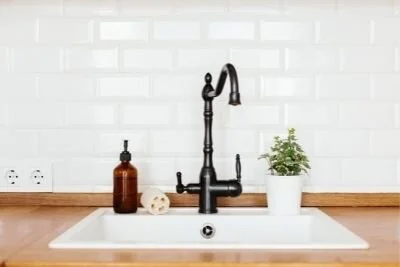
While this task can be a bit costly, the replacement process when upgrading your kitchen faucet is relatively swift. It can update the look of your sink for a more modernized feel.
Painting Your Kitchen Cabinets
Outdated cabinets can bring down the vibe in your kitchen and stick out like a sore thumb, especially if you’re trying to achieve a modern theme. Painting your cabinetry with a solid color can change the overall appearance and take a full afternoon, at most.
Fixing a Broken Screen Door
A broken screen is never something you want to look at when entering your home. With a few supplies and 20 minutes, you can revamp a worn screen to bring in the fresh autumn breeze.
Painting a Room
Applying a few layers of paint to a room is a sure-fire way to give a room a facelift! From using one solid color around the room to having a statement wall, paint always makes a difference.
Painting Your Front Door
Every front door needs a bit of sprucing up now and then. Make your front entrance a beauty and give it a new breath of life with a fresh coat of paint and some décor.
Building DIY Ledges
Whether they’re for books or picture frames, ledges are perfect for your space! You can customize shelves to fit areas for an authentic feel.
Hanging Wallpaper
If you exhaust your paint options and have no idea what color to paint an area, consider temporary wallpaper to get the job done! Temporary wallpaper is easy to use and quick to apply; however, you might want a helper present when lining up your sticky film.
Adding a Splashback
Protecting your oven or the wall behind your sink with a tiled splashback can give your kitchen a brand-new look while preventing moisture from ruining the paint. You can fill up an empty afternoon with this quick project and have fun choosing your tiles!
You can start these eight one-day DIY home projects today for a quick, easy upgrade that you and your family will love. These DIYs won’t take much time at all but will appear as if they did. Happy renovating!

Guest Post - Tips for Decorating a Gender-Neutral Nursery
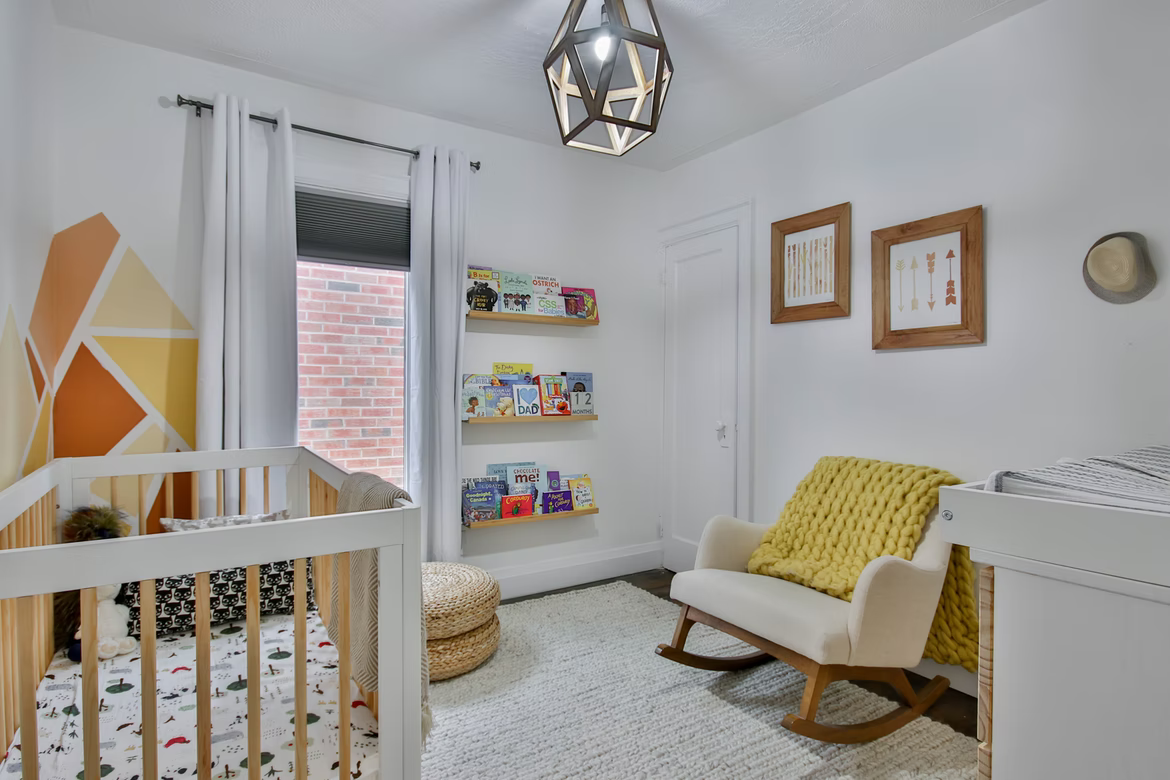
You’re expecting your first child and you’re super excited about decorating a nursery? Look no further because we’re here to help you out! Here are the five ultimate tips on how to accomplish that and make it gender-neutral, so keep on reading and check them out. Enjoy!
You’re expecting your first child and you’re super excited about decorating a nursery? Look no further because we’re here to help you out! Here are the five ultimate tips on how to accomplish that and make it gender-neutral, so keep on reading and check them out. Enjoy!
Keep it as simple as possible
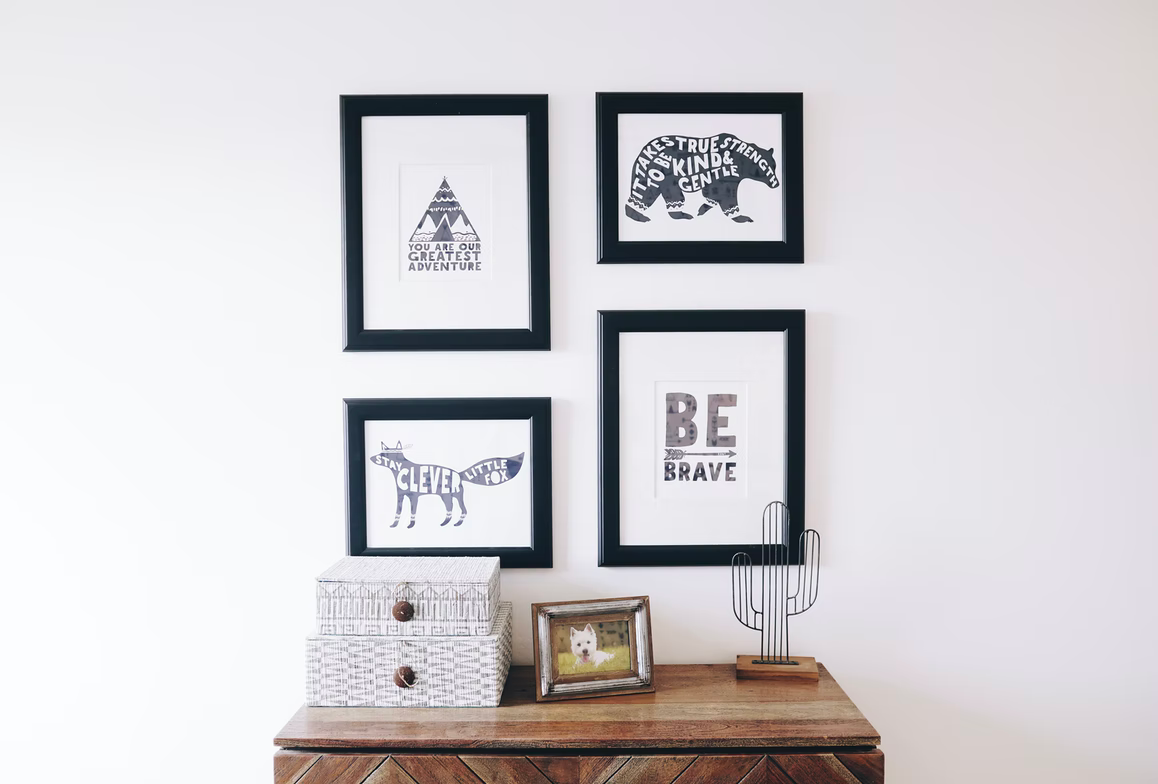
When decorating a gender-neutral nursery, you should certainly try to keep it as simple as possible. This is simply because simple spaces often come off as very chic and sophisticated. So, if that’s your top goal, be sure to stick to the simple themes. Also, too many unnecessary details will create unwanted clutter, which is what you should avoid. Instead, focus on emphasizing natural textures and clean lines. These are the perfect example of a simple yet effective gender-neutral theme. However, if you still want to make a statement, just add an accent rug that features an eye-catching pattern. Cute wall art is also a fantastic option, so choose it wisely and give simplicity a try.
A touch of boho is always a good idea
On the other hand, if you want to add a little twist to your gender-neutral nursery, we highly suggest a lovely bohemian theme that is extremely popular among parents-to-be these days. This one is known for its laid-back vibe that future moms and dads absolutely adore. It is all about earthy colors, patterned elements, and rich textures. Feathers are one of the most prominent features of a bohemian style. However, you should skip real feathers in a nursery and opt for feather-themed wallpaper instead. These will add a touch of real boho style to the entire space – especially when combined with details made from natural wood.
Bring the outside in
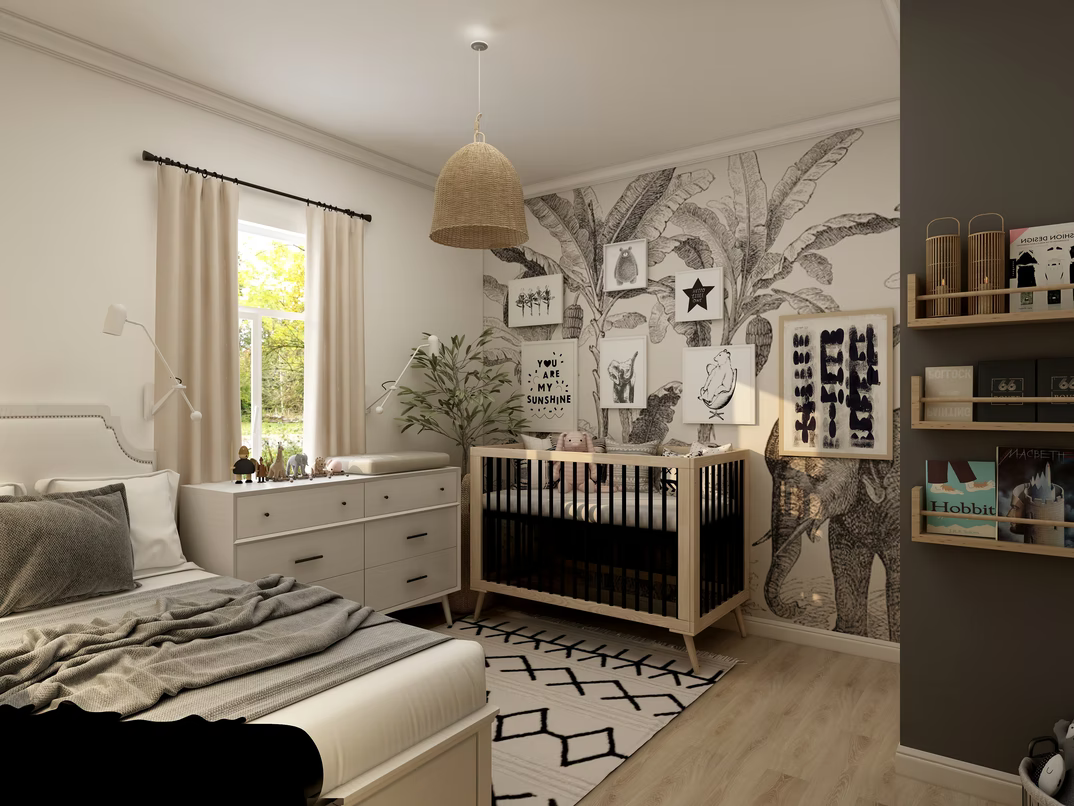
Are you are looking for the best gender-neutral theme for the nursery? Well, all you need to do is to look outside! That’s right, and it’s because nature can help us relax and soothe our souls. Of course, you’re free to find your inspiration wherever you like – in the mountains, at the beach, in the forest, or anywhere else. For example, wallpaper that features your favorite plants or trees is always a great option. Just don’t use it on all walls, as this would be too much. One statement wall will be more than enough. To make this nursery even cozier and more welcoming, you’ll need soft blankets that perfectly fit the theme. Search for brands such as 3 Little Crowns that offer quality organic materials. So, go for it and compliment your outdoorsy theme in the best possible way.
Don’t be afraid to mix patterns
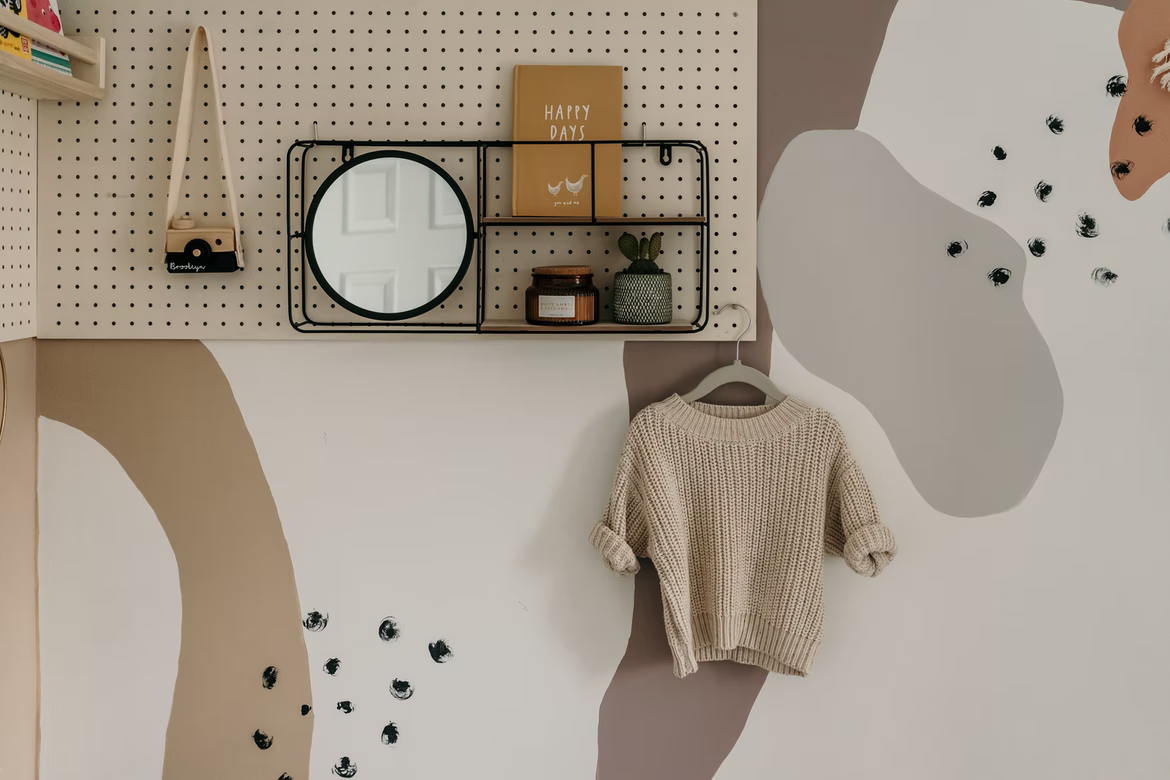
If you’re all about mixing and matching different patterns, you should use them in the nursery, too! In case you didn’t know, babies’ vision has certain limitations in the first year of life. They respond well to simple yet bold patterns with prominent contrast. Basically, it means that the combination of black and white is ideal for the nursery! It will help your baby develop their ability to focus their attention and boost their level of concentration in the early stages of life. As for the patterns themselves, you can pick literally anything you like. From stripes and zigzag lines to polka dots and asymmetric designs – the choice is totally up to you!
Use all colors of the rainbow
However, if you still want to add a touch of color to the nursery – but without choosing the traditional pink or blue color palette – you should definitely go for all colors of the rainbow. That’s right, and even though it probably seems a bit too extreme, it really works! Of course, if you decide to go for this theme, you should make sure to apply it to a simple, all-white space. We understand that this theme isn’t for everyone, but only for the boldest parents-to-be. One thing is certain – details and accessories featuring such vibrant colors will energize the entire space and make it look much brighter. After all, good design is all about the details, right?
As you can see, there are so many amazing tips on how to decorate a gender-neutral nursery. These five are the best ones out there, so bear them in mind and you’ll do a fabulous job. Just follow our guidelines and you won’t regret it. It’s a promise!
About the Author
Jasmine Anderson is a Sydney-based lifestyle blogger and a toddler mom. She loves to spend quality time with her family, go thrifting, and spend just a little bit too much time on the internet.

10 Reasons Why Your Bedroom Is Hindering Your Sleep
Sleep is such an essential part of our lives. Without restful sleep, we struggle at work and with household chores and responsibilities. Is your bedroom contributing to a lack of quality sleep?

Sleep is such an essential part of our lives. Without restful sleep, we struggle at work and with household chores and responsibilities. Is your bedroom contributing to a lack of quality sleep?
Here are 10 reasons your bedroom could be hindering your sleep.
1. Your Room is Too Hot
Our bodies naturally drop core temperature when we are preparing for sleep. According to the Sleep Foundation, the optimal temperature for your bedroom for the best sleep is between 60 and 67 degrees Fahrenheit. Further, evidence shows that light air movement is better for sound sleep, so a fan running on low could help you sleep more soundly.
2. Too Much Light
Harsh lights from the television and your electronics can cause your brain chemicals to keep you awake. Powering down electronics and other blue light-emitting devices an hour or two before bed will help your body fade into sleep faster and with fewer disruptions. Adding a heavy curtain to your windows will help block or diffuse the brightness from street lights, headlights, the bright moon, and other light sources while you’re trying to sleep.
3. Noisy Surroundings
Whether you’ve got rowdy neighbors, a loud street near your home, or you live under a flight path, sound can keep you awake at night. Investing in noise-canceling headphones or a white noise machine can help you sleep deeper and with fewer middle-of-the-night interruptions. Another option is to add peaceful music or guided meditation to your routine; they can help you fall asleep faster.
4. Declutter Your Space
When the space around your bed is cluttered and messy, it can contribute to anxiety and make it harder to sleep restfully. When you wake up for the bathroom, you shouldn’t have to worry about tripping over yesterday’s laundry or tomorrow’s cleaning task.
Tidying your space before you doze off can increase your sleep quality. Further, having a cleaner space can help your morning routine run more smoothly, meaning you can sleep longer.
5. Use Your Bedroom Only for Sleep
We understand that this one isn’t always possible because of our busy lives and the cost of living. In some cases, our bedrooms may have to work double duty as an office or play space. However, if you keep your bed reserved for sleep and other private activities, your brain will associate the area with rest.
Keep homework, creative projects, and work at a desk or table instead of lounging in your bed when possible. Keeping a book or other non-electronic activities on or near your mattress won’t disrupt your sleep, especially if it’s part of your bedtime routine.
6. Your Mattress is Due for an Upgrade
Have you been waking up with aches and pains you can’t explain? Are there stains or tears you can’t identify? Do you struggle with itchy eyes and a dry throat regularly? It’s probably time for an upgrade to your mattress.
Mattresses are intended to be replaced every seven to eight years, sooner with heavy use or multiple moves. The structure and support systems break down and lead to discomfort, pain, and other sleep deprivation symptoms.
7. Sweaty Bedding
There are specific bedding options that help your body sweat less. Materials like cotton, silk, bamboo, and linen will wick moisture away from your body and help you stay cool. For extra chilly nights, adding a comforter can help you sleep better. You can try a weighted blanket or quilt for those looking for the weight of a heavy comforter without warmth.
Avoid synthetics like polyester and satin. These will trap moisture and cause you to overheat more quickly. Additionally, whatever bedding you choose should be washed regularly to avoid allergens.
8. Support Your Head and Neck
If your pillow isn’t providing adequate support for your head and neck, you won’t achieve restful sleep. Pillows should be replaced more often than mattresses partially because they break down faster and because they get damaged and dirty more quickly. We sweat, drool, and sniffle all over our pillows. Even if you use a pillowcase (and you should be using one), you’re still shedding dead skin and other substances on your pillows nightly.
Down alternative and polyfill pillows should be replaced every 2-3 years. Buckwheat, memory foam, down, bamboo, and other higher quality pillows can go further between upgrades with proper care. Your pillow should support your head and neck, alleviating the strain on your shoulders and keeping your spine in alignment.
9. Add Serenity
Color psychology posits the theory that certain colors can bring serenity and calmness to your mind, while others can make you anxious, hungry, upset, and other emotional responses. Painting your room a calming color like blue or grey can help your brain associate the space with serenity and rest.
If you lack the time right now to paint, or live in a home that you can’t make permanent changes, try adding serene and restful pictures or paintings to help your mind relax when you settle into bed. Burning a candle or diffusing an essential oil that brings peace and restfulness in the hour before bed can also help bring much needed serenity to your bedroom.
10. Start Fresh - Make Your Bed
This step may seem counter-intuitive. Why should we make our bed when we’re going to mess it up anyway? Good Housekeeping participated in a National Sleep Foundation poll that found that people who made their bed in the morning saw a significant improvement in their sleep at night. Making your bed is a good habit, keeps your bedding crisp and clean longer, and can help your bed stay cooler. It also keeps your room looking decluttered and adds to the cleanliness of your space.
Better Sleep Creates Better Health
When our sleep is hindered, so is our health. Our bodies depend on restful sleep to heal and become stronger. When we are sleep deprived, we can experience reduced productivity and quality of life at work. The likelihood of workplace injury is increased by as much as 37% for those who are regularly sleep deprived.
Setting up your room to boost your ability to get quality sleep on a regular basis will help you now, and improve your life in the long run. Sleep deprivation has been linked to higher instances of heart disease, diabetes, hypertension, obesity, and more ailments that can cut a life short. Live a longer more satisfying life with better sleep.

