

A resource for those seeking information on organizing and transforming spaces.

Mistakes To Avoid When Doing the Laundry
Understanding the mistakes to avoid when doing the laundry will help you keep your clothes, bedding, and linens protected, soft, and immaculate.

Doing the laundry is one of the most mundane household chores that everyone must perform. It’s understandable why so many people empty the hamper into the washing machine and try to wash everything they own in one load. While this method might save some time, it’ll also likely damage your clothes and ineffectively clean them. Learning the mistakes to avoid when doing the laundry will keep your linens in pristine condition.
Follow Detergent Recommendations
With the invention of pods, it feels like throwing one pod in the washing machine is sufficient. Unfortunately, the odds are that your laundry loads need much more detergent than you’re using. More oversized loads may require you to use extra pods or fill one more cup of liquid detergent to clean everything efficiently. If you don’t use the correct amount of detergent, your clothes will not be as clean. This is why reading the detergent instructions is vital to attain the best wash.
Only Use Hot Water for Specific Situations
It’s easy to assume mixing soap with hot water is the ideal way to clean your laundry. However, using hot water on certain types of fabrics causes more harm than good. Any item predominantly made with cotton needs cold water, or else it may shrink or develop fiber damage. Take note of this to keep clothing and bedding looking new. The best uses for hot water when washing items is to disinfect things, remove germs, and get rid of deep stains. Otherwise, using cold water is the way to go, especially since it takes up less energy.
Properly Separate Your Items
When you separate your laundry, you often think of sorting the darks and the whites. While that’s one tip you should follow, it’s also critical to sort things by the material. It’s an excellent strategy to do all delicate items, towels, or bedding separately rather than mix everything. Doing this allows you to choose the most appropriate water temperature and detergent.
Perform Damage Control
Typically, most people care what the outside of their clothing looks like more than the inside, so it’s probable they throw their items in without turning them inside out. Unfortunately, failing to do this leaves things like dead skin cells and sweat in your garments. The inside-out technique also protects your clothes from rubbing against things like zippers or buttons. These parts can hurt other clothing articles that are in the wash with them.
Use Enhancements
Incorporating fabric softener and dryer sheets into the routine is like adding whipped cream on hot chocolate; it just makes everything better. Not only do fabric softeners make everything feel soft and cozy, but they also prevent potential damage to the fabric. On the other hand, dryer sheets help keep the static electricity down during the dry winter months.
Knowing the mistakes to avoid when doing the laundry will aid you in making your laundry smell and feel great while simultaneously improving its durability for years to come.

4 Shortcuts for a Smoother Home Renovation
Renovating a home can be an overwhelming experience, especially for first-timers. If you’re one of the many people looking to give their property a facelift, there are four shortcuts you can use to ensure a smooth renovation. Below are a few renovation tips to maximize efficiency.
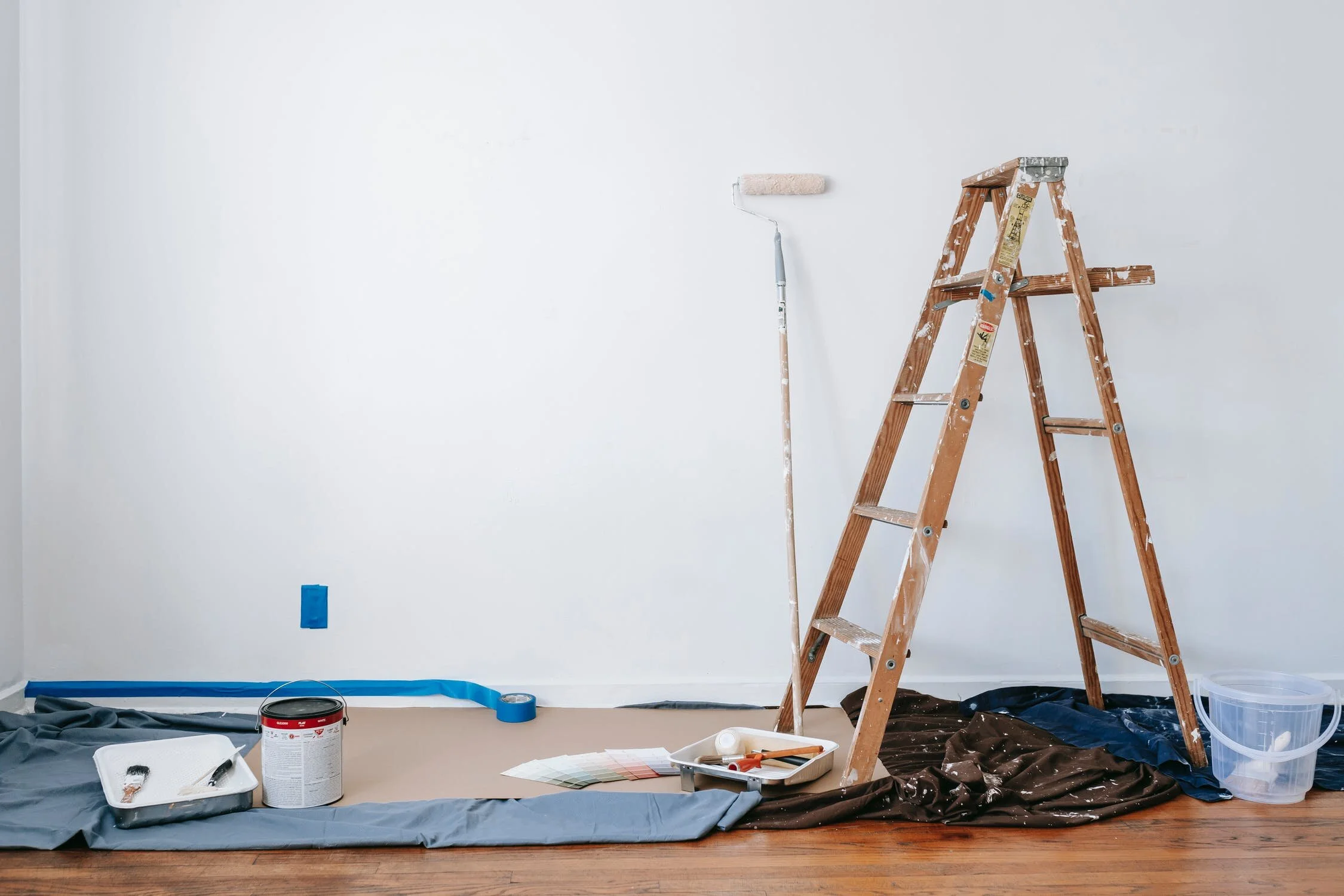
Renovating a home can be an overwhelming experience, especially for first-timers. If you’re one of the many people looking to give their property a facelift, there are four shortcuts you can use to ensure a smooth renovation. Below are a few renovation tips to maximize efficiency.
1. Rent a Dumpster
When it comes to removing large amounts of unwanted material from your home, utilizing a dumpster rental service can be an excellent option to make your project more manageable. Everything from furniture to building materials can fit into a dumpster that can be driven away, making disposal a breeze. Take some time to decide what size dumpster would suit your particular project best.
2. Finalize as Much as Possible
By the time you hire a contractor, it’s good to have at least most of your plans finalized. Sure, you may make minor changes throughout the project. However, constantly changing your mind will cost you both time and resources. This is a major setback, especially if you have lots of projects within your home.
If it helps, hire a professional to assist you with aesthetic choices. They can produce a variety of options for you to make your final selections.
3. Create a Reasonable Timeline
Of course, you don’t want to rush through your home renovations. Conversely, you don’t want to be inconvenienced on never-ending projects. Think about it, you may have to relocate during the demolition and rebuilding process. Whether you live alone or have a large family, you may have trouble finding lodging during this process.
Not only can relocating be tricky, but it can also be expensive. If you are already working with a modest budget, you want to give contractors a reasonable deadline so you can enjoy your new place in a timely fashion.
4. Check the Progress
Whether you decide to live on-site or find temporary housing, it’s a good idea to check on the project’s progress. Now, this doesn’t mean becoming a nuisance to the contractors. For instance, if you have a four-week deadline, maybe visit the site once a week and gradually increase towards the end for the final touches. This allows you to make modifications along the way.
Renovations are either a fun experience or a nightmare depending on how you prepare for them. By following the steps above, you can ensure the process goes smoothly, despite the hiccups you’re bound to deal with along the way. Also, do not be afraid to seek professional design help if you are new to home renovations.

5 of the Most Expensive Types of Home Damage and What You Can Do About Them
If your home gets damaged, it’s more than just a headache. It can also be a costly problem that drains your bank account and negatively impacts your property value. Here are just a few things to keep your eye on to prevent expensive renovation projects in your future.

If your home gets damaged, it’s more than just a headache. It can also be a costly problem that drains your bank account and negatively impacts your property value. Here are just a few things to keep your eye on to prevent expensive renovation projects in your future.
House Fires
Fire is one of the most destructive things that can happen to your home. Whether it’s a kitchen fire, heater fire or electrical fire, it can spread within seconds, and the secondary damage from the smoke is often just as bad as the charring flames. Consider fireproofing your property by using fire-retardant materials around the house as well as installing smoke alarms and keeping a fire extinguisher handy.
Ice Damage
Ice can be as costly as fire. In the winter, pipes can freeze and burst, and roofs can enter perpetual freeze-thaw cycles that result in widespread water damage. Things can start leaking. Ice dams can form over your home’s exterior. You’ll need to keep a watchful eye and make sure that any frosty build-ups get shoveled, chipped and removed before they can cause problems.
Hidden Mold
Mold is caused by moisture from things like humidity, roof leaks and poorly-ventilated bathrooms. It can be a very insidious problem that you don’t even notice until it’s already spread, and by then, it’s often bad enough to have caused damage to your home. The good news is that there are several effective methods of mold removal that can banish the spores like they were never there, including antimicrobial chemical cleaners. Companies like 1-800-BUSY-DOG specialize in mold remediation.
Wind and Storms
Wind damage is often outside of your control as a homeowner, but there are things that you can do to mitigate the worst of its effects. For example, you can reinforce your roof to better withstand storms, and you can caulk your doors and windows to form stronger barriers against pressure-changing drafts. You can also take preventative measures like trimming trees and bushes near your home so that they can’t become destructive forces during high winds.
Leaks and Flooding
The basement can flood. The faucets in the kitchen or bathroom can start leaking. Even your heavy-duty appliances can start trickling fluids that later turn into deluges. Leaks are a very common cause of rotted wood and drywall in the home, so if you want to prevent costly repairs, perform periodic inspections of your property.
These are just a few of the most common ways that natural and man-made disasters can damage your home. Part of being a homeowner is being aware of these dangers and doing what you can to prevent them, so take care to be alert, responsible and safe.
Which Fireplace Is Right For You?
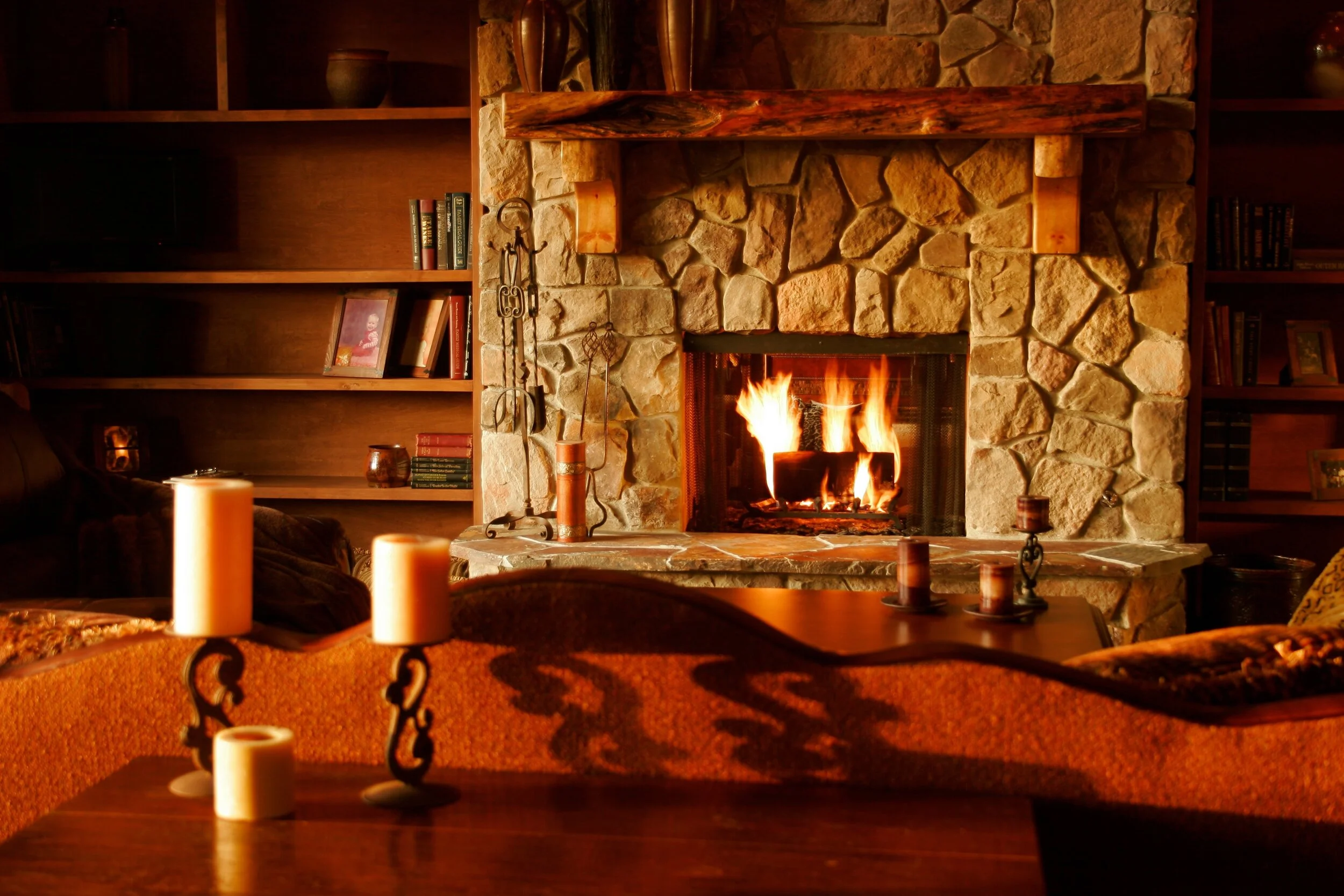
Fireplaces are something that seems to have a timeless appeal about them. Even though they aren’t used to heat a home anymore, and are mainly just decorative, they still make a room seem warm and cozy. People love starting a fire in the fireplace, stoking the flames, and adding wood as they sit nearby. Fireplaces are attractive, practical, and can add value to your home if you have or decide to install one.
However, it can be a challenge to find the right fireplace for you and your home. What sort of fireplace you have can depend on the style of the room, how much you’re willing to spend to install it, and what sort of fuel you want to burn. Some fireplaces are higher maintenance than others, which could be a major deciding factor for you. However, the amount of maintenance needed might end up being worth it if you’re able to achieve the look and warmth your fireplace can provide.
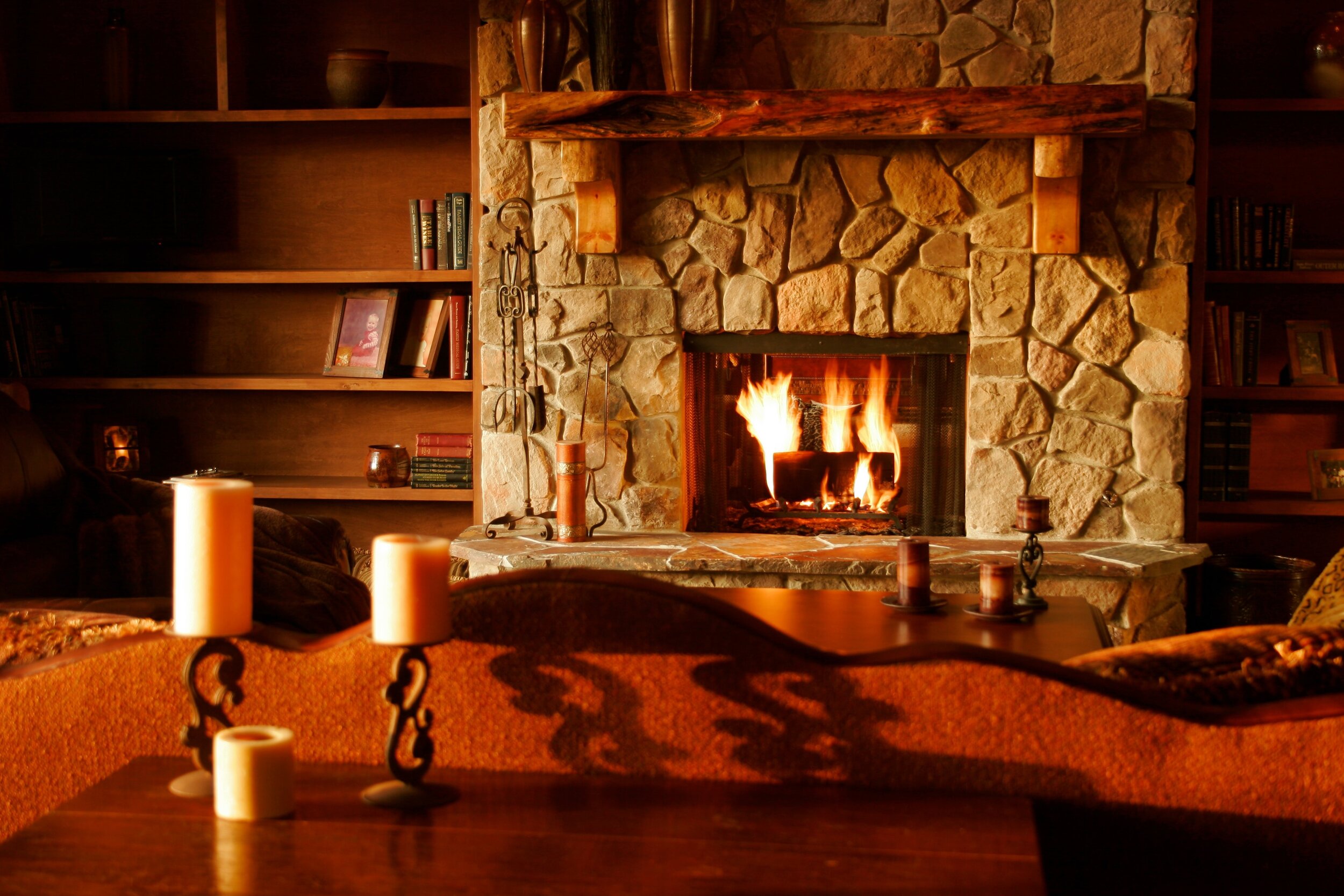
Fireplaces are something that seems to have a timeless appeal about them. Even though they aren’t used to heat a home anymore, and are mainly just decorative, they still make a room seem warm and cozy. People love starting a fire in the fireplace, stoking the flames, and adding wood as they sit nearby. Fireplaces are attractive, practical, and can add value to your home if you have or decide to install one.
However, it can be a challenge to find the right fireplace for you and your home. What sort of fireplace you have can depend on the style of the room, how much you’re willing to spend to install it, and what sort of fuel you want to burn. Some fireplaces are higher maintenance than others, which could be a major deciding factor for you. However, the amount of maintenance needed might end up being worth it if you’re able to achieve the look and warmth your fireplace can provide.
Wood Fireplace
A wood fireplace is about as traditional as fireplaces can get for a home. It is a genuine hearth that acts as a practical and attractive centerpiece for the room it’s installed in.
One advantage of a wood fireplace is that no other type of fireplace can compete with its classic atmospherics and ambiance. There is something about the smell, the crackle, and the snap of firewood in a wood-burning fireplace that cannot be emulated in any other way. Some major perks to wood fireplaces are that wood fireplaces don’t require electricity, meaning you have both a light and heating source during power outages, and you can even cut down on utility bills during the winter by lighting up the fireplace instead of cranking up the heater. Wood fireplaces are also a much cheaper option when compared to gas or electric fireplaces, as you’re not relying on utilities to help you start the fire. Just wood you could purchase at any home goods store or chop down yourself.
On the downside, masonry wood fireplaces aren’t that great at heating an entire home. The sparks emanating from a fireplace could also pose a fire hazard if you don’t take the proper precautions, such as a screen to put in front of the open flames. A wood fireplace can also be messy as it generates soot and ash you need to clean out once you’re done using it. If you don’t clean your chimney regularly, you could also end up dealing with a severe fire hazard.
Gas Fireplace
Gas fireplaces are cleaner than their wood counterparts and are a more efficient option for central heating. They generate a smokeless flame as they burn propane or natural gas. Gas fireplaces are versatile and can be vented or ventless.
Your gas fireplace can be made to emulate a traditional fireplace with ceramic firewood placed inside an existing fireplace. This is a good option if you are looking for a low-maintenance, flickering fireplace that looks nice but is not needed for heat. The main advantage of a gas fireplace is that it does not need a pipe or flute. You can connect it to a wall thermostat to control room temperature, which is something you can’t do with a wood fireplace.
The main disadvantage of a gas fireplace is that they don’t produce authentic-looking flames. You do not get the sound or aroma of burning wood. Also, you must be sure to keep the fireplace properly maintained and investing in a carbon monoxide detector. Failing to do so could lead to carbon monoxide poisoning or even death.
Electric Fireplace
Electric fireplaces can be considered the safest option for someone wanting a fireplace. They don’t emit fumes, smoke, or any byproducts. Most electric fireplaces are just for decoration and don't have any sort of heating element.
The advantage of an electric fireplace is that you can spruce up an existing masonry fireplace without needing to start an actual fire. This can be great for homes, or apartments, that don’t allow you to use the fireplace. This way, you can still achieve the look of having a fireplace without having to actually use one.
The downside to an electric fireplace is that you lose the ambiance and romance of a traditional fireplace. The fireplace is good for looks only, you can’t get the smell, sound, or heat that a gas or wood fireplace is able to provide. Additionally, if there is a power outage, your fireplace is rendered useless.
Fireplaces have been and will continue to be an attractive addition to any person’s home. The heat, aesthetics, and value to your home they provide are all great reasons to think about installing one if you don’t have one already. The biggest decision you’ll have to start with is simply which type you’d prefer. You will have to judge for yourself if an electric, gas, or wood fireplace is suitable for you and your home.

