

A resource for those seeking information on organizing and transforming spaces.

4 Ways to Make Sure Your Home Is Secure
A home is burglarized almost every thirty seconds in the United States, causing untold amounts of damage, fear, and pain for the families affected. Your home is meant to be your safe space, but if it’s not properly protected others may try to take advantage of the opportunity to invade. You can take back the security of your home with a few simple steps, making your home a safer place to be.

A home is burglarized almost every thirty seconds in the United States, causing untold amounts of damage, fear, and pain for the families affected. Your home is meant to be your safe space, but if it’s not properly protected others may try to take advantage of the opportunity to invade. You can take back the security of your home with a few simple steps, making your home a safer place to be.
Secure the Doors
This might be the simplest step. The door is the main point of entry for burglars, especially if they know you’re not in the habit of locking the door. Even if the door is locked, there’s always the option to kick the door in. You should make sure that you have a strong door frame, made of solid material, such as sturdy wood, that’s much harder for a thief to put their foot through. If someone lived in the home prior to you, then it is a good idea to change the locks so that no one who isn’t supposed to have a copy of the key to your home. Additionally, you should install a deadbolt lock and a video doorbell, that way you’re able to see and record who is at your front door. There’s a chance it could end up being used for evidence.
Lock the Windows
Another simple but important step, the windows are another place that thieves can use to get into your home. After all, breaking glass is much easier than breaking through the wood of your door. However, if your windows are unlocked this won’t matter much, as the burglar only has to open the window to slip inside. You can keep your windows secure by checking they’re locked regularly, whether that be before you leave the house or before you go to sleep. You can also use glass break sensors and window bars to deter any vandalism that could create an entrance for potential thieves.
Install a Security System
If you do not have a security system, then now is the time for you to install one. Studies have shown that security systems are an effective deterrent for crime. A 2009 study showed that neighborhoods that had many homes with security systems were less likely to be broken into. That is why if you have a security system, then you can help to keep the entire neighborhood safe.
When thieves see a security system, they know that it will be harder for them to break into your home and get away with it. If they do decide to break into your home, then the authorities will automatically be notified. Additionally, there are some security systems that can capture the person on video. Even if they flee the scene, it will be easier for the police to catch them.
There are other benefits that can be reaped from having a security system. This includes lower home insurance rates and peace of mind knowing you and your home are safe.
Eliminate Hiding Places
There are many thieves who hide in bushes and trees, waiting for you and your family to go to sleep. You can eliminate the hiding places by trimming the trees and bushes around your yard. You should also remove stools and ladders that you’re not using from your yard. Additionally, you should remove the pricey items from your yard. Extravagant items can attract thieves, and even if they’re in your backyard, a simple fence hop can be almost too easy for someone looking to steal things. You should also light up the exterior of your house as much as reasonably possible, eliminating shadowy hiding places and making it easy to see what’s going on outside, even at night.
It is important for you to take all of the steps that you can in order to keep your home secure. You can deter burglars by securing your home and locking your window. It is also important for you to install a security system. Furthermore, it is important for you to eliminate the hiding places in your yard.
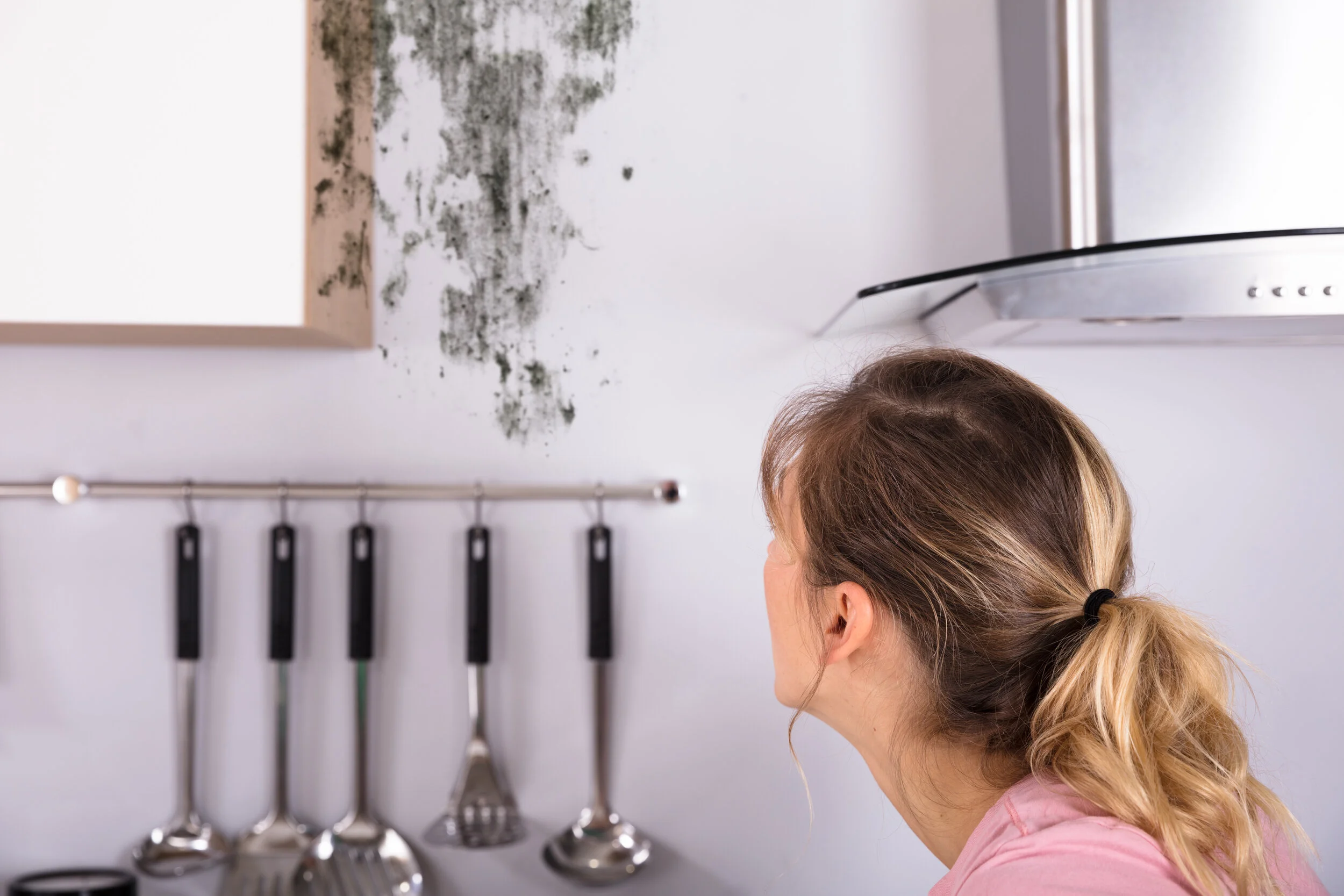
Signs of Mold or Water Damage in Your Kitchen
Water damage and mold growth can wreak havoc on your kitchen, so it’s important to get these problems resolved before your kitchen is no longer safe to use. Keeping an eye out for these signs of mold and water damage will help you stay on top of what’s going on in your kitchen better so that you’ll be able to call for professional help to save your kitchen from the damaging effects of moisture and fungal colonies that could grow.
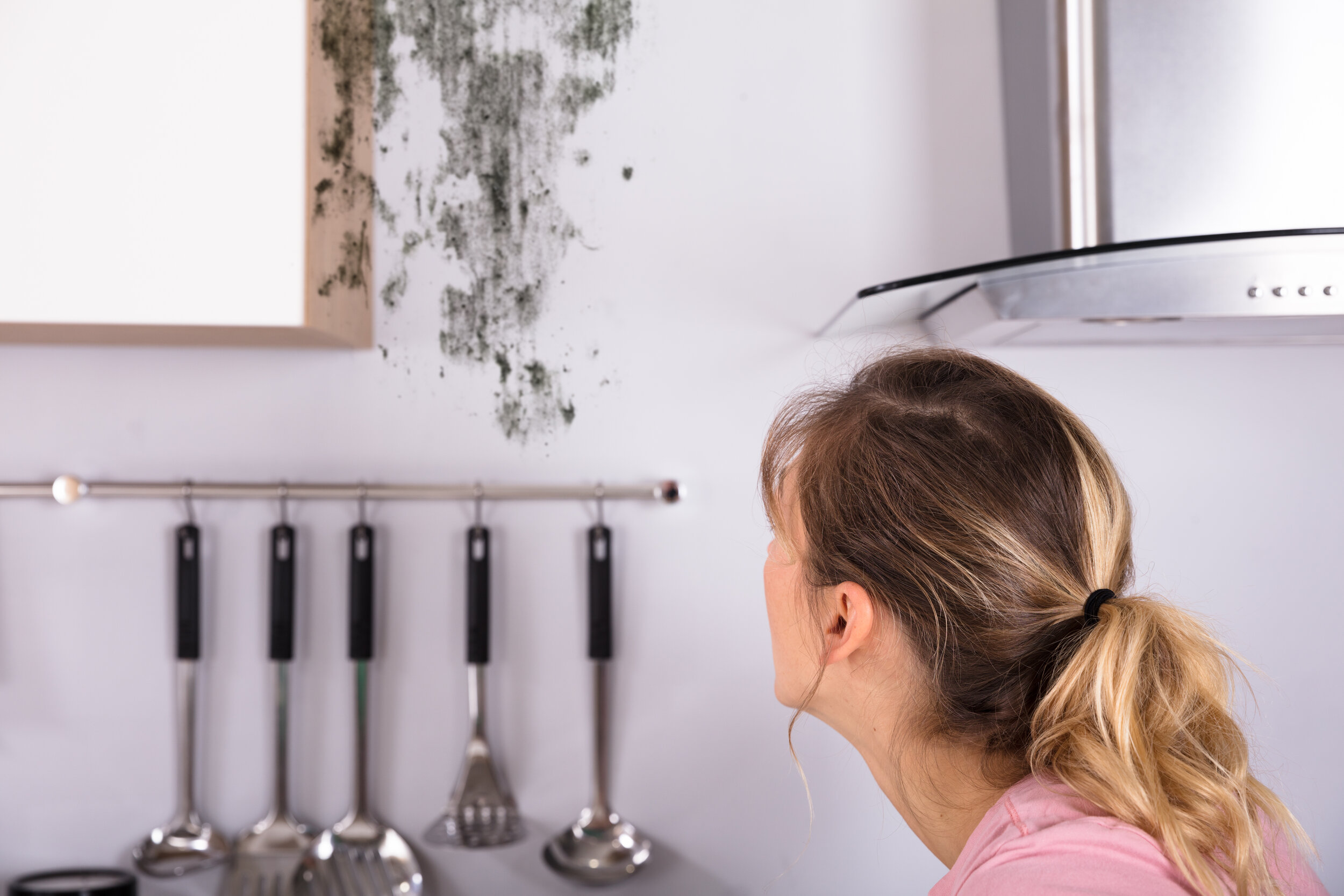
Water damage and mold growth can wreak havoc on your kitchen, so it’s important to get these problems resolved before your kitchen is no longer safe to use. Keeping an eye out for these signs of mold and water damage will help you stay on top of what’s going on in your kitchen better so that you’ll be able to call for professional help to save your kitchen from the damaging effects of moisture and fungal colonies that could grow.
Unusual Odors
It’s not uncommon for kitchens to smell bad sometimes because of trash, leftover food scraps or aromas from cooking, but the unusual odors could also be caused by a water leak or mold growth. The smell could be coming from rotting drywall or other building materials that may have water damage on the inside that isn’t visible. A persistent musty or earthy smell could mean that mold is growing somewhere in your kitchen that might be difficult to see.
Stains on Walls and Floors
Both water damage and mold can leave stains on walls and floors. Stains from both moisture and mildew growth often appear dark or may have shades of brown and green. Looking over your walls and floors regularly can help you spot this problem in its earliest stages. It’s also a good idea to check the sections of your walls that are located beneath your sink and inside cupboards and pantries so that no stains from water damage or mold growth go unnoticed.
Paint Damage
If you notice any damaged paint in your kitchen that’s caused by mold or moisture, contractors from a company like Servpro of Beaufort County may need to be called to remediate the situation and keep the damage from worsening. Both mold and moisture can cause paint to chip away and may even erode the material that’s underneath the paint. After your water or mold problem has been resolved, you may be able to repair the paint damage with a little touch-up paint, or you might need to have large sections of your kitchen walls repainted if the damage is more severe.
Wet or Damp Items
Cooking appliances, kitchen utensils and other items in your kitchen that feel very wet when you go to use them is a definite sign of a water leak, but you should also be aware of any items that feel slightly damp, as this could be a sign of a slower water leak. You might also notice moisture spots that are left behind on surfaces after you’ve moved certain items that are wet on the bottom. Mold that grows on some of your items can also feel moist to the touch.
Your kitchen shouldn’t be overrun by a water or mold problem. Contractors who specialize in mold and water damage remediation can help restore your kitchen to its excellent quality so that you’ll have a better place to prepare your favorite meals.
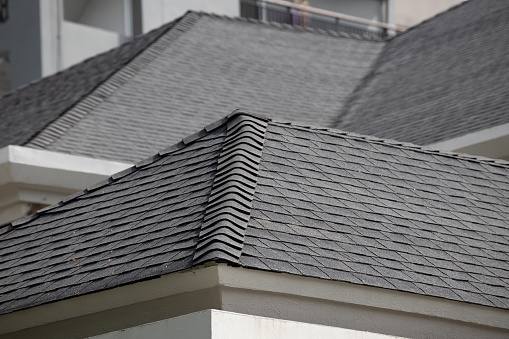
Signs to Look for When It’s Time to Replace Your Roof
The roof protects your property from the elements, facilitates insulation, and keeps you comfortable. But how can you tell it's time for a replacement? Here are a few tips to determine if you need a new roof.

The roof protects your property from the elements, facilitates insulation, and keeps you comfortable. But how can you tell it's time for a replacement? Here are a few tips to determine if you need a new roof.
Buckling, Loose, or Broken Tiles
If you are wondering if it is time to replace your roof, take the time to examine the tiles. Are the shingles buckling, broken, warped, or missing? You can fix it if it only affects a few tiles. But extensive damage calls for a replacement. The valley where two slopes of different gradients meet is susceptible to damage. If there are missing shingles on parts of your roof, it is usually a sign that you need a replacement.
Pools of Water and Moisture Problems
If the tiles feel soggy or spongy, it could be an indication of moisture problems. The flashing is responsible for channeling water away from the roof. When it is damaged, it can encourage pools of water. Roofing professionals may tear parts of the underlying structure if there has been extensive water damage. It is essential to evaluate the condition of the flashing around on areas vulnerable to leaks, such as the chimney and skylight. Installing quality ice dam protection prevents damage to your new roof.
Signs Algae Growth
If you notice black stains or streaks on your shingles, it is a sign of algae growth. With the right conditions, algae can take over your roof in less than four years. Microorganisms will break down the shingles, particularly if the tiles have substandard additions such as limestone. Depending on the stage of the infestation, it can cause the underlying wood to rot. When that happens, a replacement is necessary to avoid further damage to other parts of your home.
Your Roof Is Old
Most roofing materials can last between 20 and 30 years. But exposure to hailstorms, rain, and hurricanes can shorten its life. Therefore, if your roof is approaching the end of its life, you may want to consider a replacement. You could add a layer of roofing tiles over your existing one. However, many jurisdictions across the United States no longer allow multiple layers of roofing tiles. You can save a modest amount of money by overlaying the old roof. But it can trigger weight complications that could get worse when there is heavy snow or ice dams. The best option is to install a new roof that can last.
You can fix some roofing issues, but it is always wise to arrange for a professional evaluation. A new roof could prevent costly repairs in the future and may cut down your energy bills.
5 Tips to Keep Your Gutter Clean Throughout the Year
Keeping your gutters clean allows fresh rainwater to flow through, and is better than letting the water sit on your roof. If water does damage to your roof, you may need to call a professional roofing company to make repairs.
The care of your gutters is something that most homeowners know they need to do, but often don't have the time. With five quick tips, you can keep your gutters clean throughout the year and avoid expensive repair bills. With that said, here are five tips to keep your gutter clean throughout the year.
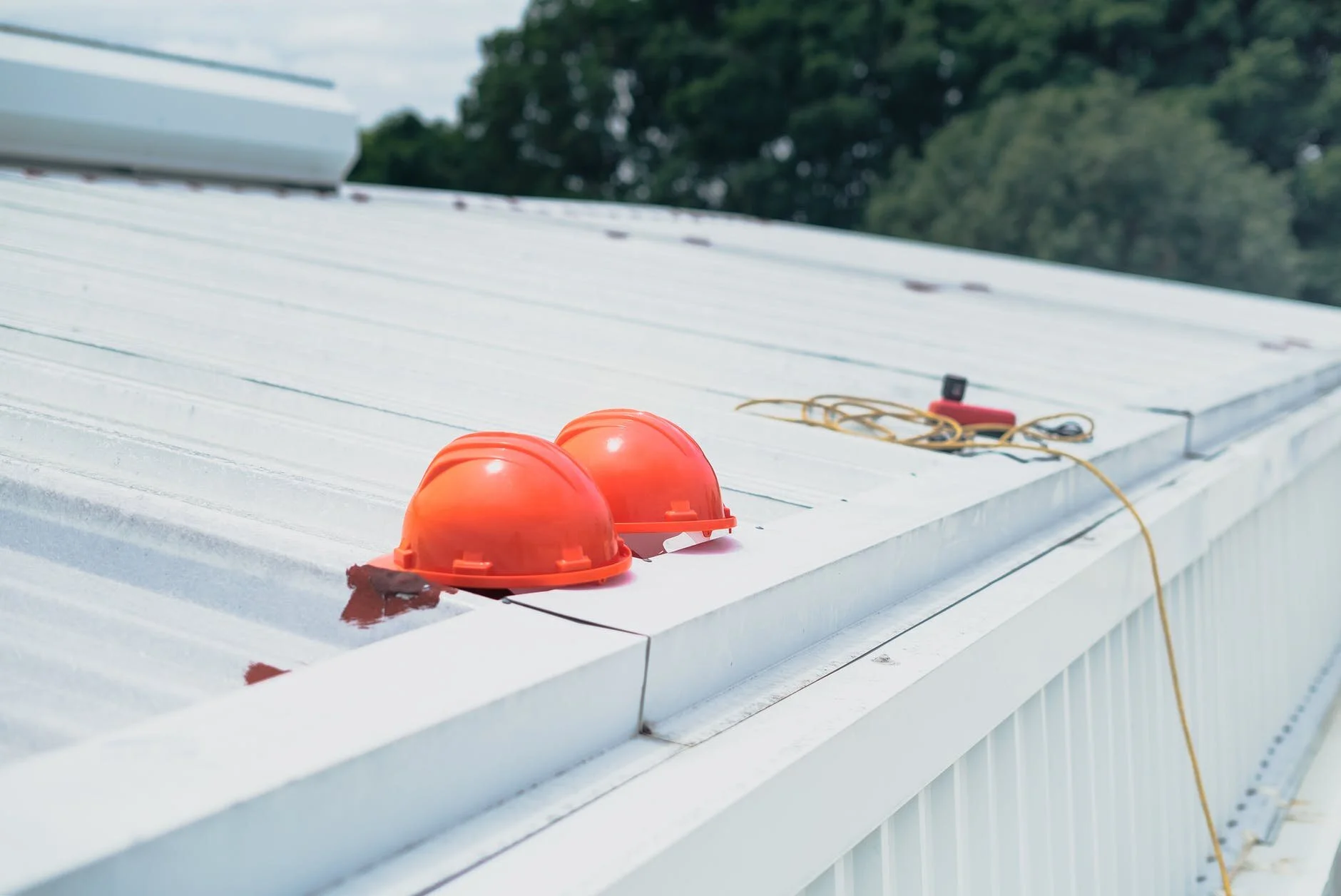
Keeping your gutters clean allows fresh rainwater to flow through, and is better than letting the water sit on your roof. If water does damage to your roof, you may need to call a professional roofing company to make repairs.
The care of your gutters is something that most homeowners know they need to do, but often don't have the time. With five quick tips, you can keep your gutters clean throughout the year and avoid expensive repair bills. With that said, here are five tips to keep your gutter clean throughout the year.
Make Sure Your Gutter Is Clean
Gutter clean-out is a necessary procedure to avoid clogged gutters. The leaves, sticks, and dirt that accumulate in your gutter will slide down when it rains. Not everything comes out so easy though. Tree branches coming off the roof during the autumn seasonal change, or birds using sticks and twigs for nest material, can cause problems as well. That is why it’s important to get up there regularly to clean your gutters.
You may think you don't need to perform this task annually because everything may easily slide off on its way down once the water comes bustling through. However, not all debris
is removed with rainwater.
Ensure Downspouts Aren't Clogged
Water can lead to mold and mildew if it sits in gutters. When rainwater runs off of a roof, one way this runoff water collected on your property or street below gets carried away is by the downspouts at each end (down from where they enter through knobs). If these spouts get clogged with dirt and leaves, they won't be able to flow, which puts pressure directly onto your plumbing system that can lead you right back into sagging problems all over again.
Check if Gutter Spikes Are Loose
The spikes are the connectors going through eaves and gutters into your roofing from below. You'll notice them because they're long. If they don't reach down, you will need them fixed or replaced because it could mean there's a separation happening on top. You can tell if these become loose by looking for jiggling in their placement next time it rains. When this happens, professionals recommend fixing anything out front immediately so that there is no risk for any future damages.
Clean the Gutters With Water
To get your gutter system flowing again, you can use a power washer or hose to rinse away any leaves and debris. As long as the spikes stay fixed and there aren't any clogs in the drain line from blocked entries, no damages will be done.
Check for Any Leaks
In conclusion, once the whole system is clear, run water through the system to look for holes, cracks in the caulking at the seams, or other areas of damage that may be leaking. Repair any leaks right away. If you need assistance repairing your gutter system, contact a professional gutter company to help.

