

A resource for those seeking information on organizing and transforming spaces.

Guest Post - Modifications That Will Help You Age Gracefully in Your Home
Do you dream of staying in your home forever? Updating your house so it functions throughout your retirement years is easier than you might imagine.
With a few simple updates, your home can become the perfect oasis to help you age gracefully.
Do you dream of staying in your home forever? Updating your house so it functions throughout your retirement years is easier than you might imagine.
With a few simple updates, your home can become the perfect oasis to help you age gracefully.
1. Create No-Step Access
Something many seniors struggle with is difficulty navigating stairs. To keep your home accessible to the outdoors, consider creating a point of no-step access.
You can remodel a door or a large window into an entry that stays level to the ground – without any need to step up.
Complete this process with a contractor to ensure you keep your home properly sealed against water damage. You may need to install a drainage system depending on your location.
2. Lay New Flooring
Falls accounted for 32% of preventable injuries in the United States in 2019. One way to secure yourself from accidental falls is to refresh your old flooring.
Short-nap carpet or non-slick hard flooring is the best option to prevent a fall. You should not slide around on your floors while wearing socks, and you don’t want to get tripped up by a high carpet nap.
Also, consider using uniform flooring throughout your home to reduce height differences between rooms. If you are not paying attention, even small lips and bumps can cause a fall.
3. Install a Home Elevator
If you live in a multilevel home, you should consider installing a home elevator. These are available in various styles and price points and increase your options for mobility.
Home elevators are different from the clunky, dusty lifts you’ve used in office buildings and department stores. They are designed to seamlessly blend into your home, adding elegance as well as functionality.
In addition to reducing your dependence on stairs, elevators are fun to ride and bring benefits like helping you move groceries, laundry and elderly pets between different floors.
4. Update Shelving
To reduce the need for reaching and lifting overhead, consider lowering the shelving and cabinet units in your kitchen and bathroom.
Installing pull-out drawers will also make your kitchen cabinets more accessible. This storage solution is easier to clean and access and is kinder to your body.
Many modern cabinets are designed with seniors in mind and blend updated style with long-term functionality. You can even consider open shelving. It shouldn’t be difficult to find exactly what you’re looking for.
5. Add a Walk-in Shower
Getting in and out of the bathtub is a struggle for many seniors. The best solution for updating this space is to renovate it so there are no steps required.
Walk-in showers are designed to keep water out of the rest of your bathroom while easing access to showering facilities. They come in many beautiful designs and can be tailored to suit your individual style and preferences.
Refresh Your Home
Aging gracefully at home is something you can thoughtfully prepare for. Updating safety and accessibility is a wise way to get ready for the unknowns of the future.
Follow these five tips to design intentional spaces that will support you and your family for many years to come.
Author bio: Rose Morrison is the managing editor of Renovated, where she offers advice on home renovation, maintenance, and organization.

Interior Painting Tips for New Homeowners
Check out these interior painting tips for new homeowners to make your painting projects go smoothly (and guarantee you get the look you want)!
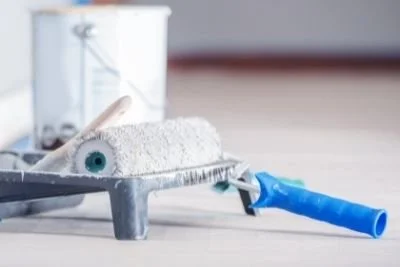
Now that you’ve purchased a house, you want to make it feel like your own. One of the most satisfying ways to completely change the look and experience inside a home is to update the paint. Here are some interior painting tips for new homeowners to ensure you get the best look possible.
Try Samples Before Choosing
Picking up swatches at the home improvement store is one thing, but you can also get paint samples to try out. As helpful as it is to picture certain paint colors in a room, the only way to know for sure whether a color is right is to try it out. Paint a large square of each of your sample colors, and view them at different times of day to see how the paint looks in varying qualities of light.
Prepare the Surface
Before you paint your walls, you’ll need to prepare them for painting to ensure the best results. First, dust your walls with a damp rag, and wait for them to air dry. Next, remove outlet covers and any smoke detectors on the walls. Cover vents with painter’s tape, and use painter’s tape to attach tarps to your floor.
If there are any holes in your walls, fill them with spackling and wait for the spackle to dry. Then, sand the spackling until it sits flush with the rest of the wall. Now you’re ready to break out the brushes and rollers!
Know Design Trends
Whether you follow them or not, it’s good to know current design trends to help generate ideas. Right now, there’s a movement toward bold interior paint colors, along with eye-catching accent walls. Search the web for homes that have followed trends to see if they feel right for your house. If you think you’ll ever sell your home, sticking with trends can generate interest from buyers!
Now that you know these interior painting tips for new homeowners, make your house look exactly how you want it to and wow your friends with a sleek new design.

Different Ways To Keep Your Home Heated This Winter
The temperatures are beginning to fall, and the winter season is looming—here are some better, cheaper ways to keep your home heated this winter.

The summer has come to an end, and the cold weather of the fall and winter seasons is beginning to loom. This may come with some dread if your home isn’t properly outfitted with a heating system, or perhaps if its central heating system is outdated. To help you stay nice and warm, here are some different ways to keep your home heated this winter.
Refurbish Window Seals
Drafty doors and windows are typically problems in older homes because of the wear and tear that happens with time. Before the harsh cold of winter comes, use the fall season to re-caulk your windows and seal up any cracks in the doors to prevent heat from escaping your home and drafts from entering. Cranking up the thermostat to compensate for lost heat will cost you a lot more money and use up a lot more energy. Always start here when you’re considering the different ways to keep your home heated this winter.
Install Baseboard Heaters
Baseboard heaters are much safer, more effective, and cheaper than older central heating systems. Baseboard heaters are also much more subtle than radiators while still capable of evenly heating a room. They also use far less energy than other heating systems. They’re easy to maintain, too, typically only requiring you to remove the baseboard cover and clean the heater of dust once a year.
Install a Programmable Thermostat
Whatever system you’re using for heat, installing a programmable thermostat is another great way to keep your heating system much more energy efficient. This will allow you to preset temperatures for different times of the day so that you don’t have to worry about adjusting the temperature yourself. You’ll see a noticeable difference in your energy bills when your heating system isn’t operating at the same temperature around the clock.
4 Things to Think About When Rewiring Your House
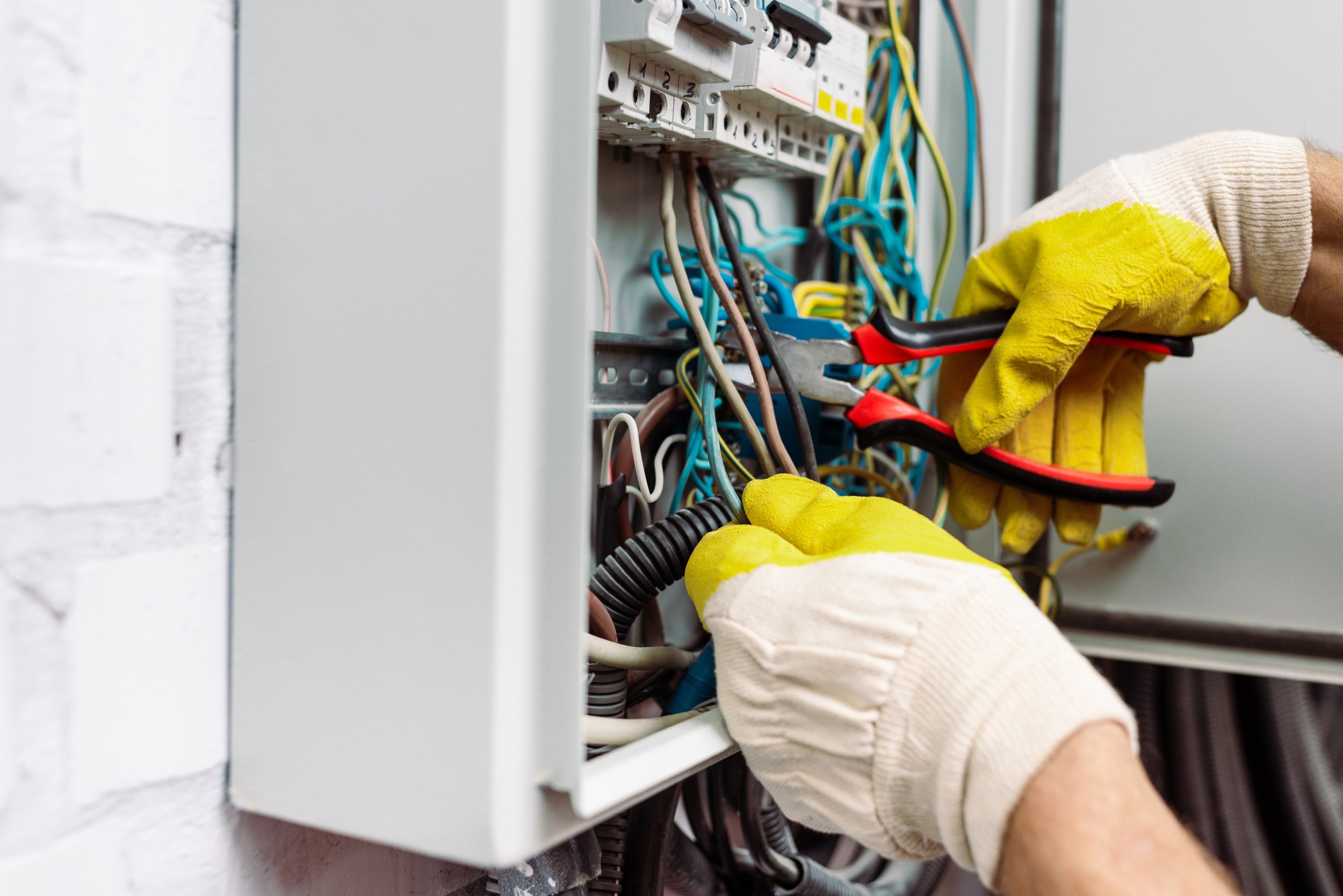
When it comes to home renovations and upgrade, ensuring top-quality electrical work is never a concern to be taken lightly. From eliminating potential safety hazards to future-proofing your next home upgrade, you would do well to address the following concerns before you begin rewiring your home.
When it comes to home renovations and upgrade, ensuring top-quality electrical work is never a concern to be taken lightly. From eliminating potential safety hazards to future-proofing your next home upgrade, you would do well to address the following concerns before you begin rewiring your home.
Safety
Working with electricity can be extremely dangerous, especially for those who lack the proper tools or training. Handing the job over to a licensed and experienced professional can often be the best way to deal with the situation. Should you have any doubts or reservations about your ability to rewire your home, you would be wise to contact a professional.
Following that, the first thing you should do when it comes to electrical safety is turn the power off. Do not turn the power back on until you’re finished. After that, it’s a matter of making sure you have the correct tools for the specific job you’re undertaking and an understanding of what you’re trying to do. Deteriorated or fraying wires should warrant the most attention, as their state leaves live wires exposed. You should also be sure to not overload your fuse box, as this will automatically shut off the power.
Ensuring All Work Is up to Code
Work that fails to meet local building codes can lead to no end of problems. In addition to being a potential fire and safety hazard, substandard electrical work could damage appliances and electrical equipment or force you to deal with costly repairs and additional upgrades in order to correct the problem. Doing business with professionals who offer a full range of residential electrical services needed to complete your next home upgrade can provide you with superior results as well as peace of mind.
Using Quality Equipment and Electrical Components
Trying to save on costs by purchasing poor-quality wiring, fixtures, and other electrical components could end up being more costly in the long run. Working with equipment that may wear out prematurely or installing appliances and electrical devices that are unable to provide the features, performance, and level of dependability you require is a misstep that you may soon come to regret.
Planning for Future Upgrades and Home Renovations
Fixing up an older property or turning your existing residence into the home of your dreams can often be a long-term project. Spending a little extra time, effort, and expense to future-proof your next renovation can spare you the added costs and headaches of having to duplicate your work and efforts in the days ahead. Additional redundancy, a modular wiring scheme, or electrical components that can easily be built upon or added to should the need arise may be able to provide you with greater value.
Rewiring a home can be a crucial aspect of any home expansion, renovation, or modernization project. Careful planning, access to the full range of equipment and resources you may need, as well knowing which issues or concerns may benefit from a little extra attention can all help to ensure the work goes as smoothly as possible.

