

A resource for those seeking information on organizing and transforming spaces.

Guest Post - Making Your Rental Apartment Feel Like Home With These Tips
Renting an apartment is exciting, but it comes with drawbacks. Because you don’t own your apartment, it can’t give you the same feeling of home as a house can. Luckily, there are ways to solve this issue. You can easily make your apartment feel like home with a few tips. Here’s how.
Renting an apartment is exciting, but it comes with drawbacks. Because you don’t own your apartment, it can’t give you the same feeling of home as a house can. Luckily, there are ways to solve this issue. You can easily make your apartment feel like home with a few tips. Here’s how.
Clear Clutter
If you’ve recently had to downsize and don’t have enough space for all your stuff, consider storing it in a storage container nearby. For example, if you have a few too many sofas and don’t feel like staying in your apartment for long, you can put your additional furniture in storage so it doesn’t take up space. When you eventually move to a larger home, you can get your couch out of storage and not have to go shopping for a new one.
Get Plants

Plants liven up any space, which is why many people have small plants in their offices. Not only do flowers and plants look good, but they help clean the air and remove toxins. Plants are most common in living rooms, but you don’t have to limit yourself. Many plants thrive in humidity, so you can even find an adorable plant for your bathroom.
Any plant will look good with a simple pot, but you can add a pop of color to your home by buying a pot with different styles and textures.
Consider Your Textiles
Textiles are the easiest way to make a space feel like yours. By putting cushions and throws in the living space, you can make the vibe of your apartment more comfortable and homey. Cushions and blankets are another great way to add color to your space so you can add a dash of your personality to your new home.
Hang Art
Most apartment management companies will not allow you to put holes in your walls. If you do put holes in the walls, you can expect to forfeit some of your security deposit when you move out. Luckily, you can still decorate your walls without damaging them. Grab your favorite wall art and a few command strips. Command strips are designed to not damage paint or wallpaper so you can hang almost anything in your apartment without adding holes.
Command strips are available in a variety of sizes and different weights they can hold. If you have a heavy picture frame, consider getting a more heavy-duty command strip.
Add Your Own Lighting
Your apartment will already be fitted with some lighting, especially in the bathroom and kitchen. When it comes to your living room and bedroom, you’ll need to bring in your lamps. Consider adding a variety of lamps around your apartment, including floor lamps, table lamps, and even lighting.
You can even embrace the natural lighting in your home by strategically placing mirrors across from windows to brighten any room without using electricity. If you want to embrace smart technology, consider setting your lights on a timer or get a lamp you can turn on with an app so you’re never walking into a dark apartment again.
Accessorize
Small touches turn a bland apartment into your home. Instead of throwing books wherever you have room, try putting up a bookcase in your bedroom, living room, or second bedroom. You can also add soft furnishings around the apartment, such as rugs, to make it even more inviting.
Find Better Storage
Most apartments aren’t equipped with tons of storage solutions, which can lead to clutter. Instead of throwing your clothes in a small closet, visit your local hardware store and look for storage containers you can put under the bed or in the closet.
Use Curtains
If your apartment manager doesn’t allow you to take your blinds down, consider putting curtains over them so your home will look like yours from the inside. Adding curtains also block out light so you can get better sleep, which can help if you live in a city that never sleeps.
You can choose curtains based on your preferences and needs. For example, thick curtains can help insulate your apartment and keep your electricity bill down in the winter so you can stay warm without turning up the thermostat.
Try Modular Furniture
Bulky furniture will dominate your living room and make it feel cramped. Instead of chunky furniture, consider getting modular furniture you can move around and adjust based on your space. For example, instead of buying one large table, consider getting three smaller tables. You can store anything you don’t have space for.
Paint the Walls
If your lease agreement allows you to paint the walls, consider painting one wall a different color from the rest to make it a feature of your home. If you can’t paint the walls, you can purchase peel-and-stick wallpaper that won’t damage paint so you can still avoid boring white walls that make you feel trapped.
Texturize
By adding texture to your apartment, you can make it feel more comfortable and warm. For example, purchase throws with different materials and textures. Your blankets will also give you options to keep you warm during the winter months.
For flooring, try to put different rugs around your home. Apartment carpet is not known to be the softest, most plush, but you can make your feet a little bit more comfortable by adding a fluffy rug around your bed and furniture.
Get a Pet
If you’re allowed to have pets, get a dog or cat to make your apartment feel like home. If you don’t have a roommate or someone to live with, having a pet can give you something to come home to that makes you happy. After all, there’s nothing better than seeing a wagging tail when you walk through the door.
Making Your Apartment Feel Like Home
Your apartment may not be as large or as pretty as you want it to be, but there are changes you can make to have your space healthier, larger, brighter, and homier. Consider how you want your home to look and make it happen. You don’t have to be an interior designer to design your apartment like a pro.
Marné Amoguis
Marné Amoguis holds a B.A. in International Business from UC San Diego. She is a contributing writer at 365businesstips.com where she loves sharing her passion for digital marketing. Outside of writing, she loves traveling, playing music, and hiking.

Downsizing Your Home for Retirement: 6 Tips for Older Adults
For a comfortable retirement, you need a large amount of money saved. One of the most common ways older adults increase their savings is by downsizing their homes. Selling your home will most likely result in cash windfall, and a smaller home means lower monthly expenses. In addition, you’ll spend less on utility bills, renovations, and maintenance. If you haven’t paid off your current mortgage, a new home with a lower mortgage will free up space from your budget. All of these savings will add a large chunk to your retirement fund.
For a comfortable retirement, you need a large amount of money saved. One of the most common ways older adults increase their savings is by downsizing their homes. Selling your home will most likely result in cash windfall, and a smaller home means lower monthly expenses. In addition, you’ll spend less on utility bills, renovations, and maintenance. If you haven’t paid off your current mortgage, a new home with a lower mortgage will free up space from your budget. All of these savings will add a large chunk to your retirement fund.
If you’re nearing retirement and have concluded that downsizing is a great move for you, you want to do it right. You want to avoid many mistakes, such as accepting a low-ball offer for your home, keeping a piece of furniture that is too big, or not considering if you can age in place.
For people who already have a small house and can’t consider moving to a smaller one, doing essential updates for your old home and renting it out might be more advisable. Otherwise, we’ve listed our recommended practices for downsizing your home.
Take note of all the expenses
The point of downsizing is to save you money, but it doesn’t mean you won’t spend anything. There are a lot of fees you have to keep in mind if you want your downsizing to be smooth-sailing.
Moving to a new neighborhood means owing monthly home association fees. The more services and amenities the community offers, the higher the cost will be.
Preparing your house for the market means expenses, too. Repainting walls, installing new flooring, and other improvements mean you have to dish out some money.
Keep in mind that home insurance won’t necessarily decrease if you move to a smaller home. The proximity of your new home to hazards can even make insurance premiums larger than before.
Yes, you can sell your house without a realtor, but why would you? Hiring a real estate agent will take a lot of work off your hands and will speed up the process. Of course, real estate agents take commissions, and it’s an expense you have to take note of.
There are other expenses associated with downsizing. How much you will spend will vary from case to case. What’s important to remember is that keeping track of your expenses is the first step to spending money wisely.
Decide on the retirement lifestyle you want
A lot about downsizing will depend on what kind of retirement you want to have. The financial goal you have to set for yourself should be in accordance with the costs of your retirement lifestyle. Having these well thought out before making any moves will allow you to understand better how you can achieve the retirement you want.
Be realistic
Selling the home you’ve lived in for most of your life, along with all the other possessions, is not easy but might be necessary for your retirement goal. You might feel like putting a hefty price tag on your house because of the sentimental value you’ve given it, but that would only make it hard for you to sell it. This is where real estate agents come in. They will provide you with honest answers regarding your house’s value.
Donate or sell unnecessary items
You probably have plenty of items in your current house that you just left gathering dust in your basement. While you might not want to let go of them due to sentimental value, selling them off or donating them will free up space and make moving a lot easier. If you have stuff that are still in good condition, you can open a garage sale or list them in Facebook Marketplace or Craigslist to get rid of them and turn a profit. You can also just donate them to charities which will make sure someone will benefit from them.
Manage your emotions
Downsizing isn’t just a financial challenge — it can also stir up negative emotions such as sadness, anxiety, and grief. The thought of letting go of your home where you made a lot of special memories and going through all the objects that will remind you of them are likely to put you in a hurricane of emotions.
If you find yourself going through emotional turmoil while downsizing, it’s advisable to talk to your friends or relatives that you trust. They can help you go through these emotions and put you in a better state. If, by any chance, you don’t have anyone to speak to, consider getting professional help. You don’t need to be mentally ill to seek therapy.
Plan for a new routine
Moving to a smaller home might mean having an entirely new routine, especially if you’re moving far from your previous neighborhood. Before moving, plan a new routine by researching cafes you can go to, clubs you can join, or other activities you can get involved in within your soon-to-be neighborhood. Having a new routine planned will save you time trying to adapt to your new community.
Downsizing is a big retirement move that many people would have to consider when the time comes. It isn’t an easy task, and it requires a lot of planning. If you’re downsizing, give time to think about it thoroughly so you can spot anything that might become a problem. Consider all the expenses, decide on a retirement lifestyle, be realistic, sell unwanted items, manage your emotions, and prepare for a new routine. These aren’t the end-all and be-all of downsizing tips, but they will go a long way in making the move successful.

How To Clean Up After a Major Home Renovation
Once your home renovation is complete, what do you do with all the resulting debris? Here are a few tips for dealing with leftover junk from a renovation.

What’s more satisfying than walking through your new space with a fresh perspective? You’ve got all the big stuff just the way you like it—but now you’ve got little piles of junk all over the place. Dust, debris, and torn-up drywall have no place in your beautiful new home. Don’t let the mess make you anxious; learn how to clean up after a major home renovation. Cleaning up can be cathartic!
Clear Away the Big Stuff
If you hired a contractor to carry out your home renovation, they may dispose of any walls they knocked out and other large debris. But if you did the renovation yourself, you’ll need to figure out disposal for yourself as well. If you have access to a pickup truck, you can get rid of the big stuff a little at a time. If you don’t, renting a mini dumpster will allow you to take care of all your debris in one go.
Clean Up the Air
Renovation kicks up a lot of dust! Invest in a HEPA (high-efficiency particulate air) filter to suck the dust and grime out of the air. A filter is a smart tool to have on hand during the renovation process, too. Keep your air filter on 24/7, and clean it regularly. During and after a renovation, you may need to clean out that filter every day. In the meantime, wear a medical mask around the house to keep your airways from picking up dust and fumes.
Vacuum Everything
Yes, everything! Even the walls and the ceiling. Dust gets absolutely everywhere when you’re doing a major renovation. Use a handheld vacuum or an extension on your standup model to suck all the debris from walls, carpets, windows, and upholstery. Get into every nook and cranny, and don’t forget to dust off your ceiling fans and remove buildup from vents and grates.
Wipe and Sanitize
Once you’ve removed all the post-renovation debris and dust, take time to mop the floors and wipe down all the windows and baseboards. Work with the windows open to circulate fresh air in your home as you spray down your hard surfaces with a sanitizing cleaner. Use a damp cloth to get into moldings and tricky areas that may still be holding onto dust.
Enjoy your newly renovated space as quickly as possible by cleaning up right away! Haul away any big debris before you get to vacuuming. Learning how to clean up after a major home renovation demystifies the process and makes cleanup much more manageable.
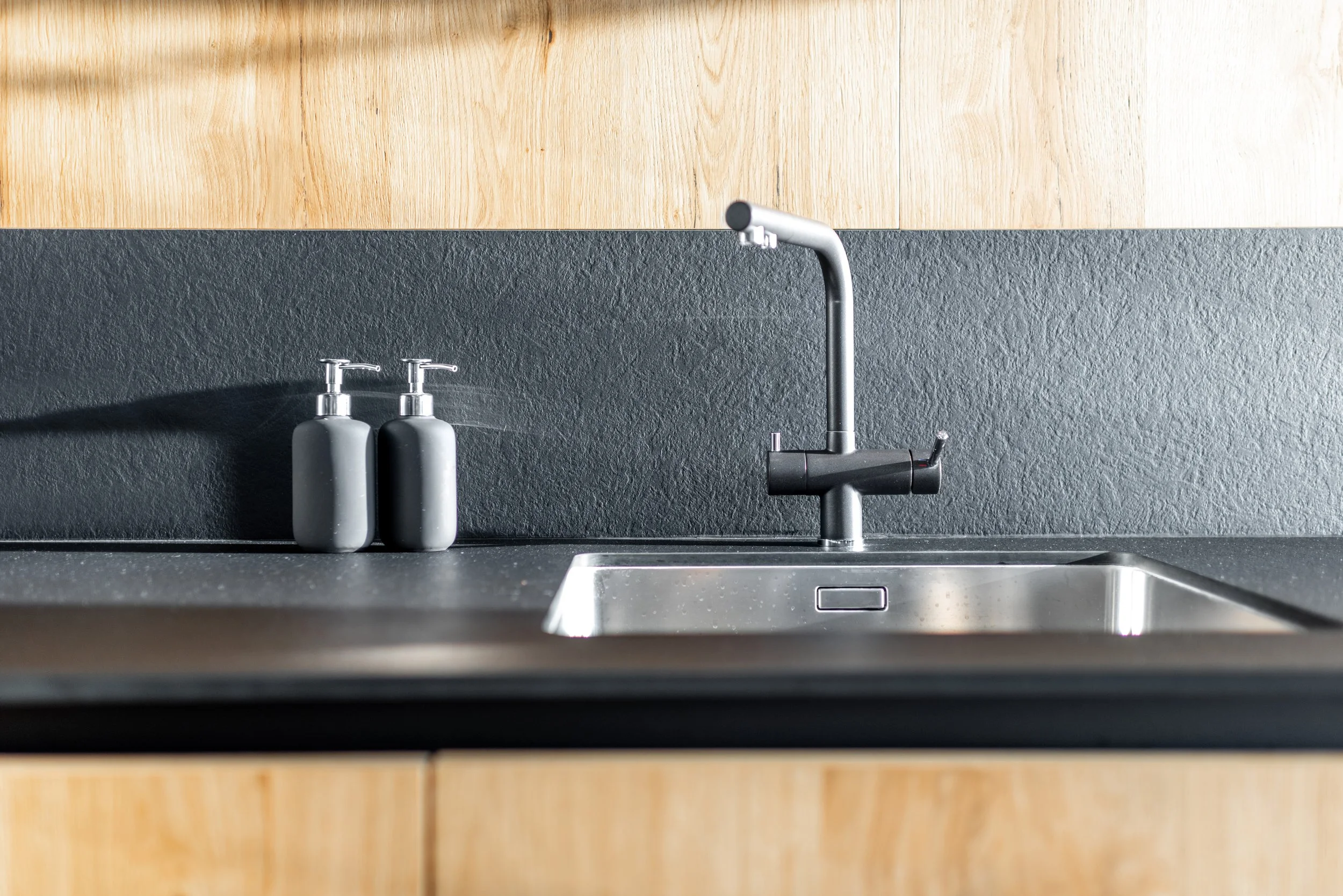
How To Replace Your Kitchen Faucet
Whether your kitchen is undergoing a major renovation or you just have a fixture that is outdated and not working properly, replacing your kitchen faucet is one of the most popular DIY projects. However, while it can be a relatively easy job, it can also have its share of difficulties. If you are preparing to replace your kitchen faucet, here's how to do it with as few problems as possible.
Whether your kitchen is undergoing a major renovation or you just have a fixture that is outdated and not working properly, replacing your kitchen faucet is one of the most popular DIY projects. However, while it can be a relatively easy job, it can also have its share of difficulties. If you are preparing to replace your kitchen faucet, here's how to do it with as few problems as possible.
Choose Your Replacement Faucet
If you want your replacement job to go smoothly, choose a replacement faucet that is exactly like your current faucet, or at least as close as possible. By doing so, your replacement simply becomes a matter of seeing how your current faucet is connected and doing what's already been done.
Shut Off the Water Valves
After choosing your replacement faucet, shut off the water valves underneath the sink. If they are stuck or rusted, you can use the heat from a hair dryer to loosen them or spray some WD-40 on them to get them loose. If for any reason all your efforts to get the valves loose don't work or you have a water line that begins to leak, don't hesitate to call in professional plumbers to finish the job.
Remove the Old Faucet
Assuming all has gone well and your kitchen is not flooded, it's time to remove the old faucet. This can be done by loosening the bolts that hold the faucet in place, which can be found underneath the sink. But like the water valves, the bolts can also be rusted or stuck, so be prepared to have an adjustable wrench to work them loose.
Place the New Faucet on the Sink
After removing the old faucet, place the new faucet on the sink into the holes where your old faucet was located. If you are using a new faucet that is not designed for a three-hole sink, you will need to install an escutcheon plate over the extra holes and make sure it is watertight. Once everything is in place, tighten the nuts and bolts until it is secure.
Reconnect the Water Supply
Finally, reconnect the water supply to the faucet and turn it on to see if everything works as expected. Since there may be some initial leaks, turn on the water gently. Once you're satisfied with your work, tighten the connections a final time and apply some caulking around the faucet's edges.
Should You Hire A Pro?
In most cases, people should hire a professional plumber instead of doing it themselves. In addition to the likelihood of breaking something and the challenges of fitting new faucets to your current system, plumbers will also take care of cleaning up after everything is done. That way you don’t have to worry about disposing of your old faucet or cleaning up any water that got around the area.
Once you conquer this DIY project and all goes well, you may be on your way to doing a few more projects around the house.

