

A resource for those seeking information on organizing and transforming spaces.

The Many Ways We Waste Water At Home
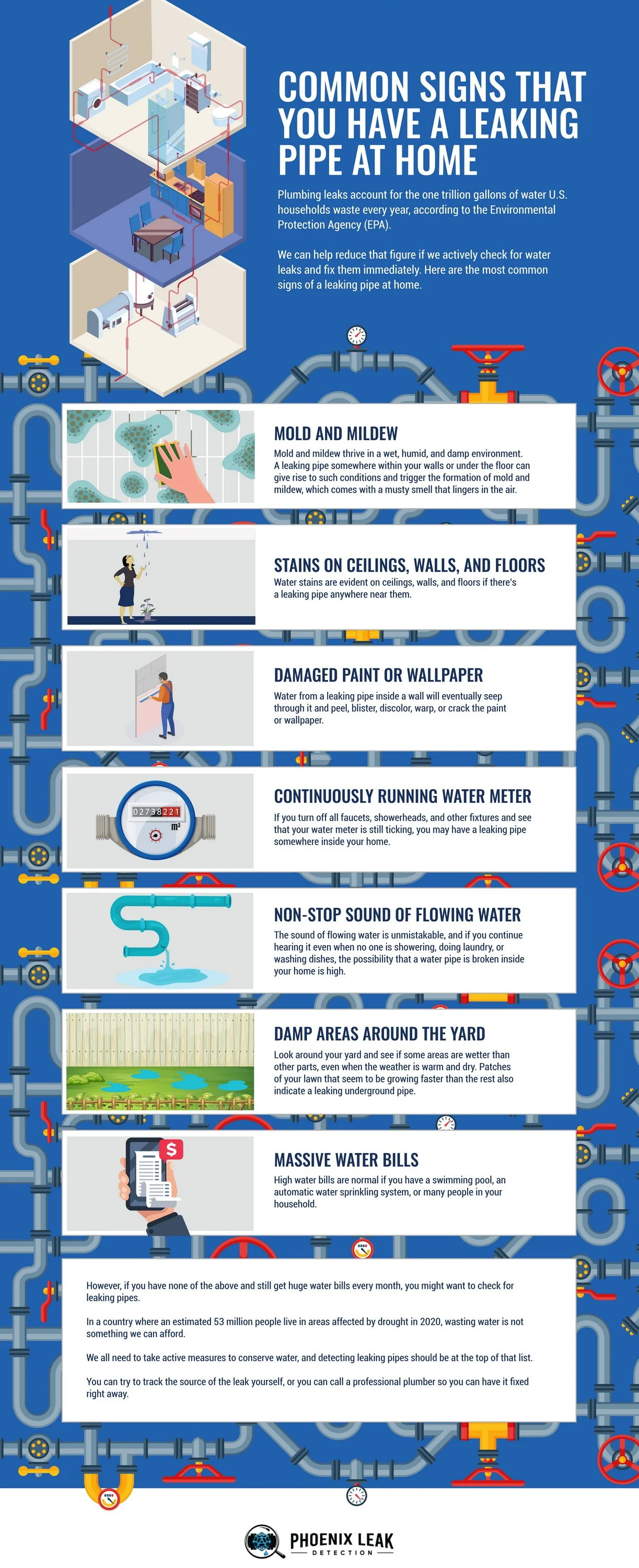
The EPA says household plumbing leaks waste one trillion gallons of water every year.
Few things feel as good as spending some time under a hot shower.
Unfortunately, showering for as long as we like is one of the top ways we use—and waste—water at home.
According to the Environmental Protection Agency (EPA), an average family uses close to 40 gallons per day for showers. That translates to 1.2 trillion gallons of water used by Americans annually just for showering, a staggering figure by any standard.
Sadly, water wastage at home doesn’t just happen when we take a shower.
Many people have this habit of letting the water run when brushing their teeth or shaving when they could easily turn the faucet off to conserve water.
Others overfill their bathtubs when they could simply fill them with the right amount of water for their bathing needs.
We also waste water when we run dishwashers and washing machines for less than full loads. Keep in mind that both appliances use the same amount of water whether you’re washing a full load or a single plate, or a pair of shorts.
However, the worst way we’re wasting water at home is something that happens without our knowledge.
The EPA says household plumbing leaks waste one trillion gallons of water every year.
If you think you’re wasting water this way, you need to do some leak detection work to stem the bleeding. Check out the infographic below to know the signs that you have a plumbing leak at home.
The 7 Step Guide to Winterizing Your Lawn
As the forefront of the home, a lawn can go through a lot during seasonal changes. Avoid the winter blues with this seven-step guide to prep the landscape.

With the foliage transforming from vibrant green to fiery orange and yellow, it’s safe to say that fall is in full effect. As the seasons go through their routine changes, those changes can transform the look of your lawn. Some of those shifts can be for the better, some for the worse.
Once the temperatures drop, you’ll notice how, just like the leaves, your lawn begins to transform. A lush landscape is prone to drying and wilting with shifts in air quality and inclement weather during the cooler seasons. But the good news is that this seven-step guide to winterizing your lawn can help lessen the damage come springtime.
Test pH Levels
Before the prep work, test the levels of the soil in your garden and lawn. Neutral pH levels indicate a healthy area that may remain abundant over time. If your levels are slightly off, you can add lime products to treat acidic patches or sulfur treatments to handle alkaline spots.
Clean Things Up
Starting off the winterizing process by performing routine maintenance on your landscape means removing unsightly weeds, caring for trees and shrubbery, and cutting the grass down to a workable level.
Apply Fertilizer
Prioritize using a specific fertilizer for winterizing lawns, as these formulas contain a higher potassium content. Winter fertilizer will also strengthen plants under stress by supplying additional nutrients.
Let the Lawn Breathe
Aerating the lawn will allow water, air, and other beneficial nutrients to seep down to the roots. One of the easiest ways to do this is through the use of spike aerators. These “sandals” will poke holes into the soil of high-traffic landscapes.
Dispense Grass Seed
Next, apply the grass seed of your choice onto your prepped lawn. The optimal time to foster new grass growth is during the day when the temperature is a comfortable 65 degrees Fahrenheit.
Cover the Plant Beds
Insulate flower beds during the cooler seasons by adding mulch onto topsoil. You can also repot smaller plants and bring them indoors to help them survive.
Remove Additional Debris and Branches
Removing leaves and branches isn’t the most entertaining task, but it’s vital to your lawn’s health. Did you know that raking can remove the layer of dead grass that affects the landscape?
Get in the Winter Mindset
Lastly, go over all of your hard work to ensure that you didn’t miss anything. You’ll want to put all of your outdoor features to bed before settling indoors for the season.
This seven-step guide to winterizing your lawn prepares it for the harsher seasons to shield your landscape during weather shifts. They say the best time to treat the terrace is during the fall, so it won’t hurt to get started.

Home Decorating Trends That Are Making a Comeback
Everything excellent comes back into vogue at some point, so if you missed these furniture and décor ideas the first time around, here is your opportunity.
Everything excellent comes back into vogue at some point, so if you missed these furniture and décor ideas the first time around, here is your opportunity.
Every generation thinks of itself as the master of fads that they believe are unique and novel, but are actually reincarnations of what their parents enjoyed as teenagers. It occurs all the time in fashion design, and because we all shop for and buy new items on a regular basis, we all have a pretty clear notion when a style is making a comeback.
Turns out, this trend-cycling phenomenon also occurs in the worlds of home décor and interior design, but it's less evident, and the trends tend to last longer than they do in the fashion world. Take, for example, mid-century modern design.
With environmental issues becoming a hot subject in the media these days, demand for sustainable furniture and design is on the rise. Promoting responsible environmental behavior within the house has progressed beyond discussions of chemicals and food, and also includes items, materials, and paintings. While the industry investigates new manufacturing processes and encourages recycling, the Millennial generation's rising interest in antique furniture and décor is paving the way.
It's been gaining in popularity for at least ten years, and it's now grown so common that it's effectively set the standard for modern design. While parts of mid-century design may be far from being obsolete in the eyes of the general public, the design community is ready to move on. But, by moving on, we mean returning to a bygone era—after all, everything wonderful comes full circle, right? The following trends are primed to make a comeback, so now is their chance to shine.
Here's how to make each one work in your house.
Art Deco Furniture
Because mid-century modern's clean lines and minimalist approach to furniture design and décor were originally a direct response to the art deco movement that came before it, it seems logical that revivals of these two styles would follow one another, even if the sequence has shifted. Art deco is known for its decoration, which includes geometric patterns, symmetry, and old-school glitz. Shell-shaped velvet accent chairs and chaises, as well as wood items embellished with Greek key, triangular, or zig-zag designs, are making a comeback in this Gatsby-era style.
Bamboo, rattan, and wicker
If you ask any porch-dwelling Southerner, wicker and rattan have never gone out of style, but in their natural wood color, combined with bamboo, they're making a comeback, harkening back to the Tiki days of the 1960s and 1970s. Rattan, wicker, and bamboo are weaving their way into bar stools, headboards, and storage pieces like chests or side tables, all of which add a little coastal-casual charm, thanks to the overall boho aesthetic that's popular these days, but in more traditional spaces, rattan, wicker, and bamboo are weaving their way into bar stools, headboards, and storage pieces like chests or side tables, all of which add a little coastal-casual charm.
Appliances from the past
Stainless steel appliances have been the hallmark of a high-end, renovated kitchen for numerous years—the sleeker and more contemporary, the better. Retro appliance designs are making a comeback, whether it's a bright 1950s-era refrigerator or a recreation of an ancient wood-burning stove. Retro appliances may be a fun, quirky addition to your kitchen, or a magnificent feature that adds beauty and historic value to your house like any heritage item, thanks to current technology.
Hues from the 1970s
We're all ready for a little color after years of white and gray environments dominating Pinterest and home design magazines alike. Some of the colors that are dominating the 2019 landscape come straight out of your living room from the 1970s. Avocado green, orange, tans and browns, and mustard yellow, the most popular of them. In hindsight, we should avoid going all-in with the entire 1970s palette, but the earthy tones are lovely complements to neutrals or even pastels.
Accents in Chrome
If you haven't picked up on it yet, many of these new home décor trends are a reaction to an overabundance of another hot trend at the moment. The following is an excellent example: For some years, brass has been the metal of choice, appearing in everything from lamp fixtures to cabinet hardware to chair legs. However, too much of a good thing may tire people out, so instead of gleaming gold, we'll be seeing gleaming silver, a.k.a. chrome. Chrome furniture and décor can harken back to the 1950s or to the art deco era, when chrome and steel were the dominant metals in furniture design.
Patterns in Geometry
The Ancient Greeks and Moroccans both employed dramatic geometric patterns in their architectural and interior designs, and as this design style advanced, the 1900s saw angular structures and patterns in many shapes. Such designs are also associated with the Art Deco era, which began in the 1920s and is said to have originated in Paris following World War I. Sleeker, bolder, curved or geometric lines replaced the swirls and floral motifs of Art Nouveau here. Right now, the design is huge, combining classic strong aesthetics with a sharpness that seems both fun and elegant.
Brutalist Style
Brutalist architecture dates from just after World War II. The term "brutalism" comes from the French word "raw," and it refers to the use of raw materials such as concrete and steel in housing and government structures. By the 1970s, brutalist design had made its way into the house, with industrial metallics and furniture emulating concrete's rough surface. It now provides as a counterpoint to Mid-Century Modern, with an unfinished aspect.

Guest Post - Making Your Rental Apartment Feel Like Home With These Tips
Renting an apartment is exciting, but it comes with drawbacks. Because you don’t own your apartment, it can’t give you the same feeling of home as a house can. Luckily, there are ways to solve this issue. You can easily make your apartment feel like home with a few tips. Here’s how.
Renting an apartment is exciting, but it comes with drawbacks. Because you don’t own your apartment, it can’t give you the same feeling of home as a house can. Luckily, there are ways to solve this issue. You can easily make your apartment feel like home with a few tips. Here’s how.
Clear Clutter
If you’ve recently had to downsize and don’t have enough space for all your stuff, consider storing it in a storage container nearby. For example, if you have a few too many sofas and don’t feel like staying in your apartment for long, you can put your additional furniture in storage so it doesn’t take up space. When you eventually move to a larger home, you can get your couch out of storage and not have to go shopping for a new one.
Get Plants

Plants liven up any space, which is why many people have small plants in their offices. Not only do flowers and plants look good, but they help clean the air and remove toxins. Plants are most common in living rooms, but you don’t have to limit yourself. Many plants thrive in humidity, so you can even find an adorable plant for your bathroom.
Any plant will look good with a simple pot, but you can add a pop of color to your home by buying a pot with different styles and textures.
Consider Your Textiles
Textiles are the easiest way to make a space feel like yours. By putting cushions and throws in the living space, you can make the vibe of your apartment more comfortable and homey. Cushions and blankets are another great way to add color to your space so you can add a dash of your personality to your new home.
Hang Art
Most apartment management companies will not allow you to put holes in your walls. If you do put holes in the walls, you can expect to forfeit some of your security deposit when you move out. Luckily, you can still decorate your walls without damaging them. Grab your favorite wall art and a few command strips. Command strips are designed to not damage paint or wallpaper so you can hang almost anything in your apartment without adding holes.
Command strips are available in a variety of sizes and different weights they can hold. If you have a heavy picture frame, consider getting a more heavy-duty command strip.
Add Your Own Lighting
Your apartment will already be fitted with some lighting, especially in the bathroom and kitchen. When it comes to your living room and bedroom, you’ll need to bring in your lamps. Consider adding a variety of lamps around your apartment, including floor lamps, table lamps, and even lighting.
You can even embrace the natural lighting in your home by strategically placing mirrors across from windows to brighten any room without using electricity. If you want to embrace smart technology, consider setting your lights on a timer or get a lamp you can turn on with an app so you’re never walking into a dark apartment again.
Accessorize
Small touches turn a bland apartment into your home. Instead of throwing books wherever you have room, try putting up a bookcase in your bedroom, living room, or second bedroom. You can also add soft furnishings around the apartment, such as rugs, to make it even more inviting.
Find Better Storage
Most apartments aren’t equipped with tons of storage solutions, which can lead to clutter. Instead of throwing your clothes in a small closet, visit your local hardware store and look for storage containers you can put under the bed or in the closet.
Use Curtains
If your apartment manager doesn’t allow you to take your blinds down, consider putting curtains over them so your home will look like yours from the inside. Adding curtains also block out light so you can get better sleep, which can help if you live in a city that never sleeps.
You can choose curtains based on your preferences and needs. For example, thick curtains can help insulate your apartment and keep your electricity bill down in the winter so you can stay warm without turning up the thermostat.
Try Modular Furniture
Bulky furniture will dominate your living room and make it feel cramped. Instead of chunky furniture, consider getting modular furniture you can move around and adjust based on your space. For example, instead of buying one large table, consider getting three smaller tables. You can store anything you don’t have space for.
Paint the Walls
If your lease agreement allows you to paint the walls, consider painting one wall a different color from the rest to make it a feature of your home. If you can’t paint the walls, you can purchase peel-and-stick wallpaper that won’t damage paint so you can still avoid boring white walls that make you feel trapped.
Texturize
By adding texture to your apartment, you can make it feel more comfortable and warm. For example, purchase throws with different materials and textures. Your blankets will also give you options to keep you warm during the winter months.
For flooring, try to put different rugs around your home. Apartment carpet is not known to be the softest, most plush, but you can make your feet a little bit more comfortable by adding a fluffy rug around your bed and furniture.
Get a Pet
If you’re allowed to have pets, get a dog or cat to make your apartment feel like home. If you don’t have a roommate or someone to live with, having a pet can give you something to come home to that makes you happy. After all, there’s nothing better than seeing a wagging tail when you walk through the door.
Making Your Apartment Feel Like Home
Your apartment may not be as large or as pretty as you want it to be, but there are changes you can make to have your space healthier, larger, brighter, and homier. Consider how you want your home to look and make it happen. You don’t have to be an interior designer to design your apartment like a pro.
Marné Amoguis
Marné Amoguis holds a B.A. in International Business from UC San Diego. She is a contributing writer at 365businesstips.com where she loves sharing her passion for digital marketing. Outside of writing, she loves traveling, playing music, and hiking.

