

A resource for those seeking information on organizing and transforming spaces.
What to Do When the Lights Go Out: 4 Ways to Handle Losing Electricity
When your home loses electrical power, your first instinct might be to panic. Whether you’re in the middle of trying to work or watching your favorite TV show, losing power can be frustrating, but it doesn’t have to be a long-lasting problem. Instead of losing your cool, you should take quick measures and investigate the possible cause of your power outage to try to get your electricity restored sooner.
When your home loses electrical power, your first instinct might be to panic. Whether you’re in the middle of trying to work or watching your favorite TV show, losing power can be frustrating, but it doesn’t have to be a long-lasting problem. Instead of losing your cool, you should take quick measures and investigate the possible cause of your power outage to try to get your electricity restored sooner.
Use Any Available Light Sources
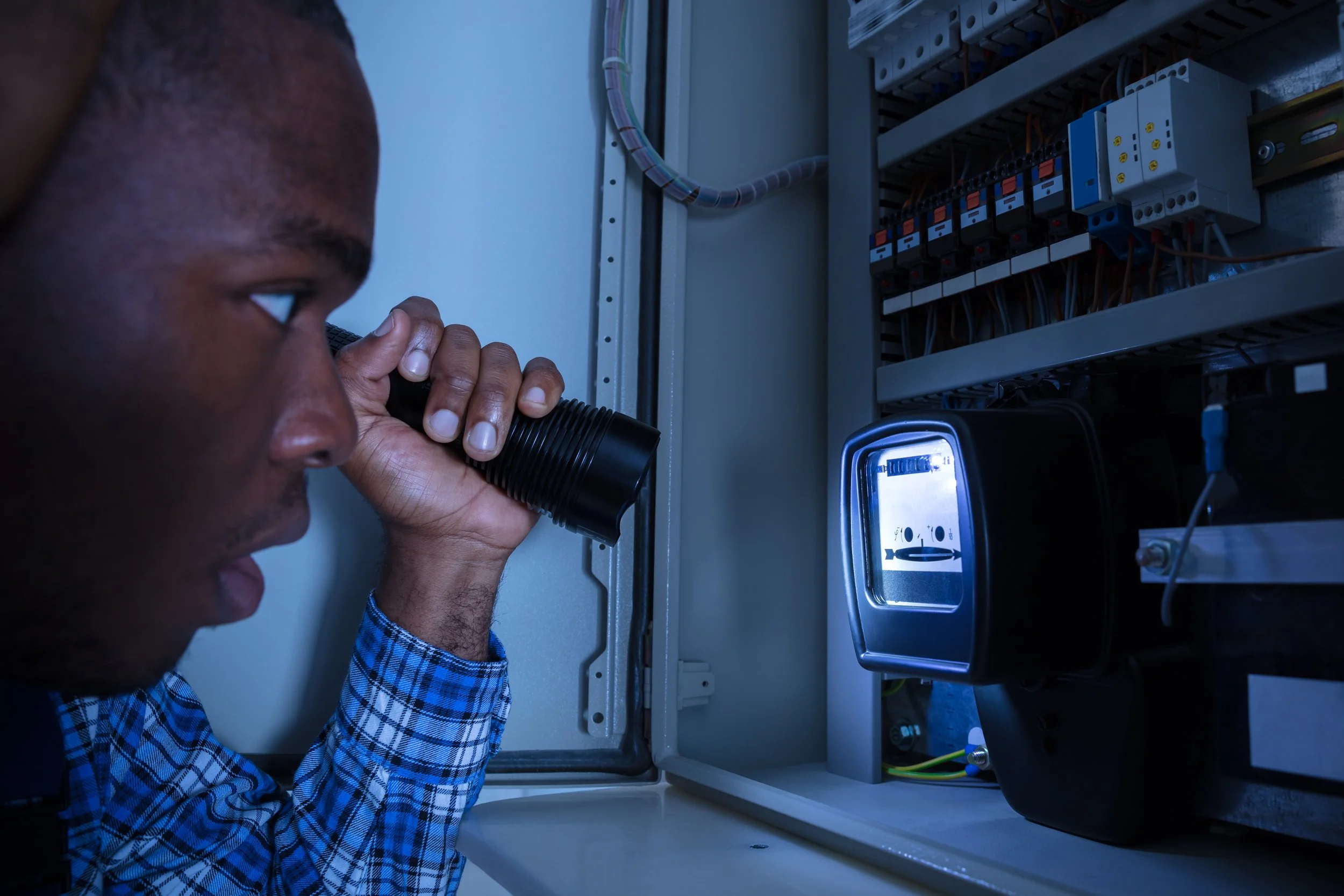
One of the first things you should, do no matter where you are, is find a light source of some kind. Having a way to see means that you keep yourself from being stuck totally in the dark, potentially tripping and falling or posing some other kind of danger. You should have easy access to flashlights and know where these devices are stored beforehand so that you can use them to provide some light. Failing that, your mobile phone also likely has a flashlight feature that can be used.
Check the Fuse Box
Your power outage may be the result of a blown fuse, and restoring your electricity may be as simple as flipping a switch inside the fuse box. A blown fuse is often the result of an electrical overload that usually results from people using too many power sources in a building at the same time. With the use of a flashlight or another lighting device, check to see if any of your switches in the fuse box are switched to an off position and flip them if necessary.
Contact a Professional
If you suspect that your power outage is the result of an electrical problem not easily fixed, a contractor who’s qualified to provide electrical services may need to be hired to determine the exact cause. Whether the outage was caused by a wiring problem or another system component that’s damaged or past its prime, the electrical contractor should be able to implement a solution that restores your power.
Look Online for Local Power Outage Information
It’s also advisable to check online if you can still access the internet with your mobile phone to see if there are any widespread power outages that have been reported in your area. Your utility service provider may post this information on their website along with details of when the power is expected to be restored. Local news websites may also have this information.
You can get through your ordeal of losing power better if you manage the problem with an orderly mindset. Whether or not you can solve the problem yourself or need help from a professional, it is possible to get the power back on and get things back to normal. You just have to be patient and prepared.

How to Style a Gallery Wall in Your House
Gallery walls continue to lead as a trendy way to decorate the walls of your home without having to paint or pick out wallpaper. While it might look like an effortless process, there's usually a lot of thought and consideration that goes into making a wall look good. In order to make sure your gallery wall looks up to par, consider some of these styling tips.
Gallery walls continue to lead as a trendy way to decorate the walls of your home without having to paint or pick out wallpaper. While it might look like an effortless process, there's usually a lot of thought and consideration that goes into making a wall look good. In order to make sure your gallery wall looks up to par, consider some of these styling tips.
Measure Everything First
Even though it might seem like a tedious step you can skip, do not skip the measuring step. Whether you use a simple measuring tape or find a measuring app for your phone, there's no excuse to not know the dimensions you’re working with. Having an accurate idea of how big your wall is and the sizes of your pieces can make placement a lot easier. Factor in the same amount of space in between each piece of artwork. It's also good to set the pieces in front of the wall in order to get an exact rendering of what the wall will look like.
Include Framed and Unframed Accessories
Framed photos are necessary when you're creating a gallery wall. If you want to take it to the next level, get custom framing for your artwork so that you have exactly what you want while also making your wall even more unique. Frames provide uniformity, and when everything looks uniform you’re left with a more polished appearance. However, for a bit of extra flair in the style department, consider adding a few unframed pieces. You might opt to hang a decorative sconce, a sculpture, or a plant on a shelf among your artwork. There are plenty of ways to add unique decorative pieces that aren't just artwork.
Create the Right Color Scheme
An incredible color scheme grounds the look of the wall. It should also complement the room it's hanging in. Take a look at the color wheel in order to get a better idea of the colors that complement each other in order to build the perfect look. Even if your color scheme is fall colors, adding a pop of sky blue can provide an unexpectedly pleasant appeal that can tie everything together.
Do Trial Runs
Before you drill holes in the wall and screw nails in place, do a trial run with removable wall-friendly tape. Set all the pieces on the ground in the ideal order you'd want them. If it looks good, hang them. If not, rearrange them until they look the way you want them to.
Just like any other decorating project, it's important to take your time in creating the perfect solution. Don't rush the process by looking for a ton of art pieces to put together. It's great and extremely special when you can hang cohesive pieces that mean a lot to you. It's also okay to change your mind if you've found a better piece that you'd like to hang in another's place. Whatever speaks to you most is what you should go with as you curate the perfect gallery wall.

How To Maximize Your Self-Storage Space
If you are like many people and somehow wind up with more stuff than you know what to do with, you have probably chosen to rent a self-storage unit to store your excess belongings. However, unless you have a plan for how you will maximize your space at the storage facility, you may still find yourself not having enough room for your golf clubs, furniture, clothes, and other things you want to put away for a while. To make the best use of the additional space you now have, keep these tips in mind as you start filling up your storage unit.
If you are like many people and somehow wind up with more stuff than you know what to do with, you have probably chosen to rent a self-storage unit to store your excess belongings. However, unless you have a plan for how you will maximize your space at the storage facility, you may still find yourself not having enough room for your golf clubs, furniture, clothes, and other things you want to put away for a while. To make the best use of the additional space you now have, keep these tips in mind as you start filling up your storage unit.
Line the Walls
If you want to ensure you get the absolute best use of the space afforded you at your storage unit, use an "outside to inside" strategy and begin the process by lining your unit's walls with certain items. Often, it works well to place larger items along the walls, then add smaller and smaller items as you go. However, remember to leave an aisle or two here and there so that you can maneuver around your unit easily since this will let you get to your things without falling or knocking down a bunch of stuff.
Store Items Vertically
Should you be storing large items such as sofas, beds, or other types of furniture, don't set them inside your self storage unit as if you are setting up housekeeping at your home. Instead, consider storing them vertically. This not only saves lots of space but also makes it easier to remove these items when the time comes.
Add Some Shelving
If you have lots of small items that need to be stored away, add some shelving to your storage unit. Since all you will need is some basic metal shelves, the extra expense won't bust your budget. Once you get the shelves set up inside your unit, you'll be taking up less floor space while also keeping plenty of boxes off the floor.
Disassemble Tables and Furniture
When you have a kitchen table to be stored, it's always a good idea to not only take out the middle section to make it more compact but to also take off the table legs if possible. This can also work for sofas and other furniture since it will make them much easier to store vertically.
By implementing these tips into your storage unit, you will have a well-organized storage unit that lets you lay your hands on whatever you need quickly and easily.

What You Can Do to Minimize Your Home Repair Costs After a Flood
Residential floods can happen for a variety of reasons. You might have been unfortunate enough to get hit by a major weather event, or a pipe might’ve burst at the worst possible time. Once water enters your home, time is of the essence for minimizing the financial costs that you’ll face for the repairs. Taking these steps will help you to keep repair costs lower as you work on restoring your home.

Residential floods can happen for a variety of reasons. You might have been unfortunate enough to get hit by a major weather event, or a pipe might’ve burst at the worst possible time. Once water enters your home, time is of the essence for minimizing the financial costs that you’ll face for the repairs. Taking these steps will help you to keep repair costs lower as you work on restoring your home.
Take Action If a Flood Seems Imminent
Many floods are unexpected events, but you might have at least a little warning before one occurs. If so, then do what you can to waterproof your belongings. You might be able to get furniture and other items off the floor. Or, you might be able to wrap artwork or remove delicate items from your home. If you notice a major water leak in your house, then shutting off the water could also prevent the damage from becoming more extensive.
Prevent the Water From Causing Structural Damage
Floods are right up there next to home fires when it comes to disasters that can cause a large amount of damage in a short period of time. A burst pipe can release hundreds of gallons of water quickly, and weather events could affect the majority of your house. Water damage restoration involves removing all of the water and using special treatments to prevent mold growth. Making sure that all of the moisture gets out of the building materials means that you might be able to avoid having to do a major remodel.
Assess the Area After It Dries Out
Your first thought might be to immediately start pulling up carpet and tearing out drywall. However, this might not be necessary if you were able to clean the area fast enough. Once the water removal is complete, do a thorough check of each part of your house that was reached by the flooding. You may find that a large part of the flooring and walls is still salvageable so that you don’t have to pay for major repairs.
Reach Out to Your Insurance Company
Depending upon your insurance policy, you might be able to get at least a portion of the water damage repairs covered. If your policy includes flood damage, then make sure to follow your insurance company’s recommendations for filing a claim. Taking pictures to document the damage could be helpful for helping you to recover some of the cost of the repairs.
Dealing with a flood can leave you feeling overwhelmed, but this is not a time to panic. Instead, take a step-by-step approach that helps you to stop further damage from occurring. Making sure that every drop of water is removed and that you identify the real repair needs helps you to only have to cover the cost of damage that you couldn’t prevent from happening.

