

A resource for those seeking information on organizing and transforming spaces.

5 Tips To Become a Master of House Flipping
With the advent of HGTV, house flipping became an updated trend, with television personalities magically renovating a home in a mere hour. But house flipping is a real thing and can be very profitable if you know what you’re doing.
With the advent of HGTV, house flipping became an updated trend, with television personalities magically renovating a home in a mere hour. But house flipping is a real thing and can be very profitable if you know what you’re doing.
Strategic Planning and a Little Hard Work
Home flipping is a type of investment vehicle where buyers purchase a piece of real estate not to live in but to generate income in the flip. Most investors have a strong appreciation for the fact that it looks nothing like television and takes hard work, time, and money. But if you are willing to apply some strategic steps, you may find that house flipping is a fun and profitable form of investment.
#1 The 70% Rule
Rule number one: never pay too much for the home to begin with. A standard rule of thumb for home flippers is the 70% rule. An investor should never pay more than 70% of the after repair value, or ARV, minus the cost of repairs. This means that for a house with an ARV of $250,000 that needs $50,000 of repairs or upgrades, the investor shouldn’t pay more than $125,000, ie. $250,000 X 0.70 = 175,000 - $50,000 = $125,000.
In addition, the cost of holding the property must also be considered. Each day that passes costs the investor money since, as owners, they are responsible for any taxes, insurance, utilities, and mortgage payments on the property.
#2 Investing Sweat Equity
Those who are professional carpenters, electricians, and plumbers can be particularly adept at flipping homes. But you don’t have to be a professional builder or skilled professional to be successful at flipping homes. You should have the knowledge and skill to invest some sweat equity, or be prepared to take less in profit by contracting the work out.
If you are handy enough to do most of the installations and renovations yourself, you may find that house flipping is something that you enjoy and provides you with a profitable income.
#3 Having the Time
Home flipping can be a time-consuming enterprise. While the strategy is always to buy low and sell high like any other form of investment, home flipping relies on creating added value as quickly as possible, limiting the amount of financial exposure.
Finding the right piece of property takes time, and then once the home is purchased, it requires the time to repair and renovate it. While that can be fine for someone who doesn’t work a full-time job, if you do, it can eat away at your weekends and evenings. Having enough time to devote to fixing up the home is essential.
#4 Knowing the Market and the Neighborhood
Before you purchase a house to flip, you should fully appreciate and understand the market and the neighborhood you are considering. While there is a good deal of gentrification going on today, there can be a real learning curve when trying to time an up-and-coming neighborhood, one that has already priced you out, or one that will not be attractive for a good long while, if ever.
Real estate investors classify neighborhoods from A to D. The better deal you get in the better neighborhood, the greater your likelihood of profit may be. In contrast, property in a D neighborhood, even if you have beautifully upgraded the home, can languish on the market for a very long time.
#5 Securing Adequate Financing
Investors never want to use their own money for house flipping, if possible. But it can be challenging to secure financing for homes that are being used as an investment.
Conventional lenders will usually not consider these types of homes for mortgages. If you have significant equity in your primary home, you can look to a cash-out refinance or home equity line of credit. These both use your primary home as collateral. There are other alternative lending options out there that may be better suited to finance a home flip, however. Speaking with a skilled mortgage professional to understand your financing options is important before embarking on any house flipping enterprise.
Your Winter Home Maintenance Checklist
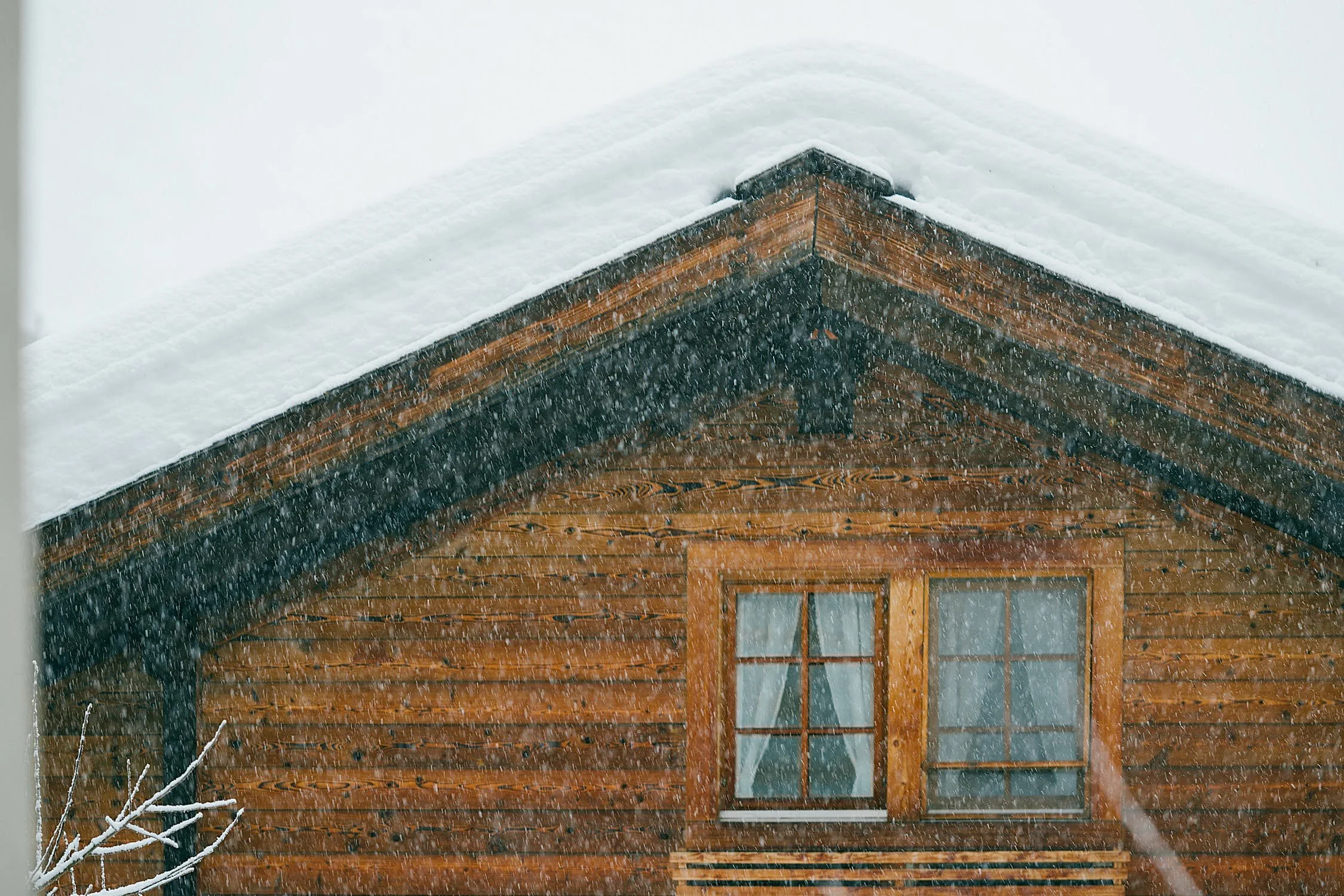
As we all say goodbye to the warm summer weather, it's time to start thinking about preparing for the winter season. As a homeowner, this means lots of home maintenance tasks that ensure your home and family make it comfortably through the long winter months.
As we all say goodbye to the warm summer weather, it's time to start thinking about preparing for the winter season. As a homeowner, this means lots of home maintenance tasks that ensure your home and family make it comfortably through the long winter months.
Trim Trees
The winter weather can bring a lot of snow from time to time. Snow can be extremely heavy and cause any healthy tree branch to snap under its pressure. For this reason, it's highly advisable that you take the time to assess the trees near your home. Cut any branches that overhang your home, car, or any walkways.
Clean Out Your Gutters
Now is the time to pull out your ladder and start cleaning out those gutters. You want to remove any built-up debris like leaves that can clog your gutters. You need your gutters to be completely free of debris. This way, when the snow melts on your roof, it can drip down into your gutters and away from your home.
Get Your Heating System Serviced
In the fall season, it's best to call in a professional to take care of servicing your heating system. This preventative maintenance is a great way to reduce your risk of having to call for a furnace repair service in the middle of the winter months. It also helps to enhance the quality of your indoor air and keeps your system warranty active.
Change Batteries in Smoke Detectors
Now is the perfect time to swap out those old batteries in your smoke detectors with fresh ones. If you have carbon monoxide detectors, you'll want to replace those batteries as well. This helps to ensure that these alarm systems are in good condition so that they can alert your family if there is a fire or a dangerous level of harmful gases in your home.
Get Your Snow Gear Out
While the weather is still fairly decent to move around, it's time to pull out your snow gear. This means cleaning out your garage and finding your snow shovels. If you have kids, it's time to find their sleds and snow gear before winter hits. Make sure that you stock up on salt so that you're ready in the event that the weather turns icy.
Winter home maintenance is a necessity for every homeowner. You want to prepare your home for successfully making it through another winter season. By following the maintenance tasks that we described above, your family and your home should have a great winter season.

Easy Ways To Rejuvenate Your Home With Feng Shui
To create a positive and relaxing atmosphere in your home, you’ll need to use feng shui. Read below to learn some ways to rejuvenate your home with feng shui.

Creating a pleasant home is about more than adding a couple of pretty decorations here and there. To create a calming and positive atmosphere, you’ll need to use feng shui. Feng shui is an ancient Chinese practice that creates balance, harmony, and positive energy within a home. So how do you use feng shui? Read below to learn some easy ways to rejuvenate your home with feng shui.
Dispose of Clutter
A cluttered home isn’t the most pleasant environment. However, a clean and organized home creates a sense of harmony and relaxation. Clean every part of your home, including the junk drawer, attic, garage, or other spaces that collect clutter easily. To bring positive energy into your life, remember to clean and organize your home.
Create Space and Balance
Creating balance and space is another one of the easy ways to rejuvenate your home with feng shui. When you decorate your home, remember to keep these principles in mind. In fact, a simple way to arrange your furniture is to create balance and space. Your rooms should never look crowded, awkward, or lopsided.
Grow Indoor Plants
Living plants are an excellent way to bring positive energy into your home. They also provide fresh oxygen and reduce airborne contaminants. Leafy plants, flowering plants, and succulents are a few examples of indoor plants that are pretty to look at and easy to maintain.
Use Your Mirrors Wisely
In ancient China, people believed that mirrors could reflect either positive or negative energy depending on their locations. If you have a mirror that reflects something unpleasant, such as a crowded room or a dying plant, it reflects negative energy. However, if you have a mirror that reflects something pleasant, such as a beautiful painting or flowering bush, it reflects positive energy. When you place mirrors around your home, remember to use them wisely to reflect positive energy.

Guest Post - 11 Things First Time Owners Should Consider When Designing a New Home
Here are the top factors and tips that homeowners need to keep in mind when building their first home.
What can be more exciting and daunting than building a new home? The possibilities are endless when you’re starting with a blank slate. You get to create spaces that perfectly match your style, needs, preferences, and lifestyle.
But it can get very overwhelming, especially when you’re faced with a variety of options that seem too good to be true. Plus, it requires a great deal of time, patience, and determination from start to finish—from the design and site preparation to getting permits, managing construction, and all other aspects of the work.
Despite the difficulties, designing and building a dream home can be a very positive and fulfilling experience. The good news is, you don’t have to go through the time-consuming process alone. You can seek the help of architects and other experts who can bring your visions to life and guide you in making the right home building decisions.
Features that Make an Ideal Home
The biggest advantage of designing your dream home is that you get to have full control over every detail and inch of space—from the floor plan and layout to the size and style of the closets and bedrooms, residential exterior glass, safety and security systems, and more.
And since everything about your home is brand new, you get to enjoy all the benefits of a property that comes with less maintenance and massive savings in the long run.
Here are some of the most modern and energy-efficient features you can include in your custom home.
1. Smart technology
Any new home or renovation will not be complete without turning home automation ideas into reality.
From home security and communications systems to built-in entertainment systems, temperature control, and smart lighting options, homeowners can explore a wide range of smart home technology devices. These can bring more control and customization over their properties while saving on energy and expenses.
2. Flexible spaces and bonus rooms
More and more homeowners are looking to make flexibility a key part of their modern homes. This involves the addition of bonus rooms that can easily accommodate changing lifestyles and needs. Bonus rooms can be converted into guest suites, nurseries, at-home gyms, entertainment and media rooms, play areas, and more.
3. Water and energy-efficient appliances
Homeowners are prioritizing home features that empower them to live green, sustainable lifestyles. These can include solar panels, water-saving appliances, low-flow plumbing fixtures, and bamboo flooring.
4. Storage and open floor plans
Today’s modern homes feature personalized built-ins and functional storage options that enhance the property's visual appeal. Examples of these built-in storage solutions and areas are shelving units, extra drawers and cabinets, huge closets, attics, and deep pantries.
Building homes with open floors is a major trend that is here to stay. With open floor plans, homeowners can maximize the square footage, play with the layout, and enjoy multifunctional spaces that add value to their homes.
5. Outdoor living areas
What better way to make the most out of building a new home than to add outdoor living spaces for entertainment and relaxation? Outdoor living areas need not be extravagant. It’s all about choosing the right elements like an outdoor kitchen, firepits, or gardens that will take your home’s overall value to new heights.
Factors (and Tips) to Ponder When Designing a Custom Home
Here are some important aspects and tips you need to keep in mind as you build your new home.
6. Budget and pricing
Determine how much you are willing to spend for your home and figure out how you’re going to pay for the design and construction process. Check out installment buying options that can work best for you and your finances.
Plan your budget well and stick with it. Develop a spending strategy and consider the costs of the land, materials and construction, builder fees, structural essentials, taxes, landscaping, furniture, decorating and furnishing, and other expenses that can pile up.
It’s always best to have a spending limit and prepare a contingency budget for any adjustments and unexpected problems down the road.
7. Location and timeframe
Deciding where to build your property is a crucial first step to bringing your dream home to reality. The piece of land on which you’ll construct your home will affect what you can do with the property, both aesthetically and structurally.
Placement is everything. You’ll have to take note of the topography of the land and all its aspects, including its natural surroundings like trees, fields, and parks, the orientation of the plot, sunlight, the style of other homes in the neighborhood, and zoning and building restrictions.
As a homeowner, you would also want to look for a neighborhood that matches your lifestyle. Consider the area’s privacy and security, access to major roads, and proximity to schools, hospitals, shopping centers, and other amenities that matter most to you.
8. The right builder
Work with the right designers, architects, and home builders who are passionate about your vision for your property. Teaming up with the right people will give you peace of mind and confidence in knowing that you’ll achieve the results you need.
Ask for recommendations from family, friends, and real estate professionals or search online and find out more about the background and portfolios of experienced home builders. Check online reviews about their finished projects and make your decision based on reputation and track record.
A good home builder will pay close attention to your unique needs and requirements, give recommendations and options, and help you navigate all the challenges to get the most out of your investment.
9. Size and layout
When brokers sell a house fast to you, you should already be thinking about what size your home should be. Are you going for a single-story, two-story, or three-story property? How many bedrooms and bathrooms are you planning to include in the layout? Will you need additional rooms for recreation or study, a home office, a home gym, an entertainment area?
You’ll also have to determine the arrangement of specific rooms and spaces because this will influence your home’s traffic flow, privacy, and how the residents and guests will interact inside the property.
Most modern homes feature outdoor and indoor spaces that flow into each other seamlessly. Still, some homeowners prefer the classic feel of individual rooms and areas tucked away in quiet corners. Keeping the layout of your home as simple as possible will help you lower costs. You can always leave open, unfinished spaces in your new home that you can work on in the future.
10. Design, style, and quality
Figuring out the design and style aspects that you want to integrate into your home may be the most fun part of building your custom home. But the myriad of choices can still make the experience nerve-wracking. To narrow down your options, always think about how you can integrate your lifestyle into your humble abode.
Are you leaning towards a modern theme, a more traditional architectural style, or a mix of both? What kinds of materials and accents do you wish to include? These can go anywhere from brick, wood, stone, and stucco to steel and concrete, marble, and the like. You’ll also have to choose your color palette, kitchen appliances, and finishing.
Incorporating green design features that work best with your custom home will boost your property’s energy efficiency and water conservation. Not only will it reduce your property’s carbon footprint, but it will also lower your utility bills and improve your home’s overall resale value. When in doubt, you can always consult with your architect or home builder for expert advice.
11. Home hazards
A critical aspect that often gets overlooked in the custom home design and construction process is safety. With upfront and thorough planning, you and your home builder will be able to avoid the dangers of home hazards and keep residents safe and protected.
Find out if the location of your home is prone to earthquakes, floods, and other natural disasters. If so, ask your builder to employ additional safety measures and consider these factors when choosing the construction materials.
Install fire protection systems and similar safety mechanisms that will allow you to better protect your family and your most valuable possessions. In addition, stay on top of structural elements like plumbing, heating and cooling, and electrical systems, and make sure that these are up to code for your property’s protection.
Build Your Dream Home
Building a home is exciting, but it’s nothing like a walk in the park. Take all the time you need to explore all options and consult with experts who can help you visualize your project and smoothly guide you through the entire home building process.
Don’t be afraid to let your imagination run wild but always be realistic and carefully plan each component of your home. Try to strike a balance between your wants and needs and prioritize all the elements that complement your lifestyle and empower you to stay true to your goals.
Make homebuilding a more memorable and less stressful experience. With the right attitude, mindset, and determination, you’ll be able to reap the rewards of your hard work and dwell in a home that you will love for years to come.
Author: Diana San Diego is the VP of Marketing for SAFTI FIRST with over 15 years of experience in public relations, marketing, and the architectural glazing industry. She enjoys golf, wine, and travelling.

