

A resource for those seeking information on organizing and transforming spaces.

How You Can Avoid Unwanted Fires In Your Home
Your home may be one of your most significant investments. It may be full of memories, and you may still be building other memories. It is, therefore, wise to protect it from any dangers. Not only that, but it would be such a loss when you lose your home and everything inside it from a fire disaster. It has been proven that home fires are also one of the top attributors to fires other than wildfires. When a house fire happens, usually, a smoke damage clean-up crew needs to come and clean up the situation. Although it may be impossible to control your home from ever catching fire, there are things that you can do to reduce such risks. Let’s go over them.
Your home may be one of your most significant investments. It may be full of memories, and you may still be building other memories. It is, therefore, wise to protect it from any dangers. Not only that, but it would be such a loss when you lose your home and everything inside it from a fire disaster. It has been proven that home fires are also one of the top attributors to fires other than wildfires. When a house fire happens, usually, a smoke damage clean-up crew needs to come and clean up the situation. Although it may be impossible to control your home from ever catching fire, there are things that you can do to reduce such risks. Let’s go over them.
Avoid Leaving Open Flames Unattended
You may need to ensure that you are present whenever there is an open flame in your home. Whether you are cooking using your stove or using candles as your lighting source, you should always ensure they are attended to. The stove should first be turned off whenever you leave the said location, such as your kitchen. You also need to ensure that anything that can catch fire easily, such as curtains or blankets, is kept far from the open fire.
Store Your Flammable Items Properly
Flammable items may include your cosmetic products, such as your hairspray or even household cleaners. It would be wise to keep them far from heat. Exposing such items to heat may appear in their combustion. As a result, if you are not around that area, fire can quickly start, and spread pretty fast.
Check On Your Electrical Items Regularly
One of the causes of home fires is electrical fires resulting from electrical faults. There are those times when there may be an excessive flow of electricity on the electrical devices. As such, you may experience a surge in electricity, resulting in a fire to break out. It would be best to use surge protectors for your electronics. The excess electrical flow is eliminated when you have surge proctors in your home.
Regularly Check On Your Heating System and Dryers
Your home’s heating system and dryers need to be regularly cleaned. They often accumulate dust which gets trapped inside their lint. They should, therefore, always have a regular change of the filters. Failure to remove dust from the filter lint may result in a home fire. The reason for this is that dust is quite combustible, especially when exposed to lots of heat. You may need to hire professionals to regularly check and maintain these systems to be sure of their efficiency in performance.
In conclusion, it is no doubt that home fires can be disastrous. You don't only risk losing your items but may also be a risk to your life, especially if you are in the house during the fire breakout. Therefore, finding ways of reducing such risks is paramount.

Ways To Add a Vintage Touch to Your Bathroom
Do you love vintage clothing and the aesthetic as a whole? Try incorporating this style into your interior design at home, starting with the bathroom.
Do you love the aesthetic of vintage clothing and wish you could bring this style into your home? Believe it or not, a great place to start is by transforming your bathroom. Discover a few easy and creative ways to add a vintage touch to your bathroom.
The Classic Claw-Foot Tub
When you hear the phrase “vintage bathroom,” what image comes immediately? For many people, it might be the image of a beautiful claw-foot tub. You can scour your local thrift stores and flea markets to find an authentic vintage piece, or you can opt for a modern take on the classic claw-foot bath. You might be surprised to learn that modern claw-foot baths are available almost everywhere, and you can find many online.
Repurposing Old Mirrors
If you decide to go after a genuine antique claw-foot bath, pick up a few old mirrors at your local antique shop as well. These mirrors often feature decorative frames, making them a great art piece. Or, with a little white vinegar and some elbow grease, you can clear up that foggy old mirror and repurpose it into your new bathroom mirror.
Swap Out Your Finishes
Consider updating the finishes on your exposed bathroom fixtures to something with more character. If your pipes are chrome or gold now, consider “downgrading” to a more classic-looking brass. Brass comes in various finishes, so you can choose to keep it looking shiny and new or distressed and antique. Remember to match your new claw-foot tub. And note that real brass tarnishes over time, but the cleaning steps to help your brass fixtures last are simple.
These small changes can bring your whole bathroom together in a cohesive style. You could even implement these tips throughout the rest of your home, too, by finding more mirrors and adding more brass accents. Once you’ve tried these ways to add a vintage touch to your bathroom, you can set your sights on the rest of your home.

5 Tips To Become a Master of House Flipping
With the advent of HGTV, house flipping became an updated trend, with television personalities magically renovating a home in a mere hour. But house flipping is a real thing and can be very profitable if you know what you’re doing.
With the advent of HGTV, house flipping became an updated trend, with television personalities magically renovating a home in a mere hour. But house flipping is a real thing and can be very profitable if you know what you’re doing.
Strategic Planning and a Little Hard Work
Home flipping is a type of investment vehicle where buyers purchase a piece of real estate not to live in but to generate income in the flip. Most investors have a strong appreciation for the fact that it looks nothing like television and takes hard work, time, and money. But if you are willing to apply some strategic steps, you may find that house flipping is a fun and profitable form of investment.
#1 The 70% Rule
Rule number one: never pay too much for the home to begin with. A standard rule of thumb for home flippers is the 70% rule. An investor should never pay more than 70% of the after repair value, or ARV, minus the cost of repairs. This means that for a house with an ARV of $250,000 that needs $50,000 of repairs or upgrades, the investor shouldn’t pay more than $125,000, ie. $250,000 X 0.70 = 175,000 - $50,000 = $125,000.
In addition, the cost of holding the property must also be considered. Each day that passes costs the investor money since, as owners, they are responsible for any taxes, insurance, utilities, and mortgage payments on the property.
#2 Investing Sweat Equity
Those who are professional carpenters, electricians, and plumbers can be particularly adept at flipping homes. But you don’t have to be a professional builder or skilled professional to be successful at flipping homes. You should have the knowledge and skill to invest some sweat equity, or be prepared to take less in profit by contracting the work out.
If you are handy enough to do most of the installations and renovations yourself, you may find that house flipping is something that you enjoy and provides you with a profitable income.
#3 Having the Time
Home flipping can be a time-consuming enterprise. While the strategy is always to buy low and sell high like any other form of investment, home flipping relies on creating added value as quickly as possible, limiting the amount of financial exposure.
Finding the right piece of property takes time, and then once the home is purchased, it requires the time to repair and renovate it. While that can be fine for someone who doesn’t work a full-time job, if you do, it can eat away at your weekends and evenings. Having enough time to devote to fixing up the home is essential.
#4 Knowing the Market and the Neighborhood
Before you purchase a house to flip, you should fully appreciate and understand the market and the neighborhood you are considering. While there is a good deal of gentrification going on today, there can be a real learning curve when trying to time an up-and-coming neighborhood, one that has already priced you out, or one that will not be attractive for a good long while, if ever.
Real estate investors classify neighborhoods from A to D. The better deal you get in the better neighborhood, the greater your likelihood of profit may be. In contrast, property in a D neighborhood, even if you have beautifully upgraded the home, can languish on the market for a very long time.
#5 Securing Adequate Financing
Investors never want to use their own money for house flipping, if possible. But it can be challenging to secure financing for homes that are being used as an investment.
Conventional lenders will usually not consider these types of homes for mortgages. If you have significant equity in your primary home, you can look to a cash-out refinance or home equity line of credit. These both use your primary home as collateral. There are other alternative lending options out there that may be better suited to finance a home flip, however. Speaking with a skilled mortgage professional to understand your financing options is important before embarking on any house flipping enterprise.
Your Winter Home Maintenance Checklist
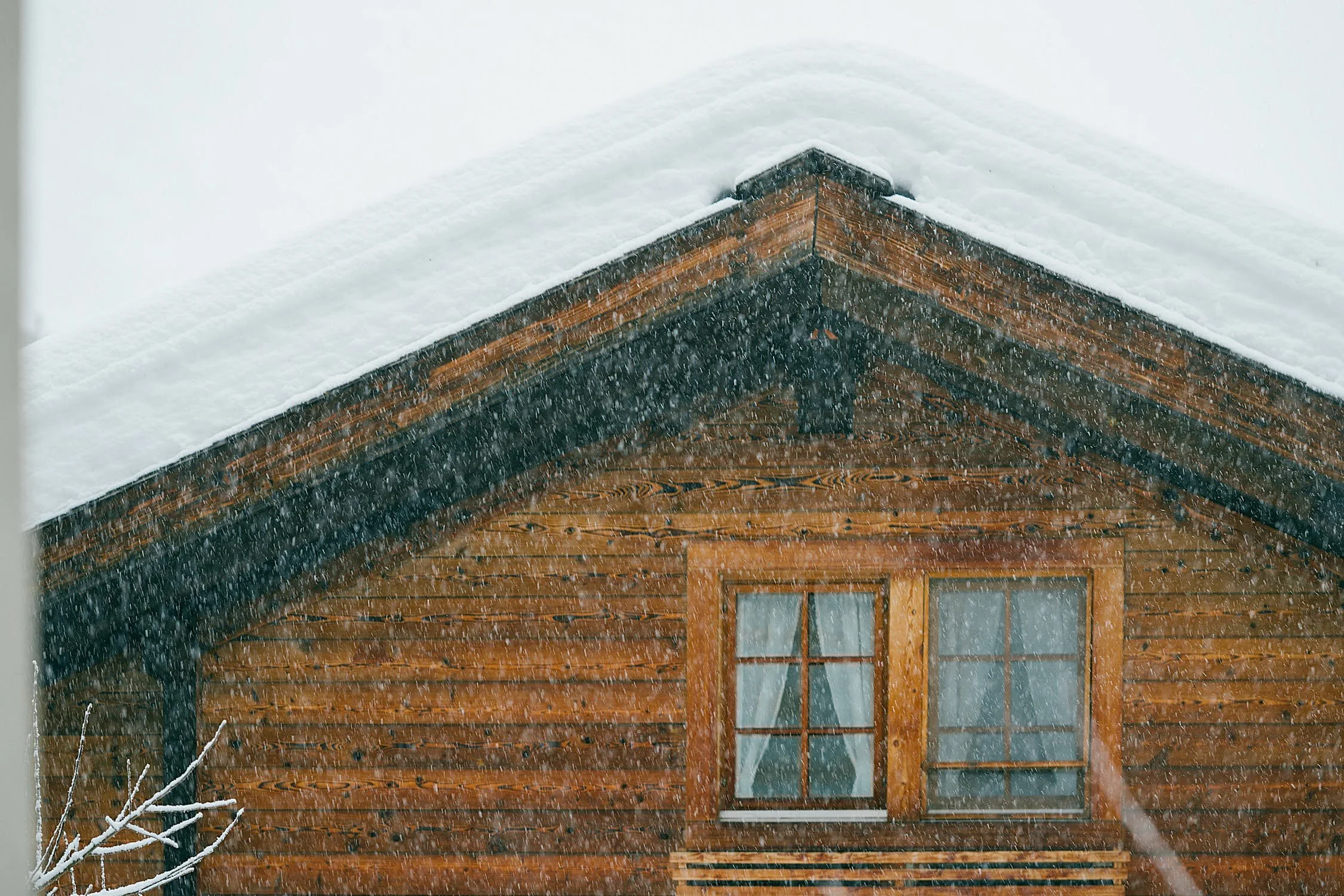
As we all say goodbye to the warm summer weather, it's time to start thinking about preparing for the winter season. As a homeowner, this means lots of home maintenance tasks that ensure your home and family make it comfortably through the long winter months.
As we all say goodbye to the warm summer weather, it's time to start thinking about preparing for the winter season. As a homeowner, this means lots of home maintenance tasks that ensure your home and family make it comfortably through the long winter months.
Trim Trees
The winter weather can bring a lot of snow from time to time. Snow can be extremely heavy and cause any healthy tree branch to snap under its pressure. For this reason, it's highly advisable that you take the time to assess the trees near your home. Cut any branches that overhang your home, car, or any walkways.
Clean Out Your Gutters
Now is the time to pull out your ladder and start cleaning out those gutters. You want to remove any built-up debris like leaves that can clog your gutters. You need your gutters to be completely free of debris. This way, when the snow melts on your roof, it can drip down into your gutters and away from your home.
Get Your Heating System Serviced
In the fall season, it's best to call in a professional to take care of servicing your heating system. This preventative maintenance is a great way to reduce your risk of having to call for a furnace repair service in the middle of the winter months. It also helps to enhance the quality of your indoor air and keeps your system warranty active.
Change Batteries in Smoke Detectors
Now is the perfect time to swap out those old batteries in your smoke detectors with fresh ones. If you have carbon monoxide detectors, you'll want to replace those batteries as well. This helps to ensure that these alarm systems are in good condition so that they can alert your family if there is a fire or a dangerous level of harmful gases in your home.
Get Your Snow Gear Out
While the weather is still fairly decent to move around, it's time to pull out your snow gear. This means cleaning out your garage and finding your snow shovels. If you have kids, it's time to find their sleds and snow gear before winter hits. Make sure that you stock up on salt so that you're ready in the event that the weather turns icy.
Winter home maintenance is a necessity for every homeowner. You want to prepare your home for successfully making it through another winter season. By following the maintenance tasks that we described above, your family and your home should have a great winter season.

