

A resource for those seeking information on organizing and transforming spaces.

Guest Post - Areas to Pay Attention to on Your Home's Exterior
When maintaining your home, it’s important to also remember to maintain the outside walls of your home.
The exterior of your home has the potential to say a lot about you and the interior of your home. It can reduce or enhance curb appeal, allow you to show off your home’s personality, and be a great source of protection against the outside elements. The point is, your home can do a lot for you, so it’s best to do what you can for it. If there are areas around the outside of your home that need attention or replacement, it’s best to get to them as soon as possible. Below is a list of areas to pay special attention to, as they can wear down the fastest and need the most maintenance.
When maintaining your home, it’s important to also remember to maintain the outside walls of your home.
The exterior of your home has the potential to say a lot about you and the interior of your home. It can reduce or enhance curb appeal, allow you to show off your home’s personality, and be a great source of protection against the outside elements. The point is, your home can do a lot for you, so it’s best to do what you can for it. If there are areas around the outside of your home that need attention or replacement, it’s best to get to them as soon as possible. Below is a list of areas to pay special attention to, as they can wear down the fastest and need the most maintenance.
Your Roof
You should get the condition of your roof evaluated at least once a year. Look for signs of wear and tear, like broken shingles or roof tiles that flap in the wind. Also, look at the sides of your roof. Typically, the side of your roof with southern exposure will wear faster than the rest. Shallower pitches deteriorate quicker than steep pitches. Make sure you can see your entire roof when evaluating its condition.
It’s very easy for the wind to rip shingles off the roof if it gets fast enough, or there’s a bad enough storm. It’s also possible for the shingles to curl or break. Broken shingles can lead to a leaky roof, meaning it’s very easy for water to get in and cause chaos in the rest of your house.
Entry Doors
Stand outside facing your door at nighttime while leaving the interior lights on. Do you see light around the main entry door even though it is closed and locked? If so, the door is warped and may need to be replaced. Another method is if, on a cold night, you hold your hand a few inches away from the bottom perimeter of your entry door. If there are significant cold spots or you can feel air movement, you may need to improve the sealing of your door.
Do you want your door to be the focal point of your home’s exterior? If so, consider giving it a splash of color. Or purchase a door with decorative glass to give your entranceway more light. Either option can be a definite eye-catcher. This is especially a good idea if you’re looking for ways to make your home more attractive while trying to sell it.
Siding
Is it time to replace your vinyl siding? Vinyl is a popular siding material because it is easy to install, it is durable, and it lasts for a long time. You can choose from a variety of colors and styles. You can even find siding that looks like it is wood or stone.
As with all things, the siding will eventually break down and need to be replaced. Has there been a significant storm in your area? If so, it could have knocked or torn holes into the panels. Significant changes in temperature can also do damage, as vinyl expands and contracts with the temperature.
As you walk around the exterior of your home, look for signs that your siding is warped or buckled. If you see that it is notably cracked or if you find evidence of moisture in the home, it may be an excellent time to consider replacing your siding.
Your home may be the most expensive investment you will ever make. You owe it to yourself to keep your home looking nice on the inside and the outside. Schedule time to evaluate the condition of your doors, roof, and siding. When necessary, invest in keeping these external home systems looking their best.
Author Bio
Kara Masterson is a freelance writer from West Jordan, Utah. She graduated from the University of Utah and enjoys writing and spending time with her dog, Max. She enjoys researching and writing articles on a variety of topics, from home improvement to real estate to manufacturing facilities.
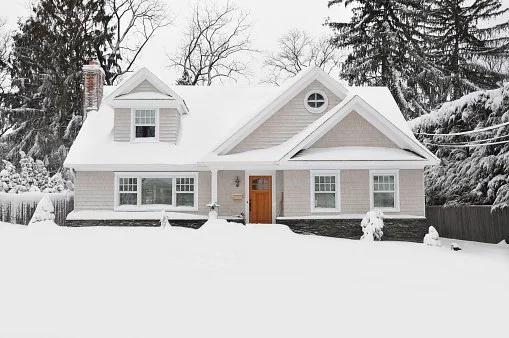
Guest Post - The Ultimate Homeowner's Outdoor Checklist for Before the Snow Hits
Winter is almost here, and it’s vital to prepare your property for this trying season. Guarantee your entire home is ready for snow and ice damage by prepping these six crucial exterior areas.
Winter is almost here, and it’s vital to prepare your property for this trying season. Guarantee your entire home is ready for snow and ice damage by prepping these six crucial exterior areas.
1. Ready Your Roof
First, perform a visual inspection of your roof. The most obvious sign of damage is if you have any missing shingles. However, a more subtle clue of wear on asphalt roofs is finding granule remains inside your gutters or downspouts. Look for shingles that curl or rise because they’ll soon detach.
Additionally, see if your roof shows signs of hail damage, as your homeowner’s policy might cover replacement. To cut down on costs, rather than getting rid of your old roof and putting on an entirely new one, you can consider placing a fresh layer of shingles on top of the old.
2. Clear Your Gutters
You’ll also need to make sure your gutters are in good condition. If they aren't working correctly going into winter, you can experience structural damage and foundational issues.
Before winter, clear your gutters of any debris, ensuring they’re not clogged. Use a wire brush to push through any stubborn dirt or leaves. If you find any holes, cut a piece of sheet metal and patch it over the gap using roofing cement.
3. Prepare Your Lawn
Cold winter temperatures can do significant damage to your turf. Prevent lasting harm by preparing your lawn before the snow starts to fall. Be quick to clean up any debris since heavy logs or branches can devastate the health of your turf, delaying the growth of spring grass.
Continue to mow your grass in the fall, but adjust the height of your blades. Avoid cutting your turf to more than one-third of its standing height. Another practice to prepare your lawn for winter is to aerate your turf or drill holes into the soil to improve its quality. It’s also wise to fertilize and reseed your lawn before cold temperatures set in.
4. Trim Your Trees
Another wise seasonal precaution is to trim trees with any low-hanging or damaged branches. Ice and snow can cause branches to break and fall, harming your property. If you have tall trees or those that stretch over your roof, consider hiring a professional tree cutter for this task.
5. Protect Your Pipes
You'll need to take additional precautions to protect any outdoor pipes from freezing. Shut off all water and drain the pipes before things get chilly. Remove any connected hoses and store them inside your garage.
Perhaps you have outdoor pipes you can't shut down. There are additional means to prevent freezing, like insulating pipe sleeves and foam covers. Know that you can also protect your outdoor pipes by heating your house.
6. Cover Your Air Conditioner
A straightforward task many homeowners forget to add to their list is to cover their air conditioning unit. Although they are manufactured to withstand all weather conditions, adding a protective layer of coverage during the off-season is wise. Debris like twigs and leaves can easily get trapped in your unit, requiring repairs because of moisture buildup and corrosion.
The best time to cover your AC unit is in the fall and winter if you live in the North. You should only cover the top, allowing it to breathe and not lock in moisture, which causes corrosion and lasting damage. However, if you live in a climate with high humidity, it might be best not to cover your AC at all.
Try These Tips to Prepare for Winter
Be thorough in your approach when preparing your home for winter. Manage your exterior so you limit the damage caused to the entire property. Hit these six target areas, and you’ll be ready for any snow and ice the season brings.
Author bio: Rose Morrison is the managing editor of Renovated, where she offers advice on home renovation, maintenance, and organization.nd slow-paced lifestyle now, because your little ones will be back in school before you know it!

Guest Post - A Comprehensive Deep Cleaning Guide for Your Home Before the Holidays
Use this comprehensive guide to lift the grime and make even the most shadowy corners of your home shine with holiday cheer.
If you’re expecting guests this holiday season, you’ve probably spent a good amount of time cleaning the house already. Yet, even the most attentive hosts can forget to clean the oft-neglected nooks and crannies. After all, there are more important things to worry about than cleaning your oven, right? Well, if you want to make a good impression and create a warm and welcoming atmosphere, it’s all about the details.
Use this comprehensive guide to lift the grime and make even the most shadowy corners of your home shine with holiday cheer.
1. Dust Blinds and Fans
It’s easy to forget about cleaning your blinds and ceiling fan blades. Out of sight, out of mind, right? Then, one day, you flip a switch or pull a cord and there’s dust everywhere. Don’t let this be you on Thanksgiving or Christmas day! Dust those bad boys off before guests arrive using a microfiber cloth. Fight buildup with a solution of equal parts white vinegar and water and leave blinds open to dry thoroughly.
2. Vacuum Drawers
You open and close your kitchen drawers multiple times a day, but how often do you actually remove their contents and clean them? In the chaos of cooking, all kinds of crumbs and food particles can fall in there. The last thing you want your guests to see when they’re grabbing a fork is some old lemon zest and rogue grains of rice, so grab a vacuum and get cleaning.
3. Clean the Oven
Before you cook the Thanksgiving bird, make sure you remove all those pieces of burnt, crusty food from your oven with a combination of water, baking soda, and white vinegar. That way you aren’t cooking up funky smells or tastes on the big day. Coat the oven interior with your homemade, chemical-free cleaning solution and leave it to sit overnight to loosen stubborn buildup and grime. Then, wipe everything clean the following morning.
4. Wipe All Surfaces
Remember to wipe down all of your home’s surfaces the night before guests or in-laws arrive. You can use an all-purpose cleaner or sanitizer for plastic, metal, and glass surfaces like windows, mirrors, and faucets. However, you might want to use a special solution of mild dish soap and water to clean more sensitive materials like wood veneer. Read product labels and spot test small areas to prevent stains and maximize your cleaning efforts.
5. Clean the Toilet
Toilets were made to get dirty, but sometimes even the toughest thrones fall victim to hard water stains and bacteria buildup. If you don’t remove them before guests arrive, those questionable-looking streaks will gross them out big time. Show your porcelain who’s boss with a mixture of vinegar and baking soda or get scrubbing with a pumice stone. With a little time and effort, your toilet will be good as new in no time.
Make a List, Check It Twice
Take a hint from Santa and make a deep cleaning list this holiday season. Add the above to-dos and take inventory of other nooks and crannies that might need some attention. If you remember that the big picture is all about the small details, your loved ones are sure to feel right at home in your humble — and sparkling clean — abode.
Author bio: Rose Morrison is the managing editor of Renovated, where she offers advice on home renovation, maintenance, and organization.nd slow-paced lifestyle now, because your little ones will be back in school before you know it!

Common Warning Signs That Something Is Wrong in Your HVAC System
Your home’s HVAC system is what keeps your home warm in the winter and cool in the summer. It is easy to ignore until something goes wrong. There are common warning signs that something could be wrong with the HVAC system. If you notice these signs, it is best to have an HVAC repair company look at them before it fails.
Your home’s HVAC system is what keeps your home warm in the winter and cool in the summer. It is easy to ignore until something goes wrong. There are common warning signs that something could be wrong with the HVAC system. If you notice these signs, it is best to have an HVAC repair company look at them before it fails.
HVAC Repair
HVAC stands for the heating, ventilation, and air conditioning system in your home. It includes the furnace, air conditioning unit, and the ductwork. There are quite a few moving parts that keep this system running to keep your home comfortable.
Having an HVAC repair company perform annual maintenance can keep the system running properly. But sometimes unexpected problems can occur. There are various warning signs that you might hear, see or smell, that can alert you that something is wrong with your HVAC system.
Unusual Smells
If you notice a slight burning smell when you turn on the furnace for the first time of the season, it could be the smell of accumulated dust burning off, and it’s usually not a reason to worry. However, if you notice a burning smell at any other time, you should call an HVAC company right away.
Smelling something like rotten eggs or a sulfur smell can indicate a gas leak from your furnace or another area of the house. If you ever smell this, you should leave the home immediately and call the fire department. Do not call from inside the house or turn on light switches, because that could trigger a gas explosion.
Other unusual smells include chemical, moldy, or musty scents. These can all indicate a problem with either the heating or air conditioning system.
Water or Condensation
One function of the HVAC system is to balance the humidity in the house. If you see puddles of water or condensation on or near the system, it could be a sign of a problem. Pipes and coils can wear out and develop leaks. Water leaking or condensation from these problems can cause mold or mildew to form, which is an unhealthy situation.
Strange Noises
Noises like whining, screeching, banging, or thumping are all signs that the HVAC system is not operating properly. Noises like these are usually something like a broken belt, loose screws, or debris that has become stuck in the external parts of the HVAC system.
Noises like wind or whistling can mean there is a leak in the ductwork. Less airflow coming through the vents can also indicate leaky ductwork, which will make the system work harder to cool or heat the home.
You should call an HVAC company if you notice one of these warning signs in your HVAC system. Getting a small problem fixed soon will keep the problem from getting worse.

