

A resource for those seeking information on organizing and transforming spaces.

Ways To Organize Your Kitchen Like a Professional Chef
Chefs are always short of time and must find things quickly. Their program can be a success if conducted smoothly minus any glitches. And the most crucial element for achieving this is a well-organized kitchen. The top chefs focus on the following areas:
If you love to cook, you must have been spending most of your spare time in the kitchen. That must have brought to your attention the fact that your kitchen can be better organized. Unlike organizing other areas of your home, organizing the kitchen is a tedious and complex task.
You must have seen cookery shows online. Have you observed how chefs work in the kitchen? Have you noticed how they can find the things they need quickly without having to look all over the place? That doesn’t happen just like that. It takes a lot of ‘behind the scene’ planning to showcase a professionally organized kitchen where chefs can quickly conjure up the tools and ingredients they need as if by magic.
Would you love to enjoy the luxury of an organized kitchen that you see on your favorite cookery show? Here’s how to do it just like a professional chef.
Chefs are always short of time and must find things quickly. Their program can be a success if conducted smoothly minus any glitches. And the most crucial element for achieving this is a well-organized kitchen. The top chefs focus on the following areas:
The Kitchen Tools Drawer
A kitchen tool drawer contains every single tool you need to whip up a fancy preparation. These include graters, peelers, spoons, knives, spatulas, and many others. But can you find the right one when you need it quickly. The simple solution – create organized drawers for different tools. All the spoons in one, the knives in another, and the spatulas in yet another compartment so that you can find the ones you need quickly without rummaging through the drawer.
Arrange Spices In A Specific Order
This is a trick that can be quickly completed, and it will give your kitchen a well-organized look too. You will need spices for nearly everything you cook. Use transparent or labeled containers placed on a shelf above the counter to find the herbs you need. Knowing where to find the jar of paprika when the recipe calls for it will help you save time and effort. You can number it, name it, or color-code it. Regardless of whether you are using simple glass shelves or designer kitchen cabinets, what matters is that you must find it fast, and it must also be arranged neatly, if possible, in jars of the same size and design.
Keep Countertops Clutter-Free
You make dozens of dishes every week. If you have a clean space to work, the motivation to be creative in your cooking is high. A clutter-free kitchen starts with a clean countertop. They are the key to maximizing your cooking efforts. It has a way of making your feel-good factor come to the fore. Experts suggest keeping what is needed only on the counter. For easy access and use, use squeeze bottles for oils and salt. Use transparent bottles for items like sugar, salt, chili flakes, spices, etc.
Managing Your Refrigerator and Freezer
Keeping the refrigerator organized can be one of the most challenging tasks. The fridge environment keeps changing and quite dramatically too. Top chefs know how to keep it simple. They follow very basic rules. Eggs must always be kept in the shelf/tray. Meat should never be put anywhere else but in the meat drawer. Cheese and butter must never leave their designated spaces in the refrigerator. Veggies and greens will obviously go in the crisper drawer.
Label the meals and clearly mention the expiration date to prevent any accidental use of spoilt food. Nuts must always be kept in airtight containers to prevent them from getting stale.
Pots And Pans Must Be Kept Hanging
In any kitchen, residential or professional, space crunch is always a common factor. You will have to use dozens of pots and pans to whip up dishes fast, but the problem is where to keep them in an organized manner. A simple solution is to use hooks to hang pots, pans, utensils, spatulas, and more. Make sure the hooks are large and strong enough to hold the heavier pans and skillets.
Conclusion:
Planning a revamp of your kitchen like a professional chef? Start early and from ground zero. Cleaning your kitchen is the first step. Pull out everything you are not using, or you don’t need without hesitation and dump them. It will give you the necessary space to reorganize the things you need and in the proper manner. Remember, cleaning is a regular process. Don’t just attack the floors, tiles, and visible areas. Go deeper with the cleaning and reach out to the drawers, inner side of the cabinets, and clean everything end to end.
Looking for the best kitchen renovation and makeover services in the Bahamas? Consult the innovative kitchen remodeler for free designs, free estimates, and free consultation.

Areas of a Home to Look at Before Putting It on the Market
Selling a home is a decision that requires preparation and effective decision-making. You may be living in a home that is no longer a good fit for you, or you may be tight on funds and decide the best thing to do would be to downgrade. Whatever the reason, when putting your home on the market it is imperative to get the best offer on your property possible. One of the best ways to do this is to consult a realtor or a home evaluator. Either of these professionals can help you get your home ready to show to prospective buyers, and may also tell you about highly sought home features to increase your market price.
Thus, you can improve certain areas in your home or make a few additions to increase the property value. Below are some areas to focus on when you decide to sell your home.
Selling a home is a decision that requires preparation and effective decision-making. You may be living in a home that is no longer a good fit for you, or you may be tight on funds and decide the best thing to do would be to downgrade. Whatever the reason, when putting your home on the market it is imperative to get the best offer on your property possible. One of the best ways to do this is to consult a realtor or a home evaluator. Either of these professionals can help you get your home ready to show to prospective buyers, and may also tell you about highly sought home features to increase your market price.
Thus, you can improve certain areas in your home or make a few additions to increase the property value. Below are some areas to focus on when you decide to sell your home.
Roof
Consider whether your roofing system is intact. Customers will avoid a home with issues, not to mention roof problems. Check if there are any missing or broken shingles and call in a roofing contractor.
Consider if your roof needs a few minor repairs or whether you’ll have to go for a complete replacement. This way, you can plan your budget and determine how much to spend on the roof.
HVAC Repair
Is your AC running smoothly and maintaining the internal home conditions? Homebuyers want a space they can enjoy irrespective of the weather conditions. Air conditioning repair will come in handy to ensure the maximum functionality of your unit.
The AC technician may recommend new parts and provide other services such as filter replacement or duct replacement. Ensure the thermostat is working since your buyers will want to optimize internal conditions to their liking.
Plumbing Repair
You don’t want to welcome your potential buyers with a flooded basement or moldy walls. Mold growth may indicate the presence of moisture in the walls, which translates to a leaky pipe. Call in a plumber to fix any broken pipes and replace any broken plumbing fixtures.
Landscaping
It is crucial to create an excellent first impression by complementing your interior with a breathtaking landscape. Take care of your lawn by mowing the tall grass and bushed that may harbor pests.
Plant flowers, vegetation, and trees in your compound to create a natural aesthetic. Landscaping will add a welcoming touch to the home and increase your property’s value.
Walk around your home and decide on the areas that need attention. Plan your budget and consider how much it will cost for the renovation projects or repairs. Get a home valuation to know how much you can get for your property and raise its value.

Guest Post - Areas to Pay Attention to on Your Home's Exterior
When maintaining your home, it’s important to also remember to maintain the outside walls of your home.
The exterior of your home has the potential to say a lot about you and the interior of your home. It can reduce or enhance curb appeal, allow you to show off your home’s personality, and be a great source of protection against the outside elements. The point is, your home can do a lot for you, so it’s best to do what you can for it. If there are areas around the outside of your home that need attention or replacement, it’s best to get to them as soon as possible. Below is a list of areas to pay special attention to, as they can wear down the fastest and need the most maintenance.
When maintaining your home, it’s important to also remember to maintain the outside walls of your home.
The exterior of your home has the potential to say a lot about you and the interior of your home. It can reduce or enhance curb appeal, allow you to show off your home’s personality, and be a great source of protection against the outside elements. The point is, your home can do a lot for you, so it’s best to do what you can for it. If there are areas around the outside of your home that need attention or replacement, it’s best to get to them as soon as possible. Below is a list of areas to pay special attention to, as they can wear down the fastest and need the most maintenance.
Your Roof
You should get the condition of your roof evaluated at least once a year. Look for signs of wear and tear, like broken shingles or roof tiles that flap in the wind. Also, look at the sides of your roof. Typically, the side of your roof with southern exposure will wear faster than the rest. Shallower pitches deteriorate quicker than steep pitches. Make sure you can see your entire roof when evaluating its condition.
It’s very easy for the wind to rip shingles off the roof if it gets fast enough, or there’s a bad enough storm. It’s also possible for the shingles to curl or break. Broken shingles can lead to a leaky roof, meaning it’s very easy for water to get in and cause chaos in the rest of your house.
Entry Doors
Stand outside facing your door at nighttime while leaving the interior lights on. Do you see light around the main entry door even though it is closed and locked? If so, the door is warped and may need to be replaced. Another method is if, on a cold night, you hold your hand a few inches away from the bottom perimeter of your entry door. If there are significant cold spots or you can feel air movement, you may need to improve the sealing of your door.
Do you want your door to be the focal point of your home’s exterior? If so, consider giving it a splash of color. Or purchase a door with decorative glass to give your entranceway more light. Either option can be a definite eye-catcher. This is especially a good idea if you’re looking for ways to make your home more attractive while trying to sell it.
Siding
Is it time to replace your vinyl siding? Vinyl is a popular siding material because it is easy to install, it is durable, and it lasts for a long time. You can choose from a variety of colors and styles. You can even find siding that looks like it is wood or stone.
As with all things, the siding will eventually break down and need to be replaced. Has there been a significant storm in your area? If so, it could have knocked or torn holes into the panels. Significant changes in temperature can also do damage, as vinyl expands and contracts with the temperature.
As you walk around the exterior of your home, look for signs that your siding is warped or buckled. If you see that it is notably cracked or if you find evidence of moisture in the home, it may be an excellent time to consider replacing your siding.
Your home may be the most expensive investment you will ever make. You owe it to yourself to keep your home looking nice on the inside and the outside. Schedule time to evaluate the condition of your doors, roof, and siding. When necessary, invest in keeping these external home systems looking their best.
Author Bio
Kara Masterson is a freelance writer from West Jordan, Utah. She graduated from the University of Utah and enjoys writing and spending time with her dog, Max. She enjoys researching and writing articles on a variety of topics, from home improvement to real estate to manufacturing facilities.
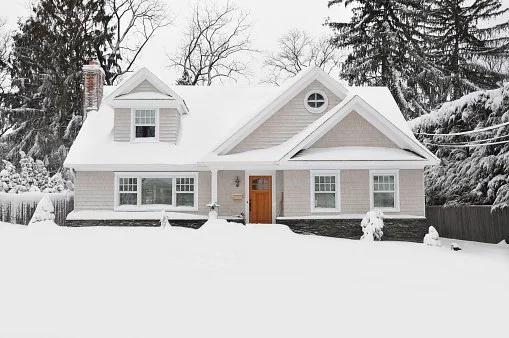
Guest Post - The Ultimate Homeowner's Outdoor Checklist for Before the Snow Hits
Winter is almost here, and it’s vital to prepare your property for this trying season. Guarantee your entire home is ready for snow and ice damage by prepping these six crucial exterior areas.
Winter is almost here, and it’s vital to prepare your property for this trying season. Guarantee your entire home is ready for snow and ice damage by prepping these six crucial exterior areas.
1. Ready Your Roof
First, perform a visual inspection of your roof. The most obvious sign of damage is if you have any missing shingles. However, a more subtle clue of wear on asphalt roofs is finding granule remains inside your gutters or downspouts. Look for shingles that curl or rise because they’ll soon detach.
Additionally, see if your roof shows signs of hail damage, as your homeowner’s policy might cover replacement. To cut down on costs, rather than getting rid of your old roof and putting on an entirely new one, you can consider placing a fresh layer of shingles on top of the old.
2. Clear Your Gutters
You’ll also need to make sure your gutters are in good condition. If they aren't working correctly going into winter, you can experience structural damage and foundational issues.
Before winter, clear your gutters of any debris, ensuring they’re not clogged. Use a wire brush to push through any stubborn dirt or leaves. If you find any holes, cut a piece of sheet metal and patch it over the gap using roofing cement.
3. Prepare Your Lawn
Cold winter temperatures can do significant damage to your turf. Prevent lasting harm by preparing your lawn before the snow starts to fall. Be quick to clean up any debris since heavy logs or branches can devastate the health of your turf, delaying the growth of spring grass.
Continue to mow your grass in the fall, but adjust the height of your blades. Avoid cutting your turf to more than one-third of its standing height. Another practice to prepare your lawn for winter is to aerate your turf or drill holes into the soil to improve its quality. It’s also wise to fertilize and reseed your lawn before cold temperatures set in.
4. Trim Your Trees
Another wise seasonal precaution is to trim trees with any low-hanging or damaged branches. Ice and snow can cause branches to break and fall, harming your property. If you have tall trees or those that stretch over your roof, consider hiring a professional tree cutter for this task.
5. Protect Your Pipes
You'll need to take additional precautions to protect any outdoor pipes from freezing. Shut off all water and drain the pipes before things get chilly. Remove any connected hoses and store them inside your garage.
Perhaps you have outdoor pipes you can't shut down. There are additional means to prevent freezing, like insulating pipe sleeves and foam covers. Know that you can also protect your outdoor pipes by heating your house.
6. Cover Your Air Conditioner
A straightforward task many homeowners forget to add to their list is to cover their air conditioning unit. Although they are manufactured to withstand all weather conditions, adding a protective layer of coverage during the off-season is wise. Debris like twigs and leaves can easily get trapped in your unit, requiring repairs because of moisture buildup and corrosion.
The best time to cover your AC unit is in the fall and winter if you live in the North. You should only cover the top, allowing it to breathe and not lock in moisture, which causes corrosion and lasting damage. However, if you live in a climate with high humidity, it might be best not to cover your AC at all.
Try These Tips to Prepare for Winter
Be thorough in your approach when preparing your home for winter. Manage your exterior so you limit the damage caused to the entire property. Hit these six target areas, and you’ll be ready for any snow and ice the season brings.
Author bio: Rose Morrison is the managing editor of Renovated, where she offers advice on home renovation, maintenance, and organization.nd slow-paced lifestyle now, because your little ones will be back in school before you know it!

