

A resource for those seeking information on organizing and transforming spaces.

Bad Habits That Can Put Your Family at Risk of Bed Bugs
Bed bug infestations are among a homeowner’s worst fear. Despite what you may have heard, you can clean as much as you want and still wind up with bed bugs. These tiny insects don’t care if you have fresh sheets on your bed. All they care about is finding a suitable host to help them feed and reproduce. Eliminating these bad habits helps you to keep your home free of these nuisance pests.
Bed bug infestations are among a homeowner’s worst fear. Despite what you may have heard, you can clean as much as you want and still wind up with bed bugs. These tiny insects don’t care if you have fresh sheets on your bed. All they care about is finding a suitable host to help them feed and reproduce. Eliminating these bad habits helps you to keep your home free of these nuisance pests.
Forgetting to Inspect Your Hotel Room
Jumping on the bed as soon as you make it to your hotel room might be tempting if you’ve had to travel for hours to your destination. Yet, this could immediately put you at risk for bringing home bed bugs. Checking the mattress and surrounding walls and bedding for signs of bed bugs only takes a few minutes, but this can save you from spending hours dealing with frustration later on.
Bringing Home Used Furniture
Mattresses are expensive, but you won’t want to bring a used one home without having it inspected first. The same is also true of couches and other upholstered pieces of furniture. Because you often don’t know where it’s coming from, you can’t be sure what pests might be hitching a ride on your new sofa.
However, that doesn’t mean you can’t still enjoy thrift shopping or antiquing. If you do love vintage finds, then make sure to have a pest control professional in mind who can help you inspect for and treat suspected infestations. Before bringing the new furniture into your home, call for a pest control professional to inspect each item. They can also give you tips and strategies for avoiding pest problems caused by bringing home used furniture.
Mishandling Your Luggage
No one tends to like putting their suitcase on a potentially dirty hotel room floor. Yet, putting it on the bed is also not a good idea since a bed bug might hitch a ride to your home in your suitcase. Try to put your luggage on a rack or stand that is made of a smooth, non-porous material. Then, make sure to zip it closed anytime you take something out to wear.
Failing to Check After Having Houseguests
You may know that your aunt or uncle is a stringent housekeeper, yet you never know if they might be harboring bed bugs in their belongings. Whether the pests hopped in during a hotel stay or while the luggage was in the cargo bay, your loved one could bring them to your house. After your houseguests leave, do a simple inspection of the room as you gather up the bed linens for washing. If you do find evidence of bed bugs, then you’ll be catching the problem early enough to avoid major disruptions to your life.
Time is of the essence for dealing with bed bug infestations. Treating them as soon as you think you have a problem helps to prevent them from spreading throughout the house. As you search for a treatment, try to resist the urge to use a DIY method that only makes the problem worse. Instead, choose to use professional treatments that include a thorough inspection to make sure that you fully address the problem and can get back to sleeping peacefully throughout the night.

Useful Tips for Decorating a Nursery
If you're expecting your first bundle of joy, decorating a nursery may seem like the biggest challenge so far. Should you start by painting the walls or looking into furniture? Maybe you should come up with a theme first? All of those questions will overwhelm you quickly, so stop thinking and check out our tips for decorating a nursery. We have all the useful tips in one place, ready to make your baby preparations a breeze.
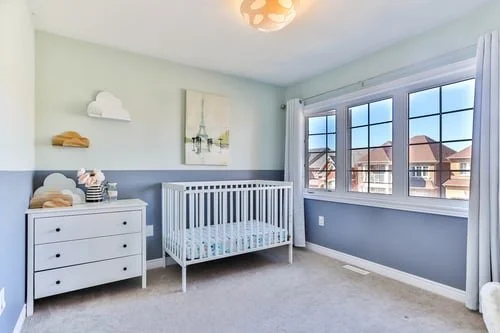
If you're expecting your first bundle of joy, decorating a nursery may seem like the biggest challenge so far. Should you start by painting the walls or looking into furniture? Maybe you should come up with a theme first? All of those questions will overwhelm you quickly, so stop thinking and check out our tips for decorating a nursery. We have all the useful tips in one place, ready to make your baby preparations a breeze.
Find a color scheme
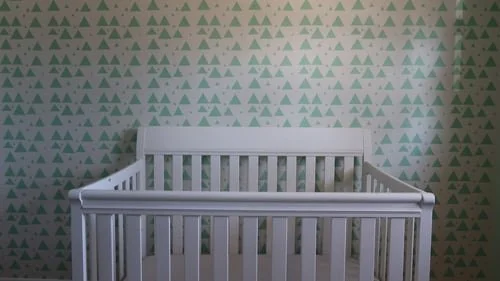
The first thing to consider when decorating a nursery is the colors. From the color of the walls to the furniture, carpets, and accessories, you'll need a color scheme to keep your room look cohesive. Neutral colors like beige, white, light grey and yellow are always the best choices because they allow plenty of diversity. On top of that, once the baby is older and ready to move to another room, you can easily adapt the room into an office or a den without needing to change the color of the walls. However, if you plan to update the nursery into a kid’s room when the child is older, then you can feel free to choose a gender-specific color such as pink, green, blue or purple.
Buy furniture first

Once you’ve chosen the color for the room, it’s time to start looking at furniture pieces. From the crib for the baby to have sweet dreams to the dressing table where you’ll keep all the supplies and a rocker chair to keep you comfy, you'll need a whole set of furniture items to fill your baby's room. After you've put together the crib and the rest of the big items, you will have a starting point perfectly visualized to help you move on with the décor.
Add toys and décor
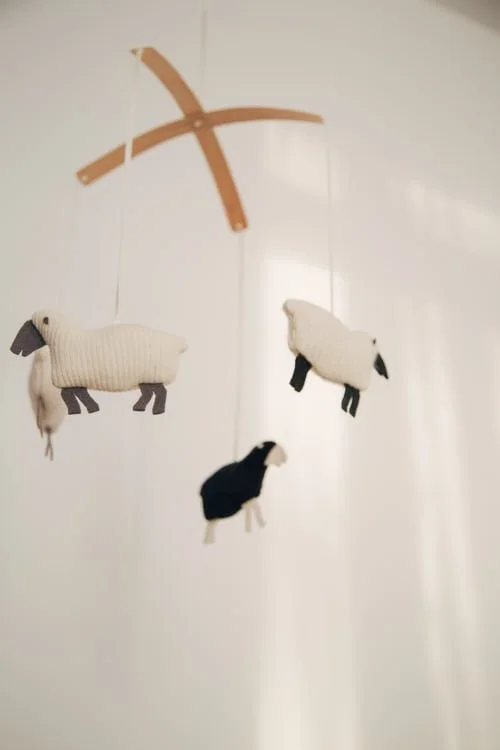
As the baby grows, he or she will need the entertainment to keep them occupied. Whether during mealtime or when you need them not to fuss, popular infant toys will be your baby’s best friends offering all the fun they need. Therefore, make sure you stock the room with infant toys such as chewy fidgets, plushies, or weighted animals. Patterned throw pillows will be a lovely addition to a nursery. It's a budget-friendly option that will add interest to the room and make you cozy as well, while you feed the baby or put them to sleep.
Consider a theme
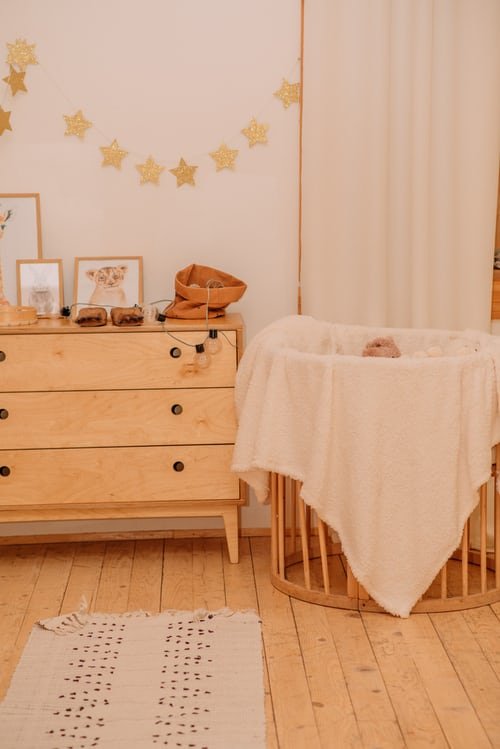
Another way to decorate a pleasant nursery is to incorporate a theme into the décor. How about you create a heavenly angelic ambience with a mixture of baby blue and white, clouds, fluff, and plush? Maybe you'd like your princess to feel like she's in her own castle with a canopy over the crib, light pink walls, glitter and rainbows on the walls? Are you a nature lover? Consider mixing brown, green and yellow for a jungle-like theme that will offer both the calmness of the woods and excitement of the wilderness to the interior.
Consider quality lighting
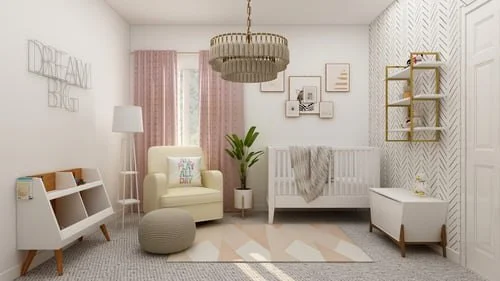
Lighting is crucial for an enjoyable ambience. That's why you'll want to allow for plenty of daylight but also make sure you can block it maximally. Install heavy curtains and quality blinds to offer your baby an optimal sleeping environment during their first days at home. Newborns tend to sleep a lot and sometimes throughout the day, so you'll need to make sure the lighting is adequate throughout the day and night. Invest in soothing night lights to create a gentle night-time glow in the nursery.
Getting your home ready for the baby will be emotional and somewhat challenging but it will also bring immense joy. Make sure everything is set at least a month before your due date because you never know when the little one will decide to come to this world. Pick a theme, decide on colors and look for quality furniture to create the best baby nook for your bundle of joy.

Great Outdoors: Interior Design for Exterior Spaces
Here are some tips to achieve superb design to outdoor spaces:
As the temperature rises during the summer, people's usual response is to go to outdoor spaces. The smell of barbecues in the backyard and the blooming flowers lure them out to the patio or porch with family and friends. During these months, you would want to have a good design for our outdoor spaces like rooftop gardens, courtyards, dining terraces, patios, and pool decks.
One of the fun aspects when designing outdoor spaces is that you can pop up any color you prefer. It is one spot where you can freely go bold in its architecture-pleasing design. It also works well with whimsical touches like a quirky garden statue or a dragonfly pattern.
Following those basic design principles is essential to create enticing and attractive outdoor spaces that people can access and use comfortably. The finishes, lighting, accessory, furniture, and utility options for these outdoor spaces are continually evolving and expanding, allowing you to have a wider variety and creative approaches.
Here are some tips to achieve superb design to outdoor spaces:
Furniture Fundamentals
Most outdoor spaces have hard edges and furniture materials that most people will avoid. However, people would prefer to sit in those pieces of furniture that can make them comfortable, just like indoors. Likewise, it is also important not to go for those opposite oversized puffy cushions that are likely not to last when exposed to outside elements. Those extreme oversized cushioning will also create undesirable excess warmth during hot or humid climates.
Outdoor sling chairs are an excellent comfort option and easy to maintain. Some best outdoor furniture options include wrought iron, aluminum, and wood-like plastic materials that are wearing better than natural wood. Furniture made from fresh resins and recycled plastic is also a great option as these materials are hard to crack, peel or fade, resistant to mildew, stains, and moisture, and highly durable.
Universal Designs
It is essential to consider universal design principles, especially for commercial applications. Most people find that chairs with arms are easier to exit, and at the same time, a less than 100 degrees back recline of the seat usually is comfortable to people of all ages.
When outdoor spaces apply the universal design principle, everyone enjoys it the same way. These designs cater comfortably to everyone and have no differences due to age or size. Its aesthetic design and access are all interwoven, and anyone feels welcome.
Finishing Touches
Whenever possible, it is an excellent option to incorporate a water feature or fireplace as a highlight in the outdoor spaces. There are many options of water fountains, and fire pits, or fireplaces, including its fuel alternative to wood.
One of the significant considerations of water features is maintenance, as when a water fountain or wall gets dirty, it can become an eye-catcher and turn into an eyesore.
Outdoor lighting is a must to live up to every outdoor space to its full potential. Lighting is a valuable tool and an essential requirement for security and safety and creating a moody atmosphere. However, installing exterior access doors and panels would be best to conceal those outdoor wiring connections safely and adequately. They also prevent them from outside elements and unauthorized access.
Choosing the Right Fabric
When considering using fabrics in outdoor spaces, it requires careful consideration when choosing the right style and quality as it deals with outside elements. Another thing to consider is how smoothly and efficiently the air can pass through the fabric. These considerations are essential to prevent mildew and mold as they can become an eyesore to people and affect anyone's comfort.
Generally, the water-resistant fabric is an excellent idea. But it has some issues and often trade-offs in its breathability since the more water-resistant the fabric, the more it tends not to let air pass through. However, water-resistant and UV-resistant material is a top priority option on umbrellas and awnings as it is essential for all exterior shading applications. It is necessary to note that all materials and accessories in outdoor spaces require regular cleaning and maintenance to maintain their aesthetic and function.
Landscape Meets Interior Themes
Flowers and plants are natural choices as outdoor accessories of varying color, foliage, and heights can make a statement and influence visual interest. Consider the theme established in the interior surfaces in designing outdoor spaces. The continuity of the design and themes from indoor to outdoor spaces are essential and should have similarities to their characters to make them more inviting. A simple, striking sculpture, water feature, streamlined furnishings, and showcase of carefully chosen plants and flowers are necessary and work well in a contemporary exterior style design.
Exterior living spaces are therapeutic simply because, in nature, being outdoors makes us feel more relaxed, reducing stress levels. Psychologically, when we spend time outside, it relieves anxiety and depression, promotes good vision, acts as our sanctuary, and improves our immune system to get away and feel relaxed from those everyday life stressors.
So when designing outdoor living spaces, it is essential to follow the principles of universal design, especially in commercial outdoor areas, to create incredible scenes and ensure comfort to all occupants.

Eco-Friendly Roof Hatches: Pros and Cons
Sustainability is a significant driving force for the modern construction industry. It is the focus of many innovators as more people become increasingly aware of our impact on the environment. As a result, new materials and industry practices continually revolutionize how the construction industry operates.
Sustainability is a significant driving force for the modern construction industry. It is the focus of many innovators as more people become increasingly aware of our impact on the environment. As a result, new materials and industry practices continually revolutionize how the construction industry operates.
Hatches may come in various sizes, forms, and customizable designs to satisfy individual requirements and give easy roof access. Many roof hatch designs are available in multiple materials, including aluminum, galvanized steel, stainless steel, or a mix of aluminum and steel. These energy-efficient roof hatches can provide adequate thermal insulation to keep the heat inside during the winter and the cool outside during the summer.
It is essential to have roof hatches installed for easy and safe access to the area for maintenance. Most modern buildings require these installations for regular tasks and other reasons like natural lighting. Due to the influence of the current sustainability trend, a roof hatch must be environmentally friendly to meet the market demand.
These pros and cons of eco-friendly roof hatches may help you understand more about their good and bad sides:
Pros
1. Utilized as ventilation
There are variations of roof hatches that serve as ventilation to facilities that handle heat or hazardous particulates, such as factories that handle oil production. They require these installations to prevent dangerous materials from accumulating, potentially damaging the interiors of the building.
Some hatches provide a heat escape in case of fire. It prevents the build-up of heat that may warm the insides of the building, increasing the chances of other flammable materials combusting due to the fire. It also allows smoke to leave the building, allowing firefighters to enter and resolve the issue.
2. Provides easy access to the roof area
The roof hatch's primary function is to provide entry to the roof area during maintenance and installation. Regular inspection of the site, transportation, and installation of HVAC and other equipment are some of the tasks performed by personnel to maintain the overall operation of the building.
Occupants of the building can also use it to access the roof area for recreational purposes. If the space is a green roof, the hatch will give a safe way for people to enter the site. It is an excellent way for them to gather and de-stress within the space of this green roof.
3. Allows natural light into the building
There are variations of roof hatches that function as an entryway for natural light to enter the interior space. Most of these roof hatch's composition is glass, allowing sunlight to enter. It helps regulate temperature, especially during the winter months, cutting down power costs.
4. It is an energy-efficient way to regulate temperature
Thermally broken access hatches are the best example of roof hatches that help with controlling heat and coolness. It creates a barrier between the outside and inside temperatures to protect the consistency of the indoor temperature by not letting the heat escape.
5. Made from sustainable materials
The primary materials utilized for roof hatches are metals. Metals are recyclable and robust, making them a widely used material across many sectors but specifically in the construction industry, where their utilization is almost necessary. With this material's recyclable and robust nature, people consider it sustainable.
Cons
1. Possible fall hazard
OSHA set regulations specifically for roof access hatches because they pose a potential fall hazard if unsupervised and left open. To counter this danger, a roof hatch of significant size must have some safety railings around it to prevent people from accidentally falling. The personnel in charge must also properly close the hatches when not in use.
2. Possible security risks
Materials can deteriorate and get damaged as time passes. Roof hatches are susceptible to this vulnerability when not adequately maintained or replaced. Despite the level of protection that some roof hatches grant, they may still pose a security risk, such as unauthorized access.
If the roof hatch is in a state of degradation and not maintained to perform its function, burglars could use it as an entry point to enter the establishment.
3. Improper installation leads to poor heat regulation
Some roof hatches have a thermal break feature that allows them to protect the indoor temperature of the building. Improper installation could lead to heat escaping unintentionally, which will affect the thermal regulation of the building.
Ensure that the ones installing the roof hatches have proper credentials to avoid such incidence. Building managers should also schedule a regular inspection to check their functions because it might drive up the power cost of the building.
4. Possible leak source
Since the roof hatch is an entry point, if it does not have proper sealing or is not closed correctly during rainfall or snow, it will become an entry point for water inside the building. Ensuring that all gaps or holes get properly sealed is paramount to the integrity of the structure and operation of the entire establishment.
Takeaway
Creating something sustainable and long-lasting is a dream for the construction industry. As green and sustainable building projects progress, we can see more material production aimed towards such purposes. Roof hatches will be an indispensable asset for future projects. Consult a licensed professional that you trust for more information.

