

A resource for those seeking information on organizing and transforming spaces.

First 5 Steps to Take if Your Home Floods
Whether you live in an area prone to flooding or not, you may not be prepared. You may think it will never happen to you, but it can. A natural disaster can cause flooding or a busted pipe. If it happens, you need to know what steps to take when your home is flooded. Knowing beforehand can save you a lot of time.
Whether you live in an area prone to flooding or not, you may not be prepared. You may think it will never happen to you, but it can. A natural disaster can cause flooding or a busted pipe. If it happens, you need to know what steps to take when your home is flooded. Knowing beforehand can save you a lot of time.
Find the Cause
It is important to know and understand where the water is coming from. Is it a hurricane? Is it the sump pump or a busted pipe? You can’t move one until you can identify the source and stop the water from coming in.
Take Pictures of Damage
Now the first thing you will want to do is get the water out of your home. And while this urge is understandable, you need to document the damage first. If it is safe to enter your home, take as many pictures as possible. Make sure you are wearing a mask, gloves, and boots. You can also record yourself going through the home to document the damage. You will need this evidence when you contact the insurance company.
Clean Up Company
Cleaning after a flood is hard work. The house needs to dry out; you need to remove everything from the house and sort through what can be saved. While you can do this yourself, hire a water damage restoration company instead. They’ve done this before, so they know all the steps, and they can disinfect your house probably more efficiently than you can.
Contact Insurance Company
You will need to open an insurance claim with your insurance company. An insurance adjuster will be given your case and, based on what your policy covers, they will decide what the insurance company can do for you. Some insurance companies don’t cover flooding, so you need to know what your policy covers. If you are going to be fully financially responsible for fixing your home, it could make things much more difficult and stressful. You should be prepared.
Take Precautions
When cleaning your home after a flood, certain precautions need to be taken. First, take care of any electrical systems in your house. Water and electricity do not mix. So if your house is flooded, and the electricity is still on, you need to have it turned off.
If you are cleaning your home yourself, stopping mold from happening is a priority. Once the water is gone, you need to open all the windows so they can dry out. Mold can grow wherever there is moisture, so you need to open the walls, remove the flooring and remove the insulation. Anything that could hold moisture needs to be removed.
A flooded home can be a source of extreme stress and anxiety. It is important to know the steps you should take beforehand, so if it happens, you can be prepared.

Bad Habits That Can Put Your Family at Risk of Bed Bugs
Bed bug infestations are among a homeowner’s worst fear. Despite what you may have heard, you can clean as much as you want and still wind up with bed bugs. These tiny insects don’t care if you have fresh sheets on your bed. All they care about is finding a suitable host to help them feed and reproduce. Eliminating these bad habits helps you to keep your home free of these nuisance pests.
Bed bug infestations are among a homeowner’s worst fear. Despite what you may have heard, you can clean as much as you want and still wind up with bed bugs. These tiny insects don’t care if you have fresh sheets on your bed. All they care about is finding a suitable host to help them feed and reproduce. Eliminating these bad habits helps you to keep your home free of these nuisance pests.
Forgetting to Inspect Your Hotel Room
Jumping on the bed as soon as you make it to your hotel room might be tempting if you’ve had to travel for hours to your destination. Yet, this could immediately put you at risk for bringing home bed bugs. Checking the mattress and surrounding walls and bedding for signs of bed bugs only takes a few minutes, but this can save you from spending hours dealing with frustration later on.
Bringing Home Used Furniture
Mattresses are expensive, but you won’t want to bring a used one home without having it inspected first. The same is also true of couches and other upholstered pieces of furniture. Because you often don’t know where it’s coming from, you can’t be sure what pests might be hitching a ride on your new sofa.
However, that doesn’t mean you can’t still enjoy thrift shopping or antiquing. If you do love vintage finds, then make sure to have a pest control professional in mind who can help you inspect for and treat suspected infestations. Before bringing the new furniture into your home, call for a pest control professional to inspect each item. They can also give you tips and strategies for avoiding pest problems caused by bringing home used furniture.
Mishandling Your Luggage
No one tends to like putting their suitcase on a potentially dirty hotel room floor. Yet, putting it on the bed is also not a good idea since a bed bug might hitch a ride to your home in your suitcase. Try to put your luggage on a rack or stand that is made of a smooth, non-porous material. Then, make sure to zip it closed anytime you take something out to wear.
Failing to Check After Having Houseguests
You may know that your aunt or uncle is a stringent housekeeper, yet you never know if they might be harboring bed bugs in their belongings. Whether the pests hopped in during a hotel stay or while the luggage was in the cargo bay, your loved one could bring them to your house. After your houseguests leave, do a simple inspection of the room as you gather up the bed linens for washing. If you do find evidence of bed bugs, then you’ll be catching the problem early enough to avoid major disruptions to your life.
Time is of the essence for dealing with bed bug infestations. Treating them as soon as you think you have a problem helps to prevent them from spreading throughout the house. As you search for a treatment, try to resist the urge to use a DIY method that only makes the problem worse. Instead, choose to use professional treatments that include a thorough inspection to make sure that you fully address the problem and can get back to sleeping peacefully throughout the night.

Useful Tips for Decorating a Nursery
If you're expecting your first bundle of joy, decorating a nursery may seem like the biggest challenge so far. Should you start by painting the walls or looking into furniture? Maybe you should come up with a theme first? All of those questions will overwhelm you quickly, so stop thinking and check out our tips for decorating a nursery. We have all the useful tips in one place, ready to make your baby preparations a breeze.
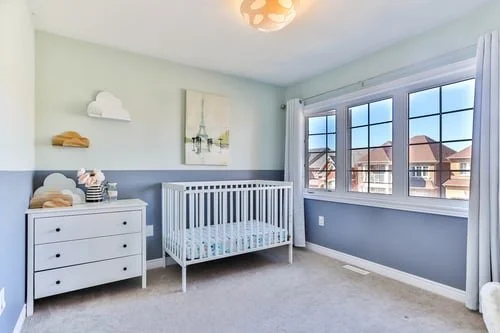
If you're expecting your first bundle of joy, decorating a nursery may seem like the biggest challenge so far. Should you start by painting the walls or looking into furniture? Maybe you should come up with a theme first? All of those questions will overwhelm you quickly, so stop thinking and check out our tips for decorating a nursery. We have all the useful tips in one place, ready to make your baby preparations a breeze.
Find a color scheme
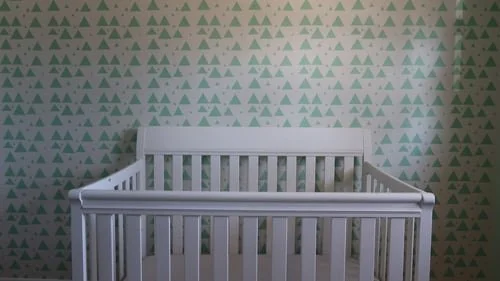
The first thing to consider when decorating a nursery is the colors. From the color of the walls to the furniture, carpets, and accessories, you'll need a color scheme to keep your room look cohesive. Neutral colors like beige, white, light grey and yellow are always the best choices because they allow plenty of diversity. On top of that, once the baby is older and ready to move to another room, you can easily adapt the room into an office or a den without needing to change the color of the walls. However, if you plan to update the nursery into a kid’s room when the child is older, then you can feel free to choose a gender-specific color such as pink, green, blue or purple.
Buy furniture first

Once you’ve chosen the color for the room, it’s time to start looking at furniture pieces. From the crib for the baby to have sweet dreams to the dressing table where you’ll keep all the supplies and a rocker chair to keep you comfy, you'll need a whole set of furniture items to fill your baby's room. After you've put together the crib and the rest of the big items, you will have a starting point perfectly visualized to help you move on with the décor.
Add toys and décor
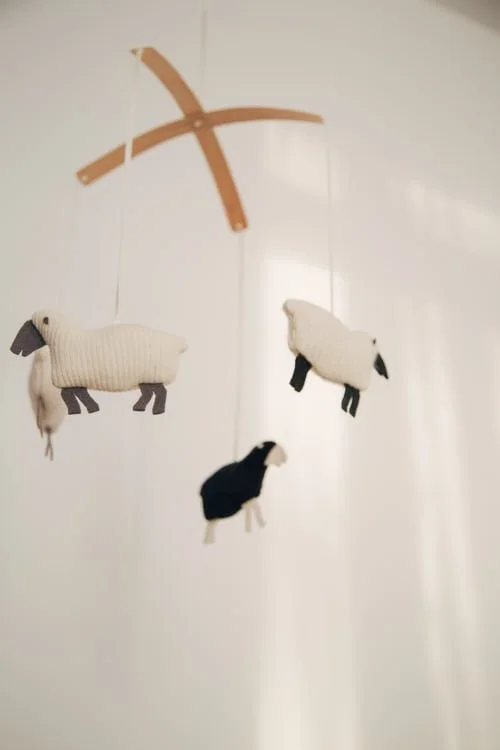
As the baby grows, he or she will need the entertainment to keep them occupied. Whether during mealtime or when you need them not to fuss, popular infant toys will be your baby’s best friends offering all the fun they need. Therefore, make sure you stock the room with infant toys such as chewy fidgets, plushies, or weighted animals. Patterned throw pillows will be a lovely addition to a nursery. It's a budget-friendly option that will add interest to the room and make you cozy as well, while you feed the baby or put them to sleep.
Consider a theme
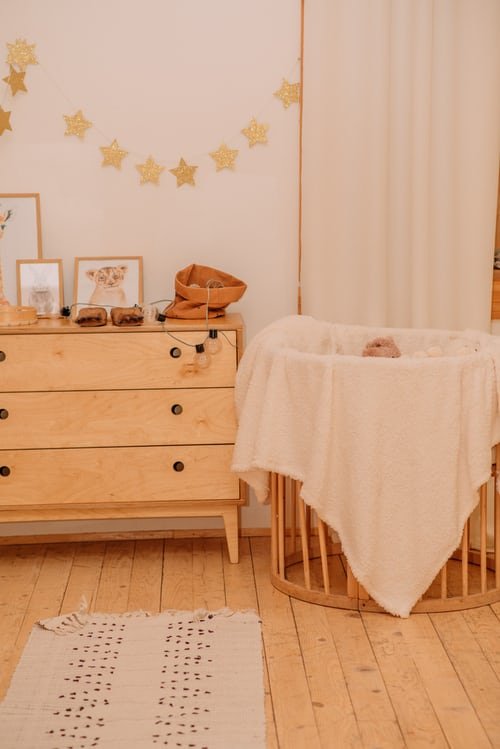
Another way to decorate a pleasant nursery is to incorporate a theme into the décor. How about you create a heavenly angelic ambience with a mixture of baby blue and white, clouds, fluff, and plush? Maybe you'd like your princess to feel like she's in her own castle with a canopy over the crib, light pink walls, glitter and rainbows on the walls? Are you a nature lover? Consider mixing brown, green and yellow for a jungle-like theme that will offer both the calmness of the woods and excitement of the wilderness to the interior.
Consider quality lighting
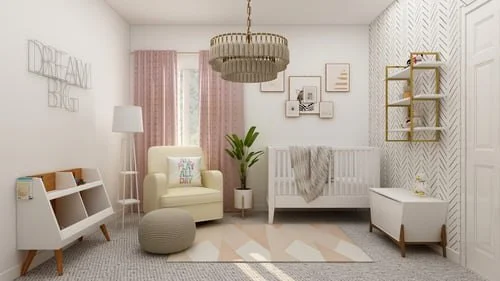
Lighting is crucial for an enjoyable ambience. That's why you'll want to allow for plenty of daylight but also make sure you can block it maximally. Install heavy curtains and quality blinds to offer your baby an optimal sleeping environment during their first days at home. Newborns tend to sleep a lot and sometimes throughout the day, so you'll need to make sure the lighting is adequate throughout the day and night. Invest in soothing night lights to create a gentle night-time glow in the nursery.
Getting your home ready for the baby will be emotional and somewhat challenging but it will also bring immense joy. Make sure everything is set at least a month before your due date because you never know when the little one will decide to come to this world. Pick a theme, decide on colors and look for quality furniture to create the best baby nook for your bundle of joy.

Great Outdoors: Interior Design for Exterior Spaces
Here are some tips to achieve superb design to outdoor spaces:
As the temperature rises during the summer, people's usual response is to go to outdoor spaces. The smell of barbecues in the backyard and the blooming flowers lure them out to the patio or porch with family and friends. During these months, you would want to have a good design for our outdoor spaces like rooftop gardens, courtyards, dining terraces, patios, and pool decks.
One of the fun aspects when designing outdoor spaces is that you can pop up any color you prefer. It is one spot where you can freely go bold in its architecture-pleasing design. It also works well with whimsical touches like a quirky garden statue or a dragonfly pattern.
Following those basic design principles is essential to create enticing and attractive outdoor spaces that people can access and use comfortably. The finishes, lighting, accessory, furniture, and utility options for these outdoor spaces are continually evolving and expanding, allowing you to have a wider variety and creative approaches.
Here are some tips to achieve superb design to outdoor spaces:
Furniture Fundamentals
Most outdoor spaces have hard edges and furniture materials that most people will avoid. However, people would prefer to sit in those pieces of furniture that can make them comfortable, just like indoors. Likewise, it is also important not to go for those opposite oversized puffy cushions that are likely not to last when exposed to outside elements. Those extreme oversized cushioning will also create undesirable excess warmth during hot or humid climates.
Outdoor sling chairs are an excellent comfort option and easy to maintain. Some best outdoor furniture options include wrought iron, aluminum, and wood-like plastic materials that are wearing better than natural wood. Furniture made from fresh resins and recycled plastic is also a great option as these materials are hard to crack, peel or fade, resistant to mildew, stains, and moisture, and highly durable.
Universal Designs
It is essential to consider universal design principles, especially for commercial applications. Most people find that chairs with arms are easier to exit, and at the same time, a less than 100 degrees back recline of the seat usually is comfortable to people of all ages.
When outdoor spaces apply the universal design principle, everyone enjoys it the same way. These designs cater comfortably to everyone and have no differences due to age or size. Its aesthetic design and access are all interwoven, and anyone feels welcome.
Finishing Touches
Whenever possible, it is an excellent option to incorporate a water feature or fireplace as a highlight in the outdoor spaces. There are many options of water fountains, and fire pits, or fireplaces, including its fuel alternative to wood.
One of the significant considerations of water features is maintenance, as when a water fountain or wall gets dirty, it can become an eye-catcher and turn into an eyesore.
Outdoor lighting is a must to live up to every outdoor space to its full potential. Lighting is a valuable tool and an essential requirement for security and safety and creating a moody atmosphere. However, installing exterior access doors and panels would be best to conceal those outdoor wiring connections safely and adequately. They also prevent them from outside elements and unauthorized access.
Choosing the Right Fabric
When considering using fabrics in outdoor spaces, it requires careful consideration when choosing the right style and quality as it deals with outside elements. Another thing to consider is how smoothly and efficiently the air can pass through the fabric. These considerations are essential to prevent mildew and mold as they can become an eyesore to people and affect anyone's comfort.
Generally, the water-resistant fabric is an excellent idea. But it has some issues and often trade-offs in its breathability since the more water-resistant the fabric, the more it tends not to let air pass through. However, water-resistant and UV-resistant material is a top priority option on umbrellas and awnings as it is essential for all exterior shading applications. It is necessary to note that all materials and accessories in outdoor spaces require regular cleaning and maintenance to maintain their aesthetic and function.
Landscape Meets Interior Themes
Flowers and plants are natural choices as outdoor accessories of varying color, foliage, and heights can make a statement and influence visual interest. Consider the theme established in the interior surfaces in designing outdoor spaces. The continuity of the design and themes from indoor to outdoor spaces are essential and should have similarities to their characters to make them more inviting. A simple, striking sculpture, water feature, streamlined furnishings, and showcase of carefully chosen plants and flowers are necessary and work well in a contemporary exterior style design.
Exterior living spaces are therapeutic simply because, in nature, being outdoors makes us feel more relaxed, reducing stress levels. Psychologically, when we spend time outside, it relieves anxiety and depression, promotes good vision, acts as our sanctuary, and improves our immune system to get away and feel relaxed from those everyday life stressors.
So when designing outdoor living spaces, it is essential to follow the principles of universal design, especially in commercial outdoor areas, to create incredible scenes and ensure comfort to all occupants.

