

A resource for those seeking information on organizing and transforming spaces.
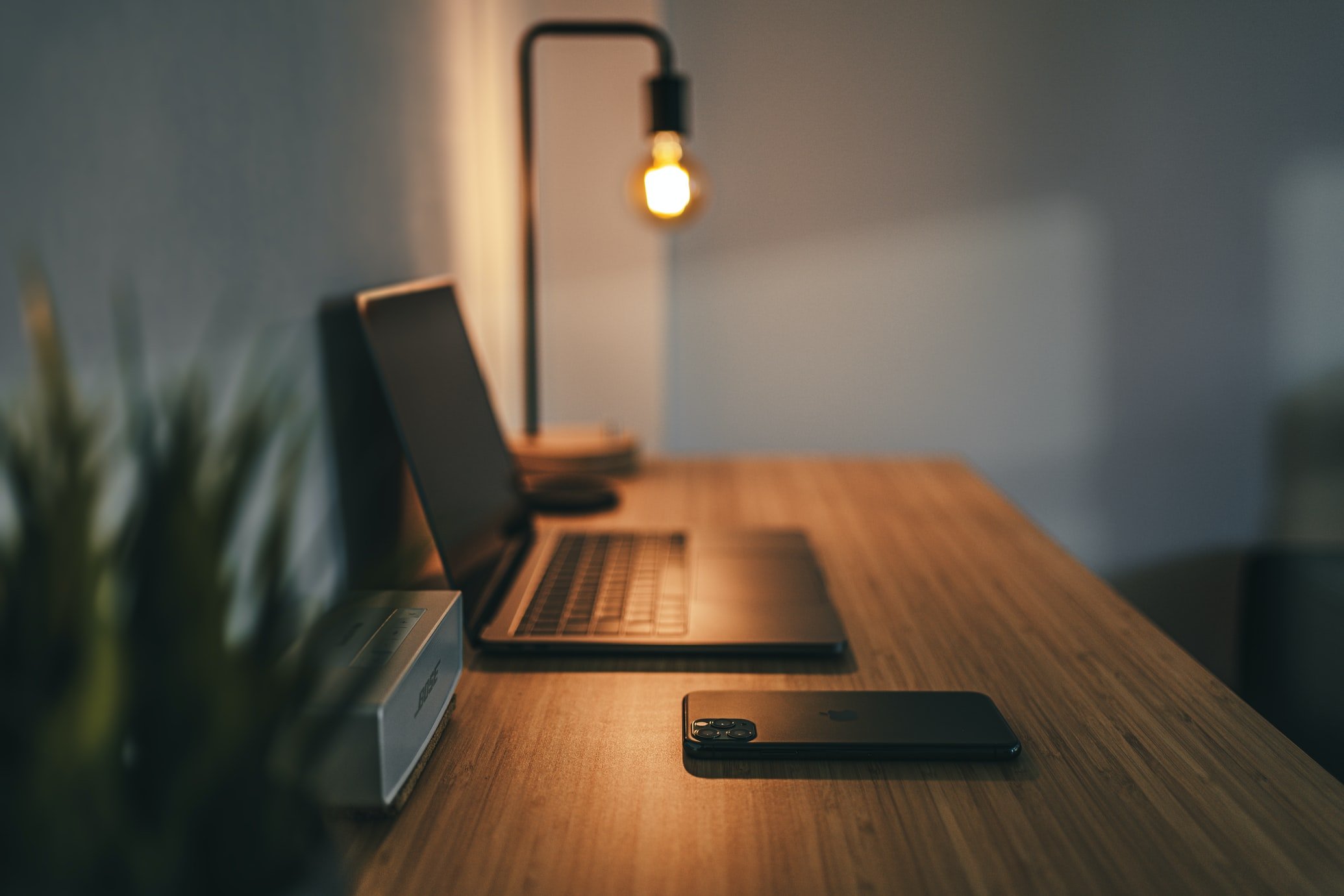
How to Organize Your Desk
The personal or office desks may reflect the habits and personality of the owner. Some people like to keep their desks highly personalized and colorful. An organized desk may mean more comfort, higher productivity, and the best time management. It can also accommodate your inclinations and preferences.
The personal or office desks may reflect the habits and personality of the owner. Some people like to keep their desks highly personalized and colorful. An organized desk may mean more comfort, higher productivity, and the best time management. It can also accommodate your inclinations and preferences.
When you want to avoid being overwhelmed by the clutter, disorderly files, and paperwork stacks, you must give some time to organizing your desk. There are also certain items and resources available that are affordable but are highly effective in keeping your workstation and desk efficient at all times.
The desk organizer activities may not be complicated. Below are some important tips and steps which you can use to organize your workspace and desk and be more efficient and productive.
Cleaning your Desk
For organizing your desk, you need to first clean it thoroughly. Organizing and cleaning are easy when there is nothing on the desk. Remove all the items from the desk and keep them on the floor or some other table. Once the desk is blank, dust, wipe, and clean the desk to remove all kinds of stains. You can also apply a polish so that the scratches are not visible. Also, clean your computer if you have one on your desk, at this time.
Now that you have cleaned your desk, you need to classify and organize the items that you removed from the desk. You need to put the items you want to throw away into one group, and the item that you intend to keep in another. Get rid of all the unimportant items and keep only the bare necessities. All the trash obtained during cleaning the desk should be disposed of as well. Do not forget to update your space by removing outdated calendars and other old items. However, you can always keep things with a sentimental value (like your old photos).
Reordering your Desk
When you reorder the desk, do not stress about putting the things in the same way. Imagine and think of new and more creative ways to stack up against your computer and other belongings of the desk.
Your desk may require certain new supplies like ink pens, paper, or staples among others. Apart from putting up a new and fresh calendar, you can also reload your desk with these essentials. Rearranging and reordering your desk this way ensures that you can preserve and improve productivity and eliminate clutter. The documents and the tools should be kept within reach, while the computer should be kept at the center of the disc.
You can also add some decorative touches to the desk to personalize it and to make it more attractive. The decorative items can be humorous coffee mugs, statues, framed pictures, and others. Also, place some inspirational messages and images that will keep you motivated at work.
Promoting Efficiency
You need to think wisely when you want to be more efficient. For instance, the essential items that you use often should be kept close enough, at arm's reach. These items can be typing papers, writing utensils, communication devices, notebooks, and other kinds of accessories including digital accessories. Likewise, pens and pencils should be kept in separate cups or pen holders. The stapler and the paper clips should be located near the printer. These are the creative ideas that will help you be more efficient.
Non-essential items that are not used frequently can be stacked in the drawers. If you are using several smaller items, you can also purchase the drawer organizer trays. These trays can easily fit the drawers of the desk and the compartments and can help you keep your items in a classified way. Paper trays can be used to keep the documents in a more sorted wave.
Organizing Desk Cables
There can be many tangled wires on the desk if you own and use many tech devices and gadgets. These wires may come from the printer, computer, phone, internet modem, and other kinds of devices that are plugged into some extension cable lead. Before you plug anything, make sure that the extension lead is fixed at the back of the table. All the lengthy wires should be shortened, which will help you prevent and reduce the mess. The wrap straps can be used for shortening the wires. You can also label the cables (at both of their ends) to know at any point which cable is for serving what purpose.
Conclusion
The tips given above can help you have a clean, organized, and productive workspace and desk that also looks motivating and inviting at all times. Having an efficient and organized desk is also easier nowadays with many resources (for instance the cable management box) available at a low and affordable cost.

Problems That Could Be Interfering With Your Garage Door Opener's Signal
Like many, maybe you have experienced that frustrating moment when the garage door opener fails to work. You change the battery on the opener and press the button, but the garage door still won't open. The problem may stem from the signal or receiver of the residential garage door opener. Here are potential causes to check out.
Like many, maybe you have experienced that frustrating moment when the garage door opener fails to work. You change the battery on the opener and press the button, but the garage door still won't open. The problem may stem from the signal or receiver of the residential garage door opener. Here are potential causes to check out.
Moisture
Garage door sensors are remarkably resilient. They are not easily impacted or damaged by weather elements like rain or wind, especially since they are located inside the garage. However, if the garage door is left open for long periods of time in bad weather, the sensor might become fogged or misted. This can prevent the door opener signal from being received, so the garage door does not respond. If your opener stops working, check the sensor for signs of weather impact, such as snow drifting under the door to accumulate at the sensor.
Dust or Debris
Similarly, cumulative dust or debris from sand, sawdust shavings, or other common materials found in the garage may keep the sensor from recognizing the garage door opener signal. While this is not common, a substantial amount of debris resulting from woodworking, construction work, or other types of high-intensity activity can circulate air swiftly and strongly around the garage. Potentially, this movement could interfere with the sensor's ability to receive the door opener's signal.
Rodent and Insect Damage
Another possible cause of a malfunctioning garage door opener signal sensor is when a rodent chews through the wire or gnaws on the sensior. Mice, rats, chipmunks, and squirrels have been known to chew through exposed wires or mechanical devices in a garage. Less commonly, insects can burrow into areas of the garage door near the sensor. The size of their nest may obscure the sensor's ability to accept the garage door opener's signal. Heavy cobwebs from spiders might disrupt the signal, although this scenario is less likely.
Displacement
Occasionally, a gentle but firm tap of the sensor from a kid's scooter or basketball can knock it off track. While you might not be able to see a difference in its position, the sensor could be moved just enough to keep it from receiving the door signal. Fortunately, some types of displacement are easy to fix. However, if adjusting it doesn’t fix it, residential garage door openers are relatively affordable if yours must be replaced.
Inspect your non-functioning garage door opener for problems like those indicated above. If you are still unsure of the cause, contact a garage door repair professional.

4 Ways Blizzards Can Damage Your Home's Roofing This Winter
You probably don’t think about the roof over your head very often. But the roofing has to endure all types of severe weather, from summer hailstorms to winter blizzards. Any damage can compromise the roof causing damage to the interior of your home.
You probably don’t think about the roof over your head very often. But the roofing has to endure all types of severe weather, from summer hailstorms to winter blizzards. Any damage can compromise the roof causing damage to the interior of your home.
Weight of the Snow
A blizzard usually means heavy snow. The type of snow can determine the weight of the snow. The wetter the snow, the heavier it is, measured as a water ratio. Normal snow has a ratio of 10:1, which means every 10 inches of snow equals one inch of rain.
Just a foot of normal snow can weigh 9,360 pounds on your roof or 6.2 pounds per square foot. And a foot of wet snow can weigh over 18,000 pounds. This weight puts a lot of stress on your roof. This is a bigger problem for flat roofs than for gabled roofs because snow won’t slide off as easily until it melts.
Ice Dams
Melting snow can cause ice dams to form at the edge of the roof and prevent water from draining properly. Ice dams form when the snow underneath begins to melt because of the heat escaping from the interior of the home. The melted snow then forms an ice dam at the edge of the roof, damming the water.
If there are any small cracks in the roofing, the water can leak into the attic of the home and down the interior walls. Water leaks can soak insulation, ruining its insulation value, and can also cause water stains on ceilings. If it continues, mold can form.
Wind Damage
Along with the heavy snow, blizzards also bring high winds. If the winds develop before the snow, it can damage the shingles. High winds can tear shingles from the roof and crease other shingles. Creases in the shingles cause the shingles to lose their waterproof abilities.
High winds and the weight of the snow can cause tree limbs to fall on the roof. Not only do broken tree limbs add to the weight on the roof from the heavy snow, but can also damage the roof and the roof flashing.
Thawing and Refreezing
After a blizzard, the thawing and refreezing cycle can cause problems. Just like in streets, driveways and sidewalks, this cycle can cause small cracks to appear. As the water gets into the smallest crack in the roofing during melting, the refreezing will cause cracks to become larger. Eventually, this will lead to water leaking into the interior of your home.
Blizzards cause several problems for your roof, during and after the storm. You should have your roof inspected each spring for any type of damage from winter storms. If you suspect an issue with your roof, talk to a roofing professional, like Brandon J Roofing, before winter storms hit.

How Do Solar-Powered Home Work on Cloudy Days?
If you have recently become interested in solar power for your home, then you might be wondering how that type of system is going to work on cloudy days. While clouds could have a big impact on the amount of energy that is generated, there are quite a few steps that you can take to ensure that your solar electric system remains viable throughout the year.
If you have recently become interested in solar power for your home, then you might be wondering how that type of system is going to work on cloudy days. While clouds could have a big impact on the amount of energy that is generated, there are quite a few steps that you can take to ensure that your solar electric system remains viable throughout the year.
An Overview of Solar Electric Systems
This type of green energy is more popular than ever, and thousands of homeowners are having solar panels installed every year. The primary purpose of a photovoltaic system is to turn the sun’s energy into usable electricity. Your system is going to accomplish that by capturing the energy with solar panels and then redirecting it toward your home’s existing electrical panel.
Solar Power on Cloudy Days
Even though direct sunlight is ideal, photovoltaic panels will continue to collect energy through indirect sunlight. That includes the minor sunlight that is going to make its way through thick clouds that are passing over a home. You are probably going to see a dip in your system’s energy production on extremely cloudy days, but the energy production shouldn’t stop entirely.
Understanding Solar Efficiency
In some cases, rain clouds can even be beneficial to solar electric systems because the water is going to rinse away dust and other grime that might have collected on the solar panels. There are also a few things that you can do as a homeowner to improve the overall efficiency of your new solar panels. That includes trimming any trees that are nearby, keeping the panels clean, and regularly inspecting them for any signs of damage.
Power Storage Options
Installing a battery storage system is another step that you can take to make the most out of your new solar panels. A solar battery storage installation company should be able to carry out that upgrade within just a few hours, and those devices last for years with the proper maintenance. After they are in place, you will be able to continue using all of the power generated by your panels throughout the night and on extremely cloudy days.
There are many different online calculators that can be used to determine how much power a solar electric system on your home will produce each year. Once you have used one of those calculators, you will then need to contact a reputable solar company in your area like Harmon Solar who can further explain the pros and cons of those residential power systems.

