

A resource for those seeking information on organizing and transforming spaces.
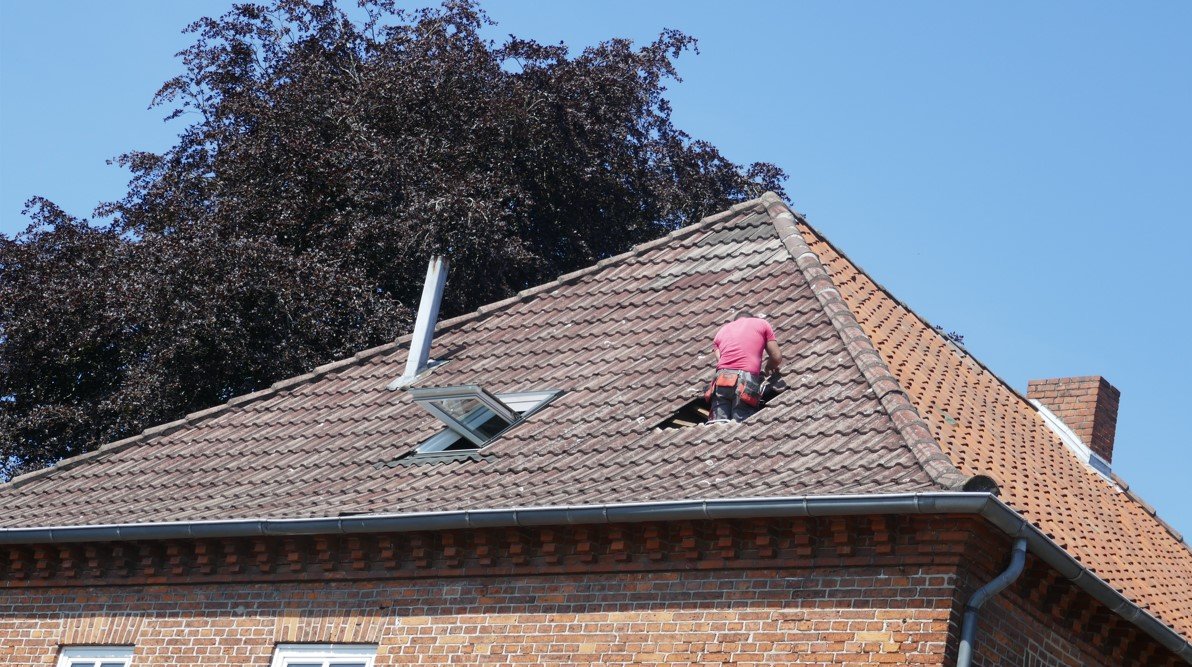
How to Inspect Your Roof After a Storm
Even if you have a relatively new roof, a storm could still cause major damage in the blink of an eye. That is why you should always spend a few minutes inspecting your roof immediately following high winds and heavy storms.
Even if you have a relatively new roof, a storm could still cause major damage in the blink of an eye. That is why you should always spend a few minutes inspecting your roof immediately following high winds and heavy storms.
Checking the Roof From the Ground
The very first thing that you should do after a storm is to take a quick look at the roof from the ground. Some of the most common types of roof damage that you should be looking out for include missing tiles, missing shingles, bent flashing, and large objects on the roof. Luckily, storm damage is often relatively easy to fix as long as you catch it right away and immediately contact a roofing repair company. If your roof requires repairs, then they will be able to help you resolve them. Additionally, they’d likely be able to see something that you may not have noticed.
Getting a Closer Look
While a quick inspection from the ground will allow you to catch major problems, there could still be some smaller issues that require a closer look. As long as you are comfortable doing so, you should use a ladder to get slightly closer to the roof. Once you are on the ladder, you might notice relatively minor problems such as missing nails, shingles that are beginning to curl, patches of mold, or rust.
Walking Around the Exterior of the Home
You will also need to inspect the exterior walls of your home and the ground near the foundation. When a roof is damaged, it is going to impact the rest of the house as well as certain areas on your property. Piles of loose granules, broken shingles, and water stains on the walls are just a few of the most common signs of roof damage that you might notice along the outside of your home.
Heading Into the Attic
It is an unfortunate fact that many different types of mold are extremely toxic and will greatly increase your risk of countless ailments. After a storm has occurred, you should always spend a little bit of time checking your attic for leaks, standing water, or excess moisture. When those issues aren’t taken care of, they could result in a mold outbreak that makes your home completely unlivable.
If you aren’t comfortable inspecting your own roof, then you will need to contact a reputable roofing contractor at least a few times a year. One of those professionals will have the tools and training that are needed to carefully inspect every inch of your roof and its support structure for any signs of damage.

Ways To Make Neutral Home Decor Exciting
Check out the best ways to make neutral home decor exciting with professional tips and tricks. Find out which colors look best in a neutral space.
Neutral doesn’t mean bland. Many people embrace neutral home décor because it’s relaxing and calming. Still, too much brown can make your space look boring. Find ways to make neutral home decor exciting when you embrace the right tones and textures.
Popular neutral tones include:
Beige
Gray
Off-white
Ivory
Black
Silver
Gold
Blush
Taupe
Design With Texture
To make neutral colors pop, give them texture. Create dimension when you choose textures you can see and feel. Tactile textures are 3D and make your space more vibrant. Find a balance of rough materials like brick and wood along with soft textures like fur and suede. Wall hangings, rugs, and throw pillows stand out when you use enticing textures.
Learn To Layer
Another way to create tactile texture is with layers. When choosing a transitional area rug, consider multiple shapes and sizes that will pair together. To layer rugs or pillows, you’ll start with the biggest one you have on the bottom (or at the back for pillows). Place smaller pieces on top to create a layering effect.
Include Plants
Get away with adding color to your neutral space with plants. They blend in seamlessly to any design. Bring the natural world inside your home to freshen it up and make it comfortable.
Choose a Bold Accent Color
Decorating with neutrals doesn’t mean you can’t add a splash of color. Amp up your design with a bold accent color like yellow or blue to draw attention to or away from certain areas in your space. Consider a colorful accent pillow, chair, or wall hanging to stand out against everything else in the room.
Make It Shiny
One of the best ways to make neutral décor look great is with metallics and mirrors. Balance muted shades with shiny and reflective surfaces. Use metals, crystals, mirrors, and more to give your space a little sparkle.
With so many ways to make neutral home decor exciting, you may find it difficult to choose a direction. Neutral designs are forgiving and transitional, so you can easily swap out items you don’t like. Edit your space as you get acquainted with it so your home becomes a relaxing space you love.

What to Do in Order to Prepare for Spring and Summer
Spring and summer will eventually be here. Hopefully, they're a pleasant time of year. However, if they're a pleasant surprise, then it might be a case of you not being ready. Knowing what to do in order to prepare for spring and summer lets you make the most of each season.
Spring and summer will eventually be here. Hopefully, they're a pleasant time of year. However, if they're a pleasant surprise, then it might be a case of you not being ready. Knowing what to do in order to prepare for spring and summer lets you make the most of each season.
Plan Your Vacation
Most years, the first few months of a new calendar year are known as “wave season” for the cruise line industry. People know how much money they have to spend after the holidays are over, and they're looking forward to getting places that are warm, sunny, and maybe even exotic. Get the best deals and options by planning early.
Get the Yard Ready
Make sure the lawnmower still works, and have some idea when the grass will need its first cut. Check with gardeners in your area for when to plant specific herbs, fruits, flowers, and veggies you want to enjoy in the coming months. If you decide to do indoor seedlings for later transfer, you'll need to start that while it's still wintertime.
HVAC Inspection
If your heat is still running, then your air conditioning might be the last thing you're thinking about. However, it's been sitting there idle all winter. You want to make sure it works the first time you fire it up for long sunny days. Have an air conditioning repair technician come out early in the spring to give it a lookover and standard maintenance. If you didn't have this done in the fall, then you might especially need more work on it than you think. This will likely save you a headache in the upcoming summer months.
Clean the Pool
One thing that is often overlooked is having maintenance done on the pool. It’s often an easy thing to do, but if forgotten, can cause issues long-term. Make sure to contact a local company and have your pool and pump inspected to ensure everything is running smoothly and all the gunk is cleaned out.
Bust Out the Decor
Whether it's a flag you fly in front of your home or just a seasonally patterned throw you put over your good sofa, you might have some spring- and summer-specific decor to mark the sunny time of year.
The calendar always keeps moving, and March will come again. Spring will also come, whether that's March where you live, or earlier or later. Be ready for it when it does so you can spend time enjoying it instead of catching up.

Your Guide to Cleaning Your At-Home Gym Equipment
With gyms getting shut down during the pandemic, many people reverted to building an at-home workout space to remain consistent with their fitness goals. When it comes to gym equipment, cleanliness and upkeep are just as important as putting in the physical work. Did you know that weights have 263 times more bacteria than a toilet seat? That’s why it’s important to keep up your cleaning routine alongside your fitness regime. Below we include tips on how you can start cleaning and caring for your at-home gym equipment.
With gyms getting shut down during the pandemic, many people reverted to building an at-home workout space to remain consistent with their fitness goals. When it comes to gym equipment, cleanliness and upkeep are just as important as putting in the physical work. Did you know that weights have 263 times more bacteria than a toilet seat? That’s why it’s important to keep up your cleaning routine alongside your fitness regime. Below we include tips on how you can start cleaning and caring for your at-home gym equipment.
3 Step Cleaning Routine for At-Home Gym Equipment
Here’s an overview of a cleaning schedule for your workout essentials:
1. Wash your equipment daily with a simple soap and water solution to clean daily dust and dirt build up.
2. Sanitize and spray down your equipment after each workout to reduce the spread of bacteria and germs.
3. Disinfect your equipment monthly with strong solutions for a deep clean that eliminates germs.
How to Clean Your Gym Equipment
Every piece of fitness equipment deserves its own TLC. Here’s how to clean germs and bacteria off of different pieces of gear.
Cardio Equipment
Cardio equipment includes stationary bikes, treadmills, stair masters and any other equipment you usually use to get your heart rate pumping. Follow the steps below to ensure you’re putting safety first:
1. Unplug the machine.
2. Mix a few drops of dish soap with warm water.
3. Dip a cloth into the soapy water and towel wash all of the non-electrical services including the areas that get the most love—the pedals and seats!
4. Dry the washed areas with a second, clean cloth.
5. Finish the cleaning routine by wiping down all surfaces with a disinfecting wipe or solution and let it air dry.
Our shoes and workout clothing can also carry germs, so make sure you’re cleaning them often to avoid spreading the germs onto your clean equipment.
Strength Training Equipment
Strength training equipment includes gear like weights, dumbbells and resistance bands. Here’s a simple 4-step cleaning routine to implement into your strength training regime:
1. Mix a few drops of dish soap with warm water.
2. Dip a microfiber cloth into the mixture and wipe down the equipment.
3. Dry the weights with a separate microfiber towel.
4. Finish off by wiping them down with the disinfectant solution or wipe and let them air dry.
For more tips on how to clean different at-home gym equipment along with a DIY cleaning recipe, check out the infographic created by adidas below. Happy cleaning!


