

A resource for those seeking information on organizing and transforming spaces.
4 Ways to Make a Small Apartment Look Spacious
Saving space in your home is one of the most important things if you're living in a small apartment. Too much stuff and some bad planning can make your home look closed off, and no one likes to live in a messy place.
But living in a small space and successfully managing it isn't impossible either - you just need the right tricks, which we're going to tell you all about in this article.
Saving space in your home is one of the most important things if you're living in a small apartment. Too much stuff and some bad planning can make your home look closed off, and no one likes to live in a messy place.
But living in a small space and successfully managing it isn't impossible either - you just need the right tricks, which we're going to tell you all about in this article.
Floor Space is Precious
Floor space is very important in real estate in small apartment complexes - the more that's visible, the more open the area looks. Keep the furniture to the bare minimum, and avoid getting tables and chairs that aren't absolutely necessary.
You can even downsize on your furniture if the space is very tight - trade-in your three-seater couch for a loveseat. In this way, you can fill your apartment with all the necessary amenities without taking up as much space.
The Power of Smart Decorating

Some interior designers like to use certain optical illusions to make a space look wider or taller than it is. We're going to talk about all these tricks today.
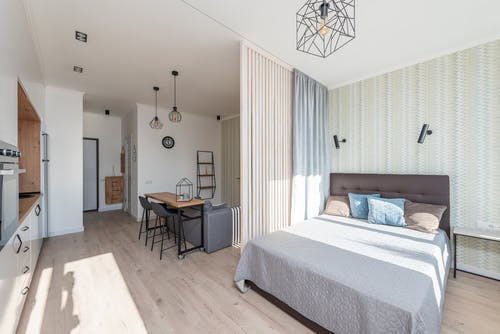
Use vertical lines in your space to make it look taller. This doesn't necessarily have to be in the form of wallpaper with stripes - it can be in the form of vertical paneling, or even some subtle vertical patterns in your paint.
In the same way, horizontal lines make a space look wider.
In the same way, you can choose either wide and low furniture or tall and narrow ones. For example - a large single-seat armchair with a high back instead of a low couch. Swap a sofa for a low loveseat.
When draping windows, install the curtain rod high up in the ceiling instead of just on top of the window.
Full-length mirrors are known to make a space look bigger. Putting one up on the wall or getting a closet with mirrored doors can be a great way to make the space look more open.
When decorating, stick to a single statement piece of wall art or a small collage instead of smattering a bunch of decoration pieces all over the place - this can get crowded and make the area look closed off.
Optimize Furniture
Another thing about small apartments is that there's very limited storage space in them. There's only so much you can hide away in your cupboards and closets, and when your personal possessions get too much it can get messy no matter how you try to organize your space.
In cases like that, you need to start looking for storage space where there wasn't any - like under the bed and behind the mirrors.
Keep it Simple
The goal with your home decor in a small apartment should be to make it feel as open and spacious as you can. Here's what you can do to achieve that:
Stick to a simple color pallet, and don't crowd the space with too many colors either. Lighter shades and hues can make the space look more open than darker ones, and you might want to stay away from overbearing patterns and designs.
To add depth as well as openness in the space, make use of different textures and layers instead of colors and loud patterns.
Adding layers of sheer fabric to the windows, using light and natural fabrics for drapes, and getting monochromatic embroidered cushions are all examples of how you can incorporate textures to your home to give it character, all the while making sure the space remains open.
If you want plants in the space, invest in wall planters and hanging pots instead of putting them on tabletops. The same goes for any framed photos, paintings, and decoration pieces.
How To Write A Home Improvement Contract
When you face the necessity of composing a home improvement contract as a contractor or signing it as a person who is planning home organizing or moving, it is vital to understand every aspect that must be taken into consideration. As we know, moving belongs in the top three of major life pains that an average person encounters, which is not surprising as it always starts with paperwork, planning, and home improvement contracts. Fortunately, there are ways to address these issues by taking enough time to study all the cons and pros of each proposal. An understanding of the home improvement contract is where it is always good to start!
When you face the necessity of composing a home improvement contract as a contractor or signing it as a person who is planning home organizing or moving, it is vital to understand every aspect that must be taken into consideration. As we know, moving belongs in the top three of major life pains that an average person encounters, which is not surprising as it always starts with paperwork, planning, and home improvement contracts. Fortunately, there are ways to address these issues by taking enough time to study all the cons and pros of each proposal. An understanding of the home improvement contract is where it is always good to start!
How to Start With a Home Improvement Contract?
In the majority of cases, people tend to seek already existing contracts that they can edit or adjust each paragraph to their specific needs. It means that home improvement contracts that are written from scratch are rarely encountered. It is not even about possible grammar mistakes, structure, missed paragraphs, or lack of knowledge that can become a serious issue but working with permissions and legal clauses that would satisfy both parties. If there is something unrealistic that is being mentioned, it can lead to significant delays before physical actions concerning logistics and transportation take place. Turning to a verified home improvement service company is always a great idea as it will provide a helpful template, yet make sure that you check every paragraph on your own even if you do not understand half of the terms.
Regarding the accuracy and composition of your initial needs clearly, you can approach professional services like TrustMyPaper, Grammarly, or SupremeDissertations for your contract, home improvement proposal, and related composition needs or when you are in need of some research based on construction or project planning issues (recommended by Huffington Post). Likewise, even when you write an email message, why not improve your style by checking free service like Hemmingway app to increase the readability of your proposals. Still, it is always helpful when you can discuss things in person or do so virtually, which is becoming a popular service these days in times of pandemic restrictions.
The Home Improvement Contract Structure
Without a doubt, the most important is to know what must be included in an average home improvement contract so you know what to look for and what parts must be avoided in case they are there! Here is a breakdown of all the important paragraphs that must be present:
1. Contact information and legal identification of the homeowner. It should include the full name of both sides of the contract, home address, contact information, email, and all the information necessary for a document to hold legal power.
2. Contact information, state registration, and legal data of the contractor.
3. The type of work that must be done, including a description of equipment and materials being used. Providing a business plan of your own might be a good idea in case you have better options of materials purchase or already have something that will be helpful during the home improvement process. It is usually a compromise that must be found!
4. The list of construction work permits and relevant inspections. This part should not be neglected as there are noise levels in the area during construction work permits, work hours permissions, environmental standards, construction limitations, and many other factors that should be studied and mentioned in every home improvement contract.
5. The part about the project's start and finalization dates.
6. Calculation and explanation of the costs.
7. Payment schedules and details (this is where all financial information must be present). It is also where you must discuss and outline various deposit payments and penalties in case there are delays or constructions materials have not been supplied on time.
8. Financial terms and conditions with the bank information.
9. Warranty offered by the contractor paragraph.
10. Arbitration & Dispute Resolution paragraph.
Remember that both homeowner(s) and contractor company must sign the agreement with the current date only when all the terms have been fully understood and explained. The list above is just a basic template, which means that there may be additional paragraphs in your particular home improvement contract case.
What About Legal Disputes?
Since these always represent a great concern among homeowners, it is necessary to seek legal help first and avoid following the templates since they may not be applicable to state laws or peculiarities of a home improvement contract in question.
Jamie Fry, a legal consultant, and researcher at BestEssayEducation, adds: "The most important aspect that must be addressed with great care when dealing with a home improvement contract is arbitration provision paragraph, which will satisfy both homeowner and the contractor. Since some states of the country provide specific legal rights of homeowners, it is essential to outline these minor differences before agreeing on dispute resolution clauses".
The same relates to financing aspects and loans. One should remember that there are local laws that must be met before any home improvement contract with financial loans is being signed! The terms and conditions of any financing task must be explained clearly with examples and a list of limitations.
Learning to Identify Home Improvement Contracts
As a rule, when you are being offered a home improvement contract, do not hurry to sign it because there are many parts that require your attention and go beyond the classic outline. There are both inclusions and exclusions that take place as well, depending on a particular case and even the location (state, county) in the United States. There is a proposal that discusses performance issues, materials, storage, logistics, and many other things that are related to post-service, cleaning, planning, and force majeure clauses. Even when you discuss virtual organizing, always ask for a template copy of the home improvement contract, so you can discuss things with your legal advisor, depending on your particular situation.
The Myths and Realities of Home Renovations
A home renovation can be a great way to improve your home and increase its value, but it can also be a lot of work. There are many misconceptions that homeowners may have about the renovation process. No matter what section of the house you are going to have renovated, it is a good idea to keep some of the following things in mind to ensure the best outcome.
A home renovation can be a great way to improve your home and increase its value, but it can also be a lot of work. There are many misconceptions that homeowners may have about the renovation process. No matter what section of the house you are going to have renovated, it is a good idea to keep some of the following things in mind to ensure the best outcome.
Prepare for Debris
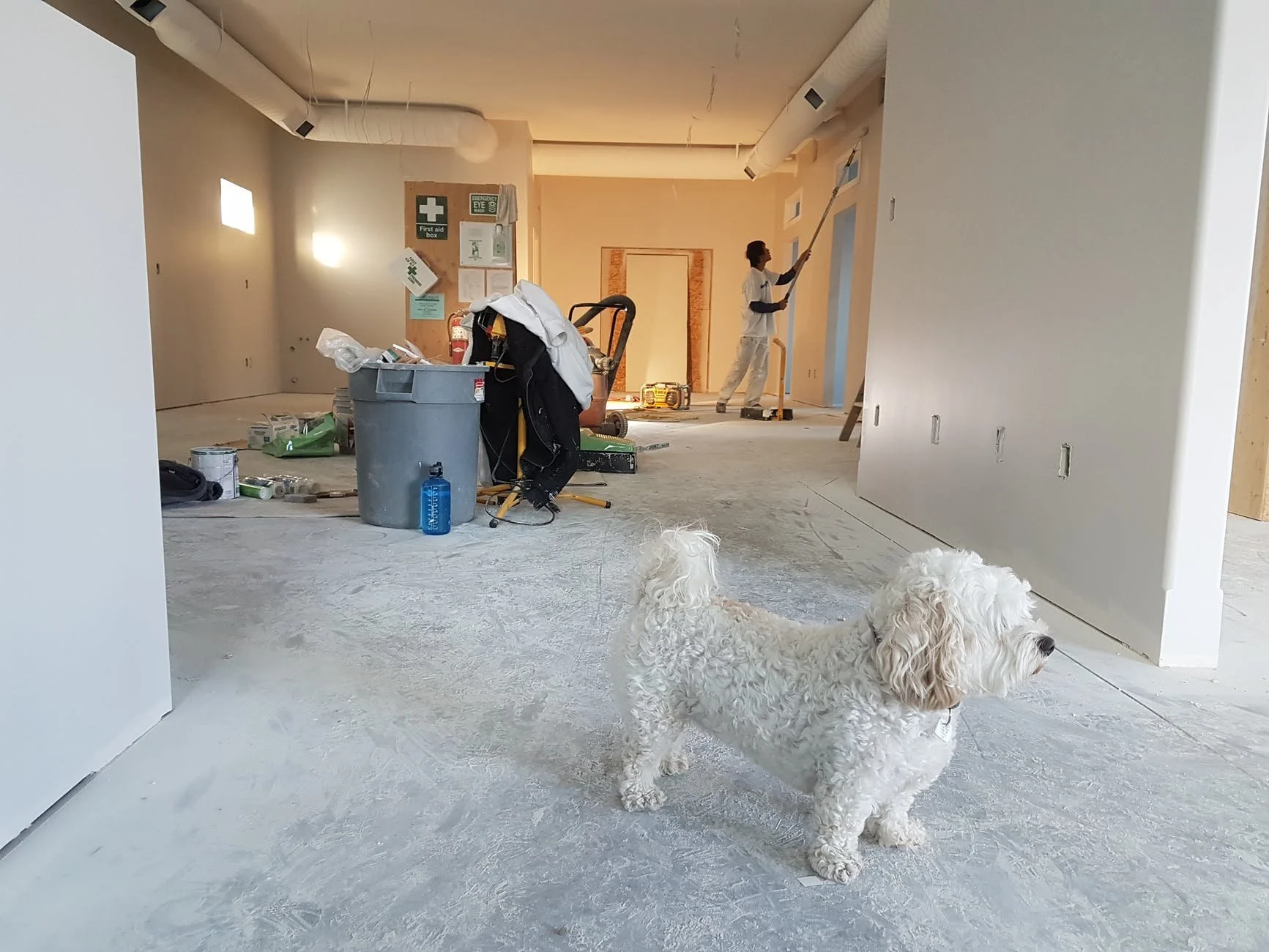
Though the contractors will do their best to keep trash contained within the designated areas, the fact of the matter is that there is no telling what the procedures may entail. Sometimes debris may be generated in an unexpected way or a water line may have excess water in it, even after being turned off. Though messes are ideally avoided, being prepared for them can reduce stress.
The House Will be Noisy
As a general rule, repairs and renovations can be noisy and disruptive. Depending on the size of the renovation being performed, it can be a good idea to prepare for getting out of the house for a bit. You will not want to be around the noise and the dust for the entire time a lengthy renovation is being performed. Ask about what kind of timeframe to expect and prepare accordingly.
Prepare for Sudden Changes
Though capable contractors will strive to be as accurate as possible when they are giving you a timeframe, they are only human. Some projects can prove to be too big, or unexpected issues may arise. The human element can be difficult to prepare for, and the best way to anticipate problems is to allow for a small window of error for the potential project’s completion.
Be Ready to Move Furniture
The best way to limit the amount of damage to your property during sustainable home renovations is to make sure that as little of your fixtures are around during the renovation as possible. Sometimes this is unavoidable, but other times it will be necessary for the success of the process itself. Collaborate with the professionals, and take the time to ask about what you can do to make the project easier and more successful.
No two home renovations are ever the same. Contractors are prepared to deal with unexpected problems, and it is a good idea to foster open communications to know what is going on with the project. Try to keep an open mind about deadlines, and be ready to work with additional contractors should the need arise.
How To Make Your University Room More Cozy
If you’re moving away to University, congratulations! This is a really exciting time and if you’re moving into student accommodation, we are here to give you a few hints and tips about how to make your university room more cozy. Whilst living in student accommodation is really fun, the rooms aren’t always the cosiest, but you can transform them with these few affordable changes!
If you’re moving away to University, congratulations! This is a really exciting time and if you’re moving into student accommodation, we are here to give you a few hints and tips about how to make your university room more cozy. Whilst living in student accommodation is really fun, the rooms aren’t always the cosiest, but you can transform them with these few affordable changes!
Soft Furnishings
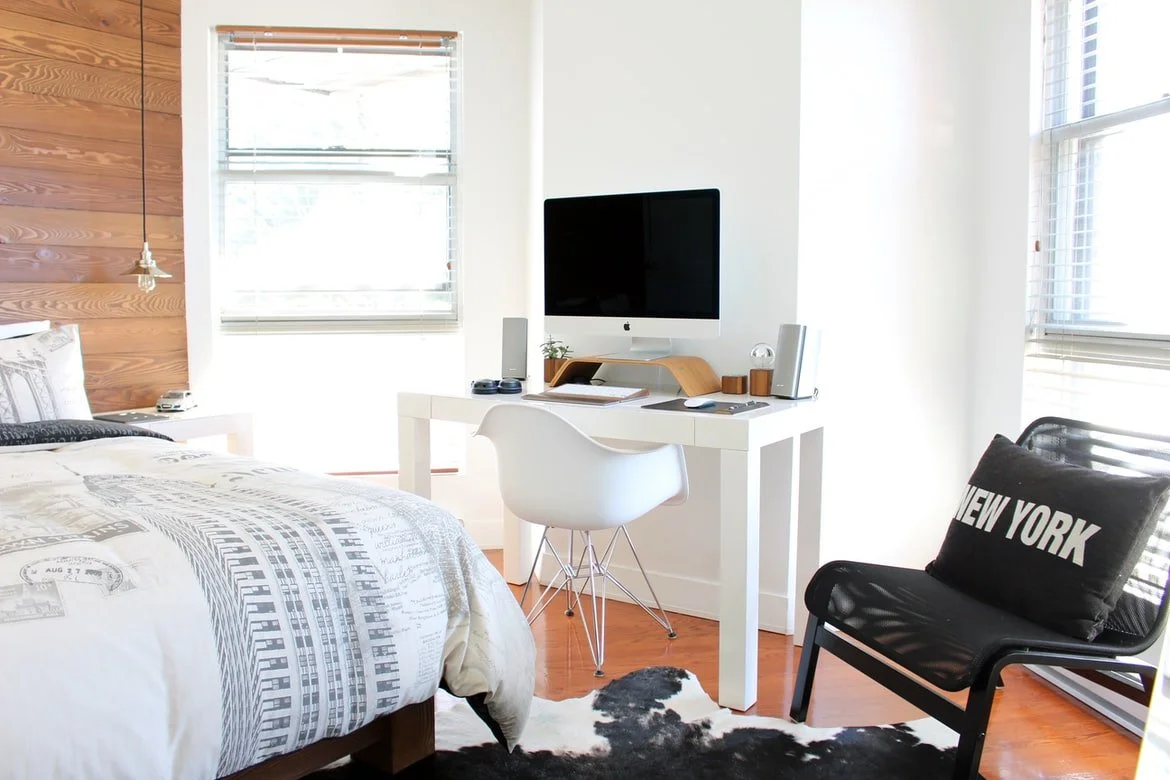
The first thing you should do to make your room feel more cozy is to get yourself soft furnishings. You’d be surprised at what a difference some cheap bedding sets, a rug, blankets and pillows make to your room! You can choose your own colour scheme to make your neutral room more exciting and get it to feel super cozy. For around £30 you will be able to get everything you need to feel more at home in your university room.
Photo Wall
Next up, to bring all of the memories from home with you, print off lots of photos and create a photo wall. It is likely that you’ll have a cork board in your room, so you can simply pin up the photos. If not, use removable hooks and create a line at the top of the wall. Then, attach your photos onto a pretty rope with small pegs and add fairy lights too if you’d like. You will be reminded of your loved ones every day and it will add some real character to your home.
Get A Few House Plants
Another really simple thing you can do to add some life to your room is to invest in a few houseplants. Buying big houseplants can be really expensive, so the best thing to do is buy them when they are smaller and watch them grow during your time at university. This way, it will be really affordable and also rewarding.
House plants not only look great but they can also have a positive effect on your wellbeing, helping to improve your mood, reduce stress and improve your attention span. If you are a beginner, succulents, Chinese money plants, yucca’s, spider plants and peace lilies are all very low maintenance. If you water them once every 1-2 weeks in the summer, once every 2-3 weeks in the winter and make sure they have some indirect sunlight, they should be good to go!
Change Up Your Lighting
Usually the lighting can be a bit drab in student accommodation, so adding your own warm lighting can transform the room. Adding things like a bedside lamp, warm fairy lights and a reading light can completely change the look of any room!
Add Your Own Scent
Last but not least, you should add your own scent to the room. You probably won’t be allowed to use candles, but things like oil diffusers and plug in scent diffusers work really well. Choose your own scent or replicate the scents that are familiar from home to help you relax instantly. You will soon associate the scent with feeling relaxed and cozy in your university room!

