

A resource for those seeking information on organizing and transforming spaces.

Common Causes of Power Outages – And What to Do
The average U.S. citizen experiences eight hours without electricity each year from power outages. During brownouts and blackouts, individuals may experience hardships that adversely affect their health and well-being. Most residents rely on electricity to power their medical devices, preserve their food, or pump water into their homes, among many other tasks.
An individual can minimize their loss of vital resources by preparing for outages. After identifying the causes of brownouts and blackouts, residents may identify the best protection resources and techniques for their specific regions.
The average U.S. citizen experiences eight hours without electricity each year from power outages. During brownouts and blackouts, individuals may experience hardships that adversely affect their health and well-being. Most residents rely on electricity to power their medical devices, preserve their food, or pump water into their homes, among many other tasks.
An individual can minimize their loss of vital resources by preparing for outages. After identifying the causes of brownouts and blackouts, residents may identify the best protection resources and techniques for their specific regions.
Why Do Power Outages Happen?
Before identifying the top prevention and response techniques, individuals must explore the common causes of outages. The media discusses many brownouts and blackouts deriving from storms. For example, last year, winter storm Uri made national headlines because of its mass power disruption.
After the storm hit, residents of Texas lost electricity for days. The outage caused hundreds of deaths from freezing temperatures or compromised medical devices. Disaster response professionals tracked the blackout back to an operator error.
Texas’ electric grid operator was unable to manage the system and left millions of individuals without power. Many outages derive from natural causes and human error. Some lesser power outages occur when drivers hit telephone poles and bring down electric wires or transformers.
Other outages come from hurricane-force winds, earthquakes, and lightning. When lightning strikes a transformer, it causes a voltage spike and overloads the electric current. The transformer is an essential component of local energy systems because it moves electricity from power plants to customers.
Energy professionals assess the common causes of outages and develop prevention and response methods to reduce adverse effects. Developing microgrids, installing generators, and preserving vital resources can protect individuals during power outages.
Developing Microgrids
In Texas, winter storm Uri’s adverse outage effects impacted many individuals because of the grid’s size. Professionals can minimize the number of residents affected by outages by developing microgrids. The smaller systems may also use smart technology to reduce the number of human-caused outages.
The systems contain autonomous sensors that track and respond to real-time energy demands. Maintaining a “goldilocks zone” flow of electricity reduces overload on transformers and preserves energy supplies. The technology also assesses potential issues like overheating during storms to inform professionals and minimize outage triggers.
Individuals can also create solar microgrids to minimize the frequency of outages. The system develops electricity using an array of photovoltaic panels and distributes energy using conventional power lines. There are fewer working parts in a solar microgrid, so storms have less of an effect on the system.
Purchasing Generators
Residents and business owners can also minimize the effects of outages by purchasing generators. Before individuals make their purchases, they should calculate their average energy usage by receiving an audit. Then they can determine which appliances are essential and require connections to a generator.
After evaluating a building’s essential power needs, individuals may calculate their necessary generator sizes. Some building owners may need a large inverter, whereas other residents may require portable generators. Once individuals purchase the best generator for their energy needs, they may connect it to the circuit breaker and power their systems and appliances.
Protecting Your Home
Residents and building owners can protect their appliances and resources during outages to prevent adverse effects. Always remember to keep freezers and refrigerators closed to preserve temperature-regulated foods.
As our world becomes increasingly connected, it’s also important to protect household electronics. Power outages are often accompanied by power surges, which can be very damaging for electronics. Backing up devices before potential outages will help prevent the loss of data, and during brownouts and blackouts, individuals should unplug their appliances and devices to reduce surge-related damage risks.
Individuals should reach out to their local energy supplier about heating options in their area during outages. Do not try to heat your home using a gas stove when your power is off. When residents preserve their goods during storms, they can minimize their outage-related complications.
The Benefits of Taking Outage Preparedness Measures
Outage preparedness measures can protect individuals and households during unexpected brownouts and blackouts. You can protect your health and safety by installing a generator or accessing electricity through a microgrid. Residents may also minimize food and electronics waste by protecting their goods from rotting and surge damage.

How to Design a Home Space for Your Pet
If you’re a pet owner considering a home redesign, don’t forget to keep your furry family member in mind. While dogs and cats generally enjoy being wherever you are, having a designated home space for them can boost their comfort levels, keep them safe, and can even add to the functionality of your home.
If you’re a pet owner considering a home redesign, don’t forget to keep your furry family member in mind. While dogs and cats generally enjoy being wherever you are, having a designated home space for them can boost their comfort levels, keep them safe, and can even add to the functionality of your home.
Whether you want to transform a room completely or just update a small area of a room for your four-legged friend, designing a home space for your pet is easier than you might think.
Let’s face it, your pet deserves the best, right? Giving them their own space is a fantastic way to “treat” them while keeping them safe and secure at the same time. Not sure how to get started? Try some of the following design tips for a more pet-friendly house.
What Does a “Pet Room” Need?
Creating a room specifically for your dog or cat doesn’t have to take a lot of time or money. There are a few basic needs to keep in mind that will ensure your pet’s safety and comfort.
First, consider the best room to transform. A spare bedroom, warm attic, or even a space under the stairs are all cozy options your pet will enjoy. Once you have a room picked out, the designing fun begins.
Whether you have a dog or cat, selecting the right furniture and storage options is key. You’ll want to choose furniture that can’t tip over easily, even if your cat jumps on it or your dog bumps into it. Comfortable couches and chairs will make great resting spots, but a pet bed that’s low to the ground will probably end up being their favorite place to nap.
A good rule of thumb is to choose furniture and storage options that are durable. Cats and dogs can be destructive at times, even when playing. The most durable furniture fabrics are:
Cotton
Leather
Microfiber
Olefin
Choosing pieces with these fabrics can help to ensure that your furniture will hold up to general “wear and tear”.
Another way to keep your pet from being destructive is to make sure you have plenty of toys and activities for them in their room. A tired pet is a well-behaved pet, so include things that will keep them physically and mentally stimulated.
Keep Your Home Aesthetic in Mind
If you don’t want to dedicate an entire room to your pet, there are plenty of ways to give them their own space while keeping the functionality and aesthetic appeal of your home in mind.
A small corner with a pet bed, a few toys, and a food/water dish will keep your pet content and won’t take up too much space. Consider dedicating a corner of your home office or bedroom to your pet, and you’ll be able to keep an eye on them throughout the day.
If you don’t have a lot of space in your home for your pet to roam, you might consider adding a pet door. A door close to the ground will allow your dog or cat to come and go freely and explore the outdoor environment surrounding your home. But, if you decide to go that route, it’s best to have a professional install the door. Not only will they be able to install the right size, but they’ll ensure it’s secure, to keep your home safe from any critters (or even would-be burglars) who might try to get in.
The best way to design a home space for your pet is to keep the “look” of your home intact while creating an area that is safe, fashionable, and functional for your four-legged friend. Animals need to have their own space to relax. So, whether you can afford to transform an entire room or dedicate a corner, be practical with your design, and it’ll be a space both you and your pet can appreciate within the home.

Last-Minute Landscaping Tips to Prepare for Family Parties
Having family parties outdoors allows you to invite more guests and to enjoy the outdoor space that you work so meticulously on throughout the year. Before you start setting up the tables and the food, however, make sure to address these last-minute landscaping tasks.
Having family parties outdoors allows you to invite more guests and to enjoy the outdoor space that you work so meticulously on throughout the year. Before you start setting up the tables and the food, however, make sure to address these last-minute landscaping tasks.
Remove the Weeds
When you're throwing a family party, you want to make sure the space is as aesthetically appealing as possible so that guests feel welcomed. Overgrown weeds in the yard can make the space look more like an untamed jungle than a soiree for an event. While you're pulling up the weeds, trim any overgrown hedges or bushes as well. Check the grounds for any dried-up petals from flowers or twigs from trees too.
Mow the Lawn
Giving the lawn a good mowing before your guests arrive is a good idea, so make sure to book an appointment with landscapers. A mowed lawn will look crisp, fresh, and inviting as your family members arrive at your home. Do try to schedule the mowing for a few days before the party. If the lawn is mowed right before the event begins, some guests might have their allergies irritated by loose pollen or other such substances. To make sure that your yard is consistently maintained, it’s a good idea to schedule regular maintenance with a landscaping professional. The frequency in which your yard should be maintained will depend on what kinds of plants you have.
Look for Pests
If a swarm of bees suddenly descends upon the party, your guests aren't going to be able to enjoy themselves. While you can only control wildlife to a certain extent, you should be aware of certain particular hazards. For example, in the event that a beehive is resting close to the deck where your guests will sit, having the hive removed is important.
Check for Cracks
You don't want any of your guests to fall as they navigate the yard, so make sure to check for any cracks in the patio, porch, or steps. You might be able to patch up the cracks by yourself with some at-home tools, or you may need to call in a professional to make sure the work is taken care of properly. Whether or not you need professional assistance will likely depend upon the severity of the damage and your own knowledge of how to repair the issue.
When it comes to hosting a party, you're probably thinking about the food, the drinks, and the dancing. The landscaping at your home might easily slip your mind. However, in order to create a safe and inviting atmosphere for your guests, you'll want to make landscaping a priority on the to-do list before your next backyard celebration.
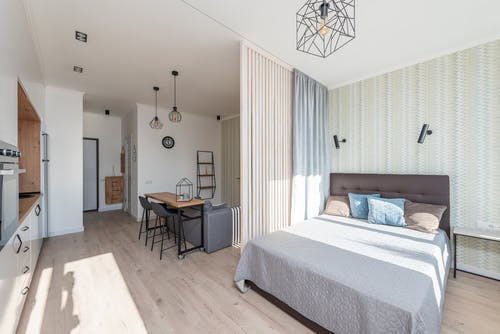
4 Ways to Make a Small Apartment Look Spacious
Saving space in your home is one of the most important things if you're living in a small apartment. Too much stuff and some bad planning can make your home look closed off, and no one likes to live in a messy place.
But living in a small space and successfully managing it isn't impossible either - you just need the right tricks, which we're going to tell you all about in this article.
Saving space in your home is one of the most important things if you're living in a small apartment. Too much stuff and some bad planning can make your home look closed off, and no one likes to live in a messy place.
But living in a small space and successfully managing it isn't impossible either - you just need the right tricks, which we're going to tell you all about in this article.
Floor Space is Precious
Floor space is very important in real estate in small apartment complexes - the more that's visible, the more open the area looks. Keep the furniture to the bare minimum, and avoid getting tables and chairs that aren't absolutely necessary.
You can even downsize on your furniture if the space is very tight - trade-in your three-seater couch for a loveseat. In this way, you can fill your apartment with all the necessary amenities without taking up as much space.
The Power of Smart Decorating

Some interior designers like to use certain optical illusions to make a space look wider or taller than it is. We're going to talk about all these tricks today.
Use vertical lines in your space to make it look taller. This doesn't necessarily have to be in the form of wallpaper with stripes - it can be in the form of vertical paneling, or even some subtle vertical patterns in your paint.
In the same way, horizontal lines make a space look wider.
In the same way, you can choose either wide and low furniture or tall and narrow ones. For example - a large single-seat armchair with a high back instead of a low couch. Swap a sofa for a low loveseat.
When draping windows, install the curtain rod high up in the ceiling instead of just on top of the window.
Full-length mirrors are known to make a space look bigger. Putting one up on the wall or getting a closet with mirrored doors can be a great way to make the space look more open.
When decorating, stick to a single statement piece of wall art or a small collage instead of smattering a bunch of decoration pieces all over the place - this can get crowded and make the area look closed off.
Optimize Furniture
Another thing about small apartments is that there's very limited storage space in them. There's only so much you can hide away in your cupboards and closets, and when your personal possessions get too much it can get messy no matter how you try to organize your space.
In cases like that, you need to start looking for storage space where there wasn't any - like under the bed and behind the mirrors.
Keep it Simple
The goal with your home decor in a small apartment should be to make it feel as open and spacious as you can. Here's what you can do to achieve that:
Stick to a simple color pallet, and don't crowd the space with too many colors either. Lighter shades and hues can make the space look more open than darker ones, and you might want to stay away from overbearing patterns and designs.
To add depth as well as openness in the space, make use of different textures and layers instead of colors and loud patterns.
Adding layers of sheer fabric to the windows, using light and natural fabrics for drapes, and getting monochromatic embroidered cushions are all examples of how you can incorporate textures to your home to give it character, all the while making sure the space remains open.
If you want plants in the space, invest in wall planters and hanging pots instead of putting them on tabletops. The same goes for any framed photos, paintings, and decoration pieces.

