

A resource for those seeking information on organizing and transforming spaces.
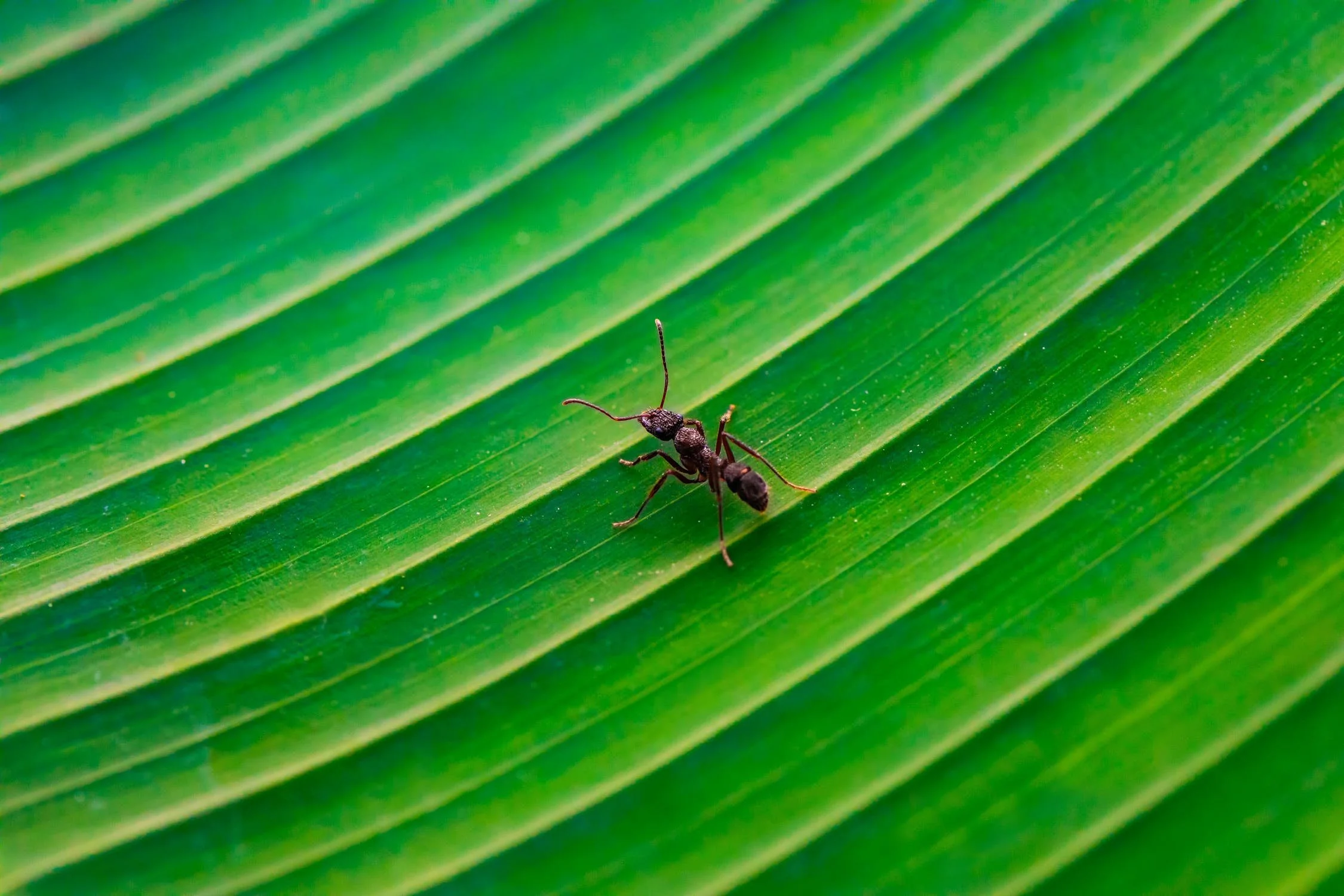
5 Backyard Improvements to Keep Pests Away
Your backyard is an attractive and elegant extension of your home. It can provide your property with natural beauty and value, but it can be hard to care for when you are not sure where to begin. Pests can cause a lot of trouble in many areas of your garden, but knowing how to prepare for them can allow you to optimize the area’s health. Below is a list of tips to help prevent pests from taking over your yard.
Your backyard is an attractive and elegant extension of your home. It can provide your property with natural beauty and value, but it can be hard to care for when you are not sure where to begin. Pests can cause a lot of trouble in many areas of your garden, but knowing how to prepare for them can allow you to optimize the area’s health. Below is a list of tips to help prevent pests from taking over your yard.
Keep Your Yard Clean
One of the best ways to keep pests away is to keep your yard clean. This means keeping your lawn mowed as well as finding and removing any debris around the area and keeping your flower and vegetable beds tidy. When you take a proactive approach to your garden’s health, you are making it far more difficult for pests to find a place to live and breed. Preventative care is often critical to your ecosystem’s health.
Install a Fence
A fence can do wonders to help keep pests out of your yard. Try to install a fence that is at least five feet high, as it will make it difficult for animals like raccoons and squirrels to get into your yard. Think about what materials and aesthetics you want to choose for your fence as well, as the installation can provide your backyard with visual benefits, as well as practical ones.
Use Pest-Proof Materials Around the Garden
If you are planning on having many beds for your flowers and plots for your trees, it is important to select the appropriate materials for their construction. Think about using pest-proof systems like metal or plastic when you are planning around your garden, especially if you have a lot of wood-chewing nuisances like termites around. These sections will make it harder for insects and other pests to thrive around your plants.
Identify Insect Hotspots
Certain parts of your backyard may be more likely to attract pests compared to others. For example, mosquitos like to spend time around water, so it’s best to prevent moisture from pooling in your yard. If you aren’t sure what is drawing pests to your yard, consider hiring a mosquito control specialist. These experts know exactly what parts of your property could be attracting pests to your property.
Use Plants that Repel Pests
There are certain plants that can help repel pests from your backyard. Some of these plants include lavender, peppermint, and lemon balm. By planting these flowers and herbs in your yard, you will be able to keep pests away without using pesticides. Many of these options can also beautify your yard, making them perfect choices for those who have not yet gotten started on their garden space.
Be sure to work around any natural landmarks that already exist on your property to maximize the desired effect. Naturally occurring boulders and trees can be perfect for deterring pests, and they can be easily worked into your fences and barriers to create a difficult terrain for pests to navigate.

How to Design a Functional Home Office
In order to be productive and efficient in your work, you need to work in optimal conditions. That goes both for the traditional office and a home office. Working from home has only slowly started gaining popularity when it was all sped up by the sudden coronavirus outbreak. Many people around the world were caught unprepared at that moment, without having an actual home office and being forced to work from home. Only at that moment did many people realize how important it is to have an actual home office, with all its aspects. If you work from home full-time or part-time and you still haven’t designed your ideal home office, it’s high time you did so. It will benefit you in terms of productivity, efficiency and comfort, making it pleasant for you to work.
So, you should start with finding the right place for your home office - it doesn’t have to be a separate room. When you have found it, you should focus on using soothing colors for walls and other features. Then comes the essence of a highly functional and practical home office - picking out stylish and comfortable office furniture. It’s important to make it bright and add some plants for cleaner air. When organizing the furniture in your home, you should keep the view in mind as you want it to be as perfect as it can be. And of course, for peace of mind, you need to keep your office clean and organized at all times.
In order to be productive and efficient in your work, you need to work in optimal conditions. That goes both for the traditional office and a home office. Working from home has only slowly started gaining popularity when it was all sped up by the sudden coronavirus outbreak. Many people around the world were caught unprepared at that moment, without having an actual home office and being forced to work from home. Only at that moment did many people realize how important it is to have an actual home office, with all its aspects. If you work from home full-time or part-time and you still haven’t designed your ideal home office, it’s high time you did so. It will benefit you in terms of productivity, efficiency and comfort, making it pleasant for you to work.
So, you should start with finding the right place for your home office - it doesn’t have to be a separate room. When you have found it, you should focus on using soothing colors for walls and other features. Then comes the essence of a highly functional and practical home office - picking out stylish and comfortable office furniture. It’s important to make it bright and add some plants for cleaner air. When organizing the furniture in your home, you should keep the view in mind as you want it to be as perfect as it can be. And of course, for peace of mind, you need to keep your office clean and organized at all times.
1. Find the right place
This is the first and the most important step in designing a functional home office. If you have an extra room in your home that you can turn into a home office, good for you - use it by all means. Or you can even adapt some other room if you don’t use it as often as you would a home office. This is up to you. However, not everybody is blessed with an extra room lying around.
Many people need to find some other solution. So, what you can do is think about the room where you can integrate your home office. You actually just need some part of the room. It can be your bedroom, living room, dining room or even the kitchen. What you need to consider additionally is the noise and people traffic. After all, you need a quiet room, without too many people passing through. It will help you focus more easily and be prompt about your work.
2. Use soothing colors
Now that you have chosen the spot for your home office, it’s time for picking out colors. Again, the level of modifications depends on where your office is going to be. You can think about the colors that make you feel soothed and productive. You can consider repainting the walls to fit your office needs. Also, you will have these colors in mind when picking out the furniture, which is the next essential step. Interior designers suggest using colors such as warm shades of brown, taupe or sand for creating a non-distracting background. On the other hand, light blue shades are connected to clear thinking, while dark blue colors create a stable atmosphere. If you work long hours, then light shades of green are a perfect option for you as they don’t tire our eyes.
3. Pick out stylish and comfortable office furniture
The next step is all about picking out stylish and comfortable furniture. The choice of furniture is closely connected to the job you do. However, some furniture pieces are key for almost all jobs out there that you can do from home. So, what every home office needs is a big-enough stable desk and an ergonomic chair to support your back. Moreover, some technology such as a desktop or a laptop and a printer is usually a part of a home office. And we mustn’t forget about some handy storage space. This will help us keep our office organized and tidy.
When it comes to working from home, good thing is that you have more freedom to choose your place of working if you get bored with your office. For instance, if you have a yard or a garden, you can go and work outside in fresh air. All you need is some comfy patio furniture and retractable shade sails when the sun is too strong. Imagine working from a peaceful, luscious green garden, while sipping your coffee, smelling mixed flower scents, listening to birds chirping happily and a warm breeze going through your hair? Hard to resist, right? This wouldn’t even feel like work.
4. Make it bright and add some plants
In order for your home office to be fully optimized and functional, it should be bright enough. So, have that in mind when picking out the spot for your home office. Ideally, it would be a room with big windows, so you can have plenty of natural light. It boosts your mood and sets a positive atmosphere.
Moreover, you can never go wrong with adding some plants to your home office. It is also advisable in other rooms as well. By adding a few plants here and there, you incorporate a natural element in your home office. Additionally, plants purify the air, so besides being a nice sight for our eyes, they are also beneficial for our health.
5. Consider the view
When thinking about how to organize your home office in the best way possible, you should consider the view you want to see when working. That will fasten the process of designating where your desk will be, and then the other things as well. You always first start with the desk as it is a central piece of your home office. If you have a window that gives you a look at a park or your garden, place your desk in front of it. In that way, you’ll be able to enjoy a nice view and fresh air when opening the window.
6. Keep it clean and organized
Of course, keeping your office clutter-free and organized is implied, but we’re still going to mention it. Working in a neat office where everything has its place is key to feeling mentally at ease and being able to perform your job efficiently.
When it comes to designing a home office, you have more freedom in making it just the way it soothes you, which you can’t always do at the company’s office. Make sure you use this potential in the right way.

Electric vs Gas Water Heaters: Which Is Better for You?
Since electric and gas water heaters are both popular types of water heaters, there's a debate between them. Users of both electric and gas water heaters claim that their choice is more cost-effective and efficient. If you are trying to decide which one to buy, here are the pros and cons of each type of heater.
Since electric and gas water heaters are both popular types of water heaters, there's a debate between them. Users of both electric and gas water heaters claim that their choice is more cost-effective and efficient. If you are trying to decide which one to buy, here are the pros and cons of each type of heater.
Electric Water Heater Pros and Cons
The most common type of water heater is an electric heater, which uses electricity to heat the water. In the US and UK, electric water heaters are becoming more popular. The advantages are that they're energy-efficient, easy to use, and have lots of bells and whistles. However, there are some disadvantages as well: They can be expensive to install and require regular maintenance.
Gas Water Heater Pros and Cons
As a cleaner energy source, gas is better for the environment. A gas hot water heater is also an excellent choice for people living in cold climates. These heaters are also usually cheaper to install than electric ones. Gas hot water tanks, however, should be checked for leaks regularly. They can be more expensive overall due to the cost of replacing them when they break down.
No Clear Winner
Gas and electric water heaters both have pros and cons, making it difficult to decide which is superior. They're also similar in many ways. With an electric water heater, for example, you can adjust the temperature with a switch, but gas water heaters also come with features like thermostatic controls, automatic over-temperature protection, and more that electrical ones don't have. Fortunately, specialty companies like Mr Waterheater can service either type of water heater you buy.
Other Types of Water Heaters
Besides these two options, here are five alternative types of water heaters to consider, too:
1. Heat pump water heaters: These do not directly use electricity to heat water.
2. Hybrid gas water heater: This is a water heater that has a tank that is at least two gallons.
3. Indirect water heaters: These usually use the boiler within the home as a heat source.
4. Integrated water heaters: These are water heaters and space heaters integrated into a single system.
5. Solar water heaters: These harness the energy of the sun to heat water.
How to Decide
It can be difficult to decide between electric and gas water heaters. You must consider a lot of things. These include the cost of electricity versus gas, the size of the tank, and the impact on the environment.
You should keep a few things in mind if you're not sure which type of water heater is best for you. Budget is the first thing to consider. You might be better off with an electric water heater if you don't have a lot of money to spend on one right now but would like to get one eventually. Another thing to consider is utility rates. If you live in an area where electricity is more expensive than gas (or vice versa), then you might use the cost to decide. Ultimately, keep your specific situation in mind when making a final decision.
What to Do When a Storm Damages Your Home
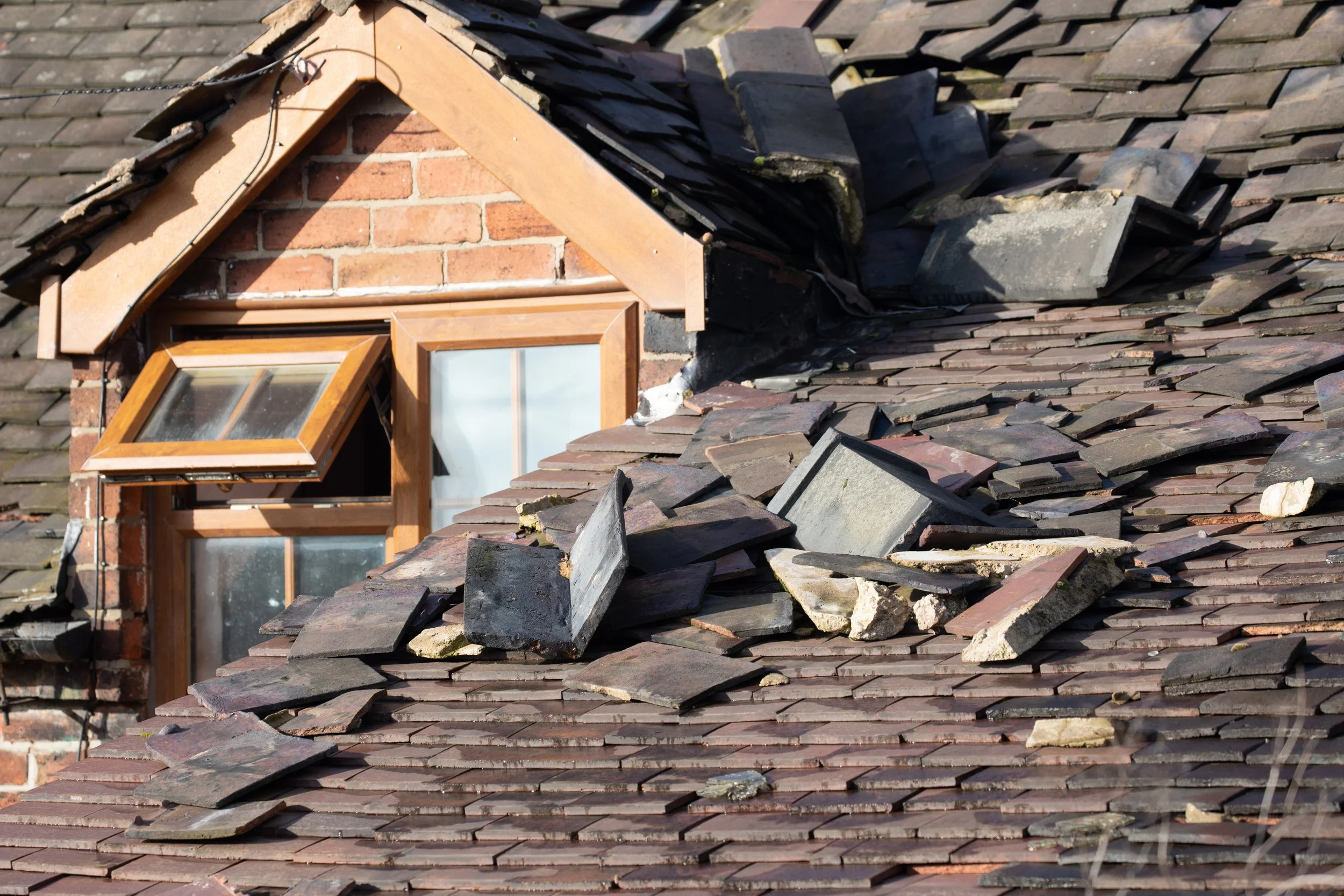
Even a modest storm can result in considerable property damage. From staying safe and assessing the scope of any damages to knowing where to seek out the best professional repair services and solutions, knowing what to do in the event that your home suffers damage from a storm or other severe weather event could end up making quite a difference.
Even a modest storm can result in considerable property damage. From staying safe and assessing the scope of any damages to knowing where to seek out the best professional repair services and solutions, knowing what to do in the event that your home suffers damage from a storm or other severe weather event could end up making quite a difference.
Address Any Safety Issues
Issues like flooding or structural damage caused by hail or high winds could pose a significant safety hazard. Checking your home to ensure there is no standing water, exposed electrical wiring, or other issues that could pose a hazard to you and your family should always be your first priority.
Assess the Damage
A quick check of your home can also help you to determine the scope and severity of any storm damage. While minor damages can often be addressed at a more leisurely pace, more significant problems like missing shingles or visible damage to your roof may require prompt action. Failing to spot any problems that may require speedy repairs or immediate attention could lead to further problems, many of which may entail higher repair or cleanup costs.
Arrange for Repairs
Not many homeowners possess both the tools and the know-how necessary to complete their own repairs, especially if they need to be done as quickly as possible. Calling in the professionals following a storm is often a smart move, one that can provide you with prompt repair solutions as well as the peace of mind that comes from knowing your home is in good hands. From water damage and flooding to hail damage and roof replacement services, doing business with a qualified professional can often be the best approach to take.
Preparing for Future Storms
A little preparation can also help to ensure that your home is better able to weather future storms. Replacing worn weatherstripping on door and window frames, trimming trees that have grown too close to your home, or installing storm shutters are all effective ways to minimize the risk of storm and weather-related damages.
Properly maintaining your home is an important responsibility. Knowing how to properly deal with storm or weather damage can go a long way toward lowering upkeep and future repair costs. Staying safe, inspecting your home for any damage following a storm, and calling in the professionals at the first sign of a problem are all essential steps when it comes to dealing with storm damage.

