

A resource for those seeking information on organizing and transforming spaces.

Guest Post - How to Claim Your Home Warranty
Your home warranty covers repairs and replacements on the appliances in your home. When you purchase a home warranty, your home appliance and system repairs will be covered for one year. Everyone’s home warranty is different; many standard plans include coverage of all parts and components of your house’s electrical, plumbing, HVAC systems, and other appliances. You can also customize your plan to make sure your home is completely covered.
Your home warranty covers repairs and replacements on the appliances in your home. When you purchase a home warranty, your home appliance and system repairs will be covered for one year. Everyone’s home warranty is different; many standard plans include coverage of all parts and components of your house’s electrical, plumbing, HVAC systems, and other appliances. You can also customize your plan to make sure your home is completely covered.
Claiming Your Home Warranty
Home warranties are different from your typical home insurance. They cover appliances and systems rather than the structure of your home and can help you save money from surprise home repair expenses. Your home insurance does not cover appliances like your dishwasher. If you want to make sure that all of your appliances and systems - from your washing machine to your plumbing - can be repaired as easily as possible and at an affordable price, then you’ll need a home warranty.
Home warranty claims typically follow this process:
Policy Holder Contacts Home Warranty Service Provider
Home Warranty Provider Connects Homeowner with Technician
Technician or Repairman Inspects Broken Appliance or System
Home Warranty Covers Item Repair or Replacement
Is There a Waiting Period?
Depending on the company you choose to get your home warranty from, you’ll likely have a waiting period of at least 14 days. Some policies don’t start until 30 days after you make your first payment on the plan. The reason for these extended waiting periods is companies want to make sure the appliances have truly stopped functioning because of old age or functionality. After the 14-30 day period has passed you can open up a claim. It is important to note that a waiting period of 30 days is typically seen if you did not buy your warranty within a real estate transaction.
When Should You Request Service?
Home warranties typically cover 12 months, so you can make a service request at any time after your waiting period has ended. Depending on your contract and policy provider, you may be able to request service any day at any time. The easiest way to submit a claim is to follow the instructions listed on your contract or go online to the company’s customer portal. You can also call them, but many companies aren’t available 24/7.
Are There Claim Caps?
Some warranty plans may limit the number of service appointments or claims that you can make. To know what your cap is be sure to look at your annual coverage limits because some might have a cap price that is higher than another depending on the appliance. For example, a washing machine might have a cap price of a few hundred dollars while plumbing might have a thousand dollars of wiggle room.
Do Warranties Cover Preventative Maintenance?
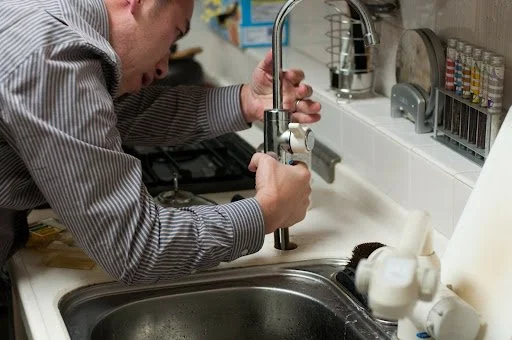
Unfortunately, many home warranties do not cover preventative maintenance, which means that homeowners pay out of pocket to maintain systems like their plumbing and HVAC. If you don’t maintain your systems and appliances, your home warranty provider can refuse to cover the cost of your repairs.
Some warranty providers go beyond regular home repairs and will help homeowners maintain their appliances and systems. Do your research before you choose a provider so that you know exactly what you’ll need to pay out of pocket.
What Can You Do If a Claim Is Denied?
Your warranty provider has the right to deny any of your claims when you need a repair. The warranty company will always send a contractor to your home to inspect items that need to be repaired and report back anything they find. For example, they will tell the warranty provider whether or not you have been keeping up with maintenance. If you haven’t been, your claim can be denied. Luckily, there are a few steps that you can take when your claim is denied.
Review your contract. Your agreement will state how to handle appeals.
Contact your home warranty provider. Make sure that you keep a list of dates you spoke to the company representative and include names. If direct instructions for appeals aren’t outlined in your agreement, make sure that you get the paperwork or instructions to appeal the denial of your claim.
Hire another contractor. Contact one of your local contractors to assess the item that needs to be repaired and get an estimate for the job. Ask the contractor to give you a note that states the cause of the damage.
Follow the appeal process outlined by your warranty company. This may include providing additional documentation.
Other Solutions
Contact the attorney general’s office that handles service denials and warranty fraud
File a lawsuit in small claims court
Hire a lawyer for large claims
Getting a Home Warranty
A home warranty can protect you from unnecessary expenses when something in your home breaks. Not to mention home warranties are great for every type of homeowner to help ease the stress of your first house or your last. To get a home warranty, all you have to do is research home warranty companies online and find the best plan for your home.
Next, speak to a customer service representative and sign a contract to make sure everything you need is covered.
Remember, different plans cover different appliances and systems, so make sure you read the agreement thoroughly before signing. Once you agree on a company and service that works best for you, you are all set and you can enjoy the comfort, relaxation, and success of owning your home.
About Author: Marné Amoguis
Marné Amoguis holds a B.A. in International Business from UC San Diego. She is a contributing writer at 365businesstips.com where she loves sharing her passion for digital marketing. Outside of writing, she loves traveling, playing music, and hiking.

What It Costs to Remodel a Kitchen: Here’s the Typical Price Tag
As a result of everyone spending more time at home during the last two years, more and more people are remodeling their homes. Kitchens are high on the list since this is one of the most high-traffic areas of any home. There are many factors that determine the final price for a kitchen remodel such as the size of the space, materials used, and the price of labor in your area. There are some ballpark numbers for different levels of remodels from research compiled by the real estate experts at HomeLight, and interior designer The Habitalist, that can help you get a basic idea as you start your research.
As a result of everyone spending more time at home during the last two years, more and more people are remodeling their homes. Kitchens are high on the list since this is one of the most high-traffic areas of any home. There are many factors that determine the final price for a kitchen remodel such as the size of the space, materials used, and the price of labor in your area. There are some ballpark numbers for different levels of remodels from research compiled by the real estate experts at HomeLight, and interior designer The Habitalist, that can help you get a basic idea as you start your research.
Minor: $10,000 - $15,000
When you want to increase a home’s marketability with low-cost improvements, or simply make a kitchen more pleasant to work and spend time in (with the least amount of financial commitment), then a minor kitchen remodel can be the way to go. A minor kitchen remodel is about updating the areas of your kitchen that are dated but without a major overhaul. This kind of change includes painting or refinishing your cabinets, replacing or adding a backsplash behind your sink, painting or adding a colorful accent wall, and even installing new appliances and light fixtures. The Habitalist shared with HomeLight that this kind of remodel could be in the lower price range if you go for a DIY job painting cabinets, use affordable white subway tiles, and go for a low-cost countertop like butcher’s block or Formica, instead of pricier stone materials like granite or marble.
Mid-scale: $15,000 - $30,000
For a change that still isn’t too disruptive, but with better materials, you’ll be in the range of a mid-scale remodel. Rather than painting or refinishing cabinets, you can resurface them and also replace cabinet hardware and even your kitchen sink. You might also go for a natural stone countertop in quartz or granite. If you have the space, adding a kitchen island with overhead pendant lights can be a welcome addition. If you feel like splurging, you can opt for stainless steel appliances, which you might even be able to get for a discount if you buy a refrigerator, stove, and oven, all at once. With midscale, you are still upgrading rather than starting a full-on renovation project.
Major: $29,000 - $64,000
A major kitchen remodel is the kind of project that makes you wonder if you are still standing in the same kitchen when everything is done. Tearing down walls and reconfiguring the placement of appliances, a sink, and a kitchen island could all be part of a major kitchen remodel. If you’re thinking of selling a home, going for a major kitchen remodel can make a home stand out in a competitive market. The sky's the limit with a custom layout and cabinetry, top-of-the-line materials and appliances, and upgrades that add that wow factor. To save money on a major kitchen remodel, you can mix high- and low-end finishes — with high-end cabinets and countertops while saving money on hardware, faucets, and light fixtures.
Remodeling a kitchen is a project, no matter how you price it out. Just how big of a project you make it, depends on your budget and what your future goals are for your home.

Repairs You Might Need to Make After Moving Into an Old Home
Are you getting ready to move into an old house and don’t know what to do next? Many home buyers do what is called due diligence, meaning that they hire an inspector to make a note of all potential problem areas of a house before making the final purchase. When moving into an older house, you might need to address those problem areas more frequently than you would with a newer house. The following are some repairs you might need to plan for.
Are you getting ready to move into an old house and don’t know what to do next? Many home buyers do what is called due diligence, meaning that they hire an inspector to make a note of all potential problem areas of a house before making the final purchase. When moving into an older house, you might need to address those problem areas more frequently than you would with a newer house. The following are some repairs you might need to plan for.
Basic Repairs
Some of the basic repairs that might need to be done in your home are: a new paint job, checking and replacing the wall outlets, making sure that all the electrical sockets function without any hazards, as well as replacing the old carpets. The last item, replacing the old carpets, is best done as a precautionary measure as many times you don’t know what they’ve suffered or to what they’ve been exposed. Finally, you should also check if the previous owners drilled holes in the walls, or if any existing holes need to be filled. This basic maintenance, if done thoroughly and in a timely fashion will help to ensure that your new house keeps its value long after you initially move in and call it “home”.
Advanced Repairs
Further measures that may entail more in-depth inspection and a larger investment, include possibly replacing the roof tiles as well as adding indoor insulation. If any molding or what is known as fruiting bodies has gathered in the interior woodwork, work must also be done to eliminate and replace that as well, as it is potentially a health hazard. Also, how long has it been since the previous owners have checked their furnace and air conditioner? Do they still function properly? How old are they? These are all important questions you must ask once you move in, as they could create a potentially very unpleasant summer and winter.
HVAC Repairs
HVAC repairs are often needed after moving into a new house. If either the furnace or the air conditioner is malfunctioning or needs to be replaced, it is often recommended to replace both systems at the same time. Furthermore, one should also get at least four estimates from reliable, certified contractors, as to the cost of repairs. Finally, the appropriate size of the HVAC system must be accurately measured.
All this hard work of getting settled into your new home can be exhausting, but it will be worth it. You will now be able to enjoy your home with peace of mind.

Signs That Your Refrigerator Is in Fact Not Running
Dealing with a broken refrigerator is a major pain, especially during bad weather when you can't necessarily get out of the house to buy food or call for delivery service. Knowing both the subtle and the more obvious signs that your refrigerator is starting to fail can help you to take care of the damage before the appliance totally breaks and you lose a fridge-worth of food.
Dealing with a broken refrigerator is a major pain, especially during bad weather when you can't necessarily get out of the house to buy food or call for delivery service. Knowing both the subtle and the more obvious signs that your refrigerator is starting to fail can help you to take care of the damage before the appliance totally breaks and you lose a fridge-worth of food.
Unusual Noises
While refrigerators do make some level of noise, you need to know what's normal and what's not. Pay attention to any changes in the noise patterns of your refrigerator. Also, be aware of any unusual sounds. Of course, do check to ensure that the sound is not easily solvable. For example, some people don't realize that their refrigerators beep when left open for too much until the first time this situation occurs. When you buy a new refrigerator, ask about this feature so that you aren't startled.
Warm Food
Warm food inside of your refrigerator is a sure sign that the appliance is not cooling properly. For example, if you take the meat out of the freezer, that food should be frozen. If the food is simply a bit chilly or warm in any way, then either your fridge isn’t running or something is wrong with it. Once you become aware of how warm your food is, it’s probably best to throw it out as soon as you can. Since the food wasn’t being kept cold and depending on how long that was the case, it’s very easy for you to get sick should you try to eat it. After that, it’s important that you call for sub zero refrigerator repair right away.
Strange Smells
Of course, rotting food could lead to an unusual smell in the refrigerator, as could failing to clean it regularly. However, a device could also be malfunctioning. You might, for example, smell smoke or electrical burning coming from the fridge. These situations are serious and potentially deadly. You must call the emergency services and get yourself, your family, and your pets out of the house.
Tripped Breaker
A refrigerator is supposed to be on a dedicated line in the house. A variety of reasons exist as to why the breaker that the appliance is on could trip. However, you should have the issue checked out by both an electrician and an appliance repair person. By doing so, you can make sure that no issues exist with the breaker, the electricity in the house, or the refrigerator itself. If this issue keeps happening, however, you will need to hire professionals who can investigate further.
Your refrigerator is a critically important appliance in the house. Without this appliance, you won't be able to keep the food you need for the week cold or properly feed yourself or your family. Thus, you want to respond as soon as you notice a problem might exist, as the sooner you notice the less time your food has to go bad and the problem has to get worse.

