

A resource for those seeking information on organizing and transforming spaces.

5 Easy Ways to Organize Your Dog’s Supplies
Having a dog is like having a furry family member—they bring so much joy, love and activity into your life. However, even though they are often less messy than your spouse or your kids, dogs require a lot of supplies if you want to have a clean, healthy and happy pup. So where do you put all the food, bowls, brushes and toys to avoid clutter in your home? Well, here are a few organizational tricks and tips for a clean home and well-supplied dog:
Having a dog is like having a furry family member—they bring so much joy, love and activity into your life. However, even though they are often less messy than your spouse or your kids, dogs require a lot of supplies if you want to have a clean, healthy and happy pup. So where do you put all the food, bowls, brushes and toys to avoid clutter in your home? Well, here are a few organizational tricks and tips for a clean home and well-supplied dog:
Create a shelf or drawer for walking supplies
Dogs need daily walks, even those that live in a very big yard. And all responsible dog owners use proper collars and other things when going for a walk. For the most practical approach to walkies, it’s best to dedicate some space in your hallway for collars, harnesses, leashes and muzzles. You can dedicate one hook in your hanger for your dog’s walking supplies or dedicate one drawer in the hallway closet or console. This way, you can quickly grab everything you need before stepping outside with your pup and putting all items in their place when returning home.
Create a feeding station
Breakfast and dinner are most dogs’ favorite times of the day. If your dog is also obsessed with food and snacks, make sure to provide them with a nice experience while keeping your house free of dog food. If you have a free floor cabinet in your kitchen, place a plastic container with a well-sealing lid and keep all the food in there instead of leaving it in a big bag. If there’s a drawer above the cabinet, use it for doggy treats and vitamins. When you get healthy dog treats, they smell nice, come in practical packaging that fits nicely in any drawer and can be sealed well. Still, when you keep the baggies in the drawer, your dog’s food will stay fresh for longer and you won’t notice any smells in your kitchen.
Owners who use an elevated feeder can designate space under the bowl for storing the food in a nice and stylish way. When doing the feeding, make sure to place the bowl on a special feeding mat that will prevent the bowl from sliding around and catch any spills.
Handle bathing supplies
Dogs might not be thrilled about baths, but these are necessary for their health and the cleanliness of your home. It might not be the most hygienic to give your pup baths in your family bathroom, so it’s a great idea to create a separate bath in the laundry room or mud room. A simple elevated bath with a shower is super practical and will leave your home free of bath-time mess. Above the bath, put up a simple floating shelf where you can keep all the brushes, trimmers, shampoos, detangling sprays and doggy colognes. Both laundry rooms and mud rooms are usually covered in tiles, so they are easy to clean, making them a perfect location for bathing your dog and storing bathing necessities.
Prevent toy mess
It’s hard to resist getting your dog a new toy whenever you go to your local pet center, so your pup most likely has dozens of plushies, chew toys and enrichment toys. And while it’s fun to watch your dog play with their fun entertainment, they never pick up their mess. Because you have to go after your pup when cleaning up, at least make sure to provide yourself with easy pickup and seamless storing. If your dog can roam around the house freely, put one little box in every room, so you can quickly store toys lying on the floor. It’s best to get a box without a lid, so the puppy can dig around and help themselves to their toys. With this system, you’ll easily get to see which toys are the most popular in your household. Those at the top are the favorites and those at the bottom are rarely used and can be donated to your local animal shelter.
Don’t forget about the medication
Unfortunately, our pets sometimes get sick, no matter how much we try to keep them healthy and fit. When that happens, dogs get prescription medication that needs to be taken throughout the day. Many of these meds need to be kept in a cool and dark place and away from the reach of kids, so keeping them on the kitchen counter is out of the question. The best thing you can do is dedicate one drawer in your bathroom or kitchen to store all the pet medication. This is also a great spot for your pet’s paperwork. If your drawer has an insert for easy organizing, use the space under it to keep all the paperwork together and in a safe and dry place.
It’s amazing just how many things our pets require. It’s easy for dog supplies to take over your house, so make sure to follow these organizing tips and keep all the puppy stuff under control.
Reward your furry friend with their favorite freshly made dog food. Making sure their bellies are filled enough can help them stay off the furniture, not beg at the table, or not get into the trash. It can also be a helpful tool to redirect their attention away from something they shouldn't be doing, like chewing on a shoe or digging in the dirt. Choose a high-quality, nutritious meal that aligns with your dog's specific dietary needs.

7 Tips for Turning Your Home into a Pet Haven
Explore these 7 tips for turning your home into a pet haven and ensure your furry buddy is always happy and healthy.
Our furry friends can be such darlings that it’s only natural to want to make our home theirs as it is ours. After all, they are, for all intents and purposes, members of our family, and they, too, deserve a bit of pampering. If you agree, here are the seven tips for turning your home into a pet haven and ensuring your fluffy buddy’s happy and healthy future.
#1 Keep items that are toxic for pets out of their reach

In some respects, pets are like kids – curious and sometimes unable to determine what is good for them and what isn’t. Sometimes a succulent leaf of a plant seems so tasty, and they can’t help but nibble on it a bit. But this is very dangerous behavior because many indoor plants are not safe for animals to eat. For example, if a dog decides to feast on a Sago Palm, it can end up with liver failure or death. What you can do is place your plants on a slightly elevated post that the non-climbing pets can hardly reach. Alternatively, if you own a particularly curious cat that likes to taste its surroundings, you might want to say goodbye to your inner garden’s toxic pieces.
Another hazard to pets’ health is products people commonly use to exterminate pests. These are designed to attract rodents or insects, but unintentionally, they can attract pets as well. Make sure you leave pest-control products in areas where your four-legged buddy’s snout does not have access.
#2 Keep breakables out of site
As the relocation experts from Centennial Moving have experienced many times, our little tail waggers tend to forget about their behind as they run around the house, which results in breaking a lot of stuff. Pet owners must be aware that their little fluffers are often very clumsy. Also, some cats, for example, just find it extremely entertaining to knock things over or push them to fall on the ground. Or simply, they misjudge the stability. A raccoon or a monkey will try to grab everything to climb somewhere, not knowing that the particular object cannot hold its weight. Therefore, it is best to either secure your breakables or remove them entirely from your pet’s reach.
#3 Build a playground for your pet to it happy and healthy

Just like people, animals need to be active to stay healthy. On top of that, running around and playing positively affects their mood. With today’s busy schedules we all are trying to manage, playing with our pets for hours is rarely a daily event. But you can ensure your pet gets everyday exercise by building a playground for it. All you need to do is do a little research on what is the most amusing activity of its kind.
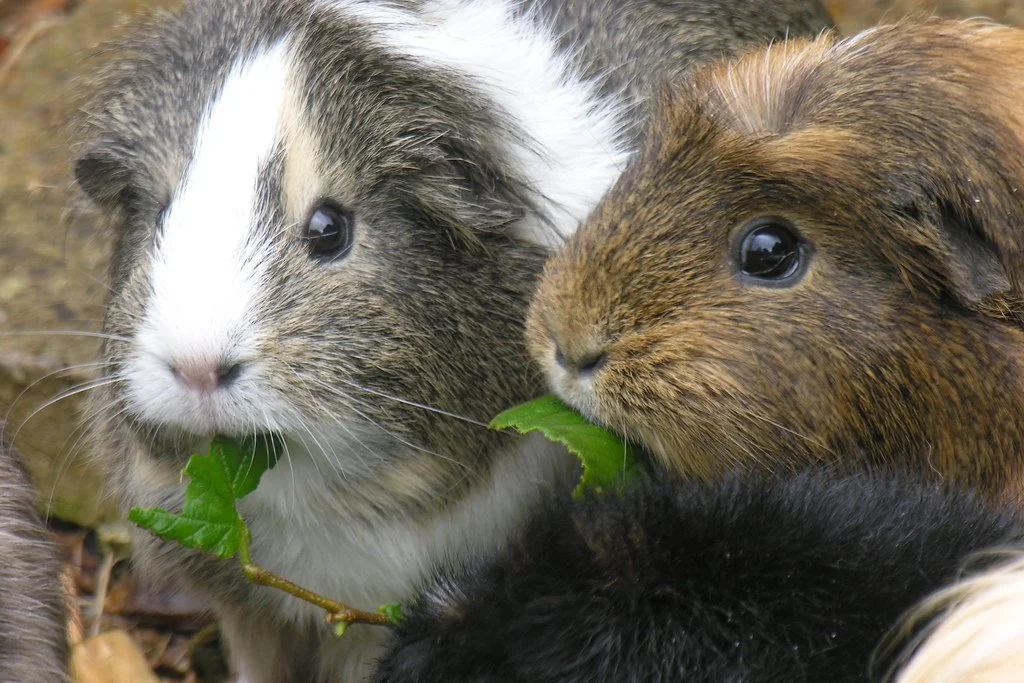
For example, cats love an artificial cat tree that can be put in the living room or a hallway. Guinea pigs prefer obstacle courses that are on the ground level. Dogs are more of a toy kind of ball of fur. They are fine with a collection of toys they can drag around, bury, and subsequently dig out. Speaking of that, be careful! If you allow your dog to dig around your backyard, it will be quite challenging to keep your garden groomed.
#4 Remove the plug-in air fresheners to preserve your pet’s good health
A dog’s sense of smell is between 10,000 and 100,000 times stronger than the one of humans. Can you imagine how a creature with such a sensitive nose feels around the plug-in air fresheners that are often too strong even for humans? It is even questionable whether these devices are suitable for people. But it is a well-known fact that air fresheners, especially the plug-in type, can cause various health issues in pets. They can lead to eye, nose, or throat irritation, as well as headaches, nausea, and sometimes even cancer. They are terrible for cats’ lungs, whereas birds, which are very sensitive to airborne toxins, are at risk too.
Instead of these very harmful options, you should switch to the more natural ones. A lavender flower smells fantastically and reportedly helps with calming and falling asleep. A bunch of flowers in a vase and proper room aerating will make your air fresh and discretely fragrant. You will be surprised how much more comfortable that natural aroma is than any artificial smell.
#5 Creating a corner fully dedicated to your pet is a must when turning your home into a pet haven

Pets, as rightful members of any animal-loving household, deserve their own space where they can retire to. Just like humans, pets experience various emotions and prefer to deal with some of them privately. A sleepy, tired, or irritated four-legged buddy wants to be left alone and have where to go and enjoy some peace and quiet. Provide such a corner of your home to your pet.
#6 Install a pet door to give more freedom to your furry friend
You are your dog or cat’s whole world. When you and the rest of the family are away, your pup is bored and sad. But if it can go outside and come back whenever it wants, it would be much easier. This is especially important if you have relocated to a new home recently. The relocation itself is a very stressful event for any pet, especially if you are making a long-distance move. In that case, you should prepare well for what is coming to know what to expect and how to help your pet through these difficult times. It does not cost you too much to install a small pet door in your new home. Nevertheless, it would mean a lot to your four-legged friend. Your pet will be able to go in and out, finding so many interesting places to sniff and run while waiting for you.
#7 Switch to pet-friendly cleaning products
Perhaps the only downside to having a pet is that you need to clean your home more often and more thoroughly. But bear in mind that many products are highly toxic, and their residues, although invisible, remain everywhere. Your pet may develop inexplicable allergies, which can be linked to your cleaning products. To eliminate the possibility of this issue, switch to pet-friendly cleaning products. If that is too complicated for you to find, or where you live, you simply these are not available in any store; you can always go with natural substances such as water sprinkled with lemon juice or vinegar.
Conclusion
As you can see, a bit of effort goes a long way when it comes to turning your home into a pet haven. And it is worth it because you know what they say - A happy pet, a happy owner. Or something like that. So, give your soft little ball of fur a good belly rub and make your home the perfect place.
Infographic provided by shed builders, Reeds Ferry Sheds

What Indoor Plants Are Safe for Your Cats and Dogs?
Wondering which plants are safe for your furry friends? Look no further! This article will point you to some great options to spruce up your home.
Keeping a pet is a big responsibility. Not only do you have to take care of the pets’ food and shelter, but you also have to ensure your home is safe for them. This safety includes keeping poisonous plants out of reach.
While many beautiful houseplants can brighten up any home, some can be dangerous to pets if ingested. If you have cats or dogs, it’s important to know which plants are safe and which ones you should avoid.
These are some indoor plants that are safe for your cats and dogs and won’t cause any health problems if ingested.
Spider Plant
The spider plant is a very popular houseplant that is safe for cats and dogs. It’s a hardy plant that is difficult to kill, making it ideal for those who aren’t exactly green-fingered. Whether you have a cat that likes to nibble on plants or a dog that likes to dig up your potted plants, the spider plant will withstand your pets’ curiosity.
Pothos
Pothos is another pet-friendly houseplant. It’s a climbing vine with heart-shaped leaves that come in various colors, such as green, yellow, and white. Pothos is a tough plant that can tolerate neglect, so it’s perfect for busy pet-owners. Keep an eye on your pets, as the plant’s sap can irritate them if ingested in large quantities.
Boston Fern
The Boston fern is a classic houseplant that has been popular for generations. It’s also safe for cats and dogs, making it a great choice for pet-owners who want to add some greenery to their home. Boston ferns are relatively easy to care for but need high humidity, regular watering, and indoor plant fertilizer.
Bromeliads
Bromeliads are tropical plants that come in various colors and shapes. They’re safe for curious cats and dogs, making them a great choice for pet-owners. Bromeliads are easy to care for and only need to be watered once a week. However, they require bright indirect sunlight, so place them in a spot where they’ll get enough light.
Orchids
Orchids are flowering plants that come in various colors and sizes. They’re a popular choice for indoor plants, as they can brighten up any room. Orchids are safe for cats and dogs, making them a great choice for pet-owners. However, they are delicate plants that need specific care, so do your research before purchasing one.
These are just a few safe indoor plants for your cats and dogs. With so many options, you’re sure to find one that suits your home and lifestyle. Do plenty of research before bringing any plants into your home, as some can be dangerous to pets if ingested.
The last thing you want is for your furry friend to get sick, so make sure you know which plants are safe and which ones to avoid. Following these tips can create a safe and healthy home for you and your pets.
Guest Post - 7 Tips For Moving House With Pets
Moving is a stressful time for everybody - especially your pets. Think about it: all of a sudden their comfort zone is heaving with removal men, and their favorite toys, once dotted around the house, are packed up into boxes. But not to worry, here are 6 things you can do prior, during and after moving to help settle your pets into their new environment.
Moving is a stressful time for everybody - especially your pets. Think about it: all of a sudden their comfort zone is heaving with removal men, and their favorite toys, once dotted around the house, are packed up into boxes. But not to worry, here are 6 things you can do prior, during and after moving to help settle your pets into their new environment.
1. Help your pet get familiar with their new area prior to the move
If your new location is within driving distance, think about walking your dog around the area before the big move, giving them a chance to acclimatize to the surroundings and take in all those new smells. This way when you arrive for good it won’t be such a huge shock for them.
Once you've moved into your new house, check that your garden is fully secure before letting them out.
2. Try to keep their routine
When it comes to your pet adjusting to a new environment, keeping to their normal routine is super important, even if it means stopping in the middle of a task. Try to stick to their usual feeding and walking times to help maintain stability and avoid too much confusion for them.
Variations happen, but the more you can stick to your dog’s usual daily routine when you’re settling in, the better they will be able to adjust to all of the changes taking place around them.
3. Make sure they are cared for on the day of your move
It's a given that you’ll be very busy on the day of the move, so think ahead and make sure your pet is still well looked after and supervised for the day, especially if there will be unfamiliar faces coming in and out of your home. There’s also the risk that if someone accidentally leaves a door or gate open, your pet could go missing.
Instead, think about keeping your pet with trusted friends, family or a pet sitter for the day, away from all the chaos at home. If no one is available, keep them secured in one room with anything that will keep them comfortable for the duration, such as bedding, food, water, toys and litter trays.
4. Set up their space straight away
Once you arrive at your new home, you’ll want to find somewhere quiet and out of the way where your pet can stay while you move everything in. Again, make them as comfortable as possible with their familiar items such as toys, bedding and a fresh bowl of water. This doesn’t have to be the place you intend to keep these things indefinitely, but even a temporary corner will go a long way toward easing stress and keeping your pet comfy.
It’s also a good idea to avoid washing their bedding/toys for a few weeks so they can still smell the old house and feel at home, despite being somewhere new.
5. Allow your pet to explore the new environment
Once you’re all moved in, it’s time to introduce your pet to their new home. For dogs, allow them to explore the new environment in their own time. Accompanying them on this tour can be reassuring as some dogs are more weary than others and will benefit from having you there.
The exploring process needs to be taken more slowly with cats, who are strongly territorial and likely to find any move quite stressful. The RSPCA encourages keeping cats in an enclosed area rather than letting them roam freely, and access to an outdoor escape-proof enclosure is highly recommended as this can increase the opportunity for stimulation for contained cats.
6. Give them lots of attention
Although moving is chaotic and time consuming, your pets will need extra attention to get through it. Be generous with affection and encouraging words, and allow for some quality time together in between tasks.
Taking a couple minutes to throw around their favorite toy or to give out belly rubs will assure your pet that everything is okay and that, while you may be running around, they are still a main priority.
7. Stay home as much as you can to begin with
Ideally, your dog shouldn’t be left alone in the new home for more than half an hour for the first few days, so do your best to stay with them, even if it means turning down some plans or working from home (if you can). If you need to pop out, try and take them with you or see if a friend or family member can look after them while you’re gone.
For the first time you leave them for a longer period of time, tire them out on a long walk prior to leaving, in the hope they sleep while you’re gone.
Written by Kate, on behalf of Falconer Removals.

