

A resource for those seeking information on organizing and transforming spaces.

5 Ways Your Roof Protects the Integrity of Your Home
Your roof plays a vital role in protecting your home from the elements. It is one of the most essential components of your home's structure and should always be in top condition. A well-maintained roof doesn't only increase your property's value, but it also enhances your home's overall aesthetics. In this post, we will explore the five essential ways that your roof protects the integrity of your home.
Your roof plays a vital role in protecting your home from the elements. It is one of the most essential components of your home's structure and should always be in top condition. A well-maintained roof doesn't only increase your property's value, but it also enhances your home's overall aesthetics. In this post, we will explore the five essential ways that your roof protects the integrity of your home.
Protection From the Weather Elements
Your roof's primary function is to protect your home from the weather. Whether it's heavy rain or snow, your roof should prevent these elements from penetrating your home. A well-maintained roof ensures that your home structure and belongings stay dry and protect against water damage. Additionally, a quality roof system takes the brunt of high winds and hail storms, reducing the risk of damage to your siding, windows, and other components.
Energy Efficiency
Your roof plays a crucial role in your home's energy conservation. It acts as an insulator, preventing heat from escaping during the cold months and cool air from escaping during the warmer months. With a well-insulated roof, you can significantly reduce your home's energy bills while also protecting the environment.
Structural Integrity
A well-maintained roof is essential in protecting the structural integrity of your home. A damaged roof can weaken the foundation, which can lead to cracking walls, sagging ceilings, and other structural issues. Additionally, a damaged roof is a potential safety hazard that can lead to accidents.
Aesthetics
Your roof plays an essential role in your home's overall aesthetics. A damaged, outdated, or poorly maintained roof can negatively affect your home's overall value and curb appeal. A well-maintained and visually appealing roof adds significant value to your property and enhances your home's overall look.
Healthy Living
A well-maintained roof also plays a role in your family's health. A leaky roof can lead to mold and mildew, which can cause health issues like allergies, respiratory problems, and skin irritations. A well-maintained roof ensures your family's health and well-being, and you can rest easy knowing that you're living in a safe and secure home.
In conclusion, your roof is a critical component to protecting your home's integrity, keeping your family safe and healthy, and enhancing your property's value. Regular roof maintenance can identify issues before they become problems, extend your roof's lifespan, and ensure that your home is safe, comfortable and appealing for years to come. Don't wait until you have significant roofing problems, click here and schedule a professional roof inspection and maintenance today!
Digging Out a Basement? 6 Keys to Doing the Job Right
Digging out a basement can be a big project. But with the right tools and a good plan, it's definitely manageable. Before you start, though, you'll need to do some research to ensure that you are properly equipped and prepared for the task at hand. In this post, we'll go over five keys to digging out a basement correctly. Let's get started!
Digging out a basement can be a big project. But with the right tools and a good plan, it's definitely manageable. Before you start, though, you'll need to do some research to ensure that you are properly equipped and prepared for the task at hand. In this post, we'll go over five keys to digging out a basement correctly. Let's get started!
Determine the Right Layout
Before you start digging, it's essential to understand your basement's layout. You'll need to plan for any necessary changes, such as rearranging pipes and ducts. Make sure to take measurements accurately, including ceiling height. This planning phase will ensure that your project runs smoothly and efficiently.
When planning for your basement layout, it's important to consider what you want to use the space for. Are you looking to create a home gym, a spare bedroom, or a family room? Determining the purpose of your basement will help guide your layout decisions. For example, if you plan on using the space as a home gym, you may want to have more open space for equipment, while a spare bedroom may require more walls and storage. Take the time to think about your needs and wants for the basement to create a layout that best suits your vision.
Check for Water
Before you start digging, you'll also want to check for water around your foundation. If there is water, you'll want to install a sump pump, waterproof your walls, or find another solution to protect your basement from water damage.
Water can cause a variety of problems in your basement if not properly addressed. It can lead to mold and mildew growth, which can be harmful to your health and damage any furniture or belongings stored in the space. Water can also weaken the foundation of your home, leading to structural issues and potentially costly repairs. Before you start digging out your basement, make sure to address any water issues to prevent these problems from occurring.
Get the Right Equipment
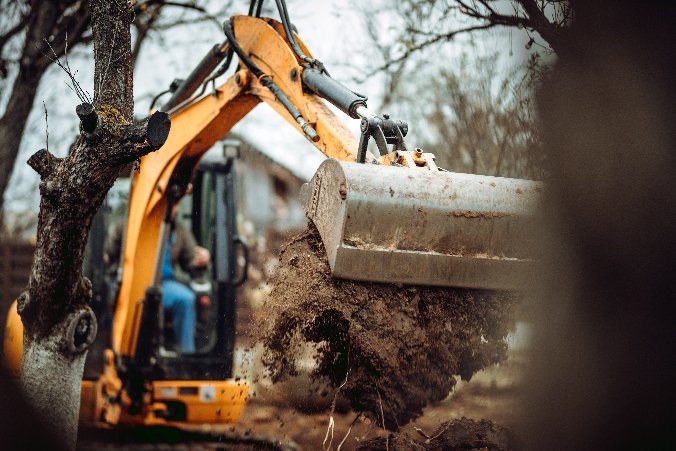
Digging out a basement requires several specialized tools such as an excavator, a dump truck, and concrete saws. You'll also need hand tools, safety equipment, and a permit if required in your city. Before starting, make sure you have all necessary equipment to complete the project.
You can find the necessary equipment for digging out a basement at your local hardware store or by renting from a construction equipment rental company. Make sure to do your research and compare prices to find the best option for your needs and budget. It's also essential to ensure that all equipment is in good working condition before starting the project, as any malfunctions or breakdowns can significantly delay progress and increase costs.
Manage Debris
Once removed, the excavated soil, rocks, and other debris must be handled correctly. You'll need to haul off the waste and dispose of it properly. This step alone can make digging out a basement a daunting task, so be sure to keep it in mind before you start.
Depending on the size and scope of your project, you may need to rent a roll-off dumpster or hire a professional hauling company to remove the debris. Make sure to research local regulations for disposing of construction waste to ensure you are following proper procedures. It's also important to consider any additional costs associated with debris removal when budgeting for your basement digging project.
Think About Access
You'll also need to consider how to get materials in and out of your basement. If it's an add-on, larger equipment may not fit around your house to enter your basement. You'll need to plan to transport these items through your house. It may be necessary to schedule a door or wall removal to accommodate large pieces of machinery.
If you don't plan ahead for your basement digging project, you may face numerous issues and delays. Without proper planning, you may not have the necessary equipment or permits, resulting in a halt to your project. You could also encounter unexpected obstacles, like structural issues, that require additional time and resources to address. It's crucial to take the time to carefully plan and research before starting any digging project to avoid these potential roadblocks. By doing so, you can save yourself time, money, and unnecessary stress in the long run.
When in Doubt, Call in the Pros
There are some jobs that are best left to the professionals, and digging out a basement may be one of them. If you are unsure of your ability to complete the project safely and correctly or if it seems overwhelming, don't hesitate to call in professional contractors, such as one at Kee Constructionn. They have the experience, knowledge, and equipment to get the job done right while avoiding any potential issues or complications. While it may be an added expense, hiring professionals can save you time, stress, and potential costly mistakes.
Digging out your basement should not be considered a DIY project without proper research and planning. In this post, we've listed the five most vital keys to digging out a basement correctly, including layout, water checks, equipment requirements, managing debris, and accessibility. You can use this guide as a starting point for your project and keep in mind that safety must always come first. Contact professional excavation services if you feel unsure about your capabilities, or face unforeseen issues. Following all of these tips can ensure a successful basement digging with minimal stress and delays.

Preserving Memories: Organizing and Safely Moving Sentimental Items
Discover tips on Preserving Memories while moving sentimental items. Learn to organize, pack, and safely transport your cherished keepsakes.
Moving to a new home isn't just about relocating your belongings; it's also about preserving memories attached to your sentimental items. These objects, be they a family heirloom, a collection of photographs, or even a simple trinket, hold stories and emotions that, in most cases, are irreplaceable.
As you prepare for your move, it's important to give special attention to these treasured keepsakes. Doing so ensures their physical safety and helps maintain the emotional connections they represent. In this guide, we'll identify, organize, and safely move your sentimental items. The aim is to smooth your transition while keeping your cherished memories intact.
Identifying Sentimental Items
The first step in your moving journey is to identify which items in your home are truly sentimental. These are the pieces that tell your story and bring back memories. Sentimental items are not always the most expensive or the most antique but the ones that hold personal significance. It could be a family photo album, a handmade quilt, or a souvenir from a special trip, items that spark joy and nostalgia.
Ask yourself a few questions to determine an item's sentimental value:
- Does this item bring back special memories?
- Would I regret losing it?
- Is it irreplaceable?
While it’s important to preserve these memories, balance is key. You want to create a functional home without cluttering it with too many items. Consider the space in your new home and decide which items you truly want to bring along. This step helps in making thoughtful choices about what to keep. Identifying these items with care sets the foundation for a move that respects your past while looking forward to your future.
Organizing Your Treasured Keepsakes
After identifying which items hold special meaning, the next step is to organize them effectively. This organization ensures that your keepsakes are moved safely and can be easily found in your new home. Start by making a list of all your sentimental items, as this inventory will help you track them during the move and also aid in organizing them in your new space. You can categorize them by type, such as photographs, heirlooms, or personal letters.
It’s a good idea to be selective. If multiple items serve the same purpose or memory, consider keeping only the most significant one. Also, if one or more items show irreparable and purpose-altering decay due to time or other incidents, maybe now is the time to let them go. For others that might take too much space, maybe just take a photo of them to preserve memories. That helps reduce clutter and makes the move more manageable.
Clearly label each box with a description of its contents. This step helps you locate and unpack your sentimental items easily. It also helps movers understand which boxes contain delicate items, ensuring they handle them carefully. Organizing your treasured keepsakes is an important part of organizing your move efficiently.
Packing Techniques for Delicate Memorabilia
When moving sentimental items, the right packing techniques are essential, especially for delicate memorabilia that can easily be damaged. For starters, use high-quality packing materials to safeguard your items. Bubble wrap, packing paper, and sturdy boxes are your allies. For extremely fragile items, consider double-boxing to provide extra cushioning.
Wrap each item individually, ensuring adequate padding. Fragile items like glass or porcelain should be wrapped in bubble wrap and then secured with tape. Fill any gaps in the boxes with packing peanuts, crumpled paper, or even your soft items, like clothes, to prevent movement during transit.
In addition, if you are moving long distance and decide to work with a licensed interstate moving broker such as Eagle Moving Group Florida, it’s important to communicate the value of your items. That will ensure they understand the care needed for your delicate memorabilia. Plus, this communication should happen in a polite tone and manner in writing. It might also be worth considering additional insurance for these items during the move.
Choosing the Right Storage Solutions
Finding suitable storage solutions is vital in moving, especially when it involves items that hold dear or preserve memories. Whether moving to a smaller space or just wanting to keep certain things safe, the right storage choices are key. Start by evaluating how much space you have in your new home. If you’re facing limited space, it’s important to prioritize. Decide which items you need and which you can store without compromising your daily living space.
For short-term needs, portable storage units are practical. They offer flexibility as you adjust to your new home. For long-term storage, especially for delicate or valuable items, consider a climate-controlled facility to ensure their preservation. In this process, the goal is to downsize without the drama, thoughtfully selecting which memories to keep close and which to store. It’s not just about physical space; it’s about cherishing and preserving the memories that matter most to you.
Preserving Memories during the Move

The actual move is critical in ensuring your sentimental items are transferred safely. This step is all about meticulous planning and careful handling. Before the move, pack your sentimental items with extra care. Use bubble wrap for delicate items and sturdy boxes for heavier ones. Label each box clearly, indicating that the contents are fragile and precious.
If you’re transporting items yourself, pack them in your vehicle so they won't shift or be crushed. However, you might want to trust the task to pros and hire interstate movers for larger or more delicate items if you need to make a long-distance move from Florida, for instance. After all, Floridian professional movers have the expertise and equipment to handle fragile items properly.
Once at your new home, unpack these items first. That allows you to place them in their new spots and instantly adds a sense of familiarity and comfort to your new space. By giving special attention to these cherished items during the move, you ensure that your memories are preserved and given a new place to thrive in your new home.
Reflecting on the Process
As we wrap up our guide on moving with sentimental items, it's clear that the right approach can make a big difference. By taking these steps, you are preserving memories and ensuring that your cherished items remain a part of your life's story, even as you transition to a new setting. After all, moving with sentimental items is more than just a physical task. It’s a journey of ensuring the continuity of your personal history, and ultimately, the steps we've discussed are all geared toward this goal.
However, while keeping these treasured items is important, it’s equally important to recognize the value of creating a cleaner house and a clutter-free environment. Balancing between holding onto memories and embracing a fresh start is key to a successful move. Ultimately, the effort put into carefully moving your sentimental items pays off in having these cherished keepsakes continue to tell your life story, adding depth and warmth to your new beginnings.

The Silent Threat: How Delaying Roof Repairs Can Lead to Costly Water Damage
Your home’s roof is one of its most vital components. It protects the rest of the house from the elements. When your roof is in disrepair, you risk costly water damage to your home. Unfortunately, many homeowners delay roof repairs until it is too late. This blog post will discuss the silent threat of delaying roof repairs and how it can lead to costly water damage.
Your home’s roof is one of its most vital components. It protects the rest of the house from the elements. When your roof is in disrepair, you risk costly water damage to your home. Unfortunately, many homeowners delay roof repairs until it is too late. This blog post will discuss the silent threat of delaying roof repairs and how it can lead to costly water damage.
The Basics of Water Damage
When your roof is in need of repair, it can’t adequately protect your home from rain and snow. Some of that precipitation will make its way through holes or vulnerable areas and cause water damage to your home. Common issues that lead to water damage are cracked shingles, missing tiles, or cracked flashing. It doesn’t take long for water to cause damage, either. Even a small amount can cause expensive damage if left unchecked.
The Cost of Water Damage
Water damage can be incredibly costly. Water can weaken your home’s foundation, damage electrical wiring, and cause long-term problems with mold and mildew. Minor water damage can cost a few hundred dollars while major damage can run into the thousands. Repairs can also be time-consuming and prevent you from enjoying your home until the repairs are finished.
Your Risk
Delaying repairs to your home’s roof puts you at risk for costly water damage. The longer you wait, the more damage can be done. A small leak can turn into a major issue with just a little rain or snow. In addition, the cost of repairs increases as more damage is done. It’s always best to address a roof repair as soon as it is necessary.
Signs Your Roof Needs Repairs
Knowing when your roof needs repairs can save you a lot of money and trouble in the long run. One of the most obvious signs is a leak. You may notice water stains on your walls or ceiling, or you may see actual drops of water. Another sign is missing shingles or tiles. You may also notice that your energy bills are higher than usual. This can be a sign that your roof is not adequately insulating your home.
The Importance of Professional Repairs
While it may be tempting to try to repair your roof yourself, it’s best to call in professionals. Professional roofers have the experience and tools necessary to make sure your roof is repaired properly. They can also help you identify any other issues that may be present and offer solutions to prevent future problems.
Don’t delay roof repairs. You risk costly water damage to your home, which can be time-consuming and expensive to repair. Be proactive in identifying signs that your roof needs repairs and call in professionals to do the job right. By taking care of your home’s roof, you will save yourself time, money, and trouble in the long run.

