

A resource for those seeking information on organizing and transforming spaces.
How to Harmonize Nature and Comfort in Your Outdoor Space
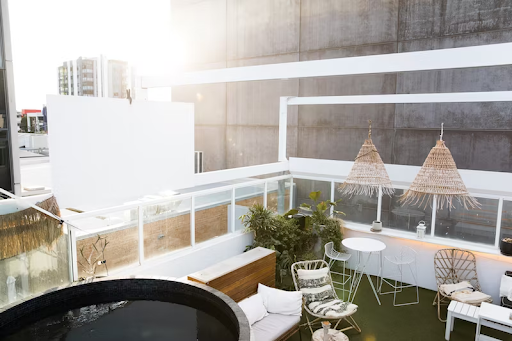
Creating a harmonious blend of nature and comfort in your outdoor space is a rewarding endeavor that brings tranquility and joy to your life. Whether you have a sprawling backyard, a cozy balcony, or a small patio, there are ways to infuse the beauty of the natural world into your outdoor living area without sacrificing comfort. In this guide, we'll explore six key strategies to help you achieve the perfect balance between the serenity of nature and the luxurious comfort you crave in your outdoor oasis.
Creating a harmonious blend of nature and comfort in your outdoor space is a rewarding endeavor that brings tranquility and joy to your life. Whether you have a sprawling backyard, a cozy balcony, or a small patio, there are ways to infuse the beauty of the natural world into your outdoor living area without sacrificing comfort. In this guide, we'll explore six key strategies to help you achieve the perfect balance between the serenity of nature and the luxurious comfort you crave in your outdoor oasis.
Embrace Natural Materials
One of the fundamental ways to harmonize nature and comfort is to incorporate natural materials into your outdoor space. Opt for wooden furniture that blends seamlessly with the environment, creating a warm and earthy atmosphere. Teak, cedar, and eucalyptus are excellent choices for outdoor furniture due to their durability and resistance to the elements. Additionally, consider using stone or gravel for pathways and patios, bringing the grounding energy of nature to your outdoor living area.
Integrate organic textiles such as cotton or linen for cushions and upholstery, providing a soft and inviting touch. Earthy color palettes, inspired by the surrounding landscape, can further enhance the connection between your outdoor living space and the natural world. By embracing natural materials, you not only create a visually pleasing environment but also foster a sense of authenticity and tranquility.
Cultivate a Lush Green Oasis
Nothing harmonizes with nature better than lush greenery. Transform your outdoor space into a verdant oasis by strategically placing potted plants, hanging baskets, and garden beds. Choose a variety of plants with different shapes, sizes, and textures to add visual interest and mimic the diversity of the natural world.
Incorporate native plants that thrive in your region, creating a symbiotic relationship with the local ecosystem. Install vertical gardens or trellises to maximize space and introduce a vertical element to your outdoor haven.
Create Intimate Seating Areas
To achieve a harmonious balance between nature and comfort, design intimate seating areas that invite relaxation and contemplation. Arrange outdoor furniture in cozy groupings, allowing for easy conversation and fostering a sense of intimacy. Consider incorporating natural elements into the seating arrangements, such as tree stump tables or driftwood accents, to further enhance the connection with the outdoors.
Invest in comfortable and weather-resistant furniture with plush cushions and throws, making your outdoor space as inviting as your indoor living room. By creating intimate seating areas, you encourage a seamless transition between the comfort of your home and the beauty of the natural surroundings.
Harness the Power of Ambient Lighting
Extend the enjoyment of your outdoor space into the evening by incorporating ambient lighting. Choose lighting fixtures that complement the natural setting, such as string lights, lanterns, or solar-powered pathway lights. These additions not only enhance the visual appeal of your outdoor space but also provide a warm and inviting atmosphere.
Experiment with different lighting levels to create a harmonious balance between brightness and shadow, mimicking the interplay of natural light during different times of the day. Consider installing outdoor candles or a fire pit to add a touch of coziness and create a focal point for gatherings.
Incorporate Water Features for Tranquility
Integrating water features into your outdoor space adds a calming and natural element that harmonizes with the environment. Consider installing a small fountain, pond, or even a simple birdbath to attract local wildlife. The sound of flowing water creates a soothing ambiance, masking unwanted noise and promoting relaxation.
Choose water features that fit the scale of your outdoor space, ensuring they enhance rather than overpower the natural surroundings. Additionally, strategically place seating near the water elements to fully appreciate the tranquility they bring. By incorporating water features, you not only elevate the aesthetic appeal of your outdoor oasis but also create a peaceful retreat that resonates with the soothing sounds of nature.
Engage the Senses with Outdoor Accents

To truly harmonize nature and comfort, engage all the senses through carefully selected outdoor accents. Consider wind chimes that produce soft melodies, adding an auditory dimension to your outdoor space. Place aromatic plants, such as lavender or rosemary, near seating areas to infuse the air with pleasant scents.
Introduce tactile elements like textured throws, outdoor rugs, or hammocks that invite touch and create a sensory-rich experience. Outdoor art, such as sculptures or murals inspired by nature, can serve as focal points and enhance the visual appeal of your outdoor haven. By engaging the senses, you create a holistic and immersive outdoor environment that resonates with both comfort and nature.
In conclusion, achieving a harmonious balance between nature and comfort in your outdoor space is a rewarding and creative endeavor. By embracing natural materials, cultivating greenery, creating intimate seating areas, incorporating ambient lighting, adding water features, and engaging the senses with outdoor accents, you can transform your outdoor space into a sanctuary that seamlessly blends with the beauty of the natural world. Remember that the key is to create a space that reflects your personal style and enhances your connection with nature. Whether you have a sprawling garden or a compact balcony, these strategies can be adapted to suit your specific outdoor environment.

How to Execute a Successful Renovation on a Budget
Are you dreaming of a new and updated living space, but your budget seems to be holding you back? Or maybe the idea of tackling a renovation project is overwhelming and you're not sure where to start. Well, fear not because in this guide we will share with you our top tips on how to execute a successful renovation on a budget. Whether it's giving your kitchen a much-needed makeover or finally creating that luxurious spa-like bathroom, we understand the desire for an upgraded home without breaking the bank.
Are you dreaming of a new and updated living space, but your budget seems to be holding you back? Or maybe the idea of tackling a renovation project is overwhelming and you're not sure where to start. Well, fear not because in this guide we will share with you our top tips on how to execute a successful renovation on a budget. Whether it's giving your kitchen a much-needed makeover or finally creating that luxurious spa-like bathroom, we understand the desire for an upgraded home without breaking the bank.
And believe it or not, it is possible! So grab your hammer and paintbrush and get ready to transform your living space into something both functional and stylish - all within your financial means. Renovations can be daunting but with the right strategy, planning, and execution, you'll soon have the home of your dreams without going over budget.
Dealing with Trash on a Tight Budget
A significant yet often overlooked aspect of home renovation is waste management. As you revamp your space, you'll inevitably generate a substantial amount of trash - old fixtures, scraps of wood, torn wallpaper - the list goes on. If not properly planned, this could lead to unexpected costs. So, how do you handle trash on a tight budget? Do you get a local dumpster service or try to dispose of it yourself? Services such as Bin There Dump That dumpster rental Virginia beach offer affordable dumpster options for your renovation needs. But if you prefer a more cost-effective approach, consider reusing or repurposing materials from your old fixtures. For example, old cabinets can be transformed into floating shelves, and wood scraps can be used for DIY projects such as picture frames or headboards.
Budgeting Basics
To effectively manage a renovation project within your budget, a detailed and realistic budget plan is crucial. Start by identifying the scope of your project - decide what needs to be done and list down all the tasks including small details. Next, estimate the cost for each task, taking into account materials, labor, and any unexpected expenses that might arise.
Don’t forget to include the cost of waste management solutions, too. It's recommended to add a contingency of around 10-20% to your budget for unforeseen costs. Keep track of all expenditures as the renovation progresses and continuously compare these with your set budget. By doing so, you can detect any deviations early on and make necessary adjustments. Diligent budgeting doesn't mean cheapening out on everything; it's about making smart decisions that maximize value without compromising the quality of your renovation.
Researching Affordable Materials and Finishes
A significant portion of your renovation budget will be allocated towards materials and finishes. Thus, researching affordable yet quality options is key to keeping your expenses within control. Start by exploring local home improvement stores, online e-commerce platforms, and even discount outlets for cost-effective materials. Buying in bulk or during sales can also lead to considerable savings.
When selecting materials, consider longevity and ease of maintenance. For example, laminate flooring or quartz countertops can be more durable and less expensive than hardwood or marble, while offering a similar aesthetic appeal. Similarly, repainting cabinets or replacing hardware can freshen up a kitchen without the need for costly replacements.
Remember, being affordable doesn't necessarily mean settling for the cheapest option. The goal is to find materials that offer the best value for your money. Taking the time to shop around, compare prices, and even negotiate can lead to substantial savings and help you stay within your budget without compromising on quality.
DIY vs. Professional Services

When planning your renovation project, another critical decision you'll have to make is whether to do it yourself (DIY) or hire professional services. Both options have their merits and drawbacks, and your choice significantly impacts your budget and the work's quality.
DIY can be a cost-effective choice, especially for simple tasks such as painting walls or installing new fixtures. If you're handy and willing to put in the effort, you can save a considerable amount on labor costs. Plus, there's a certain satisfaction in accomplishing a project with your own two hands. However, it's important to understand your limitations. Tasks that require specialized skills like plumbing, electrical work, or structural modifications can be risky if you lack the necessary expertise. Mistakes can lead to costly repairs, negating any savings you might have made.
Hiring professional services, on the other hand, might seem more expensive initially, but it can provide value for your money in the long run. Professionals bring their experience and expertise to the table, ensuring the work is done correctly and to a high standard. They can also handle complex tasks more efficiently and safely than an inexperienced homeowner.
In conclusion, a successful renovation on a budget requires careful planning, smart decision-making, and a willingness to be flexible. With these tips in mind, you can turn your dream home into reality without breaking the bank. Remember to prioritize your needs and wants research affordable options, and stay diligent with budget management.

The Importance of a Plumbing Inspection Before the Winter Freeze
As the weather starts to cool down and the winter season fast approaches, homeowners must ensure that everything is in order for the upcoming months. While hiring someone to inspect your HVAC system is common during this time, one thing that often gets overlooked is your plumbing. Keeping your plumbing in check is just as important as any other routine inspection, and it should not be ignored, especially when it comes to the winter season. In this blog post, we will discuss the importance of a plumbing inspection before the winter freeze and how it can save you time, money, and stress.
As the weather starts to cool down and the winter season fast approaches, homeowners must ensure that everything is in order for the upcoming months. While hiring someone to inspect your HVAC system is common during this time, one thing that often gets overlooked is your plumbing. Keeping your plumbing in check is just as important as any other routine inspection, and it should not be ignored, especially when it comes to the winter season. In this blog post, we will discuss the importance of a plumbing inspection before the winter freeze and how it can save you time, money, and stress.
Prevents Frozen Pipes
One of the most common problems that homeowners face during the winter season is frozen pipes. A plumbing inspection before the winter freeze can help detect potential problems with freezing pipes, and precautions can be taken to avoid any damage. By making necessary repairs and implementing insulation mechanisms, you'll be able to minimize the chances of a catastrophic event from occurring.
Saves Money
A little investment in a plumbing inspection can go a long way in saving your money. A simple leak detection test can easily identify hidden leaks, giving homeowners the chance to repair them before they cause further damage. What starts as a small plumbing issue can quickly turn into a significant problem, and delaying repairs will only increase the damage, consequently costing more money. By getting a plumbing inspection done before the winter, homeowners can save themselves from the hassle and expense of emergency repairs later on.
Ensures Water Quality
One of the purposes of a plumbing inspection is to ensure that the water quality is safe and free from contamination. Water pipes often have a buildup of rust and other impurities. Drinking water contaminated with these impurities can lead to significant health problems. Regardless of whether the property relies on the municipal water supply or a private well, a plumbing contractor can inspect the system and ensure that the water quality is up to standards, allowing homeowners to make sure that their water supply is safe for their families.
Increases Property Value
Regular maintenance checks like plumbing inspections can help increase the overall value of the property, especially if the homeowner is looking to sell their property in the future. Buyers are more likely to be interested in a property with regular maintenance checks and a good plumbing system. Additionally, this could also improve the homeowner's chances of getting a home insurance discount, as some insurance companies offer discounts for updated and well-maintained properties.
Scheduling a routine inspection of your plumbing before the winter freeze arrives is crucial, not just for the well-being of your property but also for your family's health. By detecting early plumbing issues, homeowners can save themselves from incurring additional and unexpected expenses. Keep in mind that regular maintenance checks can keep your property in excellent condition and potentially increase its overall value. Don't wait until the last minute to get your plumbing inspected; now is the time to prepare for the colder weather!
How to Design a Space That Nurtures Your Well-being
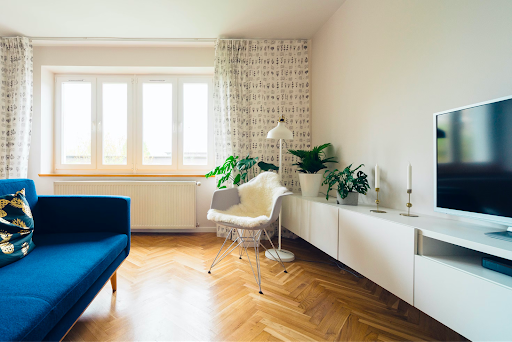
In our fast-paced modern lives, the importance of well-being cannot be overstated. Amidst the chaos and demands of daily life, creating a sanctuary that fosters mental and physical health is crucial. The spaces we inhabit have a profound impact on our overall well-being, influencing our mood, productivity, and even our relationships. This article delves into the art and science of designing a space that nurtures your well-being, exploring key elements and principles that can transform your environment into a haven of tranquility and vitality.
In our fast-paced modern lives, the importance of well-being cannot be overstated. Amidst the chaos and demands of daily life, creating a sanctuary that fosters mental and physical health is crucial. The spaces we inhabit have a profound impact on our overall well-being, influencing our mood, productivity, and even our relationships. This article delves into the art and science of designing a space that nurtures your well-being, exploring key elements and principles that can transform your environment into a haven of tranquility and vitality.
Understanding the Mind-Body Connection
In the pursuit of designing a space that genuinely nurtures well-being, it is imperative to delve into the intricate relationship between our physical environment and our mental and emotional states. The concept of the mind-body connection underscores that the spaces we inhabit are not merely physical constructs; they are powerful influencers of our psychological well-being. Numerous studies in psychology and neuroscience have illuminated the profound impact that our surroundings can have on stress levels, cognitive function, and even immune response.
Scientific evidence supports the idea that exposure to certain environmental stimuli can trigger physiological and psychological responses. For example, a room flooded with natural light has been shown to positively influence serotonin levels, the neurotransmitter associated with mood regulation. On the other hand, spaces characterized by artificial lighting and a lack of connection to the outdoors can contribute to feelings of lethargy and disconnection.
Embracing Natural Light and Biophilic Design
One of the cornerstones of well-being-centric design is the integration of natural light and biophilic elements. Exposure to natural light has been linked to improved mood, better sleep quality, and increased productivity. Biophilic design, which incorporates nature-inspired elements into indoor spaces, further enhances well-being by fostering a connection to the natural world. Whether through large windows, indoor plants, natural materials, or this type of planter, bringing the outdoors in can have a transformative effect on the ambiance and feel of a space. Embracing these design principles not only promotes a healthier and happier environment but also contributes to a more sustainable and harmonious living or working space.
Mindful Color and Texture Selection
The colors and textures in your living or working space play a pivotal role in influencing your psychological well-being. Different hues evoke various emotions, and understanding the psychology of color allows for intentional design choices. Soft, muted tones can create a calming atmosphere, while vibrant colors can stimulate creativity and energy. Similarly, the textures of furniture and decor contribute to the tactile experience of a space. Choosing materials that appeal to the senses and align with your well-being goals enhances the overall comfort and harmony of your environment.
Personalization and Expression
Well-being is a deeply personal journey, and your space should reflect your unique identity and aspirations. Personalization goes beyond mere decoration; it involves curating a space that resonates with your values and supports your goals. Whether through artwork, cherished mementos, or purposeful furniture arrangements, infusing your space with elements that hold personal significance fosters a sense of belonging and emotional well-being. The act of creating a space that feels uniquely yours can be empowering and affirming.
Prioritizing Functionality and Organization
An often overlooked aspect of well-being-centric design is the importance of functionality and organization. A cluttered and disorganized space can contribute to feelings of stress and overwhelm. Implementing practical storage solutions, optimizing furniture layouts, and decluttering regularly are essential steps in creating a harmonious environment. A well-organized space not only promotes efficiency and productivity but also contributes to a sense of mental clarity and calm.
Integrating Technology Mindfully
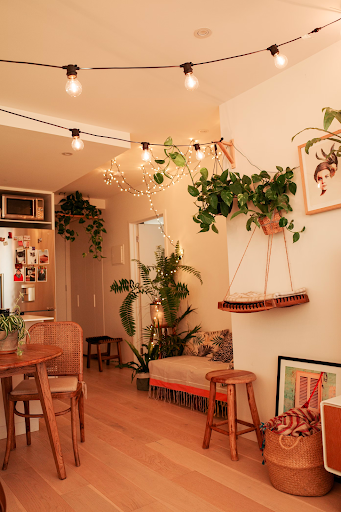
In our digital age, the role of technology in our well-being cannot be ignored. While technology can enhance our lives in numerous ways, it's crucial to approach its integration into our spaces mindfully. Creating designated tech-free zones, incorporating ergonomic furniture, and considering the impact of screen time on sleep patterns are all vital aspects of a technology-aware well-being design. Balancing the convenience of modern technology with the need for mental and physical health is key to achieving a holistic approach to space design.
Designing a space that nurtures well-being is a multidimensional endeavor that requires a thoughtful blend of science and art. By understanding the mind-body connection, embracing natural elements, mindful color and texture selection, personalization, prioritizing functionality, and integrating technology with awareness, you can create an environment that supports and enhances your overall well-being. The journey to well-being through intentional design is a continuous process of self-discovery and refinement, ultimately leading to a space that not only looks beautiful but also contributes positively to your physical and mental health. As you embark on this transformative journey, remember that your space has the potential to be a sanctuary that promotes well-being, vitality, and a profound sense of balance in your life.

