

A resource for those seeking information on organizing and transforming spaces.

The Whys and Hows of Renovating Your New Kitchen Before Moving In
Embarking on a new chapter in life often involves the excitement of a new home. The kitchen, being the heart of any dwelling, demands attention. While the prospect of moving into a pristine, untouched kitchen may be tempting, there are compelling reasons to consider a pre-move-in renovation. This not only allows for customization based on personal preferences but also ensures that the heart of your home beats to the rhythm of your lifestyle. In this article, we'll delve into the whys and hows of renovating your new kitchen before moving in, exploring the myriad benefits of this strategic approach.
Embarking on a new chapter in life often involves the excitement of a new home. The kitchen, being the heart of any dwelling, demands attention. While the prospect of moving into a pristine, untouched kitchen may be tempting, there are compelling reasons to consider a pre-move-in renovation. This not only allows for customization based on personal preferences but also ensures that the heart of your home beats to the rhythm of your lifestyle. In this article, we'll delve into the whys and hows of renovating your new kitchen before moving in, exploring the myriad benefits of this strategic approach.
Personalization for Lifestyle Harmony
Your kitchen isn't merely a functional space; it's an extension of your lifestyle. Renovating before moving in provides an unparalleled opportunity to tailor the kitchen to your specific needs and tastes. Consider the layout – perhaps an open-plan design suits your penchant for entertaining, or a cozy, enclosed kitchen complements your culinary focus. Customizing cabinet heights, countertop materials, and appliance placements ensures that the kitchen effortlessly aligns with your daily routine. This level of personalization not only enhances functionality but also fosters a sense of harmony, where every element of the kitchen serves a purpose in tune with your lifestyle.
Beyond functionality, the aesthetic aspect of personalization plays a crucial role. From selecting color schemes that resonate with your personality to choosing materials that blend durability with elegance, a pre-move-in renovation allows for a kitchen that's not only practical but also a true reflection of your style. The result is a space that beckons you with familiarity, making the kitchen not just a place for culinary endeavors but a sanctuary within your home.
Efficiency and Future-Proofing
Moving into a new home offers a clean slate – an opportunity to implement the latest in kitchen technology and design trends. Renovating beforehand allows for the integration of smart appliances, energy-efficient lighting, and innovative storage solutions. By prioritizing efficiency during the renovation, you set the foundation for a kitchen that seamlessly caters to modern living standards. Upgrading to energy-efficient appliances reduces environmental impact and translates into long-term cost savings on utility bills.
Future-proofing is another vital aspect to consider. Anticipating your evolving needs and lifestyle ensures that the kitchen remains functional and relevant for years. Whether it's creating a flexible workspace to accommodate remote work needs or incorporating sustainability features, a well-thought-out renovation safeguards against the need for frequent updates. This forward-thinking approach transforms your kitchen into a dynamic space that grows with you, providing enduring value and adaptability.
Stress-Free Transition and Cost Efficiency
Moving into a new home can be a chaotic affair, with boxes, furniture, and the logistics of settling in occupying your immediate attention. Renovating the kitchen beforehand eliminates the stress associated with major construction while trying to navigate the move-in process. The absence of construction-related disruptions allows for a smoother transition, enabling you to focus on settling into your new space without the inconvenience of ongoing renovations.
Moreover, undertaking renovations before moving in can be more cost-effective. Contractors often find it easier to work in a space, without the impediments of furniture and personal belongings. This streamlined process not only reduces labor costs but also minimizes the likelihood of damage to your possessions during the renovation. By tackling the kitchen renovation upfront, you maximize cost efficiency and set the stage for a home that's not just move-in ready but truly tailored to your vision.
The Key to Seamless Renovations
Embarking on a pre-move-in kitchen renovation journey is an exciting endeavor, but it's crucial to recognize the importance of professional guidance. Enlisting the expertise of skilled professionals ensures that your vision seamlessly translates into reality. A seasoned contractor can offer valuable insights into optimizing your kitchen layout, suggest innovative design solutions, and provide a realistic timeline for the renovation process. Collaborating with professionals also opens the door to the latest trends and materials, ensuring that your kitchen is not only personalized but also incorporates the best practices in modern design. When seeking the best kitchen renovations Calgary area or any other place, engaging with professionals brings a level of finesse that goes beyond DIY attempts. Their experience not only streamlines the renovation process but also adds a layer of assurance, transforming your kitchen into a masterpiece that stands the test of time.
Navigating Costs for Your Dream Kitchen
While the prospect of a personalized kitchen is exhilarating, it's essential to approach the renovation with a well-defined budget. Establishing a budget not only guides the scope of your project but also prevents overspending on unnecessary luxuries. Prioritize elements that align with your lifestyle and allocate funds accordingly. Consider seeking multiple quotes from contractors to ensure competitive pricing, and don't forget to account for unforeseen expenses that may arise during the renovation. By budgeting wisely, you not only create a roadmap for your dream kitchen but also cultivate a sense of financial prudence, making the renovation process a strategic investment in the long-term value of your home.
Harmonizing Colors, Materials, and Textures
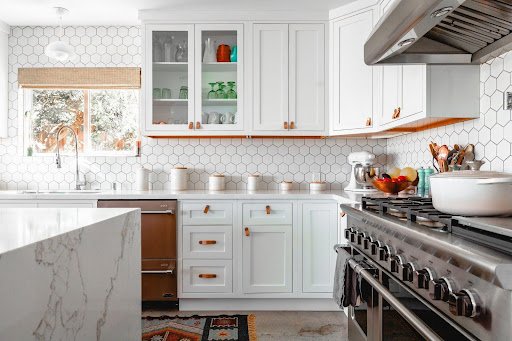
The success of a kitchen renovation lies not just in individual choices but in the harmonious coordination of design elements. Pay meticulous attention to the interplay of colors, materials, and textures to create a cohesive and visually pleasing aesthetic. From choosing complementary cabinet finishes to selecting countertops that resonate with the flooring, a holistic approach transforms the kitchen into a unified space. Consult with design professionals or use online tools to visualize different combinations before making final decisions. A well-coordinated kitchen not only elevates the overall appeal of your home but also contributes to a seamless flow between different areas, fostering a sense of unity in your living space.
Embarking on a kitchen renovation before moving into your new home is a strategic investment that reaps manifold benefits. From tailoring the kitchen to your lifestyle and future-proofing it with modern technologies to ensuring a stress-free transition and cost efficiency, the advantages are multifaceted. Contacting professionals ensures that the process is seamless while budgeting wisely and adopting a holistic design approach adds layers of practicality and visual appeal. So, as you step into your new abode, a meticulously renovated kitchen awaits—a space that not only caters to your daily needs but also reflects the unique essence of your style and vision.

Take a Closer Look at the Role of Property Management in Real Estate
The world of real estate is often associated with the glitz and glamor of property transactions, lucrative investments, and picturesque homes. However, behind the scenes, a silent force plays a pivotal role in ensuring the seamless functioning of the real estate landscape—property management. While it may not grab headlines like multimillion-dollar property deals, property management quietly emerges as the unsung hero, steering the ship of real estate toward success. In this exploration, we delve into the intricate layers of property management, unraveling its significance, challenges, and impact on the ever-evolving real estate industry.
The world of real estate is often associated with the glitz and glamor of property transactions, lucrative investments, and picturesque homes. However, behind the scenes, a silent force plays a pivotal role in ensuring the seamless functioning of the real estate landscape—property management. While it may not grab headlines like multimillion-dollar property deals, property management quietly emerges as the unsung hero, steering the ship of real estate toward success. In this exploration, we delve into the intricate layers of property management, unraveling its significance, challenges, and impact on the ever-evolving real estate industry.
More Than Just Collecting Rent
At its core, property management extends far beyond the simplistic task of collecting rent. It encompasses a myriad of responsibilities that demand a diverse skill set. From marketing vacant properties and screening potential tenants to handling maintenance requests and ensuring legal compliance, property managers wear various hats. One of the key functions involves acting as a bridge between landlords and tenants, facilitating effective communication and conflict resolution. This dynamic role requires a deep understanding of local real estate laws, and market trends, and the ability to navigate the complex terrain of tenant-landlord relationships. A proficient property manager not only safeguards the owner's investment but also enhances the overall tenant experience, fostering a positive and enduring relationship between all stakeholders.
Navigating the Complex Realities
Despite its critical role, property management is not without its challenges. One of the perennial issues faced by property managers is the delicate balance between maximizing property value and minimizing vacancies. Striking this equilibrium demands a keen understanding of market dynamics, tenant expectations, and the ability to adapt to changing economic conditions. Moreover, the unpredictable nature of property maintenance poses a constant challenge. Property managers must orchestrate timely repairs and renovations to uphold property value while managing costs judiciously. Additionally, the intricacies of legal compliance, from fair housing regulations to eviction procedures, necessitate a thorough grasp of the legal landscape. Successful property managers must navigate these challenges adeptly, acting as the linchpin that ensures the sustained success of real estate investments.
Elevating the Industry Standard
The influence of property management on the real estate industry extends beyond individual properties. A well-managed property not only preserves its value but also contributes to the overall reputation of the surrounding area. Property managers, through their diligent efforts, enhance the livability and desirability of neighborhoods, creating a positive ripple effect that boosts property values across the board. Furthermore, the professionalization of property management has elevated industry standards, fostering a culture of transparency, efficiency, and accountability. As the real estate landscape continues to evolve, property management emerges as a stabilizing force, ensuring that the sector thrives on principles of integrity and professionalism. In essence, property management is the unsung hero that fortifies the foundations upon which the entire edifice of real estate rests.
The Role of Property Management Software
As the real estate landscape evolves in tandem with technological advancements, Property Management Software emerges as a transformative tool, revolutionizing the way property managers conduct their duties. As explained by professionals from DoorLoop, this innovative technology streamlines and automates various aspects of property management, from tenant screening and rent collection to maintenance tracking and financial reporting. Property managers equipped with cutting-edge software gain a competitive edge, efficiently managing multiple properties with enhanced accuracy and speed. The integration of Property Management Software not only simplifies operational tasks but also allows for real-time data analysis, empowering property managers to make informed decisions. In the dynamic realm of real estate, where time is of the essence, embracing these technological solutions becomes not just a choice but a necessity, ensuring that property managers can navigate challenges seamlessly and continue to uphold the standards of excellence in the ever-evolving industry.
Financial Management in Property Management
One of the critical facets of property management involves adept financial management, and this extends beyond mere rent collection. Property managers must navigate budgeting, accounting, and financial reporting to ensure the sustained profitability of real estate investments. A nuanced understanding of income and expenditure, coupled with strategic financial planning, allows property managers to optimize returns for property owners. This financial acumen is particularly crucial during economic fluctuations, where skilled property managers can implement cost-effective measures and revenue-enhancing strategies, safeguarding the financial health of the property portfolio.
Nurturing Tenant-Landlord Relationships
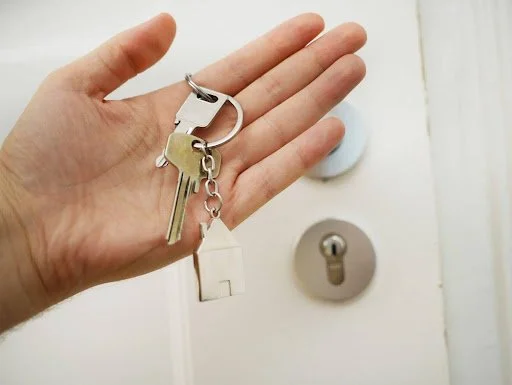
Effective communication stands as the cornerstone of successful property management. Property managers play a pivotal role in fostering positive relationships between tenants and landlords, mitigating conflicts, and ensuring a harmonious living environment. Clear and transparent communication channels, whether through regular updates, newsletters, or online portals, contribute to a sense of community and trust. Proactive communication also allows property managers to address concerns promptly, building a reputation for reliability and responsiveness. In a world where tenant satisfaction directly impacts property values and lease renewals, property managers adept at nurturing strong communication bonds become invaluable assets.
In the intricate tapestry of real estate, property management emerges as the unseen architect, weaving together the threads of financial expertise, technological innovation, and interpersonal skills. Beyond the conventional image of rent collectors, property managers are strategic decision-makers, custodians of property value, and mediators of harmonious tenant-landlord relationships. As the real estate industry continues to evolve, the role of property management becomes increasingly complex and multifaceted. Embracing technology, mastering financial intricacies, and excelling in communication are pivotal steps for property managers to not only navigate challenges but also elevate the standards of the entire real estate landscape. In this dynamic arena, property managers stand as the unsung heroes, shaping the present and future success of real estate investments.

Keep Your Property Safe: An Ultimate Guide
In an increasingly unpredictable world, ensuring the security of your home or business has never been more paramount. Whether you own a small suburban house, an urban apartment, or a sprawling commercial property, this guide is tailored to equip you with practical, effective strategies to safeguard your premises. From advanced security systems to simple preventive measures, we'll explore a wide array of options that aim to give you peace of mind and protect your property from potential threats.
We partnered with a jewlery company. for this post. The opinions in the post are honest. All reviews and opinions expressed in this post are based on our personal views. We are excited because we know you will love it.
In an increasingly unpredictable world, ensuring the security of your home or business has never been more paramount. Whether you own a small suburban house, an urban apartment, or a sprawling commercial property, this guide is tailored to equip you with practical, effective strategies to safeguard your premises. From advanced security systems to simple preventive measures, we'll explore a wide array of options that aim to give you peace of mind and protect your property from potential threats.
Contact a Damp Survey Expert
One of the first steps to ensuring your property is safe is to identify any potential hazards and address them accordingly. This includes assessing for dampness, which can not only cause damage to your property but also pose a health risk to its occupants. Contacting a damp survey expert can help you identify if any areas in your property are prone to dampness and provide you with solutions to prevent it from occurring. By tackling dampness early on, you can avoid potential structural damage and the need for expensive repairs in the future. They can detect signs of damp problems such as musty odors, peeling paint, and black mold growth, and recommend appropriate measures to keep your property safe and healthy. This step is crucial, especially if you live in an area with high humidity or frequent rainfall.
Install High-Quality Locks and Security Systems
One of the most effective ways to protect your property is by installing high-quality locks and security systems. This includes deadbolts, keyless entry systems, surveillance cameras, and motion sensors. These measures can act as a deterrent to potential burglars and intruders, making your property less vulnerable to break-ins. Ensure that all locks are in good working condition and regularly change the codes or keys for added security. You may also consider investing in a monitored security system that alerts authorities in case of suspicious activities.
Secure Your Doors and Windows
Doors and windows are often the easiest point of entry for burglars. Therefore, it's important to secure them properly. Make sure all doors have sturdy frames and hinges, solid core construction, and a deadbolt lock. For extra protection, you can also install a door reinforcement kit or add security bars on sliding doors. Windows should have strong locks, preferably with key-operated levers, and be made of tempered glass. You can also install window sensors that trigger an alarm if someone attempts to break in.
Maintain Your Property's Exterior
A well-maintained exterior not only adds curb appeal but also helps keep your property safe. Regularly inspect the outside of your property for any signs of damage, such as cracked walls or foundation issues. These can weaken the structure of your property and make it more vulnerable to potential threats. Keep bushes and shrubs trimmed to prevent them from becoming hiding spots for intruders. Additionally, consider installing outdoor lighting with motion sensors to deter burglars and improve visibility at night.
Leverage Smart Home Technology for Enhanced Security
With the advancement of technology, homeowners now have access to a variety of smart home devices that can enhance security. These include smart door locks, video doorbells, and even virtual assistants that can monitor your property remotely. Some systems even allow you to control and monitor your property's security from anywhere in the world through your smartphone. Consider investing in these technologies for added peace of mind and an extra layer of protection for your property.
Establish a Neighborhood Watch Program
Another effective way to keep your property safe is by establishing a neighborhood watch program. This involves working together with your neighbors to look out for any suspicious activities and report them to the authorities. It not only helps protect your own property but also creates a stronger, safer community for everyone. You can also organize regular meetings and training sessions to educate members on how to identify potential threats and take proactive measures to prevent them.
Install a Safe for Valuable Items

In case of a break-in, having a safe is an excellent way to secure your valuable items such as jewelry, cash, and important documents. Make sure the safe is bolted down and hidden in a discreet location to prevent it from being easily found or stolen. Also, regularly change the combination or key for added security. When choosing a safe, opt for one that is fire and water-resistant for added protection. In addition to a safe, consider keeping an inventory of your valuable items and their corresponding values for insurance purposes.
Keeping your property safe requires a combination of preventive measures, advanced technology, and community efforts. By following the tips outlined in this guide, you can significantly reduce the chances of potential threats to your property. Remember to stay vigilant, regularly assess your property's security needs, and make necessary updates to ensure your home or business remains a safe haven. So, don't wait any longer! Implement these strategies and keep your property safe today!
Enhance Home Security with Personal Touches
Alongside technological and physical security measures, personalizing your security plan can include sentimental items that hold significant value. For example, securing a customized ruby ring, a family heirloom or investment, in a reliable safe adds an emotional dimension to why we protect our homes. These cherished possessions require not just practical safety measures but a narrative that connects us to our belongings uniquely.
Bright Ideas for Homeowners: Tips From Professional Electricians
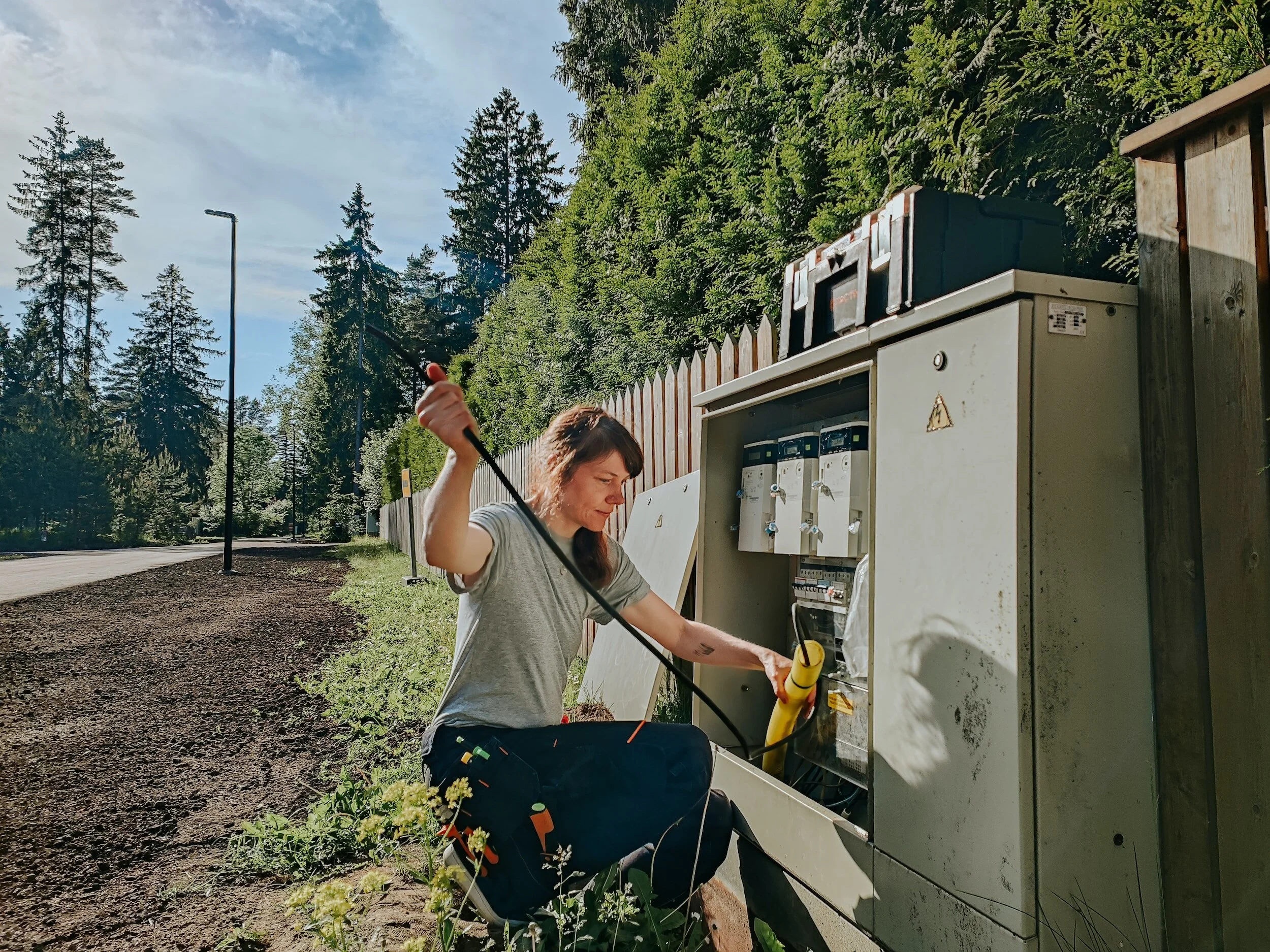
Maintaining an efficient electrical system is crucial for any homeowner. Therefore, when electrical problems arise, they can bring inconvenience, harm to property and even serious safety risks. While most electrical issues are minor and don’t put homeowners at risk, ignoring them is a big mistake. Minor issues can turn into full-blown problems instantly and can put you and other household members at risk of electrocution, fire and more. Delving into the realm of electricity can be overwhelming for those without expertise. In this blog, we bring you tips and insights from electricians. By following their guidance, you can ensure that your home in Christchurch or anywhere in New Zealand remains a haven for you and your loved ones.
We partnered with a electrical company for this post. The opinions in the post are honest. All reviews and opinions expressed in this post are based on our personal views. We are excited because we know you will love it.
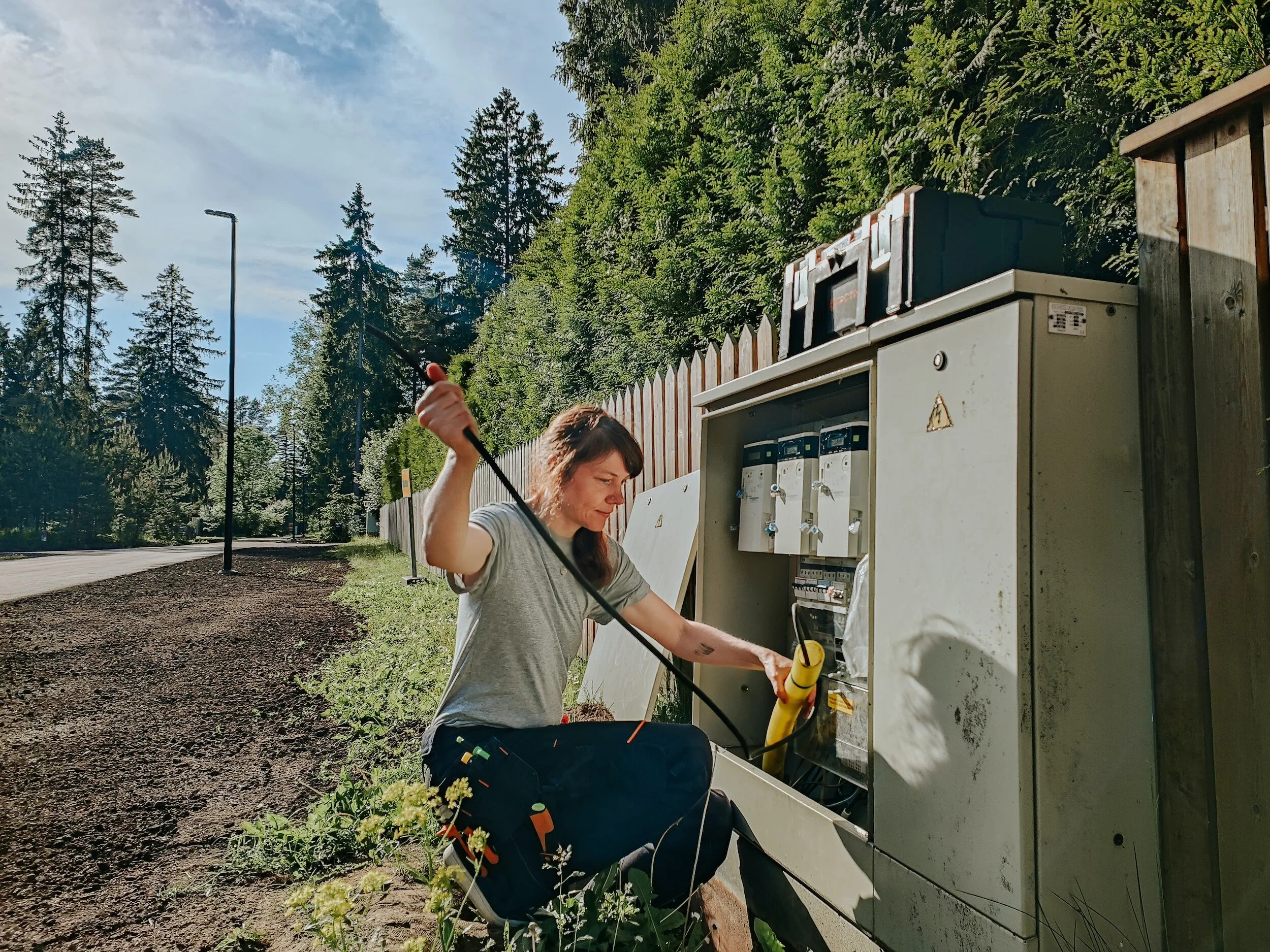
Maintaining an efficient electrical system is crucial for any homeowner. Therefore, when electrical problems arise, they can bring inconvenience, harm to property and even serious safety risks. While most electrical issues are minor and don’t put homeowners at risk, ignoring them is a big mistake. Minor issues can turn into full-blown problems instantly and can put you and other household members at risk of electrocution, fire and more. Delving into the realm of electricity can be overwhelming for those without expertise. In this blog, we bring you tips and insights from electricians. By following their guidance, you can ensure that your home in Christchurch or anywhere in New Zealand remains a haven for you and your loved ones.
1. Prioritize Safety
Safety should always take precedence when dealing with any task related to electricity. One important step in ensuring safety is locating your home's panel or circuit breaker box. Familiarise yourself with its whereabouts so that you can promptly respond during emergencies or switch off power when necessary. Don’t hesitate to contact professional electricians in Christchurch, New Zealand, for further assistance.
2. Utilize Surge Protectors
Power surges are among the culprits behind electrical damage in households. Safeguard your devices by investing in top-notch surge protectors. These devices redirect voltage, preventing it from harming connected appliances or causing fires.
3. Avoid Overloading Sockets
Plugging a number of devices into one socket can overload the circuit and result in overheating or fires. Make sure to distribute your devices across outlets and avoid using extension cords whenever
4. Install Ground Fault Circuit Interrupters (GFCIs)
GFCIs are outlets commonly found in areas that are exposed to moisture, like kitchens, bathrooms and outdoor spaces. They can detect imbalances in currents caused by wiring or water contact and immediately cut off power to prevent electrocution.
5. Maintain Lighting
It is important to have lighting in your home for both functionality and aesthetics. Promptly replace dim or flickering lights to prevent eye strain or accidents due to lighting conditions.
6. Regularly Test Smoke Detectors
Smoke detectors are safety devices that can save lives in the event of a fire. Make sure to test them and replace their batteries once a year to ensure they are fully functional.
7. Seek Professional Help for Electrical Repairs
While DIY enthusiasts may be tempted to handle repairs themselves, it is important to remember that electrical work requires expertise. Attempting repairs without the knowledge could lead to damage or pose serious risks to your safety. Always consult electricians for any issues you come across.
8. Consider Upgrading Your Wiring
Homes wired decades ago were not designed with today's power demands in mind. Over time, the wiring in your home may become worn out or frayed, which can increase the risk of fires. If you live in a house, it's important to consider upgrading your wiring system to ensure it meets safety standards.
9. Be Cautious of Aluminum Wiring
If your house was built during the 1960s or 1970s, it might have aluminium wiring instead of standard copper wiring. Aluminium wiring has its risks, as it tends to corrode and create loose connections over time. It's advisable to have a professional electrician evaluate your system if you suspect that aluminium wiring is present.
10. Embrace Energy Efficiency
By conserving energy, you will reduce your electricity bills. Also, it contributes to protecting the environment. Switching to LED bulbs, using energy appliances and turning off electronics are just a few simple steps you can take to make your home more energy efficient.
Conclusion
It is essential for every homeowner to prioritise maintaining an efficient system. By following these tips shared by expert electricians, homeowners can ensure that their homes have an efficient electrical system. Remember that prioritising safety, seeking assistance when necessary, and regularly maintaining your electrical components are crucial aspects of responsible homeownership. Empower yourself with knowledge about electricity. Keep the ideas flowing!

