

A resource for those seeking information on organizing and transforming spaces.

Oops! You've Got a Broken Gutter: Here's What to Do
Gutters are critical for protecting your home from water damage. They prevent flooding, mold growth, and foundation issues that can become costly to repair. However, when a gutter is damaged, it can no longer perform its job effectively. A broken gutter can lead to more significant problems, like water seeping into your home or overflowing onto your landscaping. In this guide, we'll be discussing what to do when you have a broken gutter and how to fix it.
Gutters are critical for protecting your home from water damage. They prevent flooding, mold growth, and foundation issues that can become costly to repair. However, when a gutter is damaged, it can no longer perform its job effectively. A broken gutter can lead to more significant problems, like water seeping into your home or overflowing onto your landscaping. In this guide, we'll be discussing what to do when you have a broken gutter and how to fix it.
Identify the Problem
The first step in fixing a broken gutter is to identify the problem. Inspect your gutter system to determine where the damage occurred. Common problems include cracks, holes, sagging, and disconnected gutter sections.
There are several reasons why a gutter may become damaged. One of the most common causes is debris build-up, such as leaves and twigs clogging the gutter system. This can put excessive weight on the gutters, causing them to sag or detach from the house. Another reason for damage could be heavy rainstorms or severe weather conditions that cause the gutters to bend, break, or become dislodged. Age and wear can also contribute to gutter damage over time, so keep that in mind. Once you've identified the problem, you can begin to assess the damage.
Prepare Your Supplies
To fix a broken gutter, you'll need a few essential supplies. These supplies include gloves, a ladder, a putty knife, silicone caulk, a drill, screws, and sealant. Make sure you have all of these supplies on hand before you start working on your gutter.
Supplies for fixing a broken gutter can be found at your local hardware store or home improvement center. You may also find some of the supplies online, but it's best to purchase them in person so you can ensure they are the correct size and type for your specific gutter system. Don't forget to wear gloves while handling any materials as they may contain sharp edges.
Fix Small Damages
If the damage to your gutter is minor, such as a small hole or crack, you can repair it with silicone caulk. Clean the damaged area and apply a small amount of silicone caulk. Smooth out the caulk with a putty knife and let it dry for at least an hour.
Sometimes, the damage to your gutter may be too big to fix with a simple repair. If you notice large holes, significant sagging, or multiple disconnected sections, it's best to call a professional for help. These types of damages require more extensive repairs and specialized tools that are best handled by an experienced gutter repair expert. Attempting to fix these issues on your own may lead to further damage and can be dangerous if you are not familiar with working at heights.
Reattach Disconnected Sections
If a section of your gutter has become detached, you'll need to reattach it with screws and sealant. First, clean the area where the section came loose. Apply a sealant to the area and then screw the section back in place. Be sure to add additional screws where needed to prevent it from coming loose again.
When reattaching a disconnected section, there are a few common mistakes to avoid. First, make sure you use the correct size and type of screws for your specific gutter system. Using the wrong screws can lead to further damage or an improper attachment that may come loose again in the future. Additionally, be careful not to overtighten the screws as this can also cause damage.
Call in Professional Help for a Bigger Job
While small damages can be easily fixed by following the steps above, sometimes a broken gutter requires professional assistance. If you notice significant sagging or multiple sections of your gutter are damaged, it's best to call in a professional roofing contractor. They have the expertise and specialized tools to fix any issues and ensure your gutter system is functioning properly. It may cost more upfront, but it can save you from more significant and costly repairs in the future.
Regular Maintenance is Key
Prevention is always better than a cure, so regular maintenance of your gutter system is crucial. Inspect your gutters at least twice a year, ideally in the spring and fall, to check for any damage or clogs. Remove any debris that may have accumulated and make any necessary repairs to prevent further damage. Keeping your gutters in good condition will save you time, money, and headaches in the long run.
Be to regularly check your gutters at least twice a year for any damage or clogs. However, there are also certain situations where it may be necessary to inspect them more frequently. For example, if you live in an area with heavy rainfall or strong winds, it's a good idea to check your gutters after each storm to ensure they haven't been damaged. It's also important to inspect your gutters at the beginning and end of each season, as leaves and debris tend to accumulate during these times.
A broken gutter can cause significant damage to your home if left unaddressed. However, with the right tools and know-how, you can make the necessary repairs yourself. Remember to inspect your gutter system regularly and address any issues promptly to prevent costly damage later on. By following the steps outlined in this guide, you'll be able to fix your broken gutter and restore it to proper working order.

Key Considerations for a Restful Sleep of Your Pet
Similar to humans, pets also require a good night's sleep to function at their best. Inadequate sleep in pets can result in various health issues, such as compromised immune function, behavioral problems, and reduced lifespan. It is crucial to understand the factors that influence your pet's sleep quality to ensure their overall well-being. By staying attuned to your pet's sleep schedule, you can ensure they receive the appropriate amount of rest based on their age and breed. So, what are the key factors to consider for promoting restful sleep for your beloved companion?
Similar to humans, pets also require a good night's sleep to function at their best. Inadequate sleep in pets can result in various health issues, such as compromised immune function, behavioral problems, and reduced lifespan. It is crucial to understand the factors that influence your pet's sleep quality to ensure their overall well-being. By staying attuned to your pet's sleep schedule, you can ensure they receive the appropriate amount of rest based on their age and breed. So, what are the key factors to consider for promoting restful sleep for your beloved companion?
Understanding Your Pet's Sleep Cycles
Sleep patterns in pets vary depending on their species, age, and lifestyle. For instance, cats tend to spend most of their day sleeping while dogs have a more active lifestyle with multiple naps throughout the day. Understanding your pet's sleep cycles is essential as it allows you to create a suitable sleep environment for them. Cats, for example, need a quiet and comfortable spot away from distractions while dogs may benefit from having their own designated sleeping area.
During your pet's slumber, its body undergoes various sleep stages, encompassing light sleep, deep sleep, and REM (rapid eye movement) sleep. Similar to humans, pets also engage in dreaming during the REM phase, emphasizing the importance of providing them with uninterrupted rest.
The Importance of Orthopedic Dog Beds for Enhanced Sleep Comfort
Just like humans, pets can also develop musculoskeletal issues that can impact their sleep quality. Choosing the right bed for your pet is crucial, especially if they are prone to joint problems or are older. Orthopedic dog beds offer superior support and comfort by reducing pressure points and promoting proper alignment of the spine.
The beds are designed with memory foam, providing the required cushioning to alleviate any discomfort your pet may experience while sleeping. Namely, these incredible memory foam dog beds mold your canine's body, resulting in enhanced comfort and a better sleep experience. When investing in an orthopedic bed for your pet, ensure that it is the appropriate size and thickness to support their weight and body shape.
Maintaining a Consistent Sleep Schedule
Establishing a consistent sleep schedule for your pet can help them develop healthy sleep habits. While it may vary depending on species, age, and lifestyle, most pets require around 12-14 hours of sleep per day. Make sure to include nap times in their daily routine, especially for younger or older pets who may need more rest.
On the other hand, try to avoid changing your pet's sleep schedule abruptly as it can disrupt their internal body clock and lead to sleep disturbances. If you need to adjust their sleep schedule, do so gradually over a few days while monitoring how it affects your pet.
Exercise and Mental Stimulation

Regular exercise and mental stimulation are crucial for promoting restful sleep in pets. By providing your pet with enough physical and mental activity throughout the day, you can help them expend their energy and decrease any potential restlessness or anxiety that could disrupt their sleep at night.
For example, taking your dog for a walk or playing with your cat using interactive toys can help tire them out and promote better sleep. Keep in mind that some pets may have specific exercise needs based on their breed and age, so it's essential to consult with your veterinarian about the best activity level for your pet. If the dog is not getting enough exercise during the day, they may resort to disruptive behaviors at night, such as barking, scratching, or chewing.
Diet and Nutrition
Diet and nutrition also play a significant role in your pet's sleep quality. Providing your pet with a well-balanced diet that meets their individual needs can ensure they receive the necessary nutrients for healthy brain function and overall well-being. Avoid feeding your pet close to bedtime as it can lead to discomfort and disrupt their sleep.
Additionally, make sure your pet has access to fresh water throughout the day, especially before bedtime, to prevent dehydration which can also affect their sleep.
Creating a Calm Sleep Environment
A serene and comfortable sleep environment can significantly enhance your pet's sleep quality. Ensure the sleeping area is clean, quiet, and has a comfortable temperature. Minimize exposure to bright lights and loud noises, particularly during their sleep times, as these could interrupt their rest. For pets who are easily startled or anxious, consider using a crate or a separate room where they can sleep undisturbed. Additionally, certain calming aids such as pet-friendly aromatherapy or white noise can be beneficial in creating a tranquil environment conducive to sleep. Remember, a safe and quiet sleep environment will help your pet feel more relaxed and promote restful sleep.
It's undeniable that the quality of your pet's sleep has profound implications on their overall health and well-being. From understanding their sleep cycles to creating a calm sleep environment, every element plays a crucial role in ensuring your companion is getting the rest they need. Opt for an orthopedic bed if they have joint issues, maintain a consistent sleep schedule, and keep them active during the day to promote better sleep at night. Providing a balanced diet and ensuring they stay hydrated is also fundamental. Keep in mind that your four-legged friend's sleep needs might differ from yours, and it's about understanding those needs and making suitable arrangements. Your pet's peaceful slumber is a pathway to a happier, healthier life.

DIY Arsenal: Must-Have Tools Every Home Should Have
As a homeowner, there's a certain pride that comes with being able to take care of your own home repairs and projects. Having a well-equipped toolkit at home not only saves you time and money but also empowers you to handle basic tasks on your own. In this blog, we'll explore the must-have tools that should be a part of every DIY arsenal.
As a homeowner, there's a certain pride that comes with being able to take care of your own home repairs and projects. Having a well-equipped toolkit at home not only saves you time and money but also empowers you to handle basic tasks on your own. In this blog, we'll explore the must-have tools that should be a part of every DIY arsenal.
Safety First: Basic Protective Gear
Before we dive into the tools themselves, it's essential to prioritize safety. Investing in basic protective gear will ensure that you can work confidently without worrying about accidents or injuries. Safety goggles protect your eyes from flying debris, while gloves provide protection against sharp objects and chemicals. A dust mask is crucial for filtering out harmful particles during sanding or other dusty tasks. Remember, safety should always be a priority when working on any project.
Essential Hand Tools
Essential hand tools are the backbone of any homeowner's toolkit. These tools are versatile and can handle a wide range of tasks around the house. A hammer is a must-have, serving both for driving nails and extracting them. A screwdriver set is essential for tightening or loosening screws of various sizes and types. Pliers provide a strong grip and are useful for gripping, bending, and cutting wires. A tape measure ensures accurate measurements for precise DIY projects. With these essential hand tools, homeowners can confidently tackle basic repairs, hang pictures, assemble furniture, and more. They are the foundation of any DIY arsenal and are indispensable for everyday household tasks.
Power Tools for Homeowners
When it comes to power tools for homeowners, there are various options available to suit different needs and projects. Power tools can greatly simplify tasks and help accomplish them more efficiently. However, in certain environments where there is a risk of sparks causing explosions or fires, non-sparking tools are essential. Non-sparking tools are specially designed to minimize the risk of generating sparks, making them suitable for use in hazardous areas. These tools are often made from materials such as beryllium copper or aluminum bronze, which have low spark potential. They are commonly used in industries such as oil refineries, chemical plants, and mining operations. Non-sparking power tools, including saws, rotary hammer drills, and impact wrenches, provide a safer option for homeowners working in potentially explosive environments. Ensuring the use of non-sparking tools can significantly reduce the risk of accidents and create a safer working environment.
Specialty Tools for Specific Projects
In addition to the essential tools mentioned above, there are a few specialty tools that can be handy for specific projects or repairs:
1. Level: Achieving precise alignments is crucial, especially when it comes to hanging pictures or installing shelves. A level helps you ensure that everything is straight and level, giving your projects a professional finish.
2. Stud Finder: When mounting heavy objects on walls, it's important to locate the wall studs for secure anchoring. A stud finder helps you locate these studs accurately, preventing accidents or damage to your walls.
3. Pipe Wrench: Plumbing repairs often require the use of a pipe wrench. It provides a strong grip and leverage to loosen or tighten pipes, making it indispensable for any plumbing-related tasks.
4. Utility Knife: This versatile tool has a wide range of applications, from cutting through packaging materials to trimming edges of carpets or wallpapers. Its sharp blade ensures precise cuts and makes various tasks easier.
Organization and Storage Solutions

With a growing collection of tools, it's important to stay organized and keep everything in its place. Organization and storage solutions are essential for homeowners to keep their tools and equipment tidy and easily accessible. A toolbox is a classic storage solution for organizing hand tools and small items. It provides a portable and compact option for keeping tools in one place. For homeowners who prefer to have their tools close at hand, a tool belt or apron can be a convenient option, allowing easy access while working on projects. Additionally, wall-mounted storage solutions such as pegboards or tool racks are great for larger tools and equipment. They help maximize space and keep everything organized and visible. Labeling containers and drawers can further enhance organization by ensuring that items are easy to locate. By implementing these organization and storage solutions, homeowners can maintain a clutter-free workspace and save time searching for tools when they need them.
Building a DIY arsenal with essential tools is an investment that pays off in the long run. With the right tools at hand, you can confidently tackle a wide range of projects and repairs around your home. From basic hand tools like hammers and screwdrivers to power tools like cordless drills and circular saws, each tool serves a specific purpose and contributes to your overall DIY capabilities.
Remember to prioritize safety by wearing protective gear like safety goggles, gloves, and dust masks. And don't forget about specialty tools for specific projects, such as levels, stud finders, pipe wrenches, and utility knives.
Keeping your tools organized and properly stored is also essential. Invest in a sturdy toolbox or consider wall-mounted storage solutions to save space and keep everything in order.
So, whether you're a seasoned DIY enthusiast or just starting out, start building your DIY arsenal today. With the right tools at your disposal, you'll be able to take on new projects and repairs with confidence, saving time and money in the process.

Home Project Suggestions You Will Absolutely Adore
Whether you're a seasoned renovation expert or just getting started with sprucing up your space, there's no denying the satisfaction and pride that comes with completing a project on your own. The thrill of choosing materials and design elements and bringing your vision to life is incomparable. As we spend more time at home these days, it's the perfect opportunity to embark on some new projects that will not only give your space a fresh look but also improve its functionality. If you're seeking inspiration and ideas for doable and enjoyable home improvement projects, keep reading.
Whether you're a seasoned renovation expert or just getting started with sprucing up your space, there's no denying the satisfaction and pride that comes with completing a project on your own. The thrill of choosing materials and design elements and bringing your vision to life is incomparable. As we spend more time at home these days, it's the perfect opportunity to embark on some new projects that will not only give your space a fresh look but also improve its functionality. If you're seeking inspiration and ideas for doable and enjoyable home improvement projects, keep reading.
1. Siding Update
If your home's exterior is looking dull and outdated, it might be time for a siding update. According to siding contractors at KV Construction, replacing old siding with a modern alternative can significantly enhance your home's curb appeal. With advancements in technology, there are now more options than ever when it comes to choosing the right type of siding for your home.
For a low-maintenance and long-lasting option, consider fiber cement siding, which is resistant to rotting, warping, and insect damage. Vinyl siding is also a popular choice for its affordability and variety of colors and styles available. Remember to choose a color and style that complements your home's architecture and blends well with the surrounding neighborhood.
2. Kitchen Backsplash Refresh
A kitchen backsplash can completely change the look and feel of your cooking space. It's more than just a practical element that protects your walls from splatters and spills; it's also a design feature that adds color, texture, and personality to your kitchen. Whether you choose a classic subway tile, a bold geometric pattern, or a sleek glass panel, the options are endless.
Remember, choose easy-to-clean, durable, and heat-resistant materials. For a simple DIY project, try peel-and-stick tiles for quick, affordable, and hassle-free installation. With a little effort, bring your dream kitchen to life, enhancing its appeal and increasing your home's value.
3. Closet Organization System
Is your closet overflowing with clothes and accessories, making it challenging to find what you need? A closet organization system can work wonders for decluttering and streamlining your space. With customizable options available at most home improvement stores, you can design a system that caters to your specific needs.
Maximize every inch of space by incorporating shelves, drawers, hanging rods, and shoe racks. You can also add a pop of color by painting the shelves or investing in decorative storage bins and baskets. Not only will this project make your closet more functional, but it will also save you time and energy when getting dressed.
4. Bathroom Vanity Makeover
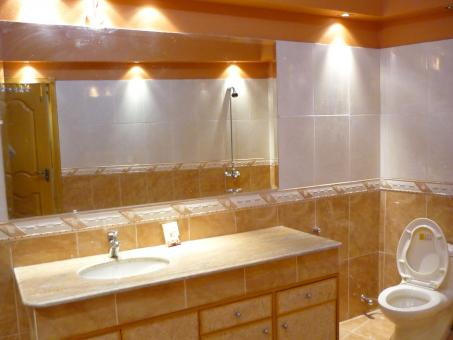
The bathroom is one of the most frequently used spaces in any home, making it a perfect candidate for a refresh. A simple and budget-friendly way to achieve this is by giving your bathroom vanity a makeover. You can opt for a fresh coat of paint or stain in a trendy color, add new hardware for a modern touch, or even replace the entire vanity if it's outdated.
Additionally, consider upgrading your sink and faucet to enhance both the aesthetic appeal and functionality of your bathroom. With just a few changes, you can turn a dull and dated bathroom into a luxurious retreat that adds value to your home.
5. Outdoor Entertainment Area
With more time at home, your outdoor space becomes an ideal spot for relaxation and entertainment. Creating an inviting and functional outdoor area can be a fun project that adds value to your property and offers a perfect place to enjoy the warmer weather. Whether you have a large backyard or a cozy balcony, endless possibilities exist for creating an outdoor oasis.
Consider adding comfortable seating, a dining area, and some greenery to create a cozy and inviting atmosphere. You can also incorporate string lights, an outdoor rug, and some decorative accents to add personality and charm. With a well-designed outdoor entertainment area, you can extend your living space and make the most of your time at home.
6. Home Office Setup
As many of us continue to work from home, having a designated workspace is crucial for productivity and focus. Whether you have a spare room or just a small corner, creating a functional and organized home office can greatly improve your work-from-home experience.
Start by choosing the right desk and chair that provides comfort and support for long hours of sitting. Consider storage solutions such as shelves, cabinets, or desk organizers to keep your workspace clutter-free. And remember to add some personal touches like photos, plants, or artwork to make the space feel more inviting and inspiring.
There are countless home improvement projects that you can take on to enhance your living space and increase its value. Whether it's a small DIY project or a larger renovation, the key is to choose projects that align with your personal style, budget, and needs. With a little effort and creativity, you can transform your home into a space that reflects your personality and brings you joy every day.

