

A resource for those seeking information on organizing and transforming spaces.
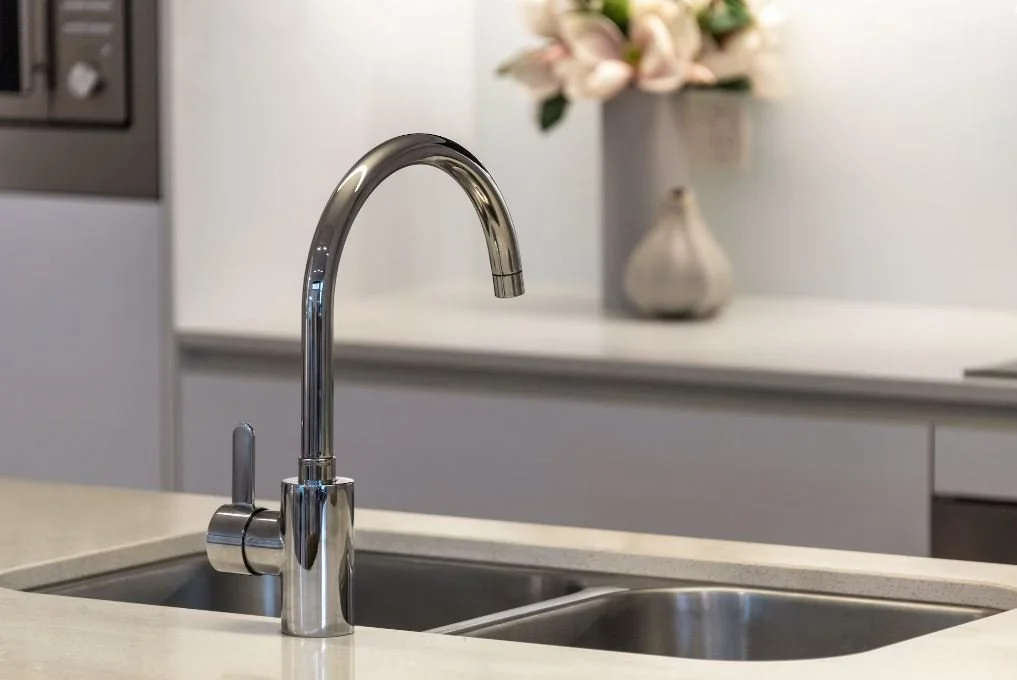
5 Signs Your Kitchen Sink Needs Replacement
The kitchen sink is a common feature of any household. It serves the purpose of cleaning kitchen wares and preparing meals. But, it can sometimes be challenging to know when the kitchen sink needs to be replaced. Some damages may require repair, while others may require a complete replacement. This blog post will discuss five signs that indicate that your kitchen sink may need to be replaced.
The kitchen sink is a common feature of any household. It serves the purpose of cleaning kitchen wares and preparing meals. But, it can sometimes be challenging to know when the kitchen sink needs to be replaced. Some damages may require repair, while others may require a complete replacement. This blog post will discuss five signs that indicate that your kitchen sink may need to be replaced.
Cracks or Chips
The kitchen sink is susceptible to cracks and chips, whether it is made of steel, porcelain, or cast iron. Cracks and chips can lead to leaks and may undermine the hygiene and maintenance of your kitchen. If you notice any cracks or chips, it may be time to replace your kitchen sink.
Rust and Discoloration
If you notice rust or discoloration in your sink, it is usually a sign of damage that cannot be repaired. Even though rust can be removed, it will continue to spread, destroying your kitchen sink’s integrity. Rust can also harm the health of people using the kitchen sink. If your sink has this issue consider calling a plumbing professional to help.
Water Damage
If you notice water damage under your kitchen sink, you should consider replacing your sink. Water damage occurs when water has been leaking over a long period, and the existing sink may be beyond repair. A new kitchen sink will help eliminate the source of water damage in your kitchen space while also making it a more hygienic place.
Lack of Functionality
If your sink is not fully functional, it may need replacement. An inefficient sink with issues such as blocked or slow draining, or low water pressure, can be frustrating and may indicate an underlying issue. Replacing the sink offers a chance to modernize the space and make it more functional.
Outdated Style and Design
An outdated sink can make your kitchen feel uninviting and uninspiring. Replacing an outdated style and design sink is a great way to improve the aesthetics of your kitchen. By upgrading your kitchen sink, you are also increasing the property value of your entire home.
Your kitchen sink is a critical component of your kitchen, and keeping it in top condition is important. In conclusion, knowing the signs that indicate the need for replacement is essential for ensuring the well-being of your kitchen and your loved ones. If you think it's time for a replacement, call a professional plumber. They will help you select the best kitchen sink replacement option and guide you through the installation process.
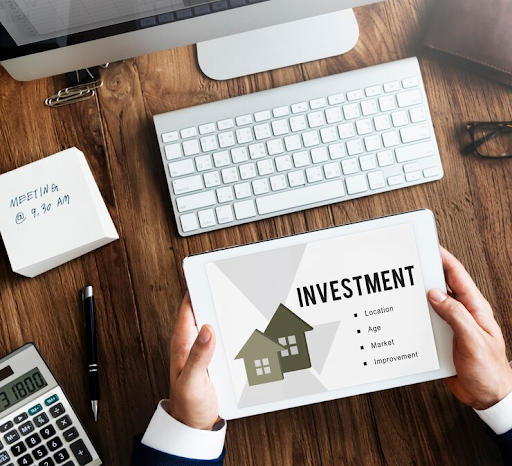
Interested in Real Estate Investments? Here’s What You Need to Know
Real estate investments have long been an attractive option for those looking to diversify their portfolios and generate passive income. The promise of long-term appreciation, rental income, and tax benefits make real estate a compelling investment choice. However, before diving into the world of real estate investments, it's crucial to understand the fundamentals and factors that can contribute to success. In this blog, we will explore everything you need to know about real estate investments, from understanding the different types of investments to evaluating potential properties and managing your investment effectively.
We partnered with a real estate company. for this post. The opinions in the post are honest. All reviews and opinions expressed in this post are based on our personal views. We are excited because we know you will love it.
Real estate investments have long been an attractive option for those looking to diversify their portfolios and generate passive income. The promise of long-term appreciation, rental income, and tax benefits make real estate a compelling investment choice. However, before diving into the world of real estate investments, it's crucial to understand the fundamentals and factors that can contribute to success. In this blog, we will explore everything you need to know about real estate investments, from understanding the different types of investments to evaluating potential properties and managing your investment effectively.
Understanding Real Estate Investments
Real estate investments refer to the purchase, ownership, and management of real property with the expectation of generating income or profit. There are various types of real estate investments, including residential properties, commercial properties, industrial properties, and even vacant land. Each type of investment has its own set of considerations and potential returns. Understanding these benefits is crucial for real estate investing success. Real estate investments offer the potential for long-term appreciation, passive income through rental properties, portfolio diversification, and tax advantages such as depreciation deductions and capital gains tax treatment.
Factors to Consider Before Investing
Before jumping into real estate investments, assessing your financial readiness and setting clear investment goals is important. Evaluating your financial situation, including your budget, savings, and creditworthiness, will help determine your investment capacity and your financing options. Additionally, conducting a thorough market analysis is crucial. Researching local real estate markets will provide insights into trends, supply and demand dynamics, and potential growth areas. Lastly, it's essential to assess the risks involved with real estate investments. Identifying potential risks and understanding the potential returns will help in making informed investment decisions.
Different Investment Strategies
Real estate investments offer various strategies to choose from, depending on your goals and risk appetite. One popular strategy is investing in rental properties. Purchasing a property and renting it out allows for passive income generation. However, being a landlord requires careful property management and tenant selection to ensure a steady cash flow. Another strategy is the fix and flip approach, where an investor purchases a distressed property, renovates it, and sells it at a profit. This strategy requires a keen eye for identifying undervalued properties and strong project management skills to make the most of emerging investment property opportunities in a competitive market. For those seeking a more hands-off approach, real estate investment trusts (REITs) offer an opportunity to invest in a diversified portfolio of properties without the need for direct property ownership.
Financing Your Real Estate Investment
Financing plays a crucial role in real estate investments. Traditional loans, such as mortgages, are commonly used to finance real estate purchases. It's important to explore different mortgage options and understand the terms, interest rates, and repayment schedules before committing to a loan. Alternative financing options, such as private lenders, hard money loans, and crowdfunding platforms, provide additional avenues for securing funding. Having a solid financial plan and budgeting is essential to ensure that the investment aligns with your overall financial goals and capabilities.
Finding and Evaluating Potential Properties
Sourcing potential properties can be done through various channels, including real estate agents, online listings, auctions, and networking. When evaluating properties, several key factors need to be considered. Location is crucial, as properties in desirable neighborhoods tend to have better appreciation potential and attract quality tenants. Property condition is also important, as costly repairs and maintenance can eat into your profits. Additionally, evaluating the potential for growth, rental demand, and amenities in the area are vital factors to consider. Conducting due diligence, such as inspections, property appraisals, and title searches, before finalizing a purchase is essential to uncover any hidden issues or liabilities.
Managing Your Real Estate Investment
Effective management is key to maximizing the returns on your real estate investment. Property management can be done either through self-management or by hiring professionals. Self-management allows for more control over the property, but it requires time, effort, and knowledge of landlord-tenant laws and regulations. Hiring professional property managers can alleviate the burden of day-to-day management tasks and ensure that your investment is being well-maintained. Maintaining a healthy cash flow is essential, as regular rental income should cover expenses such as mortgage payments, property taxes, insurance, and maintenance costs.
Risks and Challenges

Like any investment, real estate also comes with its fair share of risks and challenges. Market fluctuations, economic downturns, and changes in interest rates can impact property values and rental demand. It's important to understand these risks and have contingency plans in place. Additionally, the potential pitfalls of real estate investments, such as unexpected repairs, vacancies, or difficult tenants, need to be accounted for. Diversification and long-term planning can help mitigate these risks and provide stability to your real estate investment portfolio.
Real estate investments can offer lucrative opportunities for wealth building and passive income generation. However, it's crucial to approach this investment with careful consideration and thorough research. Understanding the different types of real estate investments, evaluating potential properties, and managing your investment effectively are key steps to success. You can make informed decisions that align with your goals and capabilities by assessing your financial readiness, conducting market analysis, and understanding the risks involved. Whether you choose rental properties, fix and flip projects, or real estate investment trusts, having a solid financial plan and budgeting is essential. And remember, effective property management and risk mitigation strategies are crucial for long-term profitability. With the right knowledge and preparation, real estate investments can be a rewarding venture that helps you build wealth and generate passive income.

4 Tips to Follow if You Want to Fix or Replace Your Roof
Your roof is one of the most important components of your home. It protects you and your belongings from the elements and plays a crucial role in maintaining the structural integrity of your house. Over time, wear and tear can take a toll on your roof, leading to leaks, damage, and the need for repairs or even a complete replacement. In this blog post, we will provide four essential tips to guide homeowners who are considering fixing or replacing their roofs.
Your roof is one of the most important components of your home. It protects you and your belongings from the elements and plays a crucial role in maintaining the structural integrity of your house. Over time, wear and tear can take a toll on your roof, leading to leaks, damage, and the need for repairs or even a complete replacement. In this blog post, we will provide four essential tips to guide homeowners who are considering fixing or replacing their roofs.
1. Assess the Damage
The first step in addressing any roofing issue is to assess the damage. Start by checking the overall condition of your roof. Look for visible signs of damage, such as missing shingles, cracked tiles, or sagging areas. Check for water stains on the ceiling or walls, as these are indicators of leaks. If you are unsure about the extent of the damage, it is advisable to hire a professional roofing contractor who can provide a detailed roof inspection and assessment. While inspecting your roof, it's crucial to document the damage. Take clear photographs that capture the affected areas. These photographs will serve as evidence for insurance claims and assist the roofing professional in understanding the scope of the repair or replacement.
2. Determine Repair or Replacement
After assessing the damage, you need to determine whether your roof requires repairs or a complete replacement. Several factors should be considered in making this decision. Firstly, consider the severity of the damage. Minor issues like a few missing shingles or isolated leaks can often be repaired without requiring a full replacement. However, extensive damage, such as widespread leaks or significant structural issues, may call for a complete roof replacement to ensure the long-term integrity of your home.
Another important factor to consider is the age of your roof. If your roof is nearing the end of its expected lifespan, investing in repairs may only provide a temporary solution. In such cases, opting for a roof replacement can be more cost-effective in the long run, as it will provide you with a new roof that can last for many years without the need for frequent repairs.
To make an informed decision, it is recommended to consult with roofing professionals who can assess the condition of your roof and provide expert advice. They can evaluate the extent of the damage, consider the age of your roof, and provide estimates for both repairs and replacements. By weighing the costs, benefits, and long-term implications, you can determine whether a repair or replacement is the best course of action for your specific situation.
3. Choose the Right Materials and Contractor
If you decide to move forward with repairs or a replacement, selecting the right materials and contractor is crucial. Different roofing materials have varying characteristics and advantages. Consider factors such as durability, energy efficiency, and aesthetic appeal when making your choice.
Research the available options, such as asphalt shingles, metal roofs, or tile roofs, and evaluate their pros and cons. Consult with your roofing contractor to determine which material is most suitable for your specific climate and budget.
Equally important is choosing a reputable and experienced roofing contractor. Take the time to check references, read online reviews, and obtain multiple quotes. A reliable contractor will provide quality workmanship, adhere to timelines, and ensure that your roof is installed or repaired to industry standards.
4. Plan the Process and Budget Accordingly
Before embarking on any roofing project, it's essential to plan the process and budget accordingly. Begin by creating a timeline for the project. Consider external factors such as weather conditions that may impact the installation or repair process. It's best to schedule the work during a season with favorable weather to minimize delays.
Next, set a realistic budget that covers the costs of materials, labor, and potential unforeseen expenses. It's important to allocate sufficient funds to ensure the job is done properly and meets building codes and regulations. Additionally, if permits are required, make sure to apply for them in advance.
Throughout the project, maintain clear communication with your roofing contractor. Stay involved in the process, ask questions, and address any concerns promptly. A successful roof repair or replacement project relies on collaboration between the homeowner and the contractor.
Fixing or replacing your roof is a significant investment that should not be taken lightly. By following these four essential tips, you can navigate the process with confidence and ensure a successful outcome. Remember to assess the damage thoroughly, determine whether repairs or a replacement are necessary, choose the right materials and contractor, and plan the process and budget accordingly. Prioritizing the health of your roof will provide you with a safe and secure home for years to come.
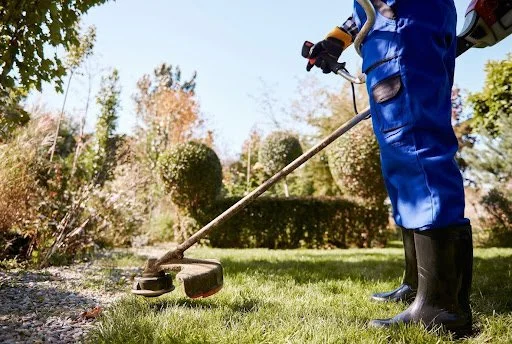
Lawn Care Made Easy: Must-Have Tools for Effortless Maintenance
Maintaining a vibrant, lush lawn is a goal for many homeowners, yet it can often feel like a daunting task. It shouldn't be, especially if equipped with the right tools. In this guide, we'll explore some must-have tools that will make your lawn care tasks significantly easier and more efficient, transforming what was once a chore into an enjoyable pastime. Whether you're a seasoned lawn enthusiast or a novice just starting, these tools are essential for effortless maintenance and achieving that enviable green carpet.
Maintaining a vibrant, lush lawn is a goal for many homeowners, yet it can often feel like a daunting task. It shouldn't be, especially if equipped with the right tools. In this guide, we'll explore some must-have tools that will make your lawn care tasks significantly easier and more efficient, transforming what was once a chore into an enjoyable pastime. Whether you're a seasoned lawn enthusiast or a novice just starting, these tools are essential for effortless maintenance and achieving that enviable green carpet.
Lawn Mower: The First Step to a Neatly Trimmed Lawn
A lawn mower is undoubtedly the first tool you'll need. It's the workhorse of lawn maintenance, helping you keep your grass at the desired height. Mowers come in a variety of types, including push, ride-on, and robotic, each suitable for different sizes and types of lawns. Choosing the right one depends on your lawn's size and your physical capabilities.
Regular mowing doesn't just keep your lawn looking neat; it also keeps it healthy. Trimming the grass encourages it to grow thicker, creating a lush, full lawn that's more resistant to pests and diseases. Remember to keep your mower's blades sharp for a clean cut that promotes better grass health.
Calling in a professional lawn mowing service could yield excellent results, but it's not always the most cost-effective option. When researching different businesses and you find one near you, be sure to check the reviews and compare prices to get the best deal. Also, make sure to communicate your expectations so that they can tailor their service to meet your needs.
Leaf Rake: For a Clean and Debris-Free Lawn
Leaf rakes are essential for keeping your lawn free of leaves and other debris, especially in the fall. A leaf-covered lawn can turn into a soggy mess after rain, creating an ideal environment for diseases and pests. Plus, heaps of leaves can smother the grass, blocking sunlight and hindering growth.
Select a rake with a wide head to cover a larger area and make the job faster. Consider rakes with adjustable tines to reach tight corners and around landscape features. A good rake will help you not only keep your lawn clean but also aerate the soil and remove thatch, promoting healthier grass growth.
Lawn Sprinkler: For Consistent and Efficient Watering
Hydration is crucial to your lawn's health, and a lawn sprinkler can make this task effortless. An adequately watered lawn is more resilient, tolerating heat and resisting diseases better. Sprinklers distribute water evenly and can cover large areas, ensuring all parts of your lawn receive enough hydration.
Different types of sprinklers are available, including stationary, oscillating, and traveling models. Consider your lawn's size, shape, and water needs when choosing a sprinkler. Remember, the key to effective watering is consistency. Water your lawn early in the morning to minimize evaporation and allow the water to penetrate the soil before the heat of the day.
Fertilizer Spreader: For Even Nutrient Distribution
Fertilizing is an integral part of lawn maintenance, nourishing your grass with essential nutrients to promote healthy growth. A fertilizer spreader ensures even distribution of fertilizer across your lawn, reducing the risk of patchy growth and nutrient burn.
There are two main types of spreaders: broadcast (or rotary) spreaders and drop spreaders. Broadcast spreaders are ideal for large lawns while drop spreaders offer precision, perfect for smaller lawns or areas around landscape features. Regular fertilizing, typically in the spring and fall, will keep your lawn vibrant, lush, and healthy.
Garden Hose and Nozzle: For Precise Watering and Cleaning

A garden hose and nozzle are versatile tools in lawn care. Aside from watering, they're handy for cleaning equipment, rinsing off walkways, and even filling water features. Nozzles come in various types, with different spray patterns suitable for various tasks.
Choose a hose that's long enough to reach all corners of your lawn. Hoses with kink-resistant designs will make your work easier and prolong the hose's life. A good nozzle will let you adjust the water pressure and spray pattern, making it suitable for anything from gentle watering of seedlings to powerful jets for cleaning. Equipped with these tools, you'll be well on your way to maintaining a picturesque lawn.
In conclusion, maintaining a beautiful and healthy lawn is a task that demands dedication, time, and the right tools. From mowing and raking to watering and fertilizing, each step plays a significant role in the overall look and health of your lawn.
Investing in quality tools like a lawnmower, leaf rake, lawn sprinkler, fertilizer spreader, and garden hose with a suitable nozzle, you can simplify these tasks and transform them into an enjoyable part of your routine. Don't forget, that the key to efficient lawn maintenance is consistency. With these tools and a regular maintenance schedule, you'll be well-equipped to keep your lawn looking its best all year round.

