

A resource for those seeking information on organizing and transforming spaces.

Moving with Pets: Guide to Keeping Your Furry Friends Calm
Moving to a home can be both exciting and stressful for us humans. However, it's important to remember that our beloved pets, like cats and dogs, can also experience anxiety during this transition. To make the move as smooth as possible for both you and your furry friend, here are some tips to keep them calm throughout the moving process.
We partnered with a home improvement company for this post. The opinions in the post are honest. All reviews and opinions expressed in this post are based on our personal views. We are excited because we know you will love it.

Moving to a home can be both exciting and stressful for us humans. However, it's important to remember that our beloved pets, like cats and dogs, can also experience anxiety during this transition. To make the move as smooth as possible for both you and your furry friend, here are some tips to keep them calm throughout the moving process.
Preparing Your Pet for the Move
Pets thrive on routine, so it's crucial to introduce gradual changes to their environment leading up to the move. If you are at a stage where you compare removalists for the move, start by bringing home moving boxes a week in advance. Allow your pet to explore and get familiar with these objects. It's important not to rush this process since sudden changes can increase anxiety in pets.
Creating a Calm Space
Amidst all the chaos of packing, designate an area where your pet can feel secure and away from all the commotion. This could be a bedroom or any secluded spot away from boxes being moved around. Make sure your pet has their bed or blanket along with their toys and food bowl.
Maintaining Their Routine
Sticking as closely as possible to your pet’s routine before the move can help keep them calm despite all the changes happening around them.
Establishing a routine of feeding, walks, playtime, and bedtime rituals will provide a sense of stability and comfort for your pets during this time.
Consult Your Veterinarian
Before you embark on a long-distance move or cross state lines with your furry companions, it's important to consult your veterinarian. They can offer guidance on keeping your pets calm during travel, suggest any vaccinations or sedatives if needed and ensure that your contact information is up to date in case of emergencies.
Update Their Identification Tags
Make sure to update your pet’s identification tags with contact information before the moving day arrives. Accidents can happen to anyone. But, having updated tags significantly increases the chances of being reunited with your pet if they happen to get lost during the process.
Acclimate Your Pet to Their Carrier
If you're travelling by car, introduce your pet to their carrier in advance. Gradually make it a safe and comfortable space where they can rest or seek refuge. Using treats and positive reinforcement will help create an association of comfort for them. Over time, increase the duration they spend inside the carrier to prepare them for journeys.
Create Familiarity in Their New Environment
To create a sense of familiarity in their surroundings, make sure to set up their designated area in your new home. Whether it's a room or a cozy corner, arrange their food bowls and familiar toys before bringing them inside. Introducing such scents will provide them with reassurance amidst the new environment.
Slowly Introduce Them to Each Room
Take things slowly when introducing your pet to rooms in the home. They may initially feel overwhelmed by the changes. Gradually introduce them to one room at a time while offering plenty of reinforcement and attention along the way.
Stay Patient and Reassuring
During this adjustment period, be patient and reassuring with your pet. They may exhibit behaviours like hiding or avoiding areas initially. Instead of forcing them, give them space and time to explore at their own pace. Reward any positive behaviours with treats, as this will reinforce feelings of security and create positive associations with their new surroundings.
Establishing a New Schedule
When you move to a new home, it's important to stick as closely as possible to your pet’s regular routine. This means keeping their feeding times, walks, playtime and bedtime consistent. By doing so, you'll help them feel more at ease and bring back a sense of familiarity and stability in their environment.
Conclusion
Moving to a new home can be overwhelming for our furry companions since they thrive on familiarity and routine. By following these tips and techniques, you can ensure that your beloved pets stay calm and minimise their stress during the moving process.
From introducing changes in their surroundings to creating a designated space, maintaining their daily routine and seeking advice from your veterinarian – taking these steps will prepare you for the upcoming transition. It's also essential to update their identification tags, get them accustomed to their carrier and make all arrangements before the moving day itself.

Repairs You Can Partially DIY to Save Money
We all know hiring a professional for repairs at home can be a bit expensive. However, did you know that there are some repairs you can do by yourself? With the right tools and a bit of knowledge, you can easily tackle some home maintenance tasks without breaking the bank. In this blog post, we will go through some common household repairs that you can partially DIY to save money.
We all know hiring a professional for repairs at home can be a bit expensive. However, did you know that there are some repairs you can do by yourself? With the right tools and a bit of knowledge, you can easily tackle some home maintenance tasks without breaking the bank. In this blog post, we will go through some common household repairs that you can partially DIY to save money.
Cleaning Gutters
When it comes to roof maintenance and roofing, cleaning gutters is an important task to ensure the proper flow of water away from your home. It can also be costly to hire a professional to do it for you. However, with the right materials, you can tackle this job yourself. Invest in a good quality ladder, scoop, and some gloves to protect yourself from debris. Make sure to follow safety protocols while doing this and be mindful of power lines and other hazards.
Fixing Leaky Faucets
A leaky faucet can cause a lot of water wastage, and the sound of dripping water can be quite annoying. Fortunately, fixing a leaky faucet is a simple repair and can be done by anyone with the right tools. All you need is a new washer and an adjustable wrench. Turn off the water supply to the faucet and start disassembling the faucet handle. Replace the old washer with the new one and reassemble the faucet. Voila! You just saved yourself a plumber's bill.
Fixing Squeaky Doors
A squeaky door can be quite annoying. It's also a sign that your hinges need lubrication. This is a simple repair that can be done with just a few materials. Invest in some lubrication oil and a small brush to apply it. Open and close the door a few times to locate the hinges that need lubrication. Apply the oil to the hinges and move the door back and forth again to ensure the oil is evenly distributed. This should fix the squeaky door and prevent future issues.
Replacing Light Fixtures
Replacing a light fixture is a simple DIY task if you have the right tools and knowledge. You will need a new light fixture, a screwdriver, and wire strippers. Turn off the power supply to the light fixture before beginning this task. Start by removing the old fixture and disconnecting the wires. Connect the wires to the new fixture and install it in place. Turn on the power supply to ensure it's working correctly.
Patching Holes
Small holes in walls can be quite unsightly. However, they can be easily patched up with some joint compound, putty knife, and sandpaper. Fill the hole with joint compound and use the putty knife to smooth it over the surface. Let it dry completely before sanding it down and painting it over. Now you have a smooth, seamless wall with no trace of the previous hole.
In conclusion, tackling some home repairs by yourself can save you a lot of money. With the right tools and knowledge, you can take on some common household repairs. However, it's important to keep in mind your limitations and always seek professional help if needed. By taking care of these tasks yourself, you can feel a sense of accomplishment and keep your home in great condition.

5 Quick Fixes to Keep Your Home Warm This Winter
Winter is a magical time of year, but it can also be one of the coldest. The harsh winter weather can make your home feel like a freezer if you don't take the necessary steps to keep it warm. If you're tired of snow and ice piling up around your house, it's time to take some precautions. Here are five quick fixes that you can do to keep your home warm during the winter.
Winter is a magical time of year, but it can also be one of the coldest. The harsh winter weather can make your home feel like a freezer if you don't take the necessary steps to keep it warm. If you're tired of snow and ice piling up around your house, it's time to take some precautions. Here are five quick fixes that you can do to keep your home warm during the winter.
Install Weatherstripping
Weatherstripping is an affordable, easy-to-install option for sealing gaps around doors and windows. It can help prevent drafts and significantly reduce your monthly heating bills. You can pick up weather-stripping materials at any home supply store and apply them with minimal effort. This quick fix is perfect for homeowners looking for a simple way to keep their home warm without breaking the bank.
Seal Gaps in Your Home
Sealing gaps and cracks in your home is another easy way to keep the cold out. Use silicone caulk to fill any gaps in your walls, foundation, or roof, and use door draft stoppers to prevent cold air from seeping in. These measures will help keep your home cozy and comfortable throughout the winter.
Use Heavy Curtains
Heavy curtains are a stylish and effective way to keep your home warm during winter. Curtains can help insulate your home by keeping the cold and warm air out. They're also great for reducing noise and preventing drafts. Choose curtains with thick, thermal linings to ensure maximum warmth.
Install a Programmable Thermostat
A programmable thermostat is an excellent tool for managing your heating bills and keeping your home warm. These thermostats allow you to set the temperature according to a schedule so that your home is warm when you need it to be and cooler when you don't. You can also use the timer feature to turn off the heating when no one is home, saving you money on your monthly bills.
Use Rugs and Carpets
Rugs and carpets are not only cozy and comfortable, but they can also help to trap heat in your home. Thick, insulating rugs can provide an additional layer of warmth between your feet and the cold floor. This will help to keep your feet warm and, in turn, help to keep the rest of your body warm, too.
These five quick fixes are the perfect way to ensure your home is warm and inviting during winter. Whether you're looking to save money on your heating bills or simply want to create a cozy atmosphere, these tips will help. Remember that many of these are no substitute for a functioning heater, so if you need to call an HVAC or water heater repair professional, make sure you do so. Otherwise, do your best to enjoy the season!
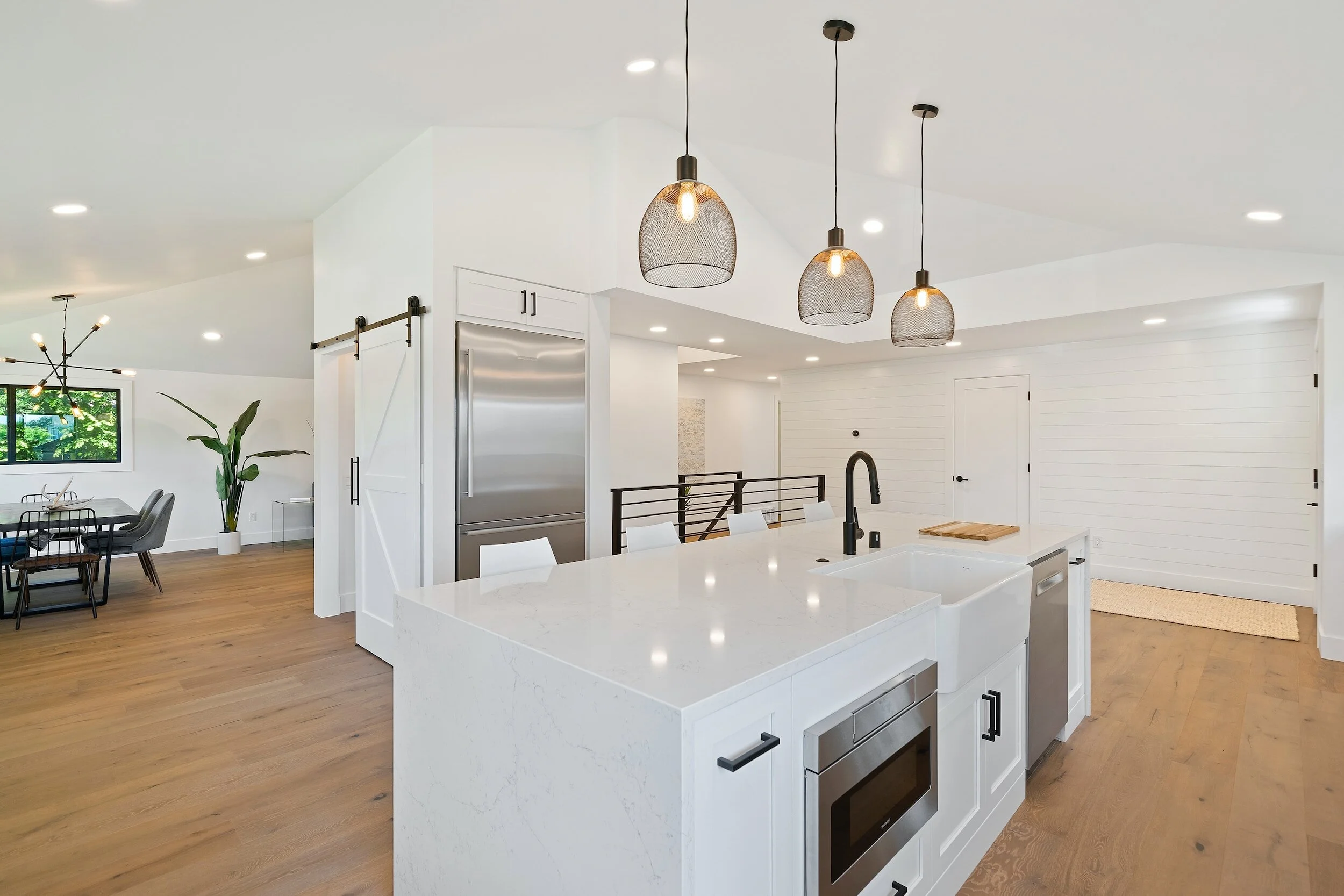
Kitchen Upgrades with Quality Kitchenware: Tips for a Stylish Space
The kitchen, often considered the heart of the home, is more than just a place for cooking. It’s a space where style meets functionality, and upgrading it with high-quality kitchenware can make a significant difference. Investing in premium kitchen items, such as those from Costa Nova homeware, can enhance both the aesthetics and the utility of your kitchen. Here are some tips for selecting the right kitchenware that blends practicality with style.
We partnered with a home design company for this post. The opinions in the post are honest. All reviews and opinions expressed in this post are based on our personal views. We are excited because we know you will love it.
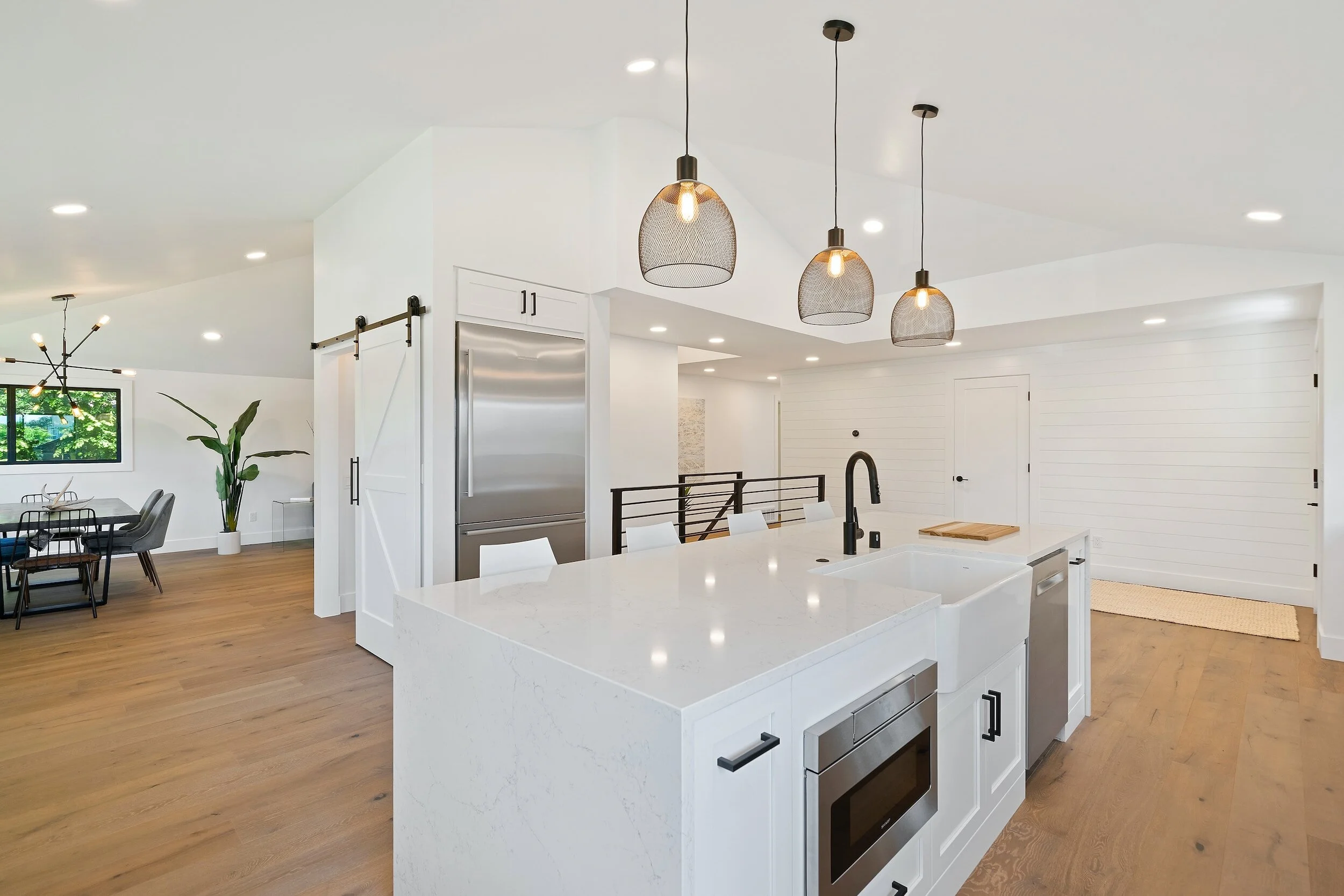
The kitchen, often considered the heart of the home, is more than just a place for cooking. It’s a space where style meets functionality, and upgrading it with high-quality kitchenware can make a significant difference. Investing in premium kitchen items, such as those from Costa Nova homeware, can enhance both the aesthetics and the utility of your kitchen. Here are some tips for selecting the right kitchenware that blends practicality with style.
Assessing Your Kitchen Needs
Understanding Essentials vs. Luxuries
Before investing in new kitchenware, evaluate your needs. Identify the items you use daily and those that are occasional luxuries. Essentials might include pots, pans, and cutlery, while speciality items like a pasta maker may be used less frequently but add value to your cooking experience.
Choosing Quality Materials
Durability Meets Design
The material of your kitchenware significantly impacts both its functionality and appearance. Stainless steel, cast iron, and ceramic are popular choices known for their durability and ease of maintenance. Products from Costa Nova, for instance, are known for their quality craftsmanship, which ensures longevity and enduring style.
Style and Aesthetics
Harmonizing with Your Kitchen Decor
Select kitchenware that complements the style and color scheme of your kitchen. Whether you prefer a modern, minimalist look or a more traditional aesthetic, choose items that align with your kitchen’s decor. This creates a cohesive and visually appealing space.
Space-Saving Solutions
Maximizing Kitchen Efficiency
In smaller kitchens, space-saving kitchenware is essential. Look for multi-functional items and stackable designs that maximize storage and counter space. This not only keeps your kitchen organized but also makes it more functional and easier to navigate.
Investing in Timeless Pieces
Long-Term Value over Trends
While it’s tempting to follow current trends, investing in timeless kitchenware ensures your kitchen remains stylish for years to come. Classic designs and neutral colors tend to have lasting appeal. High-quality items from collections like Costa Nova can offer that timeless elegance.
Eco-Friendly Options
Sustainability in the Kitchen
Consider the environmental impact of your kitchenware choices. Eco-friendly options include products made from sustainable materials or those designed to reduce waste. By choosing green kitchenware, you contribute to a healthier environment while enhancing your kitchen’s functionality.
Conclusion: A Blend of Function and Fashion
In conclusion, upgrading your kitchen with quality kitchenware is an investment in both style and functionality. By assessing your needs, choosing durable materials, harmonizing with your kitchen decor, opting for space-saving solutions, investing in timeless pieces, and considering eco-friendly options, you can create a kitchen that is both practical and stylish. Brands like Costa Nova offer a range of products that can transform your kitchen into a space that you love to use and show off. Remember, the key to a stylish and functional kitchen lies in selecting the right kitchenware that suits your lifestyle and aesthetic preferences.

