

A resource for those seeking information on organizing and transforming spaces.

Lead Generation: A Handbook for Starting a Brand-New Venture
Greetings to enter the realm of lead generation, a revolutionary strategy that drives businesses to thrive in the cutthroat market currently. It is impossible to overstate the significance of lead generation, as 61% of advertisers cite it as their largest difficulty and 79% list it as their most significant content marketing objective.
We partnered with a home improvement company for this post. The opinions in the post are honest. All reviews and opinions expressed in this post are based on our personal views. We are excited because we know you will love it.

Greetings to enter the realm of lead generation, a revolutionary strategy that drives businesses to thrive in the cutthroat market currently. It is impossible to overstate the significance of lead generation, as 61% of advertisers cite it as their largest difficulty and 79% list it as their most significant content marketing objective.
The methods used in generating leads now may be identical to those used in the past. The only things needed are slight modifications to tried-and-true tactics and a friendly push to substitute outdated ones currently not working.
Oversimplifying, good lead-generating techniques include content marketing, inbound lead creation, careful outbound email, and other approach deployment. So, here are the best ways to generate the best leads for your venture.
1. Use Social Media Strategically
Whenever you publish on Facebook, Twitter, LinkedIn, and other social media platforms, include links to the homepages of your top deals. To create standards, inform readers that they will be directed to a landing page. Organize an event on social media to increase prospects. With competitions, you may learn much about your target audience and have fun and engagement.
For example, in order to establish yourself as the best movers in glendale ca, you may promote your moving and packing services at a 50% discount for new customers and share the lucrative details on social media to attract new leads.
2. Conduct Referral Marketing
Word-of-mouth advertising, often known as referrals, has an alternative benefit for lead generation. It raises the popularity of your company's name among more individuals, improving your likelihood of obtaining more leads.
You should direct consumers to your website's landing page via whichever lead generation source you choose. The rest will work if you have created a landing page that sells. For example, if you're the owner of a hood cleaning company, you may generate a higher number of leads through referral marketing.
3. Offer a Free Service Upgrade
Offering a no-cost upgrade to customers in exchange for their contact information or trial sign-up is another strategy to increase lead generation. This is a relatively inexpensive method because you will only upgrade paid clients. While different lead-generating tactics are present, it's vital to underline the value of A/B testing. With this strategy, companies may identify the things that connect with their target market, making initiatives more efficient and successful.
4. Use Calls to Action
A call to action (CTA) button directs potential customers to a particular webpage with a promotional deal. Certain non-sales CTAs give the customer—or potential customer—more details about the original search query. Certain CTAs offer prospects entry to a webinar or freebies like an ebook.
When CTAs direct users to the landing page, they can accept a targeted offer that corresponds to their current position in the sales process and eventually convert them into consumers. Avoid directing visitors to your homepage with CTAs. For example, if you own an automotive firm focusing on porsche ppf, you may add CTAs to attract potential customers and generate maximum leads.
The demographic you want to reach should have the same energy as your lead-generation efforts. Keep in mind that your lead generation campaigns and approaches should adapt to changing and behavioral patterns.

The 6 Most Common Household Pests and How to Combat Them
Do you ever feel like no matter how clean your home is, there always seem to be some unwanted guests hanging around? Well, you're not alone. Household pests are a common problem that many homeowners face. Not only can they be annoying, but they can also cause significant damage to your property and even pose health risks to you and your family.
Do you ever feel like no matter how clean your home is, there always seem to be some unwanted guests hanging around? Well, you're not alone. Household pests are a common problem that many homeowners face. Not only can they be annoying, but they can also cause significant damage to your property and even pose health risks to you and your family.
In this blog post, we'll be discussing the six most common household pests and how you can combat them. From preventative measures to effective removal methods, we've got you covered. Let's get started.
Ants
Ants are one of the most common household pests and can be found in almost every home. They are attracted to food and water sources, making your kitchen and pantry their favorite hangout spots. While most ants are harmless, some species like fire ants can deliver painful bites or stings.
To combat ant infestations, it's important to keep your home clean and free of any food debris. You can also use natural repellents like lemon juice or vinegar to deter ants from entering your home.
If the infestation is severe, you may need to call a professional pest control service for effective removal methods. As seen at MrBuggs.com, the professionals will identify the type of ants and use targeted treatments to eliminate them from your home. Overall, regular maintenance and preventative measures can help keep ants at bay.
Cockroaches
Cockroaches are another common household pest that can survive almost anywhere. They are nocturnal creatures and typically hide in dark, damp places like basements, bathrooms, and kitchens.
To combat cockroach infestations, it's crucial to keep your home clean and dry. Make sure to seal any cracks or crevices in walls or appliances where they can enter. You can also use baits, traps, or insecticides specifically designed for cockroaches. However, these methods may not be effective for severe infestations, and it's best to seek professional help.
To prevent future infestations, regularly clean and declutter your home, especially in areas where cockroaches are commonly found.
Rodents
Mice and rats are not only a nuisance but also pose health risks as they can carry diseases and contaminate food. They often enter homes in search of food, water, and shelter.
To combat rodent infestations, start by sealing any holes or entry points around your home. You can also use traps or bait stations to catch and remove them. However, it's important to properly dispose of dead rodents and sanitize the areas they were present in to prevent further health hazards.
Regularly taking out the trash, keeping food stored in airtight containers, and maintaining clean living spaces can help prevent rodent infestations.
Termites
Termites are one of the most destructive household pests, causing billions of dollars in property damage each year. They typically feed on wood, which can weaken the structure of your home if left untreated.
To combat termite infestations, it's important to regularly inspect your home for signs of damage, such as hollow-sounding wood or mud tubes. If you suspect an infestation, contact a professional pest control service immediately as termites can be challenging to get rid of on your own. Regularly maintaining and repairing any moisture issues in your home can also help prevent termite infestations.
Bed Bugs
Bed bugs are small insects that feed on the blood of humans and animals. They can quickly spread from one location to another, making them difficult to control once they have infested your home.
To combat bed bug infestations, it's essential to regularly wash and dry bedding at high temperatures and vacuum your home thoroughly. You can also use bed bug-specific insecticides or hire a professional exterminator for more severe infestations.
To prevent bed bugs, avoid bringing used furniture or clothing into your home without thoroughly inspecting them first. Additionally, be cautious when traveling to avoid bringing bed bugs back with you.
Spiders

Spiders are a common household pest that can range from harmless to venomous. They usually enter homes through cracks and openings in search of shelter or prey.
To combat spider infestations, regularly clean and declutter your home to remove potential hiding spots. You can also use natural repellents like essential oils to keep them at bay. If you have a large number of spiders in your home, consider hiring a professional pest control service.
To prevent future infestations, seal any cracks or openings in your home and keep vegetation trimmed away from the exterior. Remember to always use caution when handling spiders, especially if you're unsure of their species.
Household pests are a common problem that can cause significant damage and health risks. However, with regular maintenance and preventative measures, you can combat these pests and keep your home pest-free. From ants to spiders, there are various control methods available depending on the severity of the infestation. Remember to always prioritize safety and seek professional help if needed. By following these tips, you can enjoy a clean and comfortable home without any unwelcome guests.
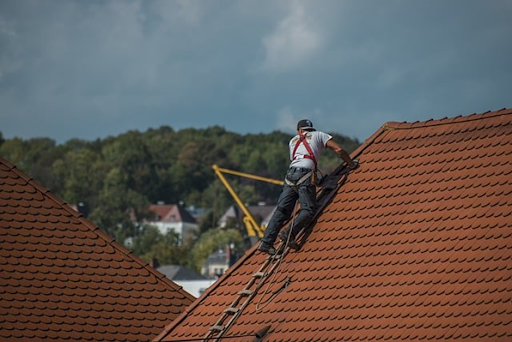
Weathering the Storm: Essential Tips for Roof Repair and Maintenance
Your home's roof is its first line of defense against the elements, making proper maintenance and timely repairs paramount in safeguarding the integrity of your abode. This blog post serves as your comprehensive guide to understanding the nuances of roof care. From recognizing the signs of damage, and navigating through repair options, to preventive measures for prolonging roof longevity, this guide aims to arm homeowners with the knowledge necessary to protect their investment and ensure a weather-resistant living space.
Your home's roof is its first line of defense against the elements, making proper maintenance and timely repairs paramount in safeguarding the integrity of your abode. This blog post serves as your comprehensive guide to understanding the nuances of roof care. From recognizing the signs of damage, and navigating through repair options, to preventive measures for prolonging roof longevity, this guide aims to arm homeowners with the knowledge necessary to protect their investment and ensure a weather-resistant living space.
Recognizing the Signs of Roof Damage
Identifying roof damage at an early stage can prevent minor issues from escalating into significant problems. Some of the most common signs include water stains on the ceiling, missing or curled shingles, and granules in gutters. If you notice any of these signs, it may indicate that your roof needs attention.
Roof damage can also manifest as higher energy bills. If your home's insulation has been compromised by a roof leak, your heating and cooling system may need to work harder to maintain a comfortable temperature. This added strain can result in increased utility costs.
Mold growth, both inside and outside your home, can also be a telltale sign of roof damage. If moisture is entering your home through a damaged roof, it can create an environment conducive to mold growth. This not only has potential health implications but can also cause structural damage over time. When maintaining a roof, be sure to inspect both the interior and exterior of your home for any signs of mold. A professional roofer can assist with proper mold remediation and suggest preventive measures to avoid future growth.
Repair Options
When it comes to roof repairs, homeowners often debate between doing it themselves or hiring a professional service. DIY repairs can save money and offer a sense of accomplishment. However, they require a good understanding of the roofing system, the right tools, and a considerable amount of time.
On the other hand, professional roofing services provide the expertise and experience that most homeowners lack. They can inspect your roof, accurately diagnose the problem, and provide effective solutions. Though they might cost more upfront, hiring professionals can save you money in the long run by preventing further damage.
It is imperative to consider the complexity and risks involved in the repair process. Working on a roof can be dangerous, particularly for those unaccustomed to heights or with limited mobility. In these cases, hiring professionals is undoubtedly the safer option.
Preventive Measures for Roof Longevity
Preventive maintenance is key to enhancing the lifespan of your roof. Regular inspections, ideally twice a year, can help identify potential issues early. Any loose, missing, or worn shingles should be replaced promptly to prevent water infiltration.
Cleaning your gutters regularly is another important preventive measure. Blocked gutters can cause water to overflow onto your roof, potentially leading to water damage. During gutter cleaning, also check for granules that might have washed off from your shingles.
Trimming overhanging tree branches can also prolong your roof's life. Branches scraping against your roof can gradually wear down the roofing material. Also, in the event of a storm, these branches could break off and damage the roof.
Understanding Roofing Materials
Different roofing materials offer varying levels of durability, aesthetics, and cost. Asphalt shingles, for example, are a popular choice due to their affordability and ease of installation. However, they may not last as long as some other materials.
Metal roofs are increasingly popular for their durability and energy efficiency. They can withstand severe weather conditions and last significantly longer than asphalt shingles. Still, metal roofs are more expensive and require professional installation.
Slate roofs are an option for those seeking longevity and a distinctive aesthetic. They offer superior durability and can last for many decades with proper maintenance. However, slate is one of the most expensive roofing materials and requires specialized installation.
The Long-term Implications of Roof Damage

Neglected roof damage can have far-reaching implications. Beyond the immediate repair costs, water leaking into your home can damage walls, ceilings, and even the home's structural foundation. This can significantly increase the cost of repairs.
Moreover, a damaged roof can lower your home's resale value. Potential buyers are likely to be deterred by the prospect of costly roof repairs or replacement. Maintaining your roof in good condition is an investment that can pay off when you decide to sell.
Lastly, a neglected roof can lead to health hazards, such as mold growth. As mentioned earlier, a leaky roof can create a damp environment conducive to mold proliferation, which can lead to respiratory issues among the home's inhabitants. Therefore, timely roof repair and maintenance are not just about preserving your home's integrity, but also about ensuring the health and safety of your family.
In conclusion, being proactive about roof repair and maintenance is crucial in protecting your home and family from the elements. By recognizing the signs of damage, exploring repair options, implementing preventive measures, and understanding different roofing materials, homeowners can ensure a weather-resistant living space for years to come. Remember, when it comes to your roof, prevention is always better than cure.

How to Use Windows to Make Your Home More Private and Practical
In a world where our privacy is increasingly precious, it's essential to create a home that both reflects your style and serves as a sanctuary away from prying eyes. Windows, often overlooked, can play a pivotal role in establishing this balance of aesthetics and privacy. They can frame picturesque views, let in natural light, and also provide the necessary seclusion from the outside world. This guide will unearth the potential of windows in making your home more private and practical, giving you control over your space and the light that enters it.
In a world where our privacy is increasingly precious, it's essential to create a home that both reflects your style and serves as a sanctuary away from prying eyes. Windows, often overlooked, can play a pivotal role in establishing this balance of aesthetics and privacy. They can frame picturesque views, let in natural light, and also provide the necessary seclusion from the outside world. This guide will unearth the potential of windows in making your home more private and practical, giving you control over your space and the light that enters it.
Choosing the Right Window Treatments
Window treatments are a crucial element in controlling privacy. Curtains, blinds, and shades come in various styles and materials that cater to different privacy levels and aesthetic preferences. Blackout curtains, for instance, offer maximum privacy and light control, while sheer curtains allow natural light to flood in while still offering a certain level of privacy.
Roman shades and plantation shutters, with their adjustable slats, offer a compromise between the two, allowing you to control light and privacy levels. Additionally, reflective window films are a modern solution that prevents outsiders from seeing in, without compromising your view or natural light.
Aside from their practical benefits, window treatments also contribute significantly to the overall aesthetic of your home. Choose designs and materials that complement your home's decoration scheme for a cohesive look.
Installing Blinds and Shutters
To maximize privacy and light control, consider installing blinds or shutters on your windows. These come in various styles such as Venetian, vertical, or horizontal slats that can be adjusted to let in the desired amount of light while still maintaining privacy.
Shutters are an excellent practical option for ground-level windows as they provide a sturdy barrier against unwanted intruders. They also offer insulation, keeping your home cooler in the summer and warmer in the winter.
Blinds, on the other hand, are a more affordable option that can be easily installed on all types of windows. Consider vertical blinds for windows or patio doors, as they provide better light control and privacy compared to horizontal ones. Keep in mind that both blinds and shutters require maintenance, so be sure to clean them regularly.
Incorporating Frosted or Stained Glass
Frosted or stained glass can add a unique aesthetic appeal to your home while enhancing privacy. Frosted glass obscures the view from the outside, but still allows a diffuse light to enter, which can create a warm and inviting atmosphere.
Stained glass, on the other hand, can act as a vibrant piece of art in your home, catching and scattering colorful light throughout your space. This adds an artistic touch to your interiors, all while ensuring that you maintain a level of privacy.
Intricate designs in stained glass can also serve as a conversation starter, showcasing your style and taste. However, make sure to pair these window types with other privacy measures, like curtains or blinds for times when you need complete privacy.
Opting for Double Glazing for Noise Reduction
Double glazing can enhance the privacy of your home by significantly reducing noise pollution from the outside. This is particularly beneficial if you live near a busy road or in a noisy neighborhood. The additional layer of insulation not only keeps out the noise but also helps regulate your home's temperature, making it more energy-efficient.
Moreover, double-glazed windows have the added benefit of being more difficult to break, adding an extra layer of security to your home. Many modern designs of double-glazed windows also incorporate privacy features, allowing you to enjoy the benefits of a quiet and secluded space.
Remember, double glazing can be an investment, but the benefits they provide, from energy efficiency, and noise reduction, to increased security, make them a worthy addition to your home.
Using Window Placement to Your Advantage

The placement of your windows can significantly affect your home's privacy. Higher windows or skylights can let in plenty of natural light while maintaining a high level of privacy, as they are usually out of the line of sight from the outside. For rooms on the ground floor, consider placing windows higher on the wall to ward off prying eyes.
Another technique is to angle your windows away from the direct view of neighbors or the street. Combined with strategic landscaping like trees or tall plants, this can provide an extra layer of privacy without sacrificing natural light.
Windows, far from being a mere architectural feature, holds the key to transforming your home into an oasis of privacy and practicality. Whether it's choosing the right window treatments, installing blinds or shutters, incorporating frosted or stained glass, opting for double glazing, or strategically placing your windows, each decision contributes significantly to both the aesthetics and privacy of your home. With these tips, you can leverage the potential of windows to create a space that is not only visually appealing but also offers the tranquility and seclusion you desire. Remember, your home is your sanctuary, and you hold the power to shape it to your liking.

