

A resource for those seeking information on organizing and transforming spaces.

How to Organise and Store Your Belongings if Your Home Has Limited Space
Living in a home with limited space doesn't mean you need to compromise on comfort or functionality. Even the smallest spaces can be transformed into organized, clutter-free havens with a little creativity and strategic thinking.
Living in a home with limited space doesn't mean you need to compromise on comfort or functionality. Even the smallest spaces can be transformed into organized, clutter-free havens with a little creativity and strategic thinking.
Our guide will provide you with practical and innovative ideas for storing and organizing your belongings. Learn how to utilize every inch of your home efficiently, making your space feel larger, more comfortable, and easy to manage. Let's embark on this journey of transforming your small home into a big treasure of neatness and order!
Invest in a Facility
If you own a vehicle that you don't use regularly, it's time to step up the game. Instead of leaving your car, motorbike, or RV to occupy precious outdoor or garage space, a dedicated vehicle storage facility can provide a secure, weather-protected home for your vehicle. These facilities often come with a range of services, such as regular maintenance checks and comprehensive security systems, ensuring that your vehicle remains in prime condition.
It is an option that can free up space at home for other necessary storage or living purposes and maximize the usability of your limited space. This strategy is particularly useful for residents in urban areas where parking space is often limited and can be relatively expensive.
Maximize Vertical Space
When your home has limited floor space, you want to make use of the vertical space available. Traditional bookshelves and storage units are great, but they can take up a lot of floor space. The solution? Invest in tall shelving units that go all the way to the ceiling so that you can have plenty of storage space for books, decorations, and other items.
In addition to tall shelves, consider utilizing wall space for storage by installing floating shelves or hanging organizers. These options are sure to provide storage and add visual interest to your walls. You can use them for storing small items like kitchen utensils, bathroom essentials, and even plants!
Use Dual-Purpose Furniture
Dual-purpose furniture serves more than one purpose. For example, a sleeper sofa can double as both seating and a bed for guests. A coffee table with hidden storage can provide a place to put your feet up and also store items like blankets, books, or board games.
Other dual-purpose furniture options include ottomans with hidden storage, bed frames with drawers, and even dining tables that can be converted into work desks. These furniture pieces are excellent for maximizing space while still keeping your home functional and stylish.
Declutter Regularly
It's easy for things to accumulate over time, especially in a small space. To avoid feeling overwhelmed, you must declutter regularly. Set aside time every few months to go through your belongings and get rid of things you no longer need or use.
Consider donating or selling items that are in good condition but no longer serve a purpose in your home. For items that are no longer usable, make sure to dispose of them properly. Decluttering regularly will be a constant reminder to only keep the essential things and bring value to your home.
Utilize Underutilized Spaces
There are often spaces in our homes that we underutilize or overlook in terms of storage, including the space under your bed, stairs, and even ceilings. Invest in storage containers that can slide under your bed for storing out-of-season clothing or linens.
You can also install shelves or cabinets underneath staircases for additional storage. For high ceilings, consider installing overhead storage racks or utilizing hanging storage options for items that are not frequently used. Once you adopt a little creativity and think outside the box, you can make use of these underutilized spaces and free up space in other areas of your home.
Use Bins and Boxes

Bins and boxes come in a variety of sizes and materials, such as plastic, fabric, or wicker, so you can choose what suits your space and style. Use small bins for tiny items like jewellery, craft supplies, or toiletries. Larger boxes can be used for storing clothing, toys, or seasonal items. Labelling each box will also make it easier to find your belongings when you need them.
To further maximize space, consider stackable storage bins or boxes that can be neatly placed on shelves or inside closets. This way, you'll be able to make the most out of your limited space, keeping your home tidy and well-organized.
Small living spaces do not mean you are destined for clutter and disorganization. With a little creativity, strategic thinking, and regular decluttering, your home can be transformed into an organized and functional space, regardless of its size. A well-organized home is sure to create a peaceful and stress-free living environment.
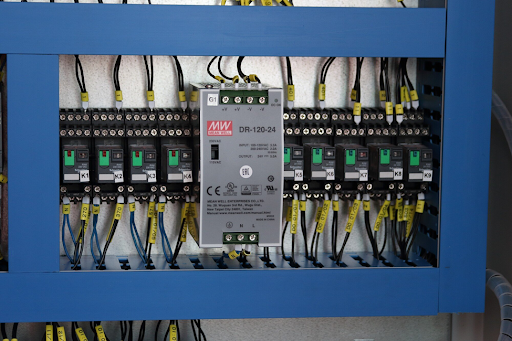
A 6-Step Guide to Creating an Electrical Enclosure
If you are planning to create a new electrical enclosure, you may be feeling overwhelmed and unsure of where to start. After all, it is not just about putting together a simple box – many factors need to be taken into consideration. In this guide, we will break down the process of creating an electrical enclosure into six simple steps. By following these steps, you will be able to create a high-quality and efficient electrical enclosure that meets your specific needs. So let's dive in and get started!
If you are planning to create a new electrical enclosure, you may be feeling overwhelmed and unsure of where to start. After all, it is not just about putting together a simple box – many factors need to be taken into consideration. In this guide, we will break down the process of creating an electrical enclosure into six simple steps. By following these steps, you will be able to create a high-quality and efficient electrical enclosure that meets your specific needs. So let's dive in and get started!
Understanding the Purpose of an Electrical Enclosure
Before starting to design and build an electrical enclosure, first understand its purpose. An electrical enclosure serves as a protective housing for electrical components such as wires, connectors, and circuit boards. It helps to keep these components safe from external factors such as dust, moisture, or physical damage. Additionally, an electrical enclosure also ensures the safety of individuals by preventing accidental contact with live electrical components. By understanding the purpose of an electrical enclosure, you will be able to better plan and design it according to your specific needs. Take some time to consider the intended use of the enclosure and any specific requirements before moving on to the next step.
Designing the Layout of Your Enclosure
Creating an electrical enclosure involves determining the placement and organization of all components within the enclosure. Depending on your specific needs, you may opt for a standard enclosure or consider a custom enclosure to fit your unique requirements. Regardless, it is important to ensure that there is enough space for all components to fit comfortably and that their placement allows for easy accessibility. Consider grouping related components and leaving room for potential future additions or modifications. This step may require some trial and error, so be prepared to make adjustments as needed to achieve the most efficient layout.
Analyzing Your Needs and Requirements

Before making any final decisions on the design of your electrical enclosure, it is important to fully analyze your needs and requirements. This includes understanding the environmental conditions in which the enclosure will be placed, as well as any specific technical or safety standards that must be met. Consider factors such as temperature, humidity, and potential exposure to chemicals or other hazards. It is also important to determine the necessary size and capacity of the enclosure, as well as any specific features or customization that may be required for your specific application.
Selecting Suitable Materials for Construction
The chosen materials should be able to withstand the environmental conditions and potential hazards that the enclosure will be exposed to. Common materials used for enclosures include metal, plastic, and fiberglass. Each material has its advantages and disadvantages, so it is important to carefully consider your needs before making a decision. Metal enclosures offer durability and strength, but may be affected by corrosive materials. Plastic enclosures are lighter and more cost-effective, but may not provide as much protection from environmental conditions. Fiberglass is a good choice for harsh environments but can be more expensive. The material chosen should ensure the safety and functionality of the electrical enclosure.
Assembling and Testing Your Electrical Enclosure
Assembling your electrical enclosure requires precise attention to detail to ensure that all components are properly connected and secured within the enclosure. It is important to follow any specific guidelines or standards for assembly, especially when it comes to electrical wiring. After assembling the enclosure, thoroughly test it to ensure that it meets all requirements and functions properly. This includes checking for any potential electrical issues, as well as verifying that the enclosure provides adequate protection from environmental conditions. Any necessary adjustments should be made before moving on to the final step. Furthermore, documentation of the assembly and testing process is important for future reference and troubleshooting purposes.
Maintaining and Upgrading Your Enclosure over Time
It is important to regularly maintain and inspect it for any potential issues or damages. This includes cleaning the enclosure and its components, checking for loose connections or signs of wear and tear, and identifying any necessary replacements or upgrades. It is also important to keep track of any modifications or additions made to the enclosure over time, as these may affect its functionality and safety. Regular maintenance can help extend the lifespan of your electrical enclosure and ensure that it continues to meet your needs over time. In addition, consider upgrading or making changes to your enclosure if necessary, especially as technology and industry standards continue to evolve. This will help keep your electrical enclosure up-to-date and functioning at its best capacity.
Creating an electrical enclosure can seem like an intimidating task, but by following these six steps you can easily design and build one that meets your specific needs. By keeping these steps in mind, you can ensure the safety and functionality of your electrical components for years to come. Always prioritize safety when working with electrical enclosures and consult professionals if needed. Now you are ready to create your electrical enclosure with confidence and efficiency.
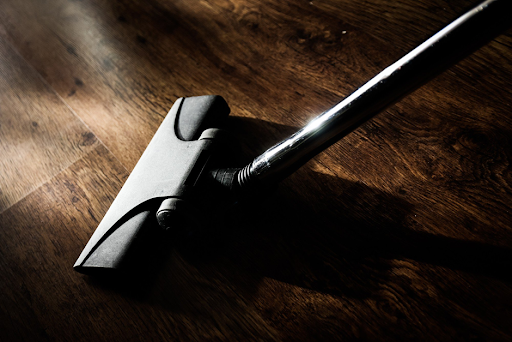
Keeping a Tidy Home: How to Choose the Right Vacuum for the Job
In an age where cleanliness and hygiene take center stage, maintaining a tidy home is more important than ever. One of the key tools that can make this task easier and more efficient is a good vacuum cleaner. But with a wide range of available options, choosing the right vacuum cleaner for your needs can be daunting. This guide aims to shed light on the various factors you should consider when purchasing a vacuum cleaner, ensuring that you end up with an appliance that efficiently cleans your home and suits your lifestyle.
In an age where cleanliness and hygiene take center stage, maintaining a tidy home is more important than ever. One of the key tools that can make this task easier and more efficient is a good vacuum cleaner. But with a wide range of available options, choosing the right vacuum cleaner for your needs can be daunting. This guide aims to shed light on the various factors you should consider when purchasing a vacuum cleaner, ensuring that you end up with an appliance that efficiently cleans your home and suits your lifestyle.
Understanding Different Types of Vacuum Cleaners
Traditional upright vacuums are powerful and effective for deep cleaning carpets. They often come with attachments that allow you to clean hard-to-reach spots. Bagged upright vacuums generally perform better on carpeted floors than their bagless counterparts. Canisters offer a different style, with the motor and bag in a separate unit connected to the vacuum head by a hose. They tend to be lighter and quieter than upright vacuums and are easier to maneuver around furniture and corners.
When looking at models, make sure to consider the type of flooring in your home. For hardwood floors or tiled surfaces, a canister vacuum with a floor attachment is often preferable as it won't damage delicate surfaces. If you have a mix of carpet and hard floors, an upright vacuum with adjustable height control is ideal.
For homes with predominantly carpeted floors, an upright vacuum with strong suction and a motorized brush is the best option. From comparing the Gen5 outsize vacuum to the Soniclean SFC-7000 Soft Carpet Upright Vacuum, it's important to note that not all upright vacuums are created equal. Some models are specifically designed for high-pile carpets, while others may struggle with thicker carpet fibers.
Analyzing Features and Attachments
Vacuum cleaners come with various features and attachments that can enhance their performance and usability. For example, a vacuum with a HEPA filter is an excellent choice for individuals with allergies as it can trap a large amount of tiny particles that other vacuum cleaners would simply recirculate back into the air.
Attachments like crevice tools, upholstery brushes, and dusting brushes can help you tackle specific cleaning tasks more effectively. Also, some vacuums include features like dirt sensors, full bag indicators, and self-propelled motors to make your cleaning tasks easier. However, keep in mind that the more features and attachments a vacuum has, the higher the price tag may be.
Sizing Up Your Space
If you live in a small apartment, a stick or handheld vacuum might be ample for your needs. These compact devices are lightweight, easy to maneuver, and can clean hard-to-reach places. They're not as powerful or durable as full-sized vacuums, but they're convenient for quick spill clean-ups and can be stored in small spaces.
For larger homes or homes with lots of carpet, an upright or canister vacuum would be a better option. These vacuums have larger capacities and more power, allowing them to clean larger areas more efficiently.
Evaluating Noise and Weight
The noise level of a vacuum cleaner is an important consideration, especially if you live in an apartment or have young children. Look for models with noise-reduction technology if you need a quiet vacuum. Remember, though, that powerful vacuums often make more noise. The weight of a vacuum can affect its maneuverability and your comfort when using it. Lighter models are easier to carry up and down stairs, but they might not be as durable or powerful as heavier ones.
Considering Budget and Brand

The price of a vacuum cleaner can range dramatically, so it's important to set a budget before you start shopping. Keep in mind that cost often correlates with performance and durability, but there are plenty of affordable vacuums that get the job done. When it comes to brands, some have built reputations for their reliability, customer service, and innovation. Researching product reviews and consumer reports can provide valuable insights.
Keep in mind, also, that a higher-priced vacuum may offer more features, attachments, and durability. However, if you're on a tight budget or have specific needs for your cleaning tasks, there are plenty of options available from various brands at different price points.
Choosing the right vacuum cleaner involves more than just picking out a model from the store shelf. It requires a careful evaluation of your home’s cleaning needs, your budget, and the features you value most. From the type of flooring in your home to the size of your space, various factors play a role in determining the best model for you.
Whether you opt for a traditional upright vacuum, a portable stick model, or a sophisticated canister vacuum, the most important thing is to find an appliance that makes your cleaning tasks easier and more efficient. Remember, investing in a good vacuum cleaner is investing in a cleaner, healthier home.

Obvious Signs You Need To Call A Roofing Professional Right Away
Your roof is one of the most important aspects of your home, providing protection and security against the elements. Over time or due to unforeseen circumstances, it may show signs of strain or damage. It's crucial to be aware of these signs and take action promptly. Recognizing the tell-tale indicators that your roof needs professional attention can save you from potential structural damage and costly repairs. This guide will illuminate some of the most obvious signs that suggest it's time to pick up the phone and call a roofing professional.
Your roof is one of the most important aspects of your home, providing protection and security against the elements. Over time or due to unforeseen circumstances, it may show signs of strain or damage. It's crucial to be aware of these signs and take action promptly. Recognizing the tell-tale indicators that your roof needs professional attention can save you from potential structural damage and costly repairs. This guide will illuminate some of the most obvious signs that suggest it's time to pick up the phone and call a roofing professional.
Leaks and Water Damage
One of the most obvious signs that you need to call a roofing professional is if you notice leaks or water damage inside your home. This can often be found in the form of brown stains on your ceiling or walls, or even water dripping during a heavy rainstorm. If you notice this kind of damage, it's important to call a professional immediately.
Leaks can be caused by a variety of issues, from missing or damaged shingles to problems with the underlayment of your roof. In some cases, your gutters may simply be clogged causing water to back up and seep into your home. Regardless of the cause, water damage can lead to serious structural problems if not addressed promptly.
Ignoring leaks and water damage can lead to mold and mildew growth in your home, which can have serious health consequences for you and your family. It can also lead to further damage to your home's structure, which can be extremely costly to repair. In short, if you see signs of a leak, it's essential to get it fixed as soon as possible.
Damaged or Missing Shingles
Damaged or missing shingles are another clear sign that you may need to call a roofing professional. These can often be seen from the ground, especially if large patches of shingles are missing or if you can see noticeable wear and tear. Shingles can be damaged by a variety of factors, including severe weather, age, and even the growth of moss or algae on your roof. They serve as the main line of defense for your roof against the elements, so any damage can greatly increase the chances of leaks or other issues.
If you notice damaged or missing shingles on your roof, it's important not to ignore them. They may just be the tip of the iceberg when it comes to potential roof damage. A professional roofer can assess the situation and determine the best course of action to repair or replace the affected shingles. With a range of comprehensive roofing services, they can ensure that your roof is in top condition and better equipped to withstand future weather events. Also, keep in mind that if your roof is relatively new and you notice significant shingle damage, it may still be covered under warranty.
Sagging Roof
A sagging roof is a serious indicator that you need to call a roofing professional as soon as possible. This can be a sign of severe structural issues, including problems with the decking in the attic or with the supports in the foundation. A sagging roof is not just an aesthetic issue – it's a serious safety concern. If the roof were to collapse, it could cause significant damage to your home and potentially harm anyone inside.
If you notice any sagging, it's crucial to evacuate the area and call a professional immediately. Just like the other signs, a sagging roof should not be ignored. The longer you wait to have it inspected and repaired, the more damage it can do and the more it will cost to fix.
Growth of Moss or Algae

If you notice a growth of moss or algae on your roof, it might be time to call a roofing professional. While this might not seem like a serious issue, it can lead to significant damage over time. Moss and algae are both caused by moisture and if they're allowed to grow unchecked, they can cause the underlying shingles to deteriorate. Over time, this can lead to leaks and other structural issues.
It’s important to handle moss and algae growth sooner rather than later. A professional roofing company can effectively clean your roof without causing additional damage and can provide solutions to prevent future growth.
Keeping your roof in top-notch condition is paramount for the overall structural integrity of your home. Understanding these obvious signs of damage – leaks, missing shingles, sagging roofs, or the growth of moss and algae – can be hugely beneficial in averting potential catastrophe. It's essential to never ignore these indicators as doing so could lead to more severe issues down the line.
Remember, early detection and intervention will save you from spiraling costs and structural hazards. If you ever come across any of these signs, don't hesitate to contact a professional roofer immediately. They possess the expertise and equipment to diagnose and rectify the issue, ensuring your home remains safe and secure.

