

A resource for those seeking information on organizing and transforming spaces.

5 Most Common Plumbing Issues and Easy Solutions for Each
When you own a home, there’s a certain pride in maintaining it well. But, sometimes, maintenance issues will crop up, especially regarding plumbing. Plumbing problems can be frustrating and stressful, from leaky faucets to frozen pipes. In colder months, plumbing issues can be particularly challenging, causing inconvenience and increasing utility bills. However, there are simple solutions to common plumbing issues that homeowners can tackle with minimal effort. In this article, we will discuss five of the most common plumbing problems and easy solutions you can try out independently.
We partnered with a home maintenance company for this post. The opinions in the post are honest. All reviews and opinions expressed in this post are based on our personal views. We are excited because we know you will love it
When you own a home, there’s a certain pride in maintaining it well. But, sometimes, maintenance issues will crop up, especially regarding plumbing. Plumbing problems can be frustrating and stressful, from leaky faucets to frozen pipes. In colder months, plumbing issues can be particularly challenging, causing inconvenience and increasing utility bills. However, there are simple solutions to common plumbing issues that homeowners can tackle with minimal effort. In this article, we will discuss five of the most common plumbing problems and easy solutions you can try out independently.
Leaking Faucets
A dripping faucet is a common household issue that can waste a lot of water and cost you money. The good news is that it's an easy problem to fix. Firstly, turn off the water supply to the faucet. The next step is to replace the washer, which is usually a small rubber ring located inside the faucet. If the faucet continues to drip even after replacing the washer, it may be due to other reasons, such as damaged valve seats, which would require the services of a professional plumber.
Clogged Drains
Clogged drains can be a nuisance; if left untreated, they can lead to more severe plumbing problems. You can use a plunger or drain snake to clear the blockage. Another easy solution is to use a baking soda and vinegar mixture. Pour half a cup of baking soda down the drain, followed by a cup of vinegar. Allow it to sit for half an hour, then flush it with hot water.
Running Toilets
A running toilet can be a significant source of water waste, leading to increased utility bills. The cause of the problem is often a faulty flapper valve, which can be quickly fixed. Turn off the water supply to the toilet and remove the tank lid. Check the flapper valve to see if it's worn out or damaged. If so, replace it with a new one, which can easily be found at a hardware store.
Low Water Pressure
Low water pressure is a common plumbing complaint that can be due to a variety of reasons. Some of the common causes include a clogged aerator or showerhead, leaky pipes, or a malfunctioning water pressure regulator. The first thing you should do is remove the showerhead or aerator and clean out any debris. If cleaning does not work, calling a plumber such as Robert L Phillips Plumbing can often lead to a solution.
Frozen Pipes
Frozen pipes can cause significant damage to your plumbing system if left untreated. One of the first signs of frozen pipes is when you turn on the faucet and only a trickle of water comes out. If you suspect the pipes are frozen, turn off the water supply and open the faucet. Use a hairdryer, space heater, or heating pad to thaw the pipes gently. Avoid using open flames or a blowtorch, as it can be hazardous.
Plumbing issues can be a source of frustration, but most common problems can be fixed easily with little effort. Regular maintenance of your plumbing system can help prevent severe issues and save you money on repair bills. If you find yourself struggling to fix any plumbing problem, do not hesitate to call a professional plumber for assistance. Remember that plumbing issues are easier and cheaper to fix when caught early, so be vigilant and stay on top of your plumbing maintenance.

Electric Heating: A Guide to Choosing the Right System for Your Home
Electric heating has gained popularity as a versatile option in the heating landscape, providing various systems to cater to different needs. With the rising global demand for natural gas, electric heating, alongside other low-carbon alternatives, becomes an attractive choice.
We partnered with a home improvement firm for this post. The opinions in the post are honest. All reviews and opinions expressed in this post are based on our personal views. We are excited because we know you will love it.
Electric heating has gained popularity as a versatile option in the heating landscape, providing various systems to cater to different needs. With the rising global demand for natural gas, electric heating, alongside other low-carbon alternatives, becomes an attractive choice.
In this article, we'll explore different electric heating options, their benefits, drawbacks, and how they compare to traditional gas heating in terms of costs, efficiency, and environmental impact.
Understanding Electric Heating Systems
Electric heating systems rely on electricity as their primary energy source. They are highly efficient, providing options for homes of various sizes and energy requirements. Notably, these systems, such as electric boilers, are prevalent in homes without a connection to the gas grid, and particularly in smaller homes and flats.
One significant advantage of electric heating is its eco-friendliness, producing zero CO2 emissions during operation. The potential reduction in electricity costs, however, hinges on a increase in renewable energy production and supportive government policies.
Types of Electric Heating Systems
Let's take a look at some of the best electric heating options available today.
Electric Boilers
Electric boilers serve as efficient water-heating systems utilizing internal electrical elements, supplying warmth for central heating or underfloor heating setups. There are two primary types: direct electric boilers that heat water on demand and storage boilers that store heated water for later use.
The appeal of electric boilers lies in their efficiency, low maintenance requirements, and flexible installation options. With no need for a flue or condensate pipe, they present a space-saving alternative that can be easily integrated into various home layouts. Additionally, these boilers are compatible with renewable energy sources such as solar PV or solar thermal.
However, their efficiency tends to be best suited for smaller homes with heating outputs up to 24kW, making them less ideal for larger residences. What's more, the relatively higher electric running costs, especially when compared to gas heating, may be unfeasible for homeowners with extensive heating needs.
Electric Underfloor Heating
Electric underfloor heating operates via electrical wiring or heating mats installed beneath the floor to provide space heating. Known for its straightforward installation process, efficient heat-up times, and the ability to provide precise temperature control, this system ensures even heat distribution throughout the designated space.
The advantages of electric underfloor heating extend to its ease of installation, which is less disruptive than traditional heating systems. Quick heat-up times contribute to immediate warmth, and the system provides superior control over temperature settings compared to conventional radiators.
Despite these benefits, potential drawbacks include higher upfront installation costs, comparatively higher running costs, and a dependency on floor insulation for optimal performance.
Infrared Panels
Infrared panels represent an innovative approach to electric heating, converting electricity into infrared light that directly emits heat to people and objects in the vicinity. These panels are highly efficient, easy to install, and often feature a space-saving design that aligns with modern aesthetics.
The merits of infrared panels include their efficiency, reduced heat loss, and simple installation, making them an attractive option for homeowners seeking effective space heating solutions. Moreover, their unobtrusive design, which can even be integrated into mirrors, adds a versatile element to their application.
However, prospective users should consider factors such as relatively higher upfront installation costs, susceptibility to room temperature fluctuations, and the limitation of providing only space heating.
Electric Storage Heaters
Electric storage heaters use electricity to generate and store heat within clay bricks. These heaters are designed to release the stored heat gradually, providing a controlled and efficient heating solution. Noteworthy benefits include the utilization of cheaper tariff rates, extra control options, and reduced heat loss.
Another primary advantage of electric storage heaters is their ability to leverage cost-effective tariff rates, allowing users to optimize energy usage during off-peak hours. The provision of additional control features, including modern 'boost' functions, enhances the user's ability to regulate heating based on specific requirements.
Nevertheless, users should be mindful of potential limitations, including the risk of running out of stored heat before the evening, relatively higher running costs, and the energy-intensive 'boost' function.
Air Source Heat Pumps:
Air source heat pumps (ASHPs) represent a cutting-edge heating technology that extracts heat from the outside air and transfers it indoors, providing both space heating and domestic hot water. Operating as either air-to-air or air-to-water systems, ASHPs are known for their high efficiency, compatibility with existing systems, and suitability for large properties.
ASHPs offer several advantages, including efficiency rates of up to 400%, the ability to combine with existing heating systems, and a lifespan of 20-25 years.
However, potential drawbacks encompass higher upfront installation costs, the requirement for adequate insulation, and the need for regular maintenance, which may increase to twice a year if the system is employed for cooling.
Ground Source Heat Pumps (GSHP):
Ground Source Heat Pumps (GSHPs) share similarities with ASHPs but differ in extracting heat from below the ground, utilizing a closed-loop system with water and antifreeze. These systems are great for their high efficiency, compatibility with various heating setups, and a lifespan that can extend up to 50 years.
However, prospective users should consider factors such as higher upfront installation costs, reliance on specific underground conditions, the spatial requirements of the system, and the recommendation for implementation primarily in new builds.
Electric Heating vs. Gas Heating
If you're debating between electric and gas heating, consider these factors:
Costs
Electric heating can be relatively more expensive than gas heating per unit. Despite higher electricity costs, efficient heat pumps can result in significant savings compared to gas boilers.
With that being said, if you're wondering how much a boiler will cost for my home, you'll likely find that electric boilers tend to cost less in terms of upfront supply and installation costs.
Environmental Impact
Electric heating systems produce zero CO2 emissions during operation, contributing to a cleaner environment.
Ease of Maintenance
Electric heaters generally require less maintenance than gas boilers, saving homeowners on service costs.
Conclusion
In summary, understanding the specific needs of your home and weighing the pros and cons of each system will guide you in choosing the most suitable electric heating option. Evaluate running costs, environmental impact, and available grants to make an informed decision for a cost-effective and eco-friendly heating solution.

How To Declutter Your Workspace and Improve Focus and Productivity
In many offices, the busier you are, you’ll find that often the more cluttered your workspace becomes. For you to have a more efficient and productive workspace, it’s important to try and keep your workspace clear and organised.

In many offices, the busier you are, you’ll find that often the more cluttered your workspace becomes. For you to have a more efficient and productive workspace, it’s important to try and keep your workspace clear and organised.
Although this seems like a simple task, it’s easy to let organisation slip and clutter build up. This can then lead to your workspace feeling chaotic and stressful, which in turn will affect your productivity levels and ability to focus. With that in mind, let's take a look at some ways you can declutter your workspace and improve your productivity and focus levels.
Reasons Why You Should Declutter Your Workspace
Other than keeping your workspace clean and tidy, there are some great benefits of keeping your office and workspace free of clutter.
Increased Productivity
By having an organised workspace, you are likely to spend less time trying to find specific documents or objects. It’s also been proven that when you work in a messy workspace, your productivity levels will be impacted too, often without you realising. If you have lots of paperwork and documents scattered around your office, look to move them onto a virtual storage space, such as Google Workspace or the Cloud.
Peace Of Mind
As mentioned, clutter doesn’t just affect your workspace, but it has a big impact on your mental workspace too. If you find yourself getting concerned or stressed about the messiness of your workspace, then you will find yourself getting easily distracted and lacking the concentration needed to get your work done. A workspace is often a reflection of someone’s mind, so how you’re feeling will be reflected in your workspace.
Tips For Decluttering and Organising Your Workspace
Only Keep Things You Need
Rather than making decisions on each thing that you have in your workspace, sometimes the better strategy is to get rid of everything and then add things back as and when you need them. Over a short space of time, you will soon pick up and add the things that you genuinely need within your workspace and what can be removed. No matter if you work in an office or from home, for a tech company or a commercial property agents, the same principle should apply. It’s not uncommon to have things within your workspace that you haven’t used or needed for months, but it’s not until you remove these items that you realise that you don’t truly need them.
Sort Out Your Cables
One thing which adds to the general untidy appearance of your workspace is visibly messy and untidy cables. We’re largely a digital world now and, with that, comes the requirement for many different types of cables and wires, from HDMI cables to phone and laptop chargers.
No matter if these run along the top of your desk or on the floor, it can often feel like a battle trying to get them under control, so most people tend to leave them. But, this lack of tidiness and organisation can add to your overall productivity levels. You can get many different cable tidying solutions, designed to suit your workspace and it will take just a few minutes to get sorted, but is something which will have a huge impact on your workspace.
See It From Someone Else’s Point Of View
If you can’t quite figure out where you’ve gone wrong in terms of organisation with your workspace, then a good thing to do is take a photo of your workspace and then look at it as if you are looking at it from someone else’s perspective. If you’ve ever seen someone else’s workspace and noticed clutter and mess that a coworker is unaware of, then you might not quite notice just how untidy your workspace is.
By taking a photo, you can get the same view as everyone else has of your space. Then, you can see exactly what type of environment you are working in and, depending on what it is your eyes are first drawn to, will know exactly where to start with decluttering and reorganising your workspace.
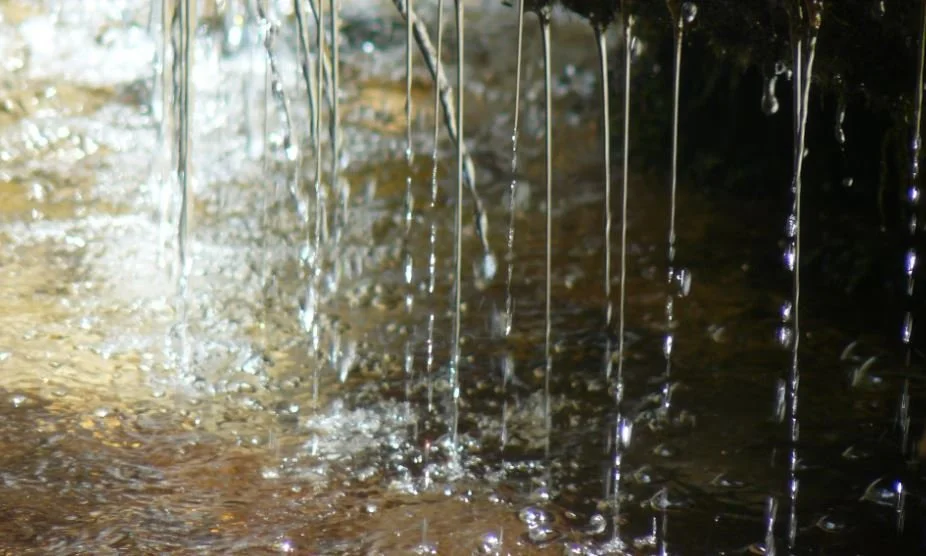
Understanding the Causes of Water Stains Along Walls
Water stains in your home are not just unsightly, but they can also be indicative of a more significant plumbing issue. This type of stain is usually an indication of a water leak, whether from a damaged pipe, an overflowing gutter, or condensation. Understanding the causes of water stains along walls can help identify and fix the issue quickly. This blog post will look at some of the common reasons why water stains occur along walls.
We partnered with a home improvement company for this post. The opinions in the post are honest. All reviews and opinions expressed in this post are based on our personal views. We are excited because we know you will love it.
Water stains in your home are not just unsightly, but they can also be indicative of a more significant plumbing issue. This type of stain is usually an indication of a water leak, whether from a damaged pipe, an overflowing gutter, or condensation. Understanding the causes of water stains along walls can help identify and fix the issue quickly. This blog post will look at some of the common reasons why water stains occur along walls.
Leaking Pipes
A leaking pipe is one of the most common reasons for water stains along walls. Pipes run throughout your home, and when they leak, water can seep into the walls and cause damage. In this case, the water stain will be near a pipe or plumbing fixture. If you suspect that a leaking pipe is causing the stain, it's best to call a plumber. They can identify the issue, fix the leak, and repair any damage caused by the water. In some cases, you might need to consider water line repair to address more extensive damage and ensure your home's plumbing system remains in good condition.
Poorly Sealed Windows
Poorly sealed windows can also cause water stains along walls. Water can seep through the gaps between the window frame and the wall, resulting in damage to the wall. You may notice water stains along the bottom of the wall if the windows are located higher up. The best way to fix this issue is to look for any gaps around the windows and seal them with caulking.
Roof Leaks
A leaking roof can cause water stains along the interior walls of your home. However, the water stain will be on the ceiling, near the top of the wall. If you notice a water stain in this area, it's best to inspect your roof for any signs of damage or leaks. Have roof repair as soon as possible to prevent further damage to your home's interior.
Clogged Gutters
Clogged gutters can also cause water stains along walls. When your gutters are full of debris, water can overflow and seep into your walls. This type of water stain is usually located near the gutter, and you may also notice damage to the walls outside your home. To prevent this issue, clean your gutters regularly, especially before and after rainy seasons.
Condensation
Condensation can also cause water stains along walls, but this is more common in bathrooms and kitchens. When warm, humid air meets a cooler surface, it can form droplets of water. Over time, this can lead to water stains and even mold growth. To prevent this issue, use ventilation fans in your bathroom and kitchen, and wipe down any wet surfaces regularly.
Water stains along walls can indicate a variety of plumbing or exterior issues. If you notice a water stain, it's essential to identify the cause and fix the issue as soon as possible to prevent further damage to your home. A leaking pipe, poorly sealed windows, roof leaks, clogged gutters, and condensation are among the common causes of water stains along walls. Regular maintenance and quick action can help you avoid costly repairs and keep your home safe and comfortable.

