

A resource for those seeking information on organizing and transforming spaces.
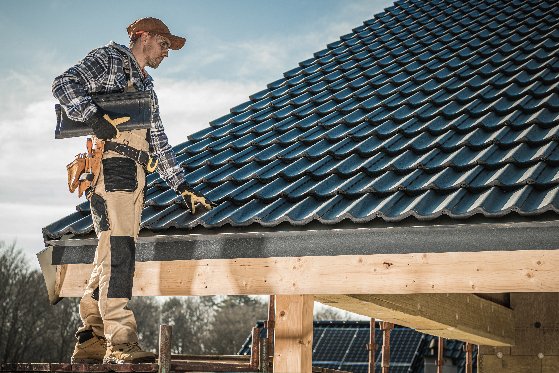
Need Some Work Done? 5 Things You Didn't Know Your Roofer Can Help With
When you hear the word “roofer,” you may only think of someone who repairs or installs roofs. However, a good roofer can do much more than that. In fact, roofers can help with a variety of home repairs that have nothing to do with roofs. In this post, we’ll explore some of the different ways that a roofer can help you keep your home in top shape. Let's get started!
When you hear the word “roofer,” you may only think of someone who repairs or installs roofs. However, a good roofer can do much more than that. In fact, roofers can help with a variety of home repairs that have nothing to do with roofs. In this post, we’ll explore some of the different ways that a roofer can help you keep your home in top shape. Let's get started!
Repairing or Replacing Gutters
Gutters are a crucial part of any home’s drainage system, directing water away from the house to prevent water damage. Roofers can help repair or replace damaged or clogged gutters, ensuring that your home stays dry and safe.
If you notice any issues with your gutters such as leaks, cracks, or sagging, it's time to call a roofer for help. It's also important to have your gutters inspected and cleaned at least twice a year to prevent clogs and potential damage. A roofer can also recommend the best type of gutter system for your home's specific needs and install it for you. Don't wait until it's too late—call a roofer at the first signs of gutter problems to prevent any further damage to your home.
Fixing Siding Damage
Siding is another important aspect of the exterior of your home. A roofer can repair damaged or worn siding, preventing further issues such as water damage or mold growth. Some signs that your siding needs some attention include cracks, holes, warping, or discoloration. If you notice any of these issues with your siding, it's important to have a roofer take a look and determine the best course of action. Ignoring damaged siding can lead to more extensive and costly repairs down the line.
The best time of year to do siding repair is during the warmer months when the weather is dry and sunny. This allows for the materials to properly adhere and dry without being affected by rain or snow. Siding repair can also be done in the fall, before winter weather sets in, as long as there is enough time for the repairs to fully cure before temperatures drop. Be sure to plan ahead and schedule your siding repair with a roofer in advance, as they may be busier during peak seasons.
Installing Skylights or Windows
Natural light can really enhance a home’s interior, and roofers can help with that as well. They can install skylights or windows, allowing more sunshine to enter and brighten up your home.
There are several factors to consider when deciding where to install a skylight in your home. A roofer can help you determine the best location based on the roof angle, amount of natural light needed, and potential obstructions such as trees or neighboring buildings. They will also make sure that the skylight is properly sealed and installed to prevent any leaks or damage. With the help of a roofer, you can bring more natural light into your home and potentially save on energy costs by reducing the need for artificial lighting.
Deciding where to add a new window in your home is not always an easy decision. However, with the help of certified residential roofers, you can get expert advice on the best location for optimal natural light and overall functionality. Some factors to consider when deciding where to add a new window include the orientation of your home, surrounding buildings or trees that may block sunlight, and the overall aesthetic of the exterior. A roofer can also help determine if any structural changes need to be made and ensure proper installation for a seamless addition to your home.
Adding Insulation
Roofers can help keep your energy bills down by adding insulation to your attic. By increasing your home’s insulation, you can reduce heat loss in the winter and heat gain in the summer, leading to lower energy bills and a more comfortable home.
Signs that your home may have insulation problems include inconsistent temperatures throughout the house, unusually high energy bills, or drafts in certain areas. A roofer can inspect your attic and determine if there is enough insulation and if any repairs or additions need to be made. They can also recommend the best type of insulation for your home's specific needs and install it properly to ensure maximum effectiveness, so don't hesitate to call them in for some help.
Removing Debris from Your Roof
Keeping your roof clean is important for its longevity and the safety of your home. A roofer can remove debris such as leaves, branches, and other debris that may have accumulated on your roof. They can also identify any other potential issues that may be lurking up there.
The best time of year for roof maintenance is typically during the fall or spring seasons. During these times, the weather is not too extreme and leaves and debris are more likely to accumulate on your roof. Having a roofer clean your roof during these seasons can help prevent any potential damage that may result from clogged gutters or piles of debris sitting on your roof. Additionally, scheduling maintenance during these seasons can also help identify any potential issues with your roof before they become major problems in the winter or summer months.
No matter what project you have on your hands, hiring a professional roofer can be an invaluable resource for anyone looking to maintain or enhance their homes' safety, comfort, and functionality. Whether you need routine maintenance, a minor repair, or a major installation project, a roofer can save you time, money, and headaches by providing their expertise and experience. So, don't hesitate to contact a local roofer today and see how they can help you achieve your home improvement goals!

8 Tips for a Smooth Transition Into a New Home
Transitioning to a new home can be an exciting, yet nerve-wracking experience. This is because the anticipation of a great move can cause a whirlwind of emotions, ranging from the worry of packing up your adored belongings to the anxiety of settling into an environment you are yet to get familiar with.
We partnered with a home improvement company for this post. The opinions in the post are honest. All reviews and opinions expressed in this post are based on our personal views. We are excited because we know you will love it.
Transitioning to a new home can be an exciting, yet nerve-wracking experience. This is because the anticipation of a great move can cause a whirlwind of emotions, ranging from the worry of packing up your adored belongings to the anxiety of settling into an environment you are yet to get familiar with.
The facts remain that things will probably get broken or lost, which will be labor-intensive. Meanwhile, adjusting is a whole different story. Although moving can be a stressful procedure, with appropriate planning and organization, you can make it much more manageable. In this article are, therefore, tips to have a smooth transition from one home to another.
8 Tips for a Smooth Transition Into a New Home
Make a Moving and Packing Checklist
Getting set for movement is a great ordeal. The day could creep up on you and then you will be caught frantic and unprepared. Coming up with a moving and packing checklist is a way you can avoid a hectic and disorganized moving.
Pen down all you need to do and purchase prior to your movement day. This may include packing tape, boxes, and putty to fill holes in walls. Creating a list will enable you to remain organized and will minimize the possibility of you forgetting to do or purchase something crucial before your movement day.
Think Outside the Box
There are certain things that are best transferred to your new home without being in a box. For instance, your clothes. Rather than placing them in a box, you can make use of a large garbage bag and bring it up from the base of your closet to the racks of the clothes. After that, you can secure the hangers with elastic bands.
At your new home, you can just have the hangers hung on the rod and pull the bags off. Meanwhile, ensure you do not take along empty storage containers. Likewise, items such as laundry hampers, suitcases, and backpacks can be used as moving boxes.
The same applies to food storage containers. Endeavor to pack your cooking utensils, spices, and forks in different containers, so as to make it easier to unpack when you arrive there.
Pack By the Golden Rule
One of the best packing tips is to utilize the correct-sized box. The golden rule for packing is simply the heavier the item, the smaller the box. This is because it will be much easier to carry weightier items if they are placed in smaller boxes. The larger boxes should, then, be saved for the light things.
Books, for example, can be very heavy. They should therefore be packed in small boxes, in order to ease their movement. Note that you should never over-pack a box, as it can result in back pain and make the move more challenging.
Pack Smartly

Although packing can take a while, unpacking can take much longer. Hence, as much as possible, make moving painless by packing smartly.
Packing smart entails packing the same room in one box. Avoid mixing things from different rooms, as it will help make unpacking easy.
For instance, when packing dish soap, shampoo, and other household liquids, you can place a layer of cling wrap before screwing on the lid. Doing that will prevent the liquids from leaking and wasting away.
In the same way, when packing necklaces, you can use a jewelry travel case or an empty egg carton, so that those times would not become a tangled mess during movement.
Declutter
The period of packing and movement is a wonderful time to examine your items and purge the things that are not needed. So, if you have stuff that you never use, you should eliminate it and save your box space for a thing you make use of. You could also make a donation pile, and once everything is packed, a reputable removal company can help transport your belongings while a local charity collects any items you no longer need. Alternatively, you can drop them off yourself at a thrift store.
Decluttering tends to make unpacking easier when you arrive at your new home. Likewise, it will encourage you to pick only the items that you really need and utilize, rather than the detritus that have been accumulated over the years.
Last In, First Out
Bear in mind that anything you will need first at the new home is the box you should load last in the moving vehicle. That way, the crucial items will be what comes off first, when you arrive at the place. For instance, things like kitchen items or cleaning supplies are usually needed immediately.
You can go a step further by marking those boxes with separate colored tape and loading them into the vehicle last.
Protect Your Delicate Items
There is no need for you to buy bubble wrap to safeguard your fragile items. Instead, you can use socks, linens, and kitchen tea towels. It will not only save you money, but it is also better for the environment.
Drinking glasses and stemware can be kept safe by placing them inside neat socks. Tea towels and other linens can also be layered in between plates.
Plan Your Meals
For some weeks before your movement day, ensure you plan your meal by using only the contents you already have in your fridge and freezer. Plan towards consuming those foods and try not to buy more. Besides, make sure you plan for what you will eat once your kitchen is packed up the day before your movement day. You should also plan for what you will have as breakfast on your movement day.
A Smooth Transition

The movement tips and tricks discussed in this article will definitely help you have a smooth transition to a new home. Nevertheless, you can also consider hiring relocation services. They consist of professionals who will help to further contribute to helping you achieve a faster and hassle-free transition.
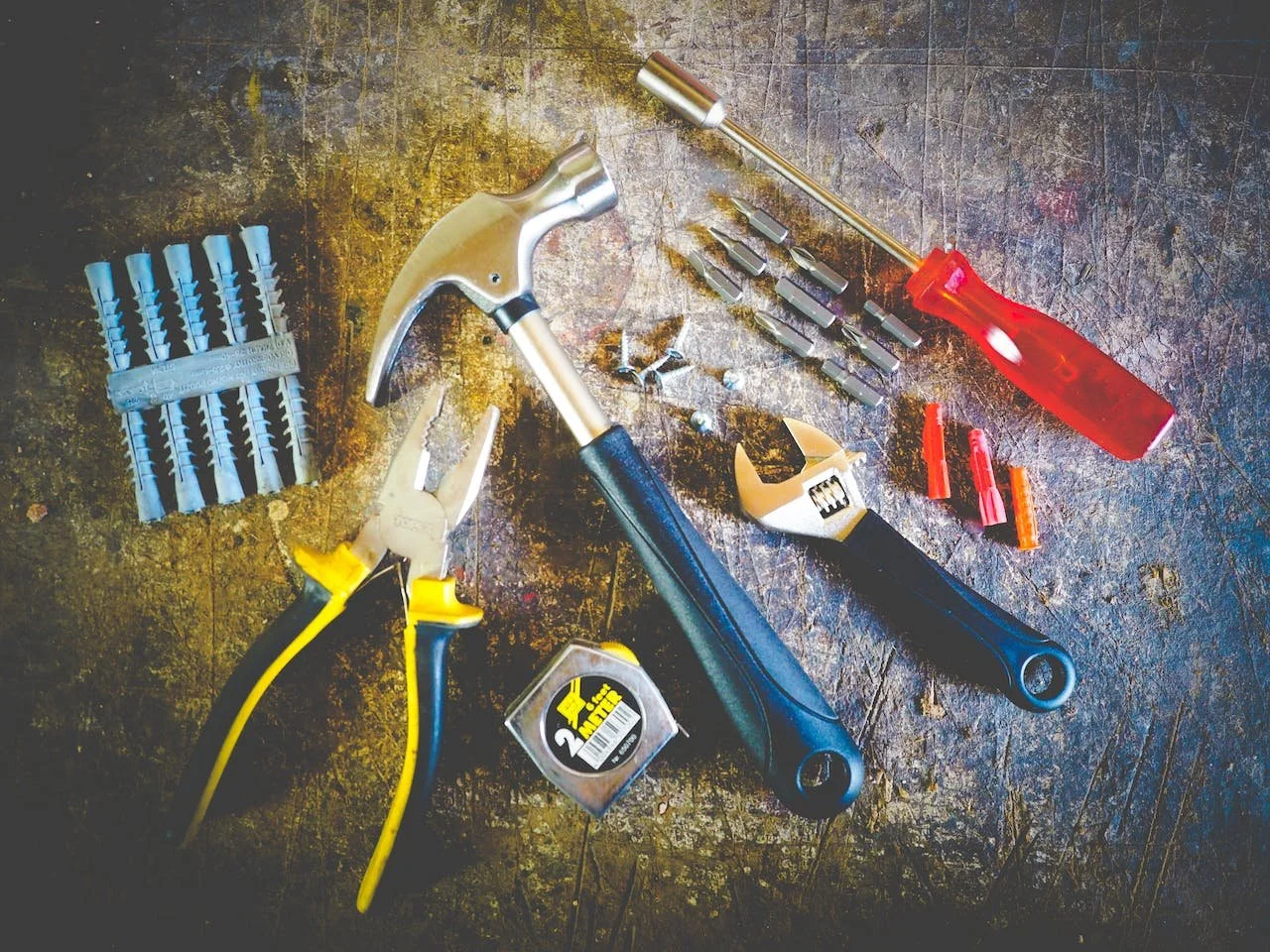
Don't Wait: 4 Home Repairs You Need to Tackle Immediately
Being a homeowner comes with many responsibilities, and you'll inevitably face the need for repairs as time goes on. Some repairs, such as those involving damaged walls or roofs, demand immediate attention. However, knowing which repair issues warrant prompt action and which can wait can be challenging. This article focuses on four home repairs that you should quickly tackle. From plumbing issues to HVAC problems, we'll explore the repairs that can be a ticking time bomb if left unaddressed.
Being a homeowner comes with many responsibilities, and you'll inevitably face the need for repairs as time goes on. Some repairs, such as those involving damaged walls or roofs, demand immediate attention. However, knowing which repair issues warrant prompt action and which can wait can be challenging. This article focuses on four home repairs that you should quickly tackle. From plumbing issues to HVAC problems, we'll explore the repairs that can be a ticking time bomb if left unaddressed.
Plumbing Issues
One of the most common problems that homeowners face is plumbing issues. Whether it's a clogged drain or a leaking toilet, plumbing issues can cause significant damage if left unchecked. If you notice water stains on the walls or ceilings, low water pressure, or strange smells, you have a plumbing problem that must be resolved immediately. Failure to address the issue can lead to mold growth, water damage, and health hazards. Early detection and timely repair is the key to ensuring your plumbing system remains functional.
HVAC Repairs
Your heating, ventilation, and air conditioning (HVAC) system is essential for keeping your home comfortable throughout the year. From air filters to the compressor, various components can break down and cause your HVAC system to stop functioning. If you notice that your HVAC system is not producing cool or warm air or is making strange noises, it's time to call in an HVAC repair professional, such as Mauro's Air Conditioning & Heating, Inc. Delaying HVAC repairs can result in higher energy bills and, in severe cases, total system failure, which can be expensive.
Foundation Repairs
Your home's foundation keeps your house standing, and any damage can cause significant problems. Some signs of foundation damage include uneven floors, cracks in the walls, and separation between the walls and ceiling. Foundation issues require immediate attention because they pose a severe threat to the structural integrity of your home. If left unaddressed, foundation damage can prevent your entire house from shifting, creating additional problems, such as plumbing and electrical issues.
Water Damage Repairs
Water damage can be one of the most serious problems you'll face as a homeowner. Whether it's a leaky roof, a burst pipe, or faulty window seals, water damage can lead to mold growth, rot, and structural damage if left unaddressed. The sooner you initiate water damage repairs, the better your chances of avoiding extensive damage. Although putting off water damage repairs is tempting, doing so can be dangerous for your health and safety.
In conclusion, your home is one of your most significant investments, and it's crucial to address any repair issues proactively. Plumbing, HVAC, foundation, and water damage are among the most critical repairs that should be tackled promptly. Although it can be tempting to put off repairs, doing so can have costly consequences. Knowing when to seek professional help and proactively addressing repair issues is essential to safeguarding your home and the health and safety of those living there.
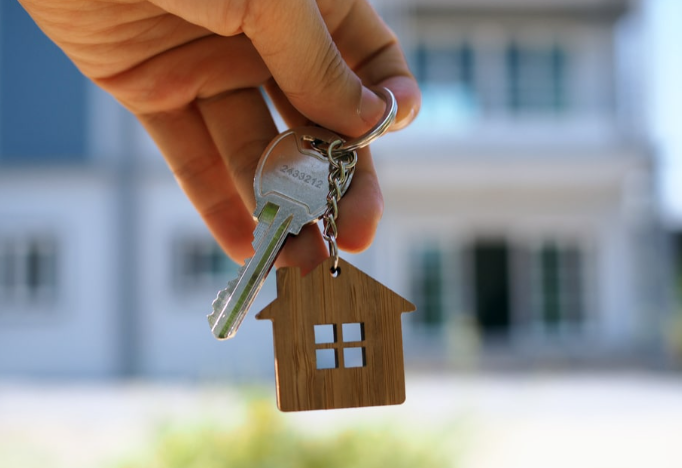
5 Ways to Save Money on Rental Properties
With rental prices skyrocketing in recent years, it's becoming increasingly difficult for people to afford decent housing. This is where rental properties come in handy. Rental properties can provide the space and amenities that people desire at a fraction of the cost of purchasing a home. However, renting a property can still be expensive, putting a strain on one's budget. Fortunately, there are ways to save money on rental properties. Here are five practical tips to help you save money on your rental property.
We partnered with a home improvement company for this post. The opinions in the post are honest. All reviews and opinions expressed in this post are based on our personal views. We are excited because we know you will love it.
With rental prices skyrocketing in recent years, it's becoming increasingly difficult for people to afford decent housing. This is where rental properties come in handy. Rental properties can provide the space and amenities that people desire at a fraction of the cost of purchasing a home. However, renting a property can still be expensive, putting a strain on one's budget. Fortunately, there are ways to save money on rental properties. Here are five practical tips to help you save money on your rental property.
Consider Moving to a Less Expensive Neighborhood
Moving to a less expensive neighborhood is one of the easiest and most effective ways to save money on properties for rent. Different neighborhoods come with different price tags, and it is often possible to find a decent rental property in a less expensive neighborhood. The cost of living in upscale neighborhoods tends to be higher than in other areas. Look for neighborhoods that are still developing that many people are not aware of yet. These areas may have lower rents and provide a great opportunity for you to live in a nice, affordable rental property.
Look for Rental Property Deals
Looking for rental property deals is another way to save money. Some landlords offer incentives such as free months of rent or discounted rates for the first few months. There are even websites that connect you with landlords that offer rental property deals. Ensure that you do your research to make sure that the landlord is reputable before signing any lease agreements. If you're safeguarding your investment, consider exploring top renters insurance choices via our review page for added peace of mind.
Negotiate Your Rent Prices
Negotiating your rent prices is an often overlooked tactic for saving money on a rental property. Most people assume that the landlord's asking price is final, but this is not always the case. You can use your rent negotiation skills to get a lower price. Landlords may consider your proposal as they’d rather have tenants that pay rent than vacancies.
Save on Utilities
Utility bills can add up quickly and lead to more expenses than necessary. You can save money on utilities by being smart with your consumption. Look for energy-efficient appliances and invest in LED light bulbs. It’s also a great idea to turn off appliances and lights when they are not in use as well as being mindful of your air conditioning usage as it is a big contributor to increased utility bills.
Conduct Regular Maintenance on the Property
Scheduling regular maintenance on your rental property may require effort upfront, but it can save you money in the long run. Performing routine maintenance tasks like replacing air filters, checking for leaks, and fixing small damages can prevent larger, more costly repairs from being needed in the future.
Rental properties are a great housing option for people looking to save money, but it's important to be strategic with your spending. By using the tips outlined above, you can maximize your savings and live comfortably in your rental property. Remember to always do your research, ask questions, and negotiate your rent prices to get the best deal possible.

