

A resource for those seeking information on organizing and transforming spaces.

9 Factors to Consider Before Moving to a Brownstone in NYC
Discover the vital factors to consider before moving to a brownstone in NYC. Explore insurance and safety essentials for a secure transition.
Are you moving to a brownstone in NYC? It's an exciting step, offering a blend of charm, history, and unique living spaces. But, before you make this significant move, consider some critical aspects to ensure it matches your expectations and lifestyle. When creating a checklist, you should do thorough research. From understanding the upkeep of these historic gems to evaluating the layout and neighborhood vibe, every detail matters. Additionally, considering renovation restrictions, heating systems, and the overall cost of living will guide you toward making an informed decision. This journey promises a rich living experience deeply rooted in New York City's architectural heritage. Let's discuss these considerations to ensure your move is exciting but also well-planned and fulfilling.
1. Understand the Maintenance Requirements

When moving into a brownstone in NYC, you must understand the maintenance requirements. Brownstones, known for their historic charm and timeless architecture, demand a level of care that goes beyond the usual home upkeep. Identifying the scope of these requirements proves essential for anyone considering homeownership or renting. These buildings often come with unique features such as exposed brick, original woodwork, and classic facades that require specialized attention to maintain their beauty and integrity. Maintenance isn't just about aesthetics; it's about preserving the value and ensuring the safety of your home. Regular checks and timely repairs play a significant role in avoiding larger issues down the line. Understanding these requirements will prepare you for the responsibilities that come with such an iconic piece of New York City's living history.
2. Assess Renovation Needs and Restrictions
These historic properties present unique challenges and opportunities for interior changes. Before starting any renovation project, it's important to understand the guidelines and restrictions set by local preservation committees. Many brownstones are located in historic districts, which means any alterations must align with the neighborhood's historic character. This can involve approvals and permits for even seemingly minor changes. You might find that certain modifications are off-limits while others are encouraged to maintain the building's authenticity.
Recognizing these constraints is crucial before moving to a brownstone in NYC. If you opt for a move, it is equally important to have professionals guide you. Make sure you pick true experts, like Pack & Go Movers NY, who offer services tailored to brownstone relocations, ensuring your belongings are handled carefully through narrow hallways and staircases. Proudly standing as one of New York's most reputable moving companies, they offer you a partnership you can rely on. With a professional team boasting more than 15 years of experience, they deliver an unmatched moving experience to clients tailored to meet their unique needs.
3. Evaluate the Space and Layout
The space and layout of a potential brownstone significantly impact living experiences, influencing daily comfort and community interaction. Brownstones offer unique layouts, often with multiple levels that separate living spaces. This setup can enhance privacy but challenge those opposed to stairs. Prospective residents should assess how the layout aligns with their lifestyle, including accommodating work-from-home requirements and providing ample space for their family.
4. Consider the Location and Neighborhood
Emphasizing the neighborhood's significance is essential for a well-rounded living experience. Each area in NYC claims its character, from quiet, leafy streets to vibrant, bustling avenues. The right choice enriches life beyond the home, offering local eateries, parks, and cultural hubs within walking distance. Safety, accessibility to public transportation, and the overall vibe of the community are paramount. Thus, carefully considering the interior space and the surrounding neighborhood ensures a wise investment and a fulfilling, enriched living experience.
5. Community and Lifestyle Fit

Consider how living in a brownstone aligns with your lifestyle and community engagement preferences. These homes often foster a close-knit community feel, which can be a significant draw for those looking to connect with neighbors and participate in local events. The design and layout of brownstone areas naturally encourage residents to engage with each other. With their shared stoops and proximity, it's easy to stir conversations, borrow a cup of sugar, or organize local gatherings. This setting is perfect for people who appreciate a sense of belonging and wish to immerse themselves in the communal vibe.
6. Look into Storage Solutions
When moving to a brownstone in NYC, considering storage solutions is a practical aspect of the transition. These historic homes often lack the generous closet space in modern buildings, requiring a strategic approach to organization. Maximizing available storage is essential to maintain a clutter-free living space. Opting to rent bins in NYC proves to be a wise choice while relocating. It allows you to sort and store items efficiently before finding their permanent place in your new brownstone. These rental bins provide flexibility and convenience, reducing the stress of unpacking and helping you settle in more smoothly.
7. Organize Your Brownstone Home Storage

In addition to temporary storage solutions, exploring long-term storage options is valuable. Utilizing basement spaces and attics or converting unused areas into storage can significantly enhance your organization. Custom shelving, cabinets, and furniture with hidden storage compartments are also practical choices. Thinking creatively about storage ensures that your brownstone home remains tidy and functional. It enables you to fully enjoy the unique features of your historic home without feeling overwhelmed by clutter. Therefore, assessing and organizing storage at your new home is a proactive step in making your brownstone living experience as comfortable and enjoyable as possible.
8. Understanding Insurance and Safety
When moving into a brownstone in NYC, ensuring safety and having the right insurance coverage is paramount. These historic buildings come with their own set of considerations regarding safety features and insurance needs. Below are some key points to consider:
Evaluate insurance options: Begin by assessing the insurance policies available for brownstone living. Consider factors like coverage for water damage and structural repairs, as these can be more common in older buildings.
Check safety features: Prioritize your safety by examining the brownstone's safety features. This includes inspecting fire escapes, security systems, and other measures in place to protect residents.
Research local safety statistics: Research safety statistics for the neighborhood. Understanding the area's safety reputation can help you make an informed decision about your move.
Ensure compliance: Brownstones, especially those in historic districts, may have specific safety regulations and building codes. Ensure that the brownstone complies with these standards to guarantee safety.
Plan for safety measures: Consider implementing additional safety measures within the brownstone, such as smoke detectors, fire extinguishers, and emergency exit plans.
9. Review the Cost of Living
One last factor to consider is your budget. Living in a brownstone in NYC often carries a premium cost, not just in purchase price or rent but also in utilities, maintenance, and other living costs. Budgeting accurately for these expenses will help you avoid surprises and ensure a comfortable lifestyle. Remember, before moving to a brownstone in NYC, meticulous preparation and thorough research are key.
Make Informed Decisions when Moving to a Brownstone in NYC
When moving to a brownstone in NYC, make well-informed choices, from comprehending maintenance requirements to evaluating space and community compatibility. By adopting a strategic approach, moving into a brownstone promises an unmatched living experience enriched with character, history, and a profound sense of belonging in the heart of one of the world's most vibrant cities.
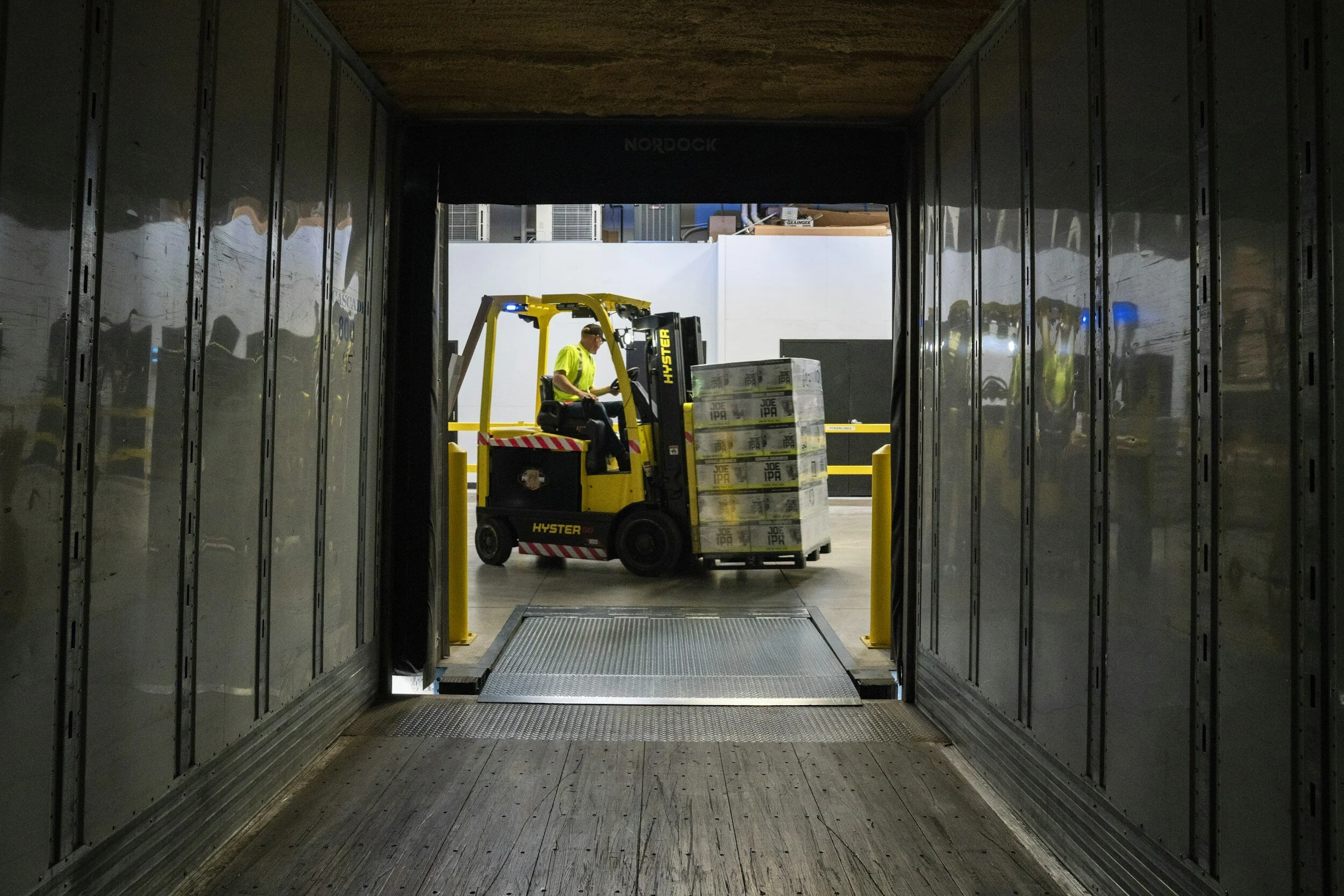
Wondering if a forklift operator is the right job for you? Here's what to know!
Recently, the career of forklift operator has been in the limelight for being an exciting and high-paying job for people with minimal qualifications.
We partnered with a home improvement company. for this post. The opinions in the post are honest. All reviews and opinions expressed in this post are based on our personal views. We are excited because we know you will love it.
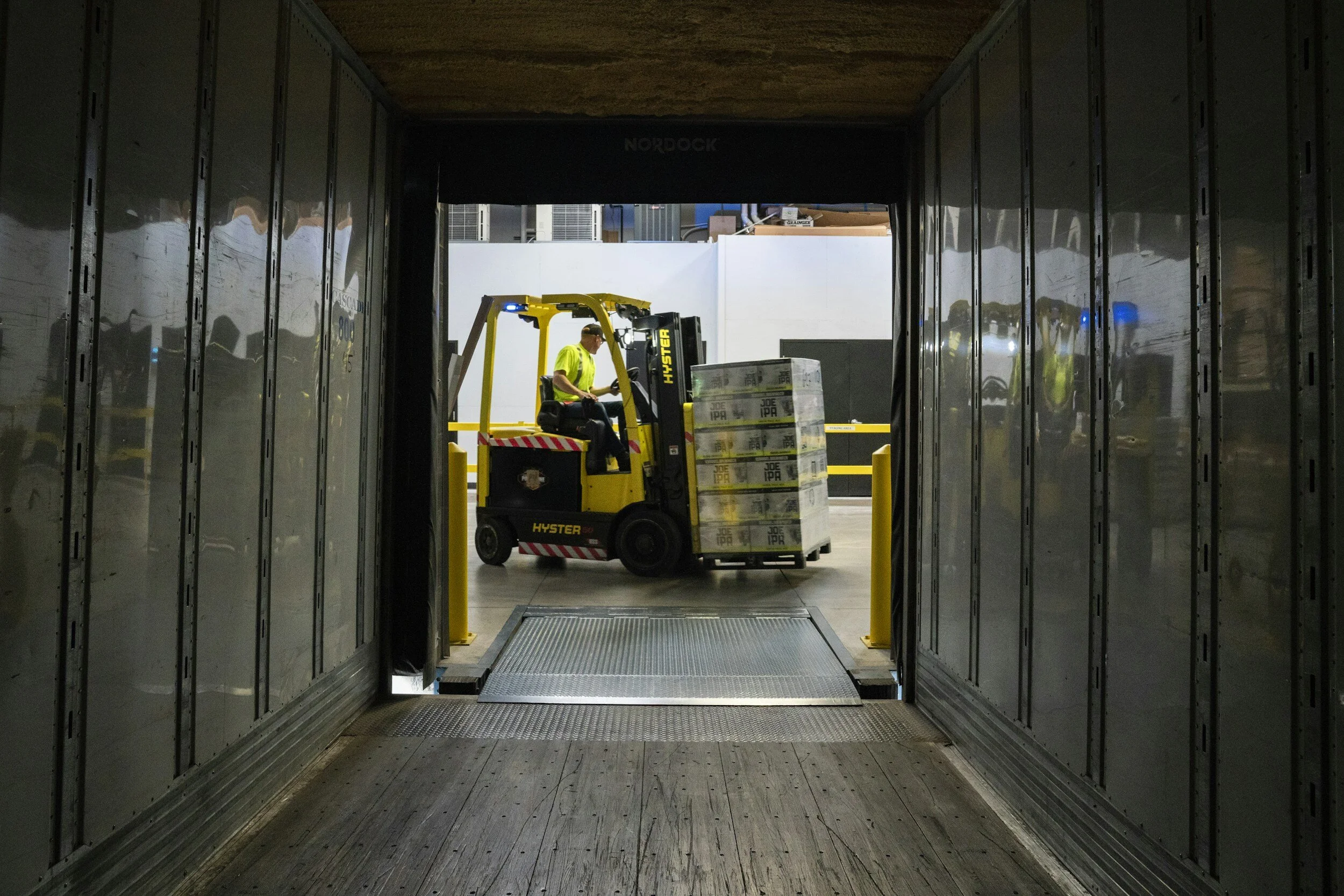
Recently, the career of forklift operator has been in the limelight for being an exciting and high-paying job for people with minimal qualifications.
However, many people have misconceptions about this profession. Some believe it's monotonous. Others say they don't have what it takes for it.
So dive right in to get all the clarity!
Skills required to work as a forklift operator
In a forklift operator job, you need several basic skills and qualifications. Let's know those here…
1. Knowledge of using forklifts
Other than a high school degree or an equivalent, the basic skill of a forklift operator is good knowledge about using a forklift.
You can gain all the knowledge and skills about using and maintaining the heavy machine by enrolling for a training course and getting a Forklift Licence Melbourne.
Besides that, you also need to know how to operate various other heavy equipment, inspect it, and perform simple repairs on all machinery.
2. Quick mathematic and basic language skills
Forklift operators usually get jobs in warehouses, inventories, factories, etc. Besides safely using a forklift, one of their most important roles is keeping count of incoming and outgoing merchandise, damaged or missing goods, and more.
So, you also need to be good at math. Of course, you don't have to remember all calculations, but you must be sharp and quick.
You must also be able to read, speak, and write English.
3. Physical stamina
A forklift operator is also expected to lift heavy materials and boxes full of merchandise – without the forklift or other machine.
Many employers mention in the job post that you must have the ability to lift at least 50 pounds at once without assistance. You must train yourself in heavy weight-lifting to mitigate the risk of getting hurt.
4. Good communication skills
Forklift operators and other crew members in the vicinity must communicate clearly to convey instructions and share updates on the work progress.
So, if you have smooth communication skills, this is a pro for you!
5. Teamwork
A forklift operator has to coordinate with the entire crew and stay connected via radio equipment. You must also report any issue with the warehouse products or major equipment malfunction to your manager.
You must also work as a team on specific projects and organize tasks. You have to get along with others to boost productivity.
6. Attentiveness
Attention to detail and surroundings is one of the greatest skills for a forklift operator. This is important to prevent major incidents.
After all, it's known that in 2018, 20 deaths occurred from being struck by forklift equipment. Moreover, 7,940 non-fatal forklift injuries occurred.
Why should you be a forklift operator?
If you have the skills mentioned above or are ready to work on them but still don't know if this is the right fit for you, here are some reasons to make your mind up now!
1. There are many jobs in the market
If you get a forklift operator license, you can get many jobs in warehouses and logistic hubs in various roles.
While your main agenda is to be an operator, if the necessary vacancy is unavailable, you can work in other roles in food service, retail, manufacturing, warehouse, and construction.
So, let's know them all:
Forklift operator
Forklift mechanic
Warehouse worker
Construction worker
Dock worker
Warehouse manager
Prop and movie set worker
Museum employee
Brewery employee
Retail employee
These are only a few of the bunch. There are many more job opportunities in various industries, especially if you can get some experience as an apprentice.
2. The work environment never gets boring
Most people assume that a forklift operator's job is monotonous because they must sit for long hours.
However, this job often takes you to fast-paced environments with many tasks. All the tasks need your 100% attention, sharp mental acuity, and calculations so things never get boring.
3. There are competitive wages
Since forklift jobs are not monotonous and demand consistent attention throughout the day, the job is high-paying compared to other jobs with similar minimal qualifications.
As of 2024, in Australia, the minimum you earn from this job is $59,280/year or $30.40/hour. And with better experience over the years, the position and pay keep rising!
You can also reach a managerial or supervisory position if you're skilled and motivated.
4. You don't need to study a lot
To be a forklift operator, you only need a high school diploma and a license in forklift operation. Going to college is unnecessary unless you want to aim much higher.
Instead, you'll have to gain experience, get experience, have a great reputation at work, possess a good work ethic, and be competent.
Conclusion
If you have the necessary skills and qualifications or are open to culturing them, you can be the next best forklift operator in no time. Lastly, ensure you're ready to work hard in this industry and commit to this career!
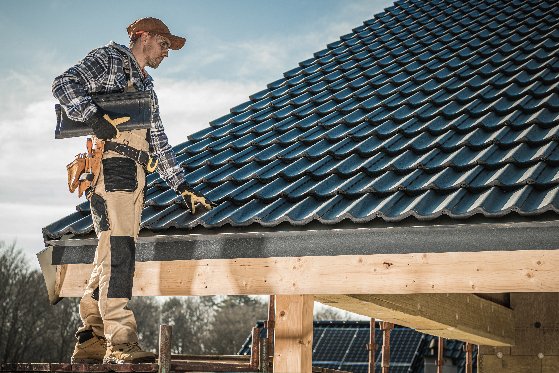
Need Some Work Done? 5 Things You Didn't Know Your Roofer Can Help With
When you hear the word “roofer,” you may only think of someone who repairs or installs roofs. However, a good roofer can do much more than that. In fact, roofers can help with a variety of home repairs that have nothing to do with roofs. In this post, we’ll explore some of the different ways that a roofer can help you keep your home in top shape. Let's get started!
When you hear the word “roofer,” you may only think of someone who repairs or installs roofs. However, a good roofer can do much more than that. In fact, roofers can help with a variety of home repairs that have nothing to do with roofs. In this post, we’ll explore some of the different ways that a roofer can help you keep your home in top shape. Let's get started!
Repairing or Replacing Gutters
Gutters are a crucial part of any home’s drainage system, directing water away from the house to prevent water damage. Roofers can help repair or replace damaged or clogged gutters, ensuring that your home stays dry and safe.
If you notice any issues with your gutters such as leaks, cracks, or sagging, it's time to call a roofer for help. It's also important to have your gutters inspected and cleaned at least twice a year to prevent clogs and potential damage. A roofer can also recommend the best type of gutter system for your home's specific needs and install it for you. Don't wait until it's too late—call a roofer at the first signs of gutter problems to prevent any further damage to your home.
Fixing Siding Damage
Siding is another important aspect of the exterior of your home. A roofer can repair damaged or worn siding, preventing further issues such as water damage or mold growth. Some signs that your siding needs some attention include cracks, holes, warping, or discoloration. If you notice any of these issues with your siding, it's important to have a roofer take a look and determine the best course of action. Ignoring damaged siding can lead to more extensive and costly repairs down the line.
The best time of year to do siding repair is during the warmer months when the weather is dry and sunny. This allows for the materials to properly adhere and dry without being affected by rain or snow. Siding repair can also be done in the fall, before winter weather sets in, as long as there is enough time for the repairs to fully cure before temperatures drop. Be sure to plan ahead and schedule your siding repair with a roofer in advance, as they may be busier during peak seasons.
Installing Skylights or Windows
Natural light can really enhance a home’s interior, and roofers can help with that as well. They can install skylights or windows, allowing more sunshine to enter and brighten up your home.
There are several factors to consider when deciding where to install a skylight in your home. A roofer can help you determine the best location based on the roof angle, amount of natural light needed, and potential obstructions such as trees or neighboring buildings. They will also make sure that the skylight is properly sealed and installed to prevent any leaks or damage. With the help of a roofer, you can bring more natural light into your home and potentially save on energy costs by reducing the need for artificial lighting.
Deciding where to add a new window in your home is not always an easy decision. However, with the help of certified residential roofers, you can get expert advice on the best location for optimal natural light and overall functionality. Some factors to consider when deciding where to add a new window include the orientation of your home, surrounding buildings or trees that may block sunlight, and the overall aesthetic of the exterior. A roofer can also help determine if any structural changes need to be made and ensure proper installation for a seamless addition to your home.
Adding Insulation
Roofers can help keep your energy bills down by adding insulation to your attic. By increasing your home’s insulation, you can reduce heat loss in the winter and heat gain in the summer, leading to lower energy bills and a more comfortable home.
Signs that your home may have insulation problems include inconsistent temperatures throughout the house, unusually high energy bills, or drafts in certain areas. A roofer can inspect your attic and determine if there is enough insulation and if any repairs or additions need to be made. They can also recommend the best type of insulation for your home's specific needs and install it properly to ensure maximum effectiveness, so don't hesitate to call them in for some help.
Removing Debris from Your Roof
Keeping your roof clean is important for its longevity and the safety of your home. A roofer can remove debris such as leaves, branches, and other debris that may have accumulated on your roof. They can also identify any other potential issues that may be lurking up there.
The best time of year for roof maintenance is typically during the fall or spring seasons. During these times, the weather is not too extreme and leaves and debris are more likely to accumulate on your roof. Having a roofer clean your roof during these seasons can help prevent any potential damage that may result from clogged gutters or piles of debris sitting on your roof. Additionally, scheduling maintenance during these seasons can also help identify any potential issues with your roof before they become major problems in the winter or summer months.
No matter what project you have on your hands, hiring a professional roofer can be an invaluable resource for anyone looking to maintain or enhance their homes' safety, comfort, and functionality. Whether you need routine maintenance, a minor repair, or a major installation project, a roofer can save you time, money, and headaches by providing their expertise and experience. So, don't hesitate to contact a local roofer today and see how they can help you achieve your home improvement goals!

8 Tips for a Smooth Transition Into a New Home
Transitioning to a new home can be an exciting, yet nerve-wracking experience. This is because the anticipation of a great move can cause a whirlwind of emotions, ranging from the worry of packing up your adored belongings to the anxiety of settling into an environment you are yet to get familiar with.
We partnered with a home improvement company for this post. The opinions in the post are honest. All reviews and opinions expressed in this post are based on our personal views. We are excited because we know you will love it.
Transitioning to a new home can be an exciting, yet nerve-wracking experience. This is because the anticipation of a great move can cause a whirlwind of emotions, ranging from the worry of packing up your adored belongings to the anxiety of settling into an environment you are yet to get familiar with.
The facts remain that things will probably get broken or lost, which will be labor-intensive. Meanwhile, adjusting is a whole different story. Although moving can be a stressful procedure, with appropriate planning and organization, you can make it much more manageable. In this article are, therefore, tips to have a smooth transition from one home to another.
8 Tips for a Smooth Transition Into a New Home
Make a Moving and Packing Checklist
Getting set for movement is a great ordeal. The day could creep up on you and then you will be caught frantic and unprepared. Coming up with a moving and packing checklist is a way you can avoid a hectic and disorganized moving.
Pen down all you need to do and purchase prior to your movement day. This may include packing tape, boxes, and putty to fill holes in walls. Creating a list will enable you to remain organized and will minimize the possibility of you forgetting to do or purchase something crucial before your movement day.
Think Outside the Box
There are certain things that are best transferred to your new home without being in a box. For instance, your clothes. Rather than placing them in a box, you can make use of a large garbage bag and bring it up from the base of your closet to the racks of the clothes. After that, you can secure the hangers with elastic bands.
At your new home, you can just have the hangers hung on the rod and pull the bags off. Meanwhile, ensure you do not take along empty storage containers. Likewise, items such as laundry hampers, suitcases, and backpacks can be used as moving boxes.
The same applies to food storage containers. Endeavor to pack your cooking utensils, spices, and forks in different containers, so as to make it easier to unpack when you arrive there.
Pack By the Golden Rule
One of the best packing tips is to utilize the correct-sized box. The golden rule for packing is simply the heavier the item, the smaller the box. This is because it will be much easier to carry weightier items if they are placed in smaller boxes. The larger boxes should, then, be saved for the light things.
Books, for example, can be very heavy. They should therefore be packed in small boxes, in order to ease their movement. Note that you should never over-pack a box, as it can result in back pain and make the move more challenging.
Pack Smartly

Although packing can take a while, unpacking can take much longer. Hence, as much as possible, make moving painless by packing smartly.
Packing smart entails packing the same room in one box. Avoid mixing things from different rooms, as it will help make unpacking easy.
For instance, when packing dish soap, shampoo, and other household liquids, you can place a layer of cling wrap before screwing on the lid. Doing that will prevent the liquids from leaking and wasting away.
In the same way, when packing necklaces, you can use a jewelry travel case or an empty egg carton, so that those times would not become a tangled mess during movement.
Declutter
The period of packing and movement is a wonderful time to examine your items and purge the things that are not needed. So, if you have stuff that you never use, you should eliminate it and save your box space for a thing you make use of. You could also make a donation pile, and once everything is packed, a reputable removal company can help transport your belongings while a local charity collects any items you no longer need. Alternatively, you can drop them off yourself at a thrift store.
Decluttering tends to make unpacking easier when you arrive at your new home. Likewise, it will encourage you to pick only the items that you really need and utilize, rather than the detritus that have been accumulated over the years.
Last In, First Out
Bear in mind that anything you will need first at the new home is the box you should load last in the moving vehicle. That way, the crucial items will be what comes off first, when you arrive at the place. For instance, things like kitchen items or cleaning supplies are usually needed immediately.
You can go a step further by marking those boxes with separate colored tape and loading them into the vehicle last.
Protect Your Delicate Items
There is no need for you to buy bubble wrap to safeguard your fragile items. Instead, you can use socks, linens, and kitchen tea towels. It will not only save you money, but it is also better for the environment.
Drinking glasses and stemware can be kept safe by placing them inside neat socks. Tea towels and other linens can also be layered in between plates.
Plan Your Meals
For some weeks before your movement day, ensure you plan your meal by using only the contents you already have in your fridge and freezer. Plan towards consuming those foods and try not to buy more. Besides, make sure you plan for what you will eat once your kitchen is packed up the day before your movement day. You should also plan for what you will have as breakfast on your movement day.
A Smooth Transition

The movement tips and tricks discussed in this article will definitely help you have a smooth transition to a new home. Nevertheless, you can also consider hiring relocation services. They consist of professionals who will help to further contribute to helping you achieve a faster and hassle-free transition.

