

A resource for those seeking information on organizing and transforming spaces.

10 Tips for Building a Website for Your Home Organizing Business
In today's digital age, having a reliable online presence is essential for any business, including your home organizing venture.
In today's digital age, having a reliable online presence is essential for any business, including your home organizing venture.
A website serves as your virtual storefront, providing potential clients with valuable information about your services, showcasing your expertise, and ultimately converting visitors into customers.
Let's explore ten tips to help you build a successful website for your home organizing business.
1. Define the purpose of your website
Before diving into the design and content creation process, it's crucial to clarify the primary purpose of your website. Are you aiming to attract new clients, provide resources for existing customers, or both?
By defining your website's goals upfront, you can tailor your strategy to meet the needs of your target audience effectively. Your audience will also understand what your product or service is all about.
Your website can be a hub for potential clients to learn more about your services, view testimonials, and contact you for inquiries or appointments. Additionally, it can act as a resource center, offering organizing tips, blog posts, and downloadable guides to help visitors tackle their clutter.
2. Choose a domain name that reflects your business
Your domain name is the online address where customers can find your website. The process is simple: go to a domain name registration website, use their search engine, check its availability, and register it through a reputable domain registrar.
Selecting a domain name that is easy to remember, relevant to your home organizing business, and reflects your brand identity is essential. Consider incorporating keywords related to your services to improve your website's visibility in search engine results.
When brainstorming domain names, consider terms potential clients might use when searching for home organizing services. Keep it concise, avoiding hyphens or unnecessary words that could make it difficult to type or remember.
3. Keep the design clean and clutter-free
When it comes to website design, simplicity is key. A clean and clutter-free layout enhances the user experience and conveys professionalism and trustworthiness.
According to Sytian Productions, a web developer philippines company - when making a website, avoid overcrowding your pages with excessive text, images, or animations. Instead, focus on clear navigation, legible fonts, and visually appealing graphics that complement your brand.
Consider the visual hierarchy of your website, ensuring that important information is prominently displayed and easy to find. Use whitespace strategically to guide visitors' eyes and create a sense of balance and clarity.
Test your website on different devices and screen sizes to ensure it looks and functions well across all platforms.
4. Create copy to showcase your services
Compelling copy is essential for communicating the value of your home organizing services to potential clients. Use descriptive language to highlight the benefits of decluttering and organizing spaces, emphasizing its positive impact on individuals' lives.
Clearly outline your services, including residential organizing, downsizing assistance, and home office organization. Incorporate storytelling into your copy, sharing success stories and testimonials from satisfied clients.
Paint a picture of the transformation your services can bring to a home, from chaotic clutter to calm and organized spaces. Use persuasive language to inspire visitors to take action and contact you for their organizing needs.
5. Incorporate contact and booking features
Make it easy for visitors to get in touch with you by incorporating contact forms or clickable email addresses on your website. Additionally, consider integrating online booking features that allow clients to schedule appointments directly through your site.
Streamlining the booking process can improve customer satisfaction and encourage more inquiries. Include a dedicated "Contact Us" page on your website, where visitors can find your phone number, email address, and business hours.
Use clear and concise language to guide them through reaching out to you or inquiring about your products and services, whether to request a consultation, ask a question, or provide feedback.
6. Implement call-to-action (CTA)
Every page of your website should include a clear call to action (CTA) prompting visitors to take the next step, whether contacting you for a consultation or signing up for your newsletter.
Use persuasive language and visually prominent buttons to encourage clicks and conversions. Experiment with different CTAs to see which ones resonate most with your audience.
Consider placing call-to-action's strategically throughout your website, such as at the end of blog posts, on service pages, and in prominent homepage areas.
Tailor your CTAs to match the visitor's stage in the decision-making process, whether they're just learning about your services or ready to schedule an appointment.
7. Add social media buttons
Social media can be a powerful tool for expanding your online reach and engaging with potential clients. Incorporate social media buttons on your website, linking to your profiles on platforms like Facebook, Instagram, and Pinterest.
Encourage visitors to follow you for organizing tips, client testimonials, and behind-the-scenes glimpses of your work. Connect your website to your social media by adding your URL to your posts.
Consider embedding social media feeds directly into your website, allowing visitors to see your latest posts and interact with your content without leaving your site.
Use enticing captions and high-quality images to showcase your expertise and personality, fostering connections with your audience and encouraging them to share your content with their networks.
8. Incorporate a blog section
Maintaining a blog allows you to share valuable content with your audience while showcasing your expertise in home organizing. Use your blog to publish helpful tips, organizing inspiration, client success stories, and updates about your business.
Regularly updating your blog keeps visitors coming back for more and boosts your website's visibility in search engines. Incorporate keywords relevant to your niche to improve your blog's visibility in search engine results and attract organic traffic to your website.
When brainstorming blog topics, consider your target audience's questions and pain points. Write informative and engaging posts that provide practical solutions and actionable advice.
9. Build trust and credibility
Trust is crucial in any business relationship, and your website plays a significant role in establishing credibility with potential clients. Showcase client testimonials, before-and-after photos, and any relevant certifications or memberships.
Transparent pricing information and a professional, well-maintained website also build trust and instill confidence in your services. Display industry certifications or affiliations prominently to reassure visitors of your expertise and professionalism.
Consider creating a dedicated "Testimonials" page on your website featuring quotes and reviews from satisfied clients. Include photographs and brief descriptions of the projects you've completed, highlighting the positive outcomes and transformations achieved.
10. Monitoring and Improve Performance
Once your website is live, monitoring its performance and making ongoing improvements to optimize results is essential. Use website analytics tools to track traffic, engagement, and conversion rates.
Pay attention to user feedback and behavior to identify areas for enhancement, whether it's refining your messaging, tweaking your design, or adjusting your marketing strategy.
Regularly review your website's analytics dashboard to gain insights into how visitors are finding and interacting with your site. Experiment with different strategies and techniques to see what resonates most with your audience and drives the desired outcomes.
Conclusion
Building a website for your home organizing business is a valuable investment that can help you attract new clients, showcase your services, and grow your brand.
By following these ten tips, you can create a professional and effective online presence that sets you apart from the competition and drives business success. Start building your website today and watch your home organizing business thrive in the digital world.

Creative Client Engagement with Recipe Postcards
In today's competitive market, engaging clients uniquely and memorably is vital, especially in industries like real estate. Tools like real estate recipe postcards offer a creative approach to this challenge. These postcards, which combine delightful recipes with practical marketing, provide a distinct way to connect with clients. This article explores practical strategies for using recipe postcards for client engagement, highlighting various ideas to maximize their impact.
We partnered with a home improvement company. for this post. The opinions in the post are honest. All reviews and opinions expressed in this post are based on our personal views. We are excited because we know you will love it.

In today's competitive market, engaging clients uniquely and memorably is vital, especially in industries like real estate. Tools like real estate recipe postcards offer a creative approach to this challenge. These postcards, which combine delightful recipes with practical marketing, provide a distinct way to connect with clients. This article explores practical strategies for using recipe postcards for client engagement, highlighting various ideas to maximize their impact.
Selecting the Right Recipes
The choice of recipes for postcards plays a pivotal role in their appeal. These recipes should be enticing, simple to prepare, and universal appeal to ensure they resonate with a broad audience. Seasonal recipes can mainly capture the essence of the time of year, such as comforting stews for winter or light salads for summer. Including family-friendly or special occasion recipes adds a thoughtful touch, showing clients that their lifestyles and needs are considered. It's also a great idea to vary the type of recipes - from quick breakfast ideas to elaborate dinner recipes - to cater to different cooking interests and skills among clients.
Designing Visually Appealing Postcards
The design element of recipe postcards is crucial for captivating the recipient's interest. High-quality, mouth-watering images of the dishes can instantly draw attention and encourage clients to try the recipes. The layout should be user-friendly, with a clean and precise arrangement of text and images, ensuring the recipe is easy to follow. Brand elements like logos or specific color schemes reinforce brand recognition while keeping the design attractive and professional. Additionally, using fonts and colors that are easy on the eyes can make the postcards beautiful and practical.
Incorporating Local Flavors
Adding a local twist to the recipe postcards can significantly enhance their appeal. Featuring local specialties or ingredients can create a deeper connection with the community and showcase the real estate professional's engagement and knowledge of the area. This strategy personalizes the postcards and promotes local culture and cuisine, which can be especially appealing to clients new to the area or looking to learn more about their community. This approach is a conversation starter and strengthens the bond between the real estate professional and their clients.
Adding a Personal Touch
Personalization makes recipe postcards more than just a marketing tool; it turns them into a channel for building relationships. Including a short message about why a particular recipe was chosen or sharing a personal anecdote related to the dish adds a layer of intimacy. This could be a story about a family recipe, a memorable meal, or a favorite local ingredient. These personal touches invite clients into the real estate professional’s world, making each interaction more meaningful and fostering a sense of trust and familiarity.
Creating Themed Recipe Series
A series of themed recipe postcards can effectively maintain ongoing client engagement. Themes could range from seasonal (like summer grilling recipes) to holiday-specific (such as Thanksgiving sides) or even cuisine-based series (like Italian classics or quick Asian dishes). This ensures a steady communication stream and builds excitement and anticipation for the next installment. Clients may look forward to receiving these postcards, thereby continuously engaging with the brand positively and enjoyably.
Leveraging Social Media for Wider Reach
Complementing recipe postcard campaigns with social media can dramatically increase their impact. Sharing images of the postcards on platforms like Instagram or Facebook or creating hashtags for clients to share their cooking experiences fosters a community dialogue around the campaign. This not only boosts engagement on social media but also enhances the reach and visibility of the brand. Encouraging clients to post pictures of their culinary creations and share their experiences adds an interactive and personal dimension to the campaign.
Measuring the Impact of the Campaign
Assessing the effectiveness of the recipe postcard campaign is key to its success. This can be achieved by tracking client feedback, analyzing social media engagement, or monitoring direct responses and inquiries triggered by postcards. Gauging the campaign's impact helps understand what resonates with the audience and provides insights for future marketing initiatives. It's essential to keep track of metrics such as engagement rates, feedback quality, and any increase in inquiries or business following the campaign.
Conclusion
In conclusion, creatively engaging clients through mediums like real estate recipe postcards offers a unique and effective way to connect and build lasting relationships. Real estate professionals can establish a memorable and engaging presence in their clients' lives by carefully selecting appealing recipes, designing attractive and user-friendly postcards, personalizing content, creating themed series, leveraging social media, and measuring campaign impact. This approach enhances client relationships and fosters brand loyalty and community engagement, making it a valuable strategy in the real estate industry.

The Importance Of Home Electrical Maintenance
Have you ever wondered what magic happens behind the scenes with your electrical systems when you flip the switch to turn on the fan or light?
We partnered with a home improvement company. for this post. The opinions in the post are honest. All reviews and opinions expressed in this post are based on our personal views. We are excited because we know you will love it.

Have you ever wondered what magic happens behind the scenes with your electrical systems when you flip the switch to turn on the fan or light?
Probably not.
The electrical systems are the core of your home that are often overlooked. Since the electrical wiring stays out of sight, it often stays out of mind as well. So the wires suffer wear and tear over time, sometimes resulting in malfunction of appliances and equipment that operate on the circuit.
If not taken care of immediately, it may cause severe issues like power surges or even fire hazards. That’s why it’s crucial to maintain proper electrical maintenance regularly.
If you’re still unsure of why you should opt for regular maintenance, this article may help you.
We will discuss the importance of regular home electrical maintenance and how it can ensure a safer living environment.
The Importance Of Home Electrical Maintenance
Maintaining electrical systems appropriately is crucial for ensuring home safety and is a fundamental aspect of responsible homeownership. There are many reasons for regular electrical maintenance, including:
Improved Efficiency
High electricity bills have been a concerning issue around the world. While most people are focusing on purchasing appliances that claim to save energy, they don’t realize that the real problem lies in their homes.
Your home electrical system plays a vital role in determining your electricity bills. Outdated electrical lines and faulty appliances may need more power to work properly, which can automatically drive up your electric bills.
Even if it’s a modern home with modern equipment, lack of maintenance can reduce their efficiency, causing them to draw a lot of energy to function. That’s why it’s crucial to opt for regular maintenance.
You can hire a professional who can check your electrical systems for any issues and upgrade them if necessary. Regular maintenance can ensure that the electrical items at your home are kept in the best working condition.
Increased Safety
Did you know, between 2015 and 2019, the average number of homes that became the victims of electrical fire hazards was 46,700?
Your home is your safe place and you should keep it that way. Prioritizing electrical safety is vital for maintaining a hazard-free home environment.
While you may consider occasional electrical issues such as tripping switches, flickering lights, and discolored wall sockets as inherent quirks, it is crucial not to ignore these signs as they often indicate underlying problems.
Proactive attention to these issues is essential in preventing potential safety hazards within the household. Consistent diligence in electrical maintenance not only ensures peace of mind but also guarantees the overall security and well-being of your home.
Accelerated Solutions
Even for individuals knowledgeable in electrical work safety, hiring an electrician is a wise choice. Professional electricians can complete electrical maintenance and can give you better overall solutions than someone without experience.
This is particularly crucial during electrical emergencies and power outages, where a quick response is essential. The efficiency of an experienced electrician in identifying and addressing issues not only saves time but also ensures the safety and proper functioning of the electrical system.
And the best part is, finding an expert electrician isn’t that difficult. All you need to do is search online and find a local electrician based on where you live.
Lowered Costs
While handling simple electrical tasks on your own may appear cost-effective initially, the long-term consequences can be counterintuitive.
Electrical work demands meticulous attention to detail, and any mistakes may lead to substantial repair expenses down the line. The potential dangers of electrical fires pose a significant threat to your home and well-being.
Engaging a licensed residential electrician from the outset not only ensures proper attention to detail but also safeguards against the risk of errors that could result in extensive repair bills.
The expertise of a professional mitigates the immediate costs and provides long-term protection, making the initial investment in their services a sensible choice for the safety and integrity of your home.
Protect your equipment from power surges
Power surges pose a threat to electrical appliances, potentially resulting in expensive replacements.
Incorporating regular electrical maintenance into your routine involves inspecting the home's surge protection mechanisms, and safeguarding electronic devices from unforeseen voltage spikes.
Additionally, routine testing of GFCI outlets, breakers, and AFCI breakers is essential. These safety devices are crucial in preventing electrical shocks and are typically installed in areas with a higher risk of severe injury or fatality, such as wet locations.
By consistently testing and ensuring the functionality of these protective measures, homeowners not only protect their electronic investments from power-related damage but also prioritize the safety of individuals in areas prone to potential electrical hazards.
Regular maintenance practices contribute to a secure and reliable electrical system, preventing costly replacements and mitigating the risk of electrical accidents.
Spot dangerous, outdated wiring
As I mentioned before, electrical systems and wiring always lack attention since they are not visible. You may be living in a home with outdated and dangerous electrical wiring and may never know until it’s too late.
Outdated or impaired wiring stands as a primary catalyst for electrical fires within homes. The consequences of such fires are severe, causing swift and extensive property damage while posing a significant threat to lives.
Faulty wiring can also cause electrical shocks upon interacting with appliances or outlets. These shocks, ranging from mild discomfort to life-threatening injuries, emphasize the urgency of addressing wiring issues promptly.
Professional electricians have the necessary knowledge to detect faulty and outdated wiring at your home, which you may not understand. That’s why you should hire an expert for routine maintenance and to make sure the wiring system of your home is safe and upgraded.
Conclusion
The unseen workings behind the flick of a switch or the glow of light hold the key to a home's safety and efficiency. Neglecting the electrical systems, often hidden from view, can lead to costly consequences.
Regular maintenance emerges as a solution, not just for improved efficiency, but as a safeguard against potential hazards and unwarranted expenses. Investing in the expertise of a professional electrician ensures prompt solutions during emergencies while addressing long-term concerns.
From protecting against power surges to identifying dangerous wiring, routine maintenance becomes the foundation of a secure and reliable electrical system. Let's emphasize the importance of keeping home electrical systems in good shape for a safer and more efficient living space.
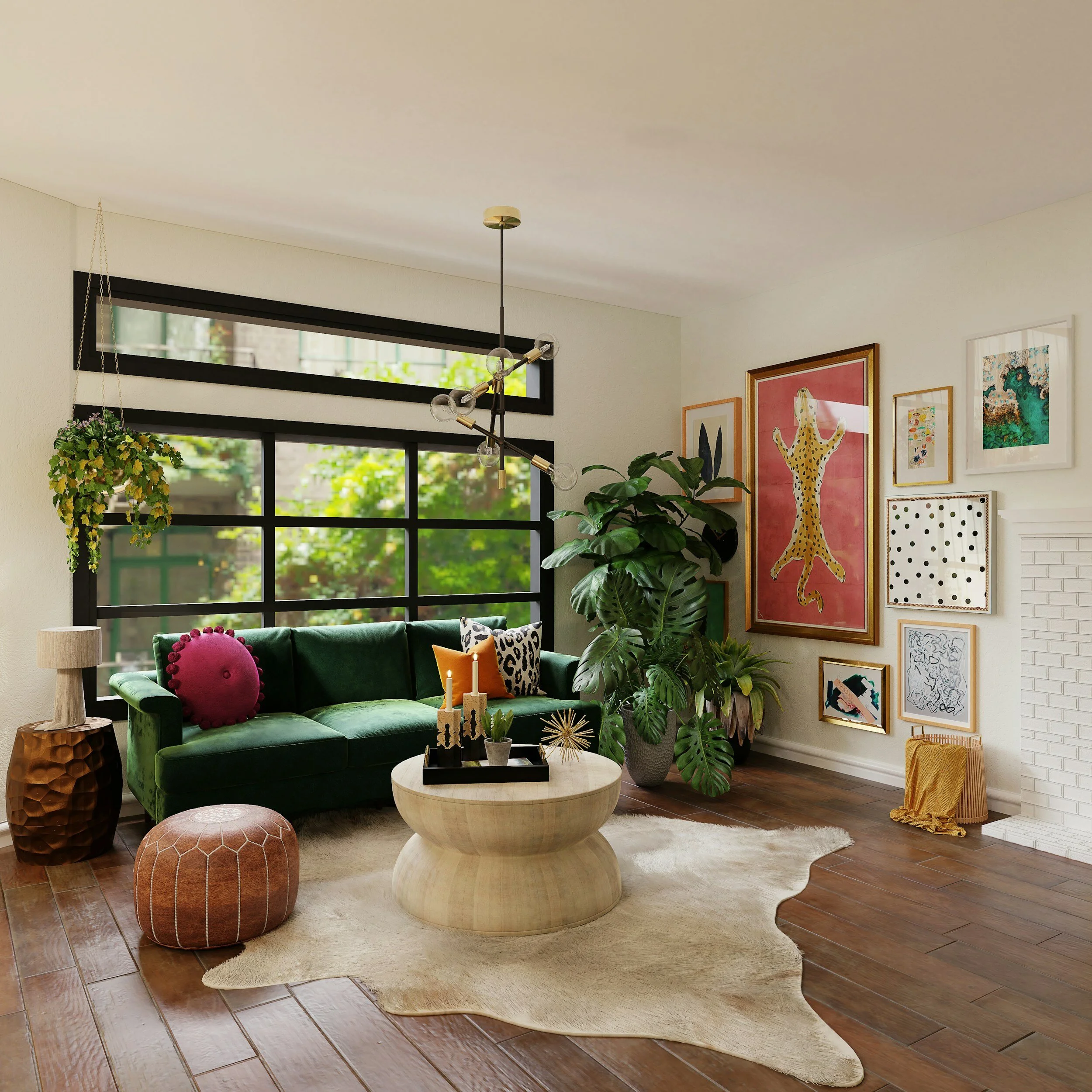
Creating Harmony: Balancing Interior and Exterior Home Design
Creating a harmonious balance between the interior and exterior of your home is key to achieving a unified and appealing design. This balance is essential not just for aesthetic coherence but also for practical functionality. It involves thoughtful consideration of style, color, materials, and landscaping, ensuring that the interior design complements the exterior and vice versa. In this article, we delve into strategies and insights that can help homeowners create a seamless transition between their indoor and outdoor spaces, enhancing the overall appeal and value of their property.
We partnered with a home improvement company. for this post. The opinions in the post are honest. All reviews and opinions expressed in this post are based on our personal views. We are excited because we know you will love it.
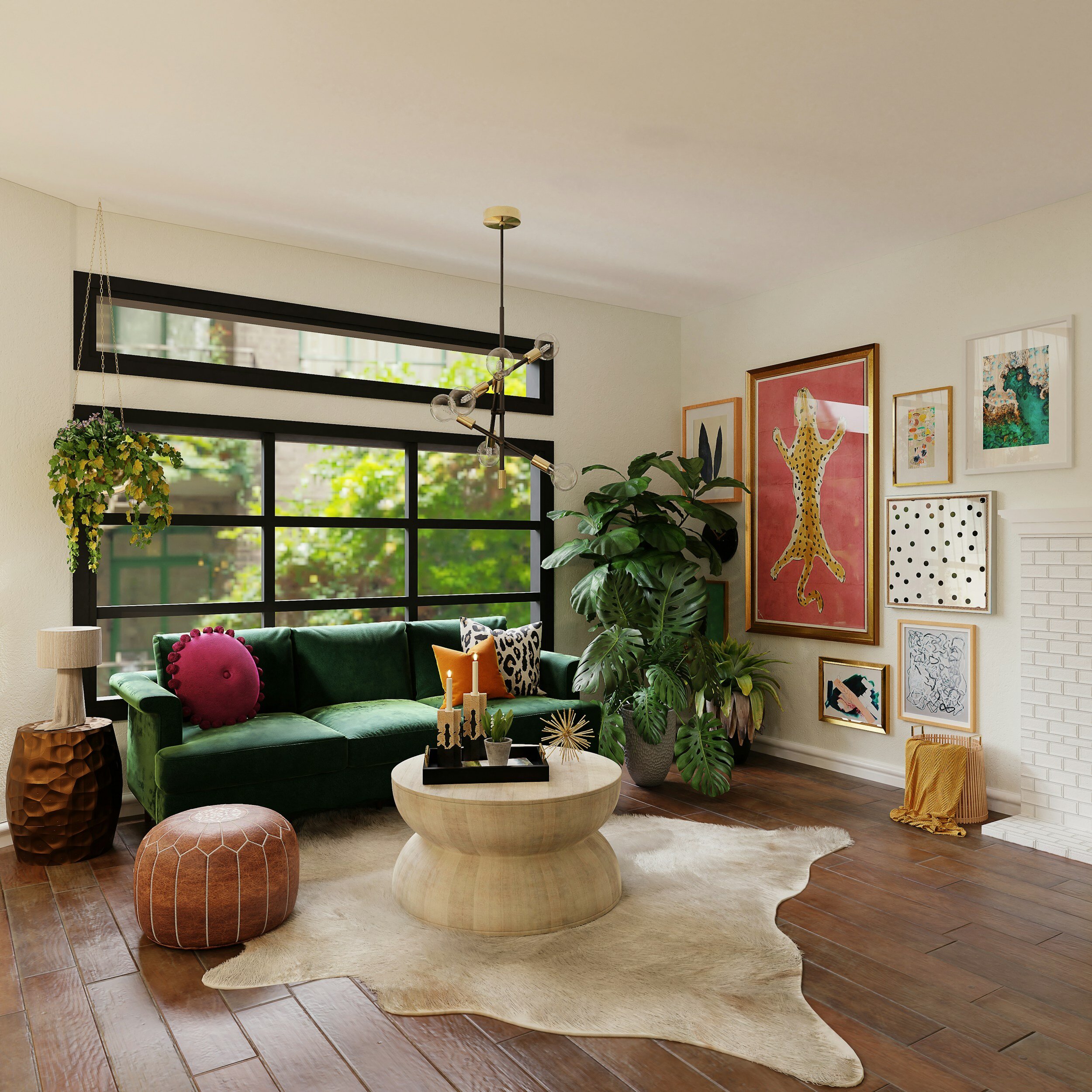
Creating a harmonious balance between the interior and exterior of your home is key to achieving a unified and appealing design. This balance is essential not just for aesthetic coherence but also for practical functionality. It involves thoughtful consideration of style, color, materials, and landscaping, ensuring that the interior design complements the exterior and vice versa. In this article, we delve into strategies and insights that can help homeowners create a seamless transition between their indoor and outdoor spaces, enhancing the overall appeal and value of their property.
Understanding the Importance of Cohesive Design
A cohesive design between a home's interior and exterior is pivotal in crafting a harmonious living space. It's not merely about aesthetic appeal; it's about creating a unified story that your home narrates. This coherence in design leads to a more visually satisfying and psychologically comforting environment. It ensures that the transition between the indoors and outdoors feels natural and seamless. Moreover, a well-coordinated design approach adds significant value to a property. It showcases a deliberate and thoughtful planning process, making the home not just a dwelling but a well-crafted work of art. Emphasizing cohesive design is, therefore, essential in achieving both beauty and functionality in your living space.
Reflecting Architectural Style Inside and Out
Reflecting the architectural style of your home in both its interior and exterior design is fundamental in creating harmony. This approach ensures a seamless visual and thematic flow throughout your living space. For instance, a home with a classic Georgian exterior would benefit from interior elements that echo its symmetry and formal style, like elegant furnishings and traditional color palettes. Conversely, a contemporary exterior with clean lines and minimalistic features should extend into the home with modern, sleek interior design. Aligning the architectural style inside and out not only enhances the aesthetic appeal but also creates a sense of unity and continuity, making the home’s design feel intentional and well-thought-out.
Color Coordination and Material Selection
Effective color coordination and material selection are pivotal in harmonizing your home's interior and exterior. Consistent color schemes that flow from inside to outside create a visually cohesive environment. For instance, if your living room features blues and greens, consider planting shrubs or flowers of similar hues in your garden. Similarly, material continuity, such as using the same type or finish of wood for both interior furnishings and exterior decking, can subtly tie spaces together. Textural elements like stone, metal, or glass should also complement both areas. This thoughtful alignment of colors and materials not only enhances the aesthetic appeal but also crafts a smooth, intuitive transition between indoor and outdoor spaces.
Landscaping as a Link
Landscaping is a crucial element in creating a cohesive bridge between your home’s interior and exterior. Thoughtfully designed outdoor spaces can reflect and enhance the style and colors of your home’s interior. For example, a minimalist interior can be extended outdoors with structured, geometric garden layouts, while a more rustic home interior can flow into a garden with wild, natural planting. Incorporating similar color palettes and textures in your garden as those used indoors further strengthens this connection. Additionally, features like outdoor lighting and garden ornaments can be chosen to mirror interior design elements, thereby creating a unified look and feel that resonates from the inside out.
Transition Spaces: Decks, Patios, and Porches
Decks, patios, and porches serve as essential transitional spaces, bridging the indoor and outdoor areas of a home. These areas should reflect the design themes of both the interior and the garden. Coordinating furniture styles, color schemes, and decorative elements with those used indoors creates a seamless flow. These spaces can become perfect spots for relaxation or entertainment, echoing the comfort and style of the interior while offering a connection to the natural beauty of the outdoors.
Blurring the Lines with Glass and Open Plans
Utilizing large glass windows and doors, along with open floor plans, effectively blurs the boundaries between inside and outside. This design approach allows for a visual and physical connection with the outdoor environment, inviting natural light and views into the home. Spaces that open up to patios or gardens extend the living area, creating an airy, spacious feel. This integration of indoor and outdoor spaces enhances the overall living experience, providing a seamless transition and a sense of unity throughout the home.
Roofing: The Overlooked Element
While often overlooked, roofing plays a crucial role in the overall design harmony. A roof that complements the home’s architectural style and color scheme ties the exterior design together. In areas like Homestead, FL, where weather can be a factor, consulting a Homestead FL commercial roofer can provide insights into materials and styles that are both functional and aesthetically pleasing, contributing to the home’s cohesive design.
Interior Views and Exterior Focal Points
The design of your home should take into account the views from the inside out. Strategically placed windows and seating areas can frame and highlight exterior focal points like a beautiful garden, a serene water feature, or an artistic landscape element. Conversely, when planning your exterior space, consider how it appears from various vantage points inside the home. This reciprocal relationship between interior views and exterior focal points not only enhances the aesthetic appeal but also creates a dynamic and interactive experience between the home's interior and its surrounding environment.
Personal Touches and Adaptability
While striving for design harmony, don’t forget to add personal touches that reflect your style and personality. The key is to balance personal preferences with the overall design theme for a home that is unique yet coherent. Additionally, be adaptable in your design choices, allowing for changes and evolution over time.
Conclusion
Achieving harmony between your home's interior and exterior design is a thoughtful process that enhances both aesthetics and functionality. By considering architectural style, color coordination, material selection, landscaping, transition spaces, and the interplay of indoor and outdoor views, you can create a cohesive and inviting environment. This approach not only elevates the beauty of your home but also enriches your living experience, making your space a true reflection of thoughtful design and personal style.

