

A resource for those seeking information on organizing and transforming spaces.
The Importance of Replacing Missing Shingles
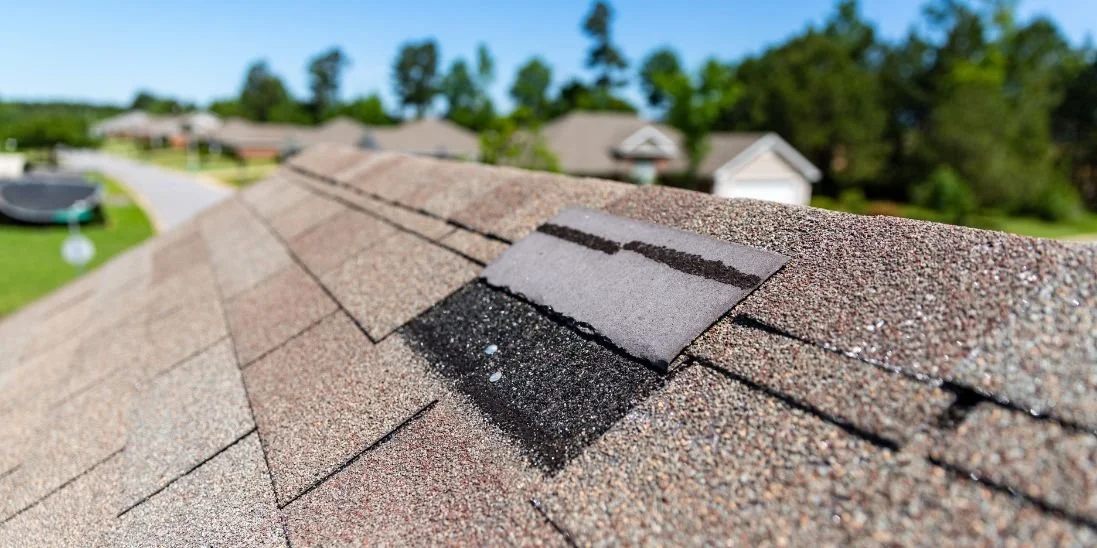
Many parts of your home may require replacement. When shingles go missing on your roof, you should promptly replace them to avoid growing damage.
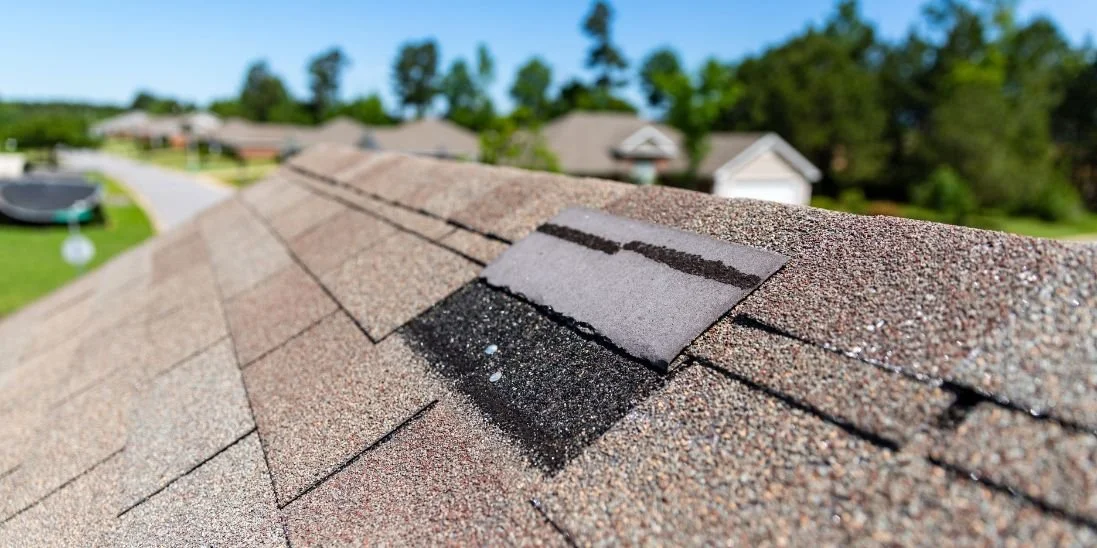
The roof is easily one of the most important parts of our homes but also the most neglected. As a working mom, you have a lot on your plate, including the kids’ schedules, your career, and your household responsibilities. However, it’s vital to keep your roof in mind. Discover the importance of replacing missing shingles on your roof here.
Safety
Ensuring the safety of your home is paramount, and the roof plays a significant role in this. Missing or damaged shingles lead to leaks, which may cause structural damage to your home’s roof and interior due to mold growth. This mold growth also poses health risks to your family.
Damaged or missing shingles are a roof issue you shouldn’t ignore to avoid water damage. Timely replacement of missing shingles is key to maintaining the safety of your home and family. Replace missing shingles to keep the roof durable and block out harmful sources.
Energy Efficiency
Replacing missing shingles contributes to your home’s energy efficiency. Shingles act as a protective barrier, ensuring that heat doesn’t escape during colder months and that cool air stays indoors during warmer seasons.
When shingles are missing or damaged, your home loses its insulation capability, increasing energy consumption. The HVAC system must work harder to maintain a comfortable indoor temperature for you and your family. Consequently, regular roof maintenance, including replacing worn-out or missing shingles, is crucial to optimizing your home’s energy efficiency and minimizing utility costs.
Aesthetic Appeal
Missing or damaged shingles negatively impact your house’s overall look, diminishing its curb appeal. A well-maintained roof with all shingles intact contributes to a neat and well-kept appearance, enhancing your property’s value.
A nice aesthetic benefits you in terms of personal satisfaction and proves advantageous if you ever decide to sell your home. Regular roof inspections and replacing any missing or damaged shingles safeguard your home’s structural integrity and boost its aesthetic appeal.
Longer Roof Lifespan
Replacing missing or damaged shingles extends the lifespan of your roof. Properly installed and maintained shingles form an effective barrier against environmental factors, such as harsh weather conditions, debris, and sunlight, all of which cause wear and tear to your roof over time.
When shingles are missing, the exposed areas of your roof become vulnerable to these elements, resulting in accelerated aging and damage. It’s important to replace missing shingles to prevent additional wear and prolong the lifespan of your roof, saving you from costly repairs and premature roof replacement in the long run.
In conclusion, replacing missing shingles is a crucial aspect of home maintenance that ensures the safety and longevity of your roof. Neglecting this task affects your family. Fortunately, preventative measures ensure everyone has a safe place to rest and relax at the end of the day.

Transforming Spaces: Navigating the World of Home Renovations
Dive into the essentials of home renovations with our comprehensive guide. Learn about planning, trends, budgeting, and how to navigate common challenges to successfully transform your living space.
We partnered with a home improvement company. for this post. The opinions in the post are honest. All reviews and opinions expressed in this post are based on our personal views. We are excited because we know you will love it.
Home renovations can dramatically transform living spaces, enhancing both functionality and aesthetic appeal. Whether you're updating a single room or embarking on a full-scale remodel, navigating the world of home renovations requires careful planning, a clear vision, and an understanding of the latest trends and technologies. This comprehensive guide delves into the essentials of home renovations, offering detailed insights and statistics to help homeowners make informed decisions.
Table of Contents
Introduction to Home Renovations
Planning Your Home Renovation Project
Latest Trends in Home Renovations
Budgeting for Your Renovation
Choosing the Right Contractors
Sustainable Renovations: A Growing Trend
Smart Home Technologies
Common Challenges and Solutions
The Impact of Renovations on Home Value
Conclusion
1. Introduction to Home Renovations
Home renovations involve updating or altering the existing structure and layout of a home to better suit the homeowner's needs, improve energy efficiency, or simply to update the home's aesthetic.
2. Planning Your Home Renovation Project
Define Your Goals: Clearly outline what you hope to achieve with your renovation, whether it's adding more space, updating the design, or improving energy efficiency.
Create a Detailed Plan: This should include design preferences, materials, and a timeline.
Statistic: A well-planned home renovation can offer a return on investment of up to 80%, depending on the project and local market conditions.
3. Latest Trends in Home Renovations
Open Floor Plans: Increasingly popular for their ability to create a more spacious and connected living area.
Eco-friendly Materials: Sustainable renovations are on the rise, with homeowners opting for materials that are both environmentally friendly and durable.
4. Budgeting for Your Renovation
Set a Realistic Budget: Consider all costs, including materials, labor, and any unforeseen expenses.
Finance Wisely: Look into financing options such as home equity loans or personal loans if necessary.
5. Choosing the Right Contractors
Vet Potential Contractors: Ensure they are licensed, insured, and have good references.
Communication is Key: Clear communication with your contractor can significantly impact the success of the project.
6. Sustainable Renovations: A Growing Trend
Energy Efficiency: Upgrades like double-glazed windows and better insulation can reduce energy costs and carbon footprint.
Recycled and Renewable Materials: Bamboo flooring and recycled glass countertops are popular choices.
7. Smart Home Technologies
Incorporating smart home technology during renovations can enhance home security, efficiency, and convenience. Popular additions include smart thermostats, lighting, and home security systems.
8. Common Challenges and Solutions
Budget Overruns: Keeping a contingency fund and closely monitoring expenses can help manage unexpected costs.
Delays: Flexibility and patience are crucial, as delays can occur due to weather, supply chain issues, or labor shortages.
9. The Impact of Renovations on Home Value
While most renovations will increase your home's value to some extent, focusing on key areas like kitchens and bathrooms typically offers the highest ROI.
10. Conclusion
Home renovations are a significant undertaking that can transform your living space and increase your home's value. With careful planning, a clear vision, and the right team, your renovation project can bring your dream home to life.

10 Tips for Building a Website for Your Home Organizing Business
In today's digital age, having a reliable online presence is essential for any business, including your home organizing venture.
In today's digital age, having a reliable online presence is essential for any business, including your home organizing venture.
A website serves as your virtual storefront, providing potential clients with valuable information about your services, showcasing your expertise, and ultimately converting visitors into customers.
Let's explore ten tips to help you build a successful website for your home organizing business.
1. Define the purpose of your website
Before diving into the design and content creation process, it's crucial to clarify the primary purpose of your website. Are you aiming to attract new clients, provide resources for existing customers, or both?
By defining your website's goals upfront, you can tailor your strategy to meet the needs of your target audience effectively. Your audience will also understand what your product or service is all about.
Your website can be a hub for potential clients to learn more about your services, view testimonials, and contact you for inquiries or appointments. Additionally, it can act as a resource center, offering organizing tips, blog posts, and downloadable guides to help visitors tackle their clutter.
2. Choose a domain name that reflects your business
Your domain name is the online address where customers can find your website. The process is simple: go to a domain name registration website, use their search engine, check its availability, and register it through a reputable domain registrar.
Selecting a domain name that is easy to remember, relevant to your home organizing business, and reflects your brand identity is essential. Consider incorporating keywords related to your services to improve your website's visibility in search engine results.
When brainstorming domain names, consider terms potential clients might use when searching for home organizing services. Keep it concise, avoiding hyphens or unnecessary words that could make it difficult to type or remember.
3. Keep the design clean and clutter-free
When it comes to website design, simplicity is key. A clean and clutter-free layout enhances the user experience and conveys professionalism and trustworthiness.
According to Sytian Productions, a web developer philippines company - when making a website, avoid overcrowding your pages with excessive text, images, or animations. Instead, focus on clear navigation, legible fonts, and visually appealing graphics that complement your brand.
Consider the visual hierarchy of your website, ensuring that important information is prominently displayed and easy to find. Use whitespace strategically to guide visitors' eyes and create a sense of balance and clarity.
Test your website on different devices and screen sizes to ensure it looks and functions well across all platforms.
4. Create copy to showcase your services
Compelling copy is essential for communicating the value of your home organizing services to potential clients. Use descriptive language to highlight the benefits of decluttering and organizing spaces, emphasizing its positive impact on individuals' lives.
Clearly outline your services, including residential organizing, downsizing assistance, and home office organization. Incorporate storytelling into your copy, sharing success stories and testimonials from satisfied clients.
Paint a picture of the transformation your services can bring to a home, from chaotic clutter to calm and organized spaces. Use persuasive language to inspire visitors to take action and contact you for their organizing needs.
5. Incorporate contact and booking features
Make it easy for visitors to get in touch with you by incorporating contact forms or clickable email addresses on your website. Additionally, consider integrating online booking features that allow clients to schedule appointments directly through your site.
Streamlining the booking process can improve customer satisfaction and encourage more inquiries. Include a dedicated "Contact Us" page on your website, where visitors can find your phone number, email address, and business hours.
Use clear and concise language to guide them through reaching out to you or inquiring about your products and services, whether to request a consultation, ask a question, or provide feedback.
6. Implement call-to-action (CTA)
Every page of your website should include a clear call to action (CTA) prompting visitors to take the next step, whether contacting you for a consultation or signing up for your newsletter.
Use persuasive language and visually prominent buttons to encourage clicks and conversions. Experiment with different CTAs to see which ones resonate most with your audience.
Consider placing call-to-action's strategically throughout your website, such as at the end of blog posts, on service pages, and in prominent homepage areas.
Tailor your CTAs to match the visitor's stage in the decision-making process, whether they're just learning about your services or ready to schedule an appointment.
7. Add social media buttons
Social media can be a powerful tool for expanding your online reach and engaging with potential clients. Incorporate social media buttons on your website, linking to your profiles on platforms like Facebook, Instagram, and Pinterest.
Encourage visitors to follow you for organizing tips, client testimonials, and behind-the-scenes glimpses of your work. Connect your website to your social media by adding your URL to your posts.
Consider embedding social media feeds directly into your website, allowing visitors to see your latest posts and interact with your content without leaving your site.
Use enticing captions and high-quality images to showcase your expertise and personality, fostering connections with your audience and encouraging them to share your content with their networks.
8. Incorporate a blog section
Maintaining a blog allows you to share valuable content with your audience while showcasing your expertise in home organizing. Use your blog to publish helpful tips, organizing inspiration, client success stories, and updates about your business.
Regularly updating your blog keeps visitors coming back for more and boosts your website's visibility in search engines. Incorporate keywords relevant to your niche to improve your blog's visibility in search engine results and attract organic traffic to your website.
When brainstorming blog topics, consider your target audience's questions and pain points. Write informative and engaging posts that provide practical solutions and actionable advice.
9. Build trust and credibility
Trust is crucial in any business relationship, and your website plays a significant role in establishing credibility with potential clients. Showcase client testimonials, before-and-after photos, and any relevant certifications or memberships.
Transparent pricing information and a professional, well-maintained website also build trust and instill confidence in your services. Display industry certifications or affiliations prominently to reassure visitors of your expertise and professionalism.
Consider creating a dedicated "Testimonials" page on your website featuring quotes and reviews from satisfied clients. Include photographs and brief descriptions of the projects you've completed, highlighting the positive outcomes and transformations achieved.
10. Monitoring and Improve Performance
Once your website is live, monitoring its performance and making ongoing improvements to optimize results is essential. Use website analytics tools to track traffic, engagement, and conversion rates.
Pay attention to user feedback and behavior to identify areas for enhancement, whether it's refining your messaging, tweaking your design, or adjusting your marketing strategy.
Regularly review your website's analytics dashboard to gain insights into how visitors are finding and interacting with your site. Experiment with different strategies and techniques to see what resonates most with your audience and drives the desired outcomes.
Conclusion
Building a website for your home organizing business is a valuable investment that can help you attract new clients, showcase your services, and grow your brand.
By following these ten tips, you can create a professional and effective online presence that sets you apart from the competition and drives business success. Start building your website today and watch your home organizing business thrive in the digital world.

Creative Client Engagement with Recipe Postcards
In today's competitive market, engaging clients uniquely and memorably is vital, especially in industries like real estate. Tools like real estate recipe postcards offer a creative approach to this challenge. These postcards, which combine delightful recipes with practical marketing, provide a distinct way to connect with clients. This article explores practical strategies for using recipe postcards for client engagement, highlighting various ideas to maximize their impact.
We partnered with a home improvement company. for this post. The opinions in the post are honest. All reviews and opinions expressed in this post are based on our personal views. We are excited because we know you will love it.

In today's competitive market, engaging clients uniquely and memorably is vital, especially in industries like real estate. Tools like real estate recipe postcards offer a creative approach to this challenge. These postcards, which combine delightful recipes with practical marketing, provide a distinct way to connect with clients. This article explores practical strategies for using recipe postcards for client engagement, highlighting various ideas to maximize their impact.
Selecting the Right Recipes
The choice of recipes for postcards plays a pivotal role in their appeal. These recipes should be enticing, simple to prepare, and universal appeal to ensure they resonate with a broad audience. Seasonal recipes can mainly capture the essence of the time of year, such as comforting stews for winter or light salads for summer. Including family-friendly or special occasion recipes adds a thoughtful touch, showing clients that their lifestyles and needs are considered. It's also a great idea to vary the type of recipes - from quick breakfast ideas to elaborate dinner recipes - to cater to different cooking interests and skills among clients.
Designing Visually Appealing Postcards
The design element of recipe postcards is crucial for captivating the recipient's interest. High-quality, mouth-watering images of the dishes can instantly draw attention and encourage clients to try the recipes. The layout should be user-friendly, with a clean and precise arrangement of text and images, ensuring the recipe is easy to follow. Brand elements like logos or specific color schemes reinforce brand recognition while keeping the design attractive and professional. Additionally, using fonts and colors that are easy on the eyes can make the postcards beautiful and practical.
Incorporating Local Flavors
Adding a local twist to the recipe postcards can significantly enhance their appeal. Featuring local specialties or ingredients can create a deeper connection with the community and showcase the real estate professional's engagement and knowledge of the area. This strategy personalizes the postcards and promotes local culture and cuisine, which can be especially appealing to clients new to the area or looking to learn more about their community. This approach is a conversation starter and strengthens the bond between the real estate professional and their clients.
Adding a Personal Touch
Personalization makes recipe postcards more than just a marketing tool; it turns them into a channel for building relationships. Including a short message about why a particular recipe was chosen or sharing a personal anecdote related to the dish adds a layer of intimacy. This could be a story about a family recipe, a memorable meal, or a favorite local ingredient. These personal touches invite clients into the real estate professional’s world, making each interaction more meaningful and fostering a sense of trust and familiarity.
Creating Themed Recipe Series
A series of themed recipe postcards can effectively maintain ongoing client engagement. Themes could range from seasonal (like summer grilling recipes) to holiday-specific (such as Thanksgiving sides) or even cuisine-based series (like Italian classics or quick Asian dishes). This ensures a steady communication stream and builds excitement and anticipation for the next installment. Clients may look forward to receiving these postcards, thereby continuously engaging with the brand positively and enjoyably.
Leveraging Social Media for Wider Reach
Complementing recipe postcard campaigns with social media can dramatically increase their impact. Sharing images of the postcards on platforms like Instagram or Facebook or creating hashtags for clients to share their cooking experiences fosters a community dialogue around the campaign. This not only boosts engagement on social media but also enhances the reach and visibility of the brand. Encouraging clients to post pictures of their culinary creations and share their experiences adds an interactive and personal dimension to the campaign.
Measuring the Impact of the Campaign
Assessing the effectiveness of the recipe postcard campaign is key to its success. This can be achieved by tracking client feedback, analyzing social media engagement, or monitoring direct responses and inquiries triggered by postcards. Gauging the campaign's impact helps understand what resonates with the audience and provides insights for future marketing initiatives. It's essential to keep track of metrics such as engagement rates, feedback quality, and any increase in inquiries or business following the campaign.
Conclusion
In conclusion, creatively engaging clients through mediums like real estate recipe postcards offers a unique and effective way to connect and build lasting relationships. Real estate professionals can establish a memorable and engaging presence in their clients' lives by carefully selecting appealing recipes, designing attractive and user-friendly postcards, personalizing content, creating themed series, leveraging social media, and measuring campaign impact. This approach enhances client relationships and fosters brand loyalty and community engagement, making it a valuable strategy in the real estate industry.

