

A resource for those seeking information on organizing and transforming spaces.

Keeping Your Home Heated in the Depths of Winter
As the dark, cold winter nights draw in, many of us retreat to the comfort and warmth of our homes. But what happens when the temperature outside drops below freezing, and even the inside of your home feels like an icebox? Keeping your home heated in the depths of winter can be a real challenge, but it's not impossible. In this article, we'll explore some tips and tricks to help you stay warm and cozy throughout the winter.

As the dark, cold winter nights draw in, many of us retreat to the comfort and warmth of our homes. But what happens when the temperature outside drops below freezing, and even the inside of your home feels like an icebox? Keeping your home heated in the depths of winter can be a real challenge, but it's not impossible. In this article, we'll explore some tips and tricks to help you stay warm and cozy throughout the winter.
Insulate Your Home
One of the most effective ways to keep your home heated during the winter months is by insulating your home. You can add insulation to your attic, walls, and basement to keep your home warm and cozy. In addition, you can install double-paned windows and doors to help keep the cold air out and the warm air in.
Install a Programmable Thermostat
A programmable thermostat is a great investment for homeowners who want to save money on their heating bills. A programmable thermostat allows you to set the temperature in your home in advance, so you don't have to worry about adjusting it manually every time you leave the house or go to bed. By setting the temperature lower when you're away from home or sleeping, you can save money on your heating bills while still keeping your home warm.
Invest in Draft Stoppers and Insulation
Draft stoppers are a cheap and effective way to keep the warm air in and the cold air out. You can purchase draft stoppers for your doors and windows or even make your own with materials like old socks or blankets. It’s also worthwhile to refresh your insulation, especially if your home has been around for over five years. Both wall and ceiling insulation can wear down over the years, both by pests and accidental exposure. Placing draft stoppers around your home can prevent cold air from seeping in and keep your home heated more efficiently.
Don't Forget About Warm Clothing and Blankets
Sometimes, the easiest way to stay warm is by layering up with warm clothing and blankets. When you're lounging on the couch watching TV or working at your desk, throw on your favorite sweater or wrap yourself in a cozy blanket. Not only will you feel warmer and more comfortable, but you'll also save money on your heating bills by keeping the temperature slightly lower.
Consider Alternative Heating Sources
It may be worth considering alternative heating sources if you're struggling to keep your home heated during the winter months. For example, space heaters are modern versions of old-fashioned radiators and are much more mobile and effective, not to mention more compact. You might also consider getting a wood-burning fireplace, though remember that without proper ventilation they can be harmful and that you’ll need to have a good chimney stopper or other block in place when not using it.
Keeping your home heated in winter can be challenging, but it's not impossible. Following these tips and tricks lets you stay warm and cozy throughout the winter without breaking the bank. Remember to insulate your home, install a programmable thermostat, invest in draft stoppers, layer up with warm clothing and blankets, and consider alternative heating sources if necessary. With a little effort and creativity, you can keep your home heated and comfortable all winter long.

Innovative Purlin Roof Designs: A Comparative Study with Conventional Roofs
The evolution of architectural designs has brought forth various innovative approaches to building roofs. Among these, purlin roofs stand out as a testament to modern engineering and design efficiency. Unlike traditional roofing systems, purlin roofs offer unique advantages in terms of structure, installation, and overall performance. This article delves into a comparative study of the purlins roof designs versus conventional roofs, highlighting the innovative aspects that set them apart and establish their effectiveness in contemporary construction.
We partnered with a home improvement company. for this post. The opinions in the post are honest. All reviews and opinions expressed in this post are based on our personal views. We are excited because we know you will love it.

The evolution of architectural designs has brought forth various innovative approaches to building roofs. Among these, purlin roofs stand out as a testament to modern engineering and design efficiency. Unlike traditional roofing systems, purlin roofs offer unique advantages in terms of structure, installation, and overall performance. This article delves into a comparative study of the purlins roof designs versus conventional roofs, highlighting the innovative aspects that set them apart and establish their effectiveness in contemporary construction.
1. Structural Integrity and Load Distribution:
One of the most notable differences between purlin and conventional roofs is their structural integrity. Purlin roofs are designed with horizontal beams supporting the roof deck and evenly distributing loads across the structure. This contrasts with the typical rafter-based design of conventional roofs, where load distribution can be less uniform. The efficient load distribution in purlin roofs minimizes the risk of structural overloads and enhances the building's overall stability.
2. Material Efficiency and Sustainability:
Purlin roofs are often lauded for their material efficiency. They require less material than traditional roofs for the same span and load-bearing capacity, reducing resource usage and construction costs. Moreover, the materials used, typically steel, are recyclable, contributing to the sustainability of the construction. This eco-friendly aspect is less pronounced in conventional roofing, which often relies on more material-intensive methods.
3. Design Flexibility and Customization:
The design of purlins roof allows for greater flexibility and customization than conventional roofs. Purlins can be adapted to various architectural styles and roof shapes, accommodating creative designs and complex geometries. This adaptability is a significant advantage, particularly in projects requiring unique aesthetic or functional elements, where conventional roofing systems might be limiting.
4. Ease of Installation and Time Efficiency:
Another critical advantage of purlin roofs is the ease and speed of installation. Purlins, being lighter and often prefabricated, can be installed more quickly than the heavier components of traditional roofs. This time efficiency is crucial in reducing construction timelines and labour costs, a benefit less attainable with conventional roofing methods that often require more time-consuming and labour-intensive processes.
5. Enhanced Durability and Maintenance:
Purlin roofs are known for their enhanced durability. The materials, such as galvanized steel, resist environmental elements, reducing the risk of damage and deterioration over time. This durability leads to lower maintenance requirements and costs, a contrast to conventional roofs that may require more frequent repairs and maintenance for their material composition and construction methods.
6. Thermal Efficiency and Insulation:
Purlin roofs provide superior thermal efficiency and insulation compared to conventional roofs. The design allows for better airflow and easier integration of insulation materials, contributing to a more energy-efficient building. This aspect is essential in climates with extreme temperatures, where conventional roofs might not provide the same level of thermal efficiency.
7. Adaptability for Modern Technologies:
Finally, purlin roofs are highly adaptable to modern technologies, such as solar panel installations. Their structural design and load-bearing capacity make them ideal for supporting these technologies, unlike some conventional roofs, which may require additional reinforcement. This adaptability is increasingly vital as buildings incorporate renewable energy solutions and smart technologies.
Conclusion:
Purlin roof designs represent a significant advancement in roofing technology, offering benefits surpassing conventional roofs in many aspects. From structural integrity and material efficiency to design flexibility and adaptability to modern technologies, purlin roofs provide innovative solutions to contemporary construction challenges. Their ability to combine aesthetic appeal with functional efficiency makes them a preferred choice for architects and builders aiming for sustainability, durability, and performance. As the construction industry continues to evolve, the adoption of purlin roof designs is likely to increase, setting new standards in roofing efficiency and effectiveness.
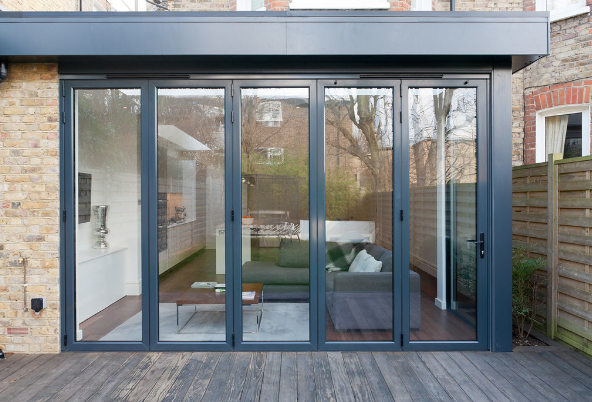
What to Look for When Buying High-Quality Bifold Doors
Bifold doors make a great addition to any home, although are not all created equally. If you plan to install bifold doors in your home, take the time to find a quality product. Spending money on low-quality doors is a waste of your hard-earned money. Cheaply constructed or installed doors cause more headaches than it’s worth, especially when most families can afford the cost of the reasonably priced doors.
We partnered with a home improvement company. for this post. The opinions in the post are honest. All reviews and opinions expressed in this post are based on our personal views. We are excited because we know you will love it.
Bifold doors make a great addition to any home, although are not all created equally. If you plan to install bifold doors in your home, take the time to find a quality product. Spending money on low-quality doors is a waste of your hard-earned money. Cheaply constructed or installed doors cause more headaches than it’s worth, especially when most families can afford the cost of the reasonably priced doors.
The Importance of Quality Bifold Doors
Many homeowners install bifold doors in their homes. The stylish, trendy doors are easy to install and maintain, durable, and long-lasting when you select the right product.
The wrong doors will not last. They may not function correctly, their appearance isn't up to par, and you can expect frequent damage and repairs. Falling in love with a design or style of door is easy, but remember, looks can be deceiving.
A high-quality door is strikingly beautiful now and once after installation in your home. Its beauty will not diminish the second it leaves the factory. The door is safe, secure, energy-efficient, and durable, ensuring your purchase is worth the cost. Quality doors need less maintenance than cheaply constructed doors, last longer, and create a far more appealing style in your home.
When you are shopping for bifold doors, do not rush to purchase the first product that catches your eye.
Take time to research the products that caught your eye. We’ve created the following list
of qualities you should look for when buying your door if you want a product that exceeds expectations.
High-Quality vs. Low-Quality: What to Look for in Your Bifold Doors
Here are things to look out for when selecting your door. Using this information can make a tremendous difference in the quality of bifold doors you choose for your home.
Material Quality
Low-quality bifold doors generally are made from substandard materials like thin aluminum. The materials are susceptible to damage, resulting in poor operation and eventually, expensive repairs.
On the other hand, high-quality bifold doors use materials such as thick aluminum known for its durability, damage resistance, and overall heightened performance.
Aluminum Quality
High-quality doors constructed from high-grade billets provide extra durability. High-grade billets undergo tedious processing and refinement to ensure they exceed quality standards. Poor aluminum quality can lead to leaks or door damage.
Thermal Efficiency
The thermal efficiency, or U-value, refers to the door's ability to keep warm air inside and cold air out in the winter. Thermal efficiency is measured in u-values, or the amount of heat it loses per square foot of material. The lower the u-value, the higher the quality of the product. Opt for a 1.1W u-value when possible.
Powder-Coating Finish
You want a door that creates an attractive style in your home, something unlikely when you pick a low-quality product. Door finishing helps determine whether you’ve selected a quality door.
Doors with rough and rigid surfaces, irregular paint, scratches, or unnecessary marks suggest the product isn’t up to standards. Avoid this product at all costs. Opt for a door with a smooth, consistent finish. Not only is this finish more appealing, but it also signals a quality-made product.
Door Style
Bifold doors provide superior versatility, allowing installation in many areas of your home. Whether you need bifold doors for the patio, a garden, or between rooms, you will find many different styles available.
Among them are Heritage-style bifold doors, an alternative style to traditional French doors that replicate the look of steel doors. Homeowners seeking a unique, head-turning style will adore the heritage-style door option. Operating on a top or bottom track, the heritage-style door panels connect seamlessly, allowing them to open and close with ease.
Energy-Efficiency
Energy-efficient doors keep heat and air inside or outside, depending on the season. Choosing energy-efficient doors can make a tremendous impact on the comfort of your household, as well as the cost of your monthly energy bills.
Hardware
Bifold doors need many different types of hardware to operate, including a track, handle, and hinges. Ensure the hardware on the doors chosen for your home is designed to withstand frequent use for a seamless, long-lasting operation.
Low-quality hardware may compromise the integrity of your door and can lead to significant operational problems, breaks, and other types of damage. Protect your home by choosing doors using quality hardware.
Security
Don’t think bifold doors are insecure and prone to damage or security risks. High-quality doors feature pivotal lock systems and qualities like:
Multi-point locking systems that engage securely when the door is locked
Ensure hinges, tracks, and other hardware are securely attached to the doorframe
Choose laminated or tempered glass that is more resistant to breaking than regular glass panes.
Warranty/Guarantee
Companies that do not offer a warranty or guarantee with their bifold door likely want to sell you a substandard product, especially if the price sounds too good to be true. Always work with companies offering a warranty or guarantee with your doors and their installation process. Kook for a 10-year or better warranty/guarantee on products.
Don't rush to buy doors for your home and regret your purchase. Diligent research using the information above helps direct you toward bifold doors that live up to their expectations and a reputable company eager to turn your home into the elegant property you want.
Are Bifold Doors Right for Your Home?
Bifold doors, particularly the Heritage style, allow homeowners versatility in their design. It is easy to style your home in such a way it becomes the envy of the neighborhood and beloved by your entire household.
The doors work great in many types of homes and spaces, particularly in rooms with large windows and in spaces you need to connect.
Benefits of bifold doors include:
Easy-to-install
Variety of styles, designs, and sizes to accommodate all needs
Affordable with a range of price points
Bifold doors let in plenty of natural light
Create curb appeal
Add value to your property
Saves space, perfect for small homes and rooms
High-quality bifold doors require little maintenance; easy-to-care-for
Long-lasting and durable
The Bottom Line
Bifold doors make a great addition to your home, whether you are starting from the bottom or upgrading a current property. Keep the information provided here in mind as you shop for your new doors, and rest assured you will find high-quality bifold doors that never disappoint.

The Impact of Soil Conditions on Foundations
Are you planning to build a new home, or add an extension to your existing property? If yes, then you must understand the importance of soil conditions. The soil on which your foundation will be built is a deciding factor of the longevity of your property. Soil conditions significantly impact foundations, and ignoring this can lead to costly consequences. Understanding soil conditions is crucial for home owners to make informed decisions about their property investments.
Are you planning to build a new home, or add an extension to your existing property? If yes, then you must understand the importance of soil conditions. The soil on which your foundation will be built is a deciding factor of the longevity of your property. Soil conditions significantly impact foundations, and ignoring this can lead to costly consequences. Understanding soil conditions is crucial for home owners to make informed decisions about their property investments.
Soil Type
The type of soil on which your foundation is built plays an important role in determining the strength and stability of the foundation. The properties of soil types such as clay, sand, and rock differ significantly. These differences can have a profound impact on the foundation of your property. For example, if your property is built on clay soil, then it can cause foundation problems such as structural damage, cracking of walls, or uneven floors.
Moisture Content
The moisture content of soil also has a severe impact on foundations. Moisture can make the soil expand, and when it contracts, it can lead to foundation shifts or cracks. The moisture level of the soil can vary depending on climate conditions. If your property is situated in an area where there is heavy rainfall or flooding, then it is important to take steps to prevent water damage from reaching your foundation.
Depth of Soil
The depth of the soil on which your foundation is built also affects its strength and stability. Generally, the deeper the soil, the stronger the foundation. However, in some cases, deep soil can be unstable, which can lead to foundation problems. The depth of the soil must be checked before starting any construction work to ensure it’s strong enough to hold the foundation.
Soil Compaction
Soil compaction plays a crucial role in ensuring that the foundation of your property is strong and durable. Compaction is the process of compressing the soil before constructing a foundation. Compacted soil provides a stable base for the foundation. Without proper soil compaction, the foundation can shift or crack over time.
Drainage
Drainage is another crucial factor that affects the foundation of your property. Improper drainage can lead to soil erosion, making the soil beneath your foundation unstable. Poor drainage can also cause water to collect around the foundation, leading to water damage. A proper drainage system is essential to protect your foundation from water-related damage. You can learn more information about how poor drainage can cause foundation damage by talking to a professional.
Soil conditions play a significant role in the longevity, strength, and durability of a property's foundation. As a homeowner, it’s important to have a basic understanding of soil conditions before starting any construction work. Checking the soil type, moisture content, depth of soil, soil compaction, and drainage can help ensure a strong foundation for your property. Ignoring these factors can lead to costly consequences, including structural damage and foundation issues. Taking preventative measures and having a solid plan can help homeowners protect their investment and ensure the longevity of their property.

