

A resource for those seeking information on organizing and transforming spaces.
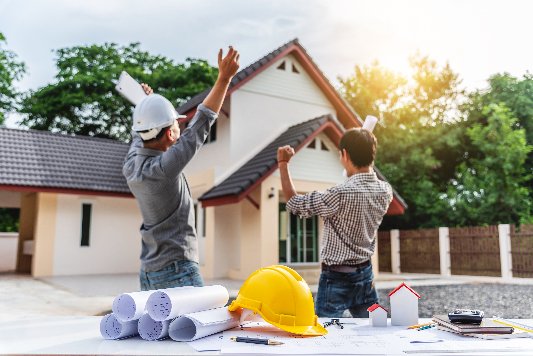
So You Want to Build a House: Where to Start and How to Do It Smart
Building a house can be an exciting but daunting experience, especially for first-time homeowners. You may have a lot of questions running through your mind, like where to start, what materials to use, or how to stay within your budget. To build your dream home successfully, you need to plan, research, and make smart decisions. That's why we're here to provide you with a comprehensive guide on how to build a home and do it smartly. Let's get started!
Building a house can be an exciting but daunting experience, especially for first-time homeowners. You may have a lot of questions running through your mind, like where to start, what materials to use, or how to stay within your budget. To build your dream home successfully, you need to plan, research, and make smart decisions. That's why we're here to provide you with a comprehensive guide on how to build a home and do it smartly. Let's get started!
Define Your Needs and Budget
Before you start building, you should have a clear understanding of what you want and what you can afford. Make a list of your must-haves, like the number of bedrooms and bathrooms, the location, and the style of the house. Then establish a realistic budget that includes all the expenses, such as land purchase, construction costs, permits, and fees. Remember that unexpected expenses may arise, so it's wise to set aside a contingency fund.
It's essential to stick to your budget when building a house, but it can be tempting to go overboard with upgrades and extras. To avoid overspending, prioritize your must-haves and consider what can wait until later. You can also look for cost-saving alternatives, like using energy-efficient materials or opting for simpler designs. Keep in mind that your budget is not just for the construction of your home, but also for furnishing and landscaping. Plan accordingly and make sure to track your expenses throughout the building process.
Find the Right Location and Land
The location of your home is crucial, as it affects your quality of life, accessibility, and resale value. Look for a place with good schools, shops, and amenities, and that suits your lifestyle and needs. Once you find a spot, research the zoning and building regulations to avoid any issues. Consider the land's size, slope, soil type, and drainage, as they can impact the construction process and costs.
If you have doubts about a location, it's essential to do more research and visit the area during different times of the day. You can also talk to neighbors or potential contractors to get their insights on the neighborhood. If you plan on eventually selling your home, consider the resale value in that particular location. Trust your instincts and don't settle for a location that doesn't feel right for you and your family.
Hire the Right Team
Building a house is absolutely not a DIY project, and it requires a team of professionals to make it happen. You need an architect to design the blueprints, a contractor to manage the construction, and a team of tradespeople, such as electricians, plumbers, and carpenters, to handle the specific tasks. Look for experienced and reputable professionals who align with your vision, values, and budget.
When selecting a home builder or contractor, make sure to do your due diligence and thoroughly vet them. Ask for references from previous clients and talk to them about their experience working with the contractor. You can also check online reviews and ratings on reputable websites. Ensure that the contractor is licensed, insured, and bonded. This will protect both you and the contractor in case of any accidents or issues during the construction process. Don't be afraid to ask questions and get everything in writing before signing a contract. A good contractor will have clear communication, transparency, and a solid track record of successful projects.
Choose Quality Materials and Energy-Efficient Systems
Using high-quality materials is not only essential for the durability and safety of the house but can also save you money in the long run. For instance, you may opt for materials that are resistant to weather, fire, and pests, or that have low maintenance, such as vinyl siding, metal roofs, or fiberglass windows. Additionally, consider installing energy-efficient systems, like insulation, solar panels, or geothermal heating and cooling, which can reduce your energy bills and carbon footprint.
When choosing materials for your home, it's important to not only consider the upfront cost but also the long-term value. A good deal on materials means finding a balance between quality and cost-effectiveness. Look for sales, discounts, or bulk deals from reputable suppliers. It's also helpful to compare prices from different suppliers and ask for recommendations from your team of professionals. Keep in mind that cheap materials may end up costing you more in repairs and replacements, so always prioritize quality. Don't be afraid to negotiate prices and don't hesitate to ask for a warranty or guarantee on the materials you purchase.
Stay Involved and Flexible
Communication and collaboration are the keys to a successful project. Stay in touch with your team, ask questions, and provide feedback to ensure that your vision is realized. Be prepared to make adjustments and compromises along the way, as unexpected issues may arise or new ideas may emerge. Remember that building a house is a process, not a one-time event, and you'll need to invest time, effort, and patience to achieve your goal.
It's normal to feel overwhelmed when building a house, as there are many decisions to make and steps to take. To avoid getting overwhelmed, try to stay organized and prioritize your tasks. Make a timeline and checklist of what needs to be done and when, so you have a clear understanding of the process. Don't be afraid to delegate tasks or ask for help from your team or family members. It's also important to take breaks and step back when needed, so you can recharge and come back with a fresh perspective. Remember that building a house is an exciting journey, and with the right mindset and approach, you can make it a smooth and enjoyable experience.
Building a home can be a challenging task, but with the right mindset, information, and team, you can make it a rewarding and fulfilling experience. By defining your needs and budget, finding the right location and land, hiring the right team, choosing quality materials and energy-efficient systems, and staying involved and flexible, you can build your dream home and do it smartly. Don't hesitate to seek advice from experts and resources, and trust your instincts and vision. Your first home is a reflection of your personality, values, and aspirations, so make it the best it can be.

Everything You Should Know About Installing Fiber Optics for Your Home Office
Working from home is the new normal, and every day, more and more people are making the transition. However, to work efficiently from home, you need a reliable and fast internet connection. And that is where fiber optics come into play. In this blog post, we will discuss everything you need to know about installing fiber optics for your home office.
Working from home is the new normal, and every day, more and more people are making the transition. However, to work efficiently from home, you need a reliable and fast internet connection. And that is where fiber optics come into play. In this blog post, we will discuss everything you need to know about installing fiber optics for your home office.
What Is Fiber Optics, and Why Do You Need It?
Fiber optics are thin, flexible strands of glass that transmit data via light signals. Compared to traditional copper or coaxial wires, fiber optic cables have higher bandwidth and faster speed. Fiber optics can transmit data over long distances without losing quality, making it the perfect internet solution for home offices that require high-speed connectivity.
How Much Does It Cost to Install Fiber Optics?
The cost of installing fiber optics for your home office will depend on various factors such as the distance between your home and the nearest fiber optic node, the internet speed you need, and the installation equipment required. On average, installing fiber optics for a home office may cost between $600 to $1000. However, many service providers offer various packages to cater to different needs and budgets, so it is best to shop around for the best deal.
How Is the Fiber Optic Cable Installed?
To install fiber optics for your home office, the service provider will need to lay a cable from the nearest network node to your home. The installation process typically involves digging a trench in your yard or driveway to lay the cable underground. However, instead of traditional trench digging, most service providers use a micro trenching method to minimize the impact on your lawn or driveway. Micro trenching uses specialized microtrench blades to dig a narrow trench install the cable and backfill the trench quickly. The result is a neat and tidy installation with minimal disruption to your landscaping.
What Are the Benefits for Your Home Office?
One of the most significant benefits of fiber optics for home offices is that it offers faster download and upload speeds. This means that you can load web pages and download files much quicker, which is essential for work efficiency. Fiber optics also provides more reliable connectivity, which is less likely to experience lag or downtime. Additionally, fiber optics is more secure than traditional internet solutions, which is crucial for businesses that deal with sensitive or confidential information.
In conclusion, with the ever-increasing demand for high-speed and reliable internet connectivity in home offices, fiber optics emerge as a superior solution. By offering unparalleled download and upload speeds, remarkable reliability, and enhanced security, fiber optic technology is well worth the investment for those looking to boost their productivity and safeguard their business communications. While the initial setup cost and installation process might seem daunting, the long-term benefits and efficiency gains make fiber optics a smart choice for any home office. Don't hesitate to reach out to local providers to see what options are best suited for your needs.

Plumbing Issues to Look Out for During a Home Inspection
Embarking on the exciting journey of purchasing a new home brings with it the anticipation of creating a haven for yourself and your family. Amidst the joy, it's crucial not to overlook the critical aspect of a home's infrastructure—its plumbing system. The last thing any homeowner wants is to discover hidden plumbing issues after the ink has dried on the contract. A thorough plumbing inspection during the home-buying process is your preemptive strike against potential headaches and hefty repair bills. From elusive leaks to outdated piping, understanding the nuances of a home's plumbing is essential.
Embarking on the exciting journey of purchasing a new home brings with it the anticipation of creating a haven for yourself and your family. Amidst the joy, it's crucial not to overlook the critical aspect of a home's infrastructure—its plumbing system. The last thing any homeowner wants is to discover hidden plumbing issues after the ink has dried on the contract. A thorough plumbing inspection during the home-buying process is your preemptive strike against potential headaches and hefty repair bills. From elusive leaks to outdated piping, understanding the nuances of a home's plumbing is essential.
In this comprehensive guide, we will delve into the plumbing issues that savvy homebuyers should be vigilant about during a home inspection. Armed with this knowledge, you'll be better equipped to make an informed decision about your investment and ensure that the heartbeat of your new home—its plumbing—resonates with reliability and efficiency. So, let's unravel the mysteries beneath the surface and empower you with the insights needed to make your home-buying journey a seamless and leak-free experience.
Leaky Faucets and Fixtures
One of the most common plumbing problems found during home inspections is leaky faucets and fixtures. While a small drip may seem insignificant, it can waste gallons of water over time and lead to water damage. During the inspection, check for any signs of leaks around faucets, showers, and toilets, and ensure that all fixtures are properly sealed and functioning correctly.
Clogged Drains and Sewer Lines
Clogged drains and sewer lines are another common issue that can arise during a home inspection. Signs of a clogged drain include slow drainage, gurgling noises, and foul odors emanating from sinks or drains. A professional inspector will assess the condition of the drains and sewer lines to identify any blockages or potential problems that may require attention.
Water Heater Problems
The water heater is an essential component of the home's plumbing system, providing hot water for bathing, cleaning, and cooking. During the inspection, the inspector will check the water heater for signs of corrosion, leaks, or inadequate heating. Additionally, they will assess the age and condition of the water heater to determine if it requires maintenance or replacement.
Pipe Leaks and Corrosion
Leaking pipes and corrosion can cause significant damage to the home's structure and lead to mold growth if left unchecked. During the inspection, the inspector will examine the pipes for any signs of leaks, corrosion, or damage. This includes both visible pipes in the basement or crawl space and hidden pipes behind walls or under floors.
Low Water Pressure
Low water pressure can indicate underlying issues with the plumbing system, such as clogged pipes or inadequate water supply. During the inspection, the inspector will test the water pressure throughout the home to ensure that it meets acceptable standards. If low water pressure is detected, further investigation may be required to identify and address the root cause of the problem.
Conclusion
Being aware of potential plumbing issues during a home inspection is essential for any homebuyer. By recognizing common problems such as leaks, corrosion, and poor water pressure, you can address them early and avoid costly repairs in the future. Remember to utilize a comprehensive home inspection checklist to ensure that all aspects of the plumbing system are thoroughly examined. By taking the time to assess the plumbing during the inspection process, you can make a more informed decision about the property and feel confident in your investment. So, whether you're purchasing your first home or considering a new property, prioritize a thorough plumbing inspection to ensure that your future home is equipped with a reliable and efficient plumbing system.

How Knowing Family Law Can Safeguard Your Home and Future in Divorce Situations
Divorce is a tumultuous journey, filled with emotional upheaval and legal complexities. Navigating this path requires more than just emotional resilience; it necessitates a solid understanding of family law. This knowledge not only empowers you to protect your rights but also prepares you for the intricate legal landscape that lies ahead.
We partnered with a legal company. for this post. The opinions in the post are honest. All reviews and opinions expressed in this post are based on our personal views. We are excited because we know you will love it.
Introduction
Divorce is a tumultuous journey, filled with emotional upheaval and legal complexities. Navigating this path requires more than just emotional resilience; it necessitates a solid understanding of family law. This knowledge not only empowers you to protect your rights but also prepares you for the intricate legal landscape that lies ahead.
Importance of Understanding
Embarking on a divorce without a grasp of family law is like setting sail in stormy seas without a compass. The process involves numerous legal procedures, decisions, and terms that can profoundly impact your future. Understanding the basics of family law equips you with the tools to navigate these challenges, ensuring you make informed decisions that safeguard your interests and those of your loved ones.
Family Law Basics
Family law addresses a wide array of legal matters tied to family relationships, including marriage, divorce, child custody, and support, forming the backbone for understanding your rights and obligations during such transformative periods. It's the domain where frequently asked family law queries find their answers, offering a structure that helps navigate the complexities of divorce proceedings. By delving into these principles, you arm yourself with knowledge, achieving a clearer perspective of the procedural landscape and strategizing your approach with informed confidence.
Knowing Your Rights
Asset Division
One of the most contentious aspects of divorce is the division of assets. Different jurisdictions adhere to different rules — be it equitable distribution or community property laws. Understanding these rules is crucial for a fair settlement. It's about recognizing what you're entitled to and fighting for it, ensuring that the division of assets is just and equitable.
Child Custody
Child custody battles are heart-wrenching, often becoming the epicenter of divorce disputes. Familiarizing yourself with the legal standards, such as the "best interests of the child," can guide you in advocating for custody arrangements that prioritize your children's well-being. Knowledge in this area helps you to construct a compelling case for why your desired custody arrangement serves your children's best interests.
Spousal Support
The issue of spousal support, or alimony, can be complex, hinging on numerous factors like marriage duration, income disparity, and future earning capacity. A solid understanding of how courts determine spousal support can be instrumental in negotiating a fair amount, whether you're the one paying or receiving.
Navigating Divorce
Divorce Process
The divorce process varies widely from one jurisdiction to another, encompassing a range of legal requirements and procedural steps. Understanding these steps — from filing the petition to finalizing the decree — is essential for a smooth navigation through the system. It helps in setting realistic expectations and preparing adequately for each phase.
Initiating Proceedings
Taking the first step in initiating divorce proceedings can be daunting. It involves legal paperwork, serving notices, and possibly dealing with an uncooperative spouse. Knowing how to properly initiate the process can prevent unnecessary delays and legal complications down the line.
Negotiating Terms
Negotiation is a critical skill in divorce proceedings. It’s about reaching a settlement that respects your rights while being fair to the other party. Understanding the art of negotiation, backed by a solid knowledge of your legal standing, can lead to more amicable and satisfactory outcomes.
Ensuring Fair Treatment
Recognizing Unfairness
Recognizing when you're being treated unfairly is key to protecting your rights. This might manifest in biased asset division, unrealistic custody demands, or inadequate spousal support. Being informed enables you to identify discrepancies and injustices, arming you with the evidence needed to challenge them.
Seeking Legal Aid
No matter how well you understand family law, seeking professional legal aid is invaluable. A competent attorney can offer personalized advice, represent your interests, and navigate the legal intricacies that might be beyond your understanding. They're your ally in ensuring fairness and securing a favorable outcome.
Conclusion
Understanding family law is not just about legal preparedness; it's about empowering yourself to face one of life's most challenging experiences. It equips you with the knowledge to protect your rights, make informed decisions, and ultimately, aim for a fair resolution. While the journey through divorce is inherently difficult, being informed turns you from a passive participant into an active advocate for your future. Remember, in the maze of legal proceedings, knowledge is not just power—it's protection.

