

A resource for those seeking information on organizing and transforming spaces.

Making the Most Out of a Starter Home
A starter home is the first step towards owning a dream home for most people. A starter home may not be the perfect house you have in mind, but it is a great investment opportunity, especially for first-time buyers. Owning a starter home is an excellent way to build equity and financial security. While you may have plans to sell this property at some point, it is crucial to make the most out of this investment. In this blog post, we will discuss tips on making the most out of a starter home.
A starter home is the first step towards owning a dream home for most people. A starter home may not be the perfect house you have in mind, but it is a great investment opportunity, especially for first-time buyers. Owning a starter home is an excellent way to build equity and financial security. While you may have plans to sell this property at some point, it is crucial to make the most out of this investment. In this blog post, we will discuss tips on making the most out of a starter home.
Invest in Upgrades
Your starter home may look different from the dream home you wish to own, but you can still make significant improvements to increase its value and appeal. Upgrades like a fresh coat of paint, new light fixtures, updated appliances, and new flooring can make the house more attractive to potential buyers. Also, if it ends up that you want to stay in the home longer than you intended, a full homfull home remodel is never off the table. These upgrades make the home more comfortable and can increase its value, making it a better investment in the long run.
Utilize the Space
While your starter home may not have a lot of square footage, there are still ways to utilize the space. Invest in space-saving furniture and storage options to help organize and maximize the usable living space. A well-organized home feels larger and more inviting, making it more attractive to potential buyers.
Increase Energy Efficiency
As energy costs continue to rise, home buyers place a premium on energy-efficient homes. Upgrades such as energy-saving light bulbs, new windows, smart thermostats, and insulated doors can all help increase a home's energy efficiency, ultimately making it more valuable.
Curb Appeal
First impressions are important, and that's true for your starter home. Simple fixes to enhance your home's curb appeal can significantly impact its value, such as planting flowers, updating the front door, and trimming bushes and trees. By making these simple upgrades, you can make the house more inviting and, therefore, more valuable.
Rent Out Space
If your starter home has an extra bedroom or a finished basement, consider renting out space to supplement your income. This can help offset your mortgage payments and ultimately increase your overall income, making it easier to afford a better home.
Your starter home offers a great investment opportunity, and with the right strategy, you can make the most out of this investment. Upgrades, properly utilizing space, increasing energy efficiency, enhancing curb appeal, and renting out additional space are all simple ways to add value to your starter home and make it more attractive to potential buyers. Whether you plan to sell your starter home shortly or hold onto it for a while, these tips can help ensure you maximize your investment. So, invest wisely and enjoy your starter home while building towards your dream home.

How to Transform Your Home: Exploring Pro Cleaning and Organization Tips
Is your home feeling cluttered and chaotic? Are you struggling to keep up with daily cleaning tasks? If so, this blog post is for you! We will explore professional cleaning and organization tips that will transform your home into a peaceful and tidy space. Whether you are a busy working professional or a stay-at-home parent, these tips are perfect for anyone looking to improve the overall feel and functionality of their living space.
Is your home feeling cluttered and chaotic? Are you struggling to keep up with daily cleaning tasks? If so, this blog post is for you! We will explore professional cleaning and organization tips that will transform your home into a peaceful and tidy space. Whether you are a busy working professional or a stay-at-home parent, these tips are perfect for anyone looking to improve the overall feel and functionality of their living space.
From decluttering techniques to time-saving cleaning hacks, we've got you covered. Here's how to transform your home:
Engage Professionals
One of the best ways to transform your home is by engaging professionals. Hiring a professional cleaning service can save you time and energy, allowing you to focus on other important tasks or simply relax. For instance, Luxury Maids Cleaning Services in New York City have the knowledge, skills, and tools to deep clean your home efficiently and effectively. They can also provide valuable tips for maintaining a clean and organized space.
Additionally, consider hiring a professional organizer to help declutter and optimize your living space. With their expertise, you can create a more functional and aesthetically pleasing home. While this may be an investment, it can greatly improve the overall feel of your home.
Declutter and Donate
Clutter not only takes up physical space but can also affect our mental space. It can cause stress, anxiety, and even hinder productivity. That's why decluttering is a crucial step in transforming your home. Start by going through each room and getting rid of items you no longer need or use.
This can include old clothes, expired products, or excess furniture and decorations. Consider donating these items to those in need instead of simply throwing them away. Not only will you be helping others, but you'll also be creating a more organized and spacious home for yourself.
Create a Cleaning Schedule
Consistency is key when it comes to keeping your home clean and tidy. That's why creating a cleaning schedule is essential. Set aside specific days or times each week for different tasks such as dusting, vacuuming, and laundry. This will help you stay on top of cleaning and prevent tasks from piling up.
You can also delegate tasks to other family members to make it more manageable. Additionally, consider incorporating daily habits such as making the bed each morning or doing dishes after every meal. These small actions can go a long way in maintaining a clean and organized home.
Utilize Organizational Tools
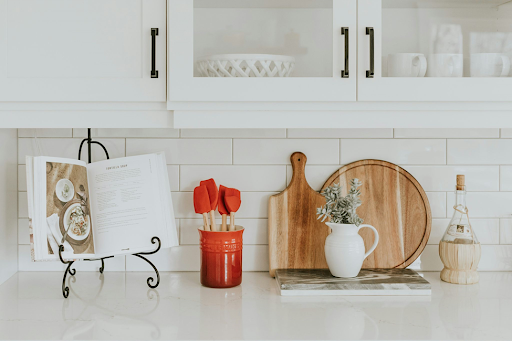
Organization is key to a clutter-free and functional home. Invest in organizational tools such as storage bins, shelves, and closet organizers to help maximize space and keep items in their designated places. Labeling these tools can also make it easier to find what you need quickly.
Be creative with your organization and find systems that work best for you and your home. For example, using a hanging shoe organizer for cleaning supplies or utilizing a pegboard in the garage for tools. These small changes can make a big difference in keeping your home organized and easy to navigate.
By engaging professionals, decluttering and donating, creating a cleaning schedule, and utilizing organizational tools, you can transform your home into a clean, organized, and peaceful space. These tips may require some effort and investment but the end result will be well worth it for a happier and more functional living environment. So why wait? Start implementing these tips today and see the difference in your home!

How much does it cost to remove a tree stump?
Tree stumps can be a major eyesore in any yard. Not only do they take up precious space, but they can also pose potential safety hazards for children and pets who may trip over them. That is why many homeowners choose to have tree stumps removed from their yards.
Tree stumps can be a major eyesore in any yard. Not only do they take up precious space, but they can also pose potential safety hazards for children and pets who may trip over them. That is why many homeowners choose to have tree stumps removed from their yards.
But how much does it cost to remove a tree stump? The answer is not as straightforward as you may think. Several factors can affect the cost of tree stump removal, including the size and location of the stump, the type of tree it came from, and the method used for removal. Here is a breakdown of these factors and how they can impact the cost of removing a tree stump.
Size and Location of the Stump
The size of the tree stump is one of the main factors that determine the cost of its removal. In general, the larger the stump, the more expensive it will be to remove. This is because larger stumps require more labor and equipment to extract and may also take longer to remove, professionals from A-Local Tree Service explain. The location of the stump can also affect the cost. If the stump is located in a hard-to-reach area, such as a backyard with limited access or near a building or other structure, it may require additional labor and equipment to remove safely. This can add to the overall cost of removal.
Type of Tree
The type of tree that the stump came from can also impact the cost of its removal. Some trees have larger and more complex root systems, making them more difficult to remove. Additionally, certain types of trees may require special tools or techniques for removal, which can increase the overall cost.
Method of Removal
There are several methods for removing a tree stump, each with its own associated cost. The most common methods include grinding, digging, chemical application, and burning.
● Grinding: This is the most popular method for removing tree stumps. It involves using a stump grinder to chip away at the stump until it is below ground level. The cost of grinding can vary depending on the size and location of the stump, but it is generally less expensive than other methods.
● Digging: For smaller stumps or those located in easily accessible areas, digging may be a viable option. This method involves using a shovel or other tools to physically remove the stump from the ground. Digging can be a more labor-intensive and time-consuming process, which can make it more expensive.
● Chemical Application: Chemicals can also be used to speed up the decomposition of a tree stump. This method involves drilling holes into the stump and filling them with potassium nitrate, which helps to soften the wood. After several weeks, the stump can be easily removed using an axe or other tools. Chemical application is a more cost-effective method but may take longer to fully remove the stump.
● Burning: Burning is another option for removing a tree stump. This method involves creating a fire on top of the stump and allowing it to burn down into the ground. While this may seem like an easy and inexpensive method, it can also be dangerous and should only be done by professionals.
Additional Factors
In addition to the above factors, there are a few other things that can impact the cost of tree stump removal. These include:
● Roots: If the tree stump has extensive roots, they may need to be removed separately, which can add to the overall cost.
● Clean-Up: Once the stump is removed, there will likely be a hole or pit left in its place. Some companies may charge extra for filling in this hole, so it's important to clarify this with your service provider beforehand.
● Debris Removal: Depending on the method of removal used, there may be debris left behind that will need to be disposed of. This can also add to the cost of removal.

So, how much does it cost to remove a tree stump? The answer ultimately depends on a variety of factors, including size, location, type of tree, and method of removal. It's important to get quotes from multiple service providers and consider all of these factors before making a decision. It's essential to keep in mind that removing a tree stump is not just about the cost. It's also about improving the aesthetics and safety of your yard.
By removing tree stumps, you can create more space for outdoor activities and decrease the risk of accidents. So while the cost may vary, the benefits of removing a tree stump are undeniable. With this information in mind, you can make an informed decision about whether or not to remove that pesky tree stump from your yard. Keep in mind that it's always best to hire a professional for tree stump removal, as it can be a dangerous and labor-intensive task. They have the expertise, equipment, and insurance to safely remove the stump without causing damage to your property. Plus, they can also handle any clean-up and debris removal afterward.
Don't let a tree stump ruin the look of your yard or pose a potential hazard. With this information in mind, you can make an informed decision about whether or not to remove that pesky tree stump from your yard.

Why Pet-Friendly Rental Properties are in High Demand?
In today's evolving rental landscape, one trend stands out prominently: the surging demand for pet-friendly properties. Gone are the days when owning a pet meant limited housing options or hefty pet deposits. Now, more than ever, tenants are seeking accommodation that welcomes their furry companions with open arms. In this exploration, we delve into the reasons behind this burgeoning demand and its implications for both landlords and tenants. From the emotional bonds between humans and animals to the practical benefits for property owners, the rise of pet-friendly rentals is reshaping the rental market landscape. Join us as we uncover the driving forces behind this phenomenon and why pet-friendly properties are not just a preference but a necessity for many renters in today's housing market.
In today's evolving rental landscape, one trend stands out prominently: the surging demand for pet-friendly properties. Gone are the days when owning a pet meant limited housing options or hefty pet deposits. Now, more than ever, tenants are seeking accommodation that welcomes their furry companions with open arms. In this exploration, we delve into the reasons behind this burgeoning demand and its implications for both landlords and tenants. From the emotional bonds between humans and animals to the practical benefits for property owners, the rise of pet-friendly rentals is reshaping the rental market landscape. Join us as we uncover the driving forces behind this phenomenon and why pet-friendly properties are not just a preference but a necessity for many renters in today's housing market.
Changing Perceptions of Pets
Gone are the days when pets were considered mere accessories to households. Today, pets are cherished members of the family, providing companionship, emotional support, and unwavering loyalty. As such, pet owners are unwilling to compromise on their living arrangements and seek rental properties that accommodate their furry friends.
Increased Pet Ownership
The number of pet owners has been steadily rising, with statistics showing that a significant portion of households in the United States own at least one pet. As more individuals and families embrace pet ownership, the demand for rental properties that allow pets has naturally increased.
Longer Tenant Retention
Landlords who welcome pets into their rental properties often experience higher tenant retention rates. Pet owners are more likely to stay in a rental property for an extended period, as they face limited options when searching for pet-friendly accommodations. This translates to fewer vacancies and more stable rental income for landlords.
Expanded Tenant Pool
By opening their doors to pet owners, landlords can tap into a larger pool of potential tenants. With pet-friendly rental properties in high demand, landlords can attract a diverse range of renters, including responsible pet owners who are willing to pay a premium for accommodations that cater to their needs.
Competitive Advantage
In a competitive rental market, offering pet-friendly accommodations can give landlords a significant edge over their competitors. Pet owners are often willing to pay higher rents and adhere to strict pet policies to secure housing for themselves and their furry companions. By catering to this demographic, landlords can maximize their rental income and maintain high occupancy rates.
Emotional Benefits
Pets provide invaluable emotional support to their owners, offering companionship, comfort, and unconditional love. For many individuals, the thought of parting with their beloved pets is unthinkable. Therefore, having the option to live in a pet-friendly rental property allows tenants to maintain their emotional well-being and overall quality of life.
Positive Community Atmosphere
Pet-friendly rental properties often foster a sense of community among tenants, as pet owners bond over shared experiences and common interests. Pet-friendly amenities such as designated pet areas, walking trails, and pet-friendly social events can further enhance the sense of camaraderie among residents.
Conclusion
The increasing demand for pet-friendly rental properties is a reflection of the evolving preferences and needs of today's renters. As more individuals embrace pet ownership as a central aspect of their lifestyle, the demand for accommodation that accommodates furry companions continues to grow exponentially. Property owners who recognize and cater to this demand stand to benefit from higher tenant satisfaction, longer lease agreements, and increased property value. However, it's crucial for landlords to establish clear pet policies to mitigate risks such as unauthorized pet lease violations. By fostering a pet-friendly environment while maintaining guidelines to prevent potential issues, landlords can strike a balance that satisfies both pet-owning tenants and property management objectives. Ultimately, embracing the trend of pet-friendly rentals not only meets the demands of today's renters but also sets the stage for a harmonious and mutually beneficial landlord-tenant relationship in the evolving rental market landscape.

