

A resource for those seeking information on organizing and transforming spaces.
6 Novel Ways to Deal With Heavy Snow
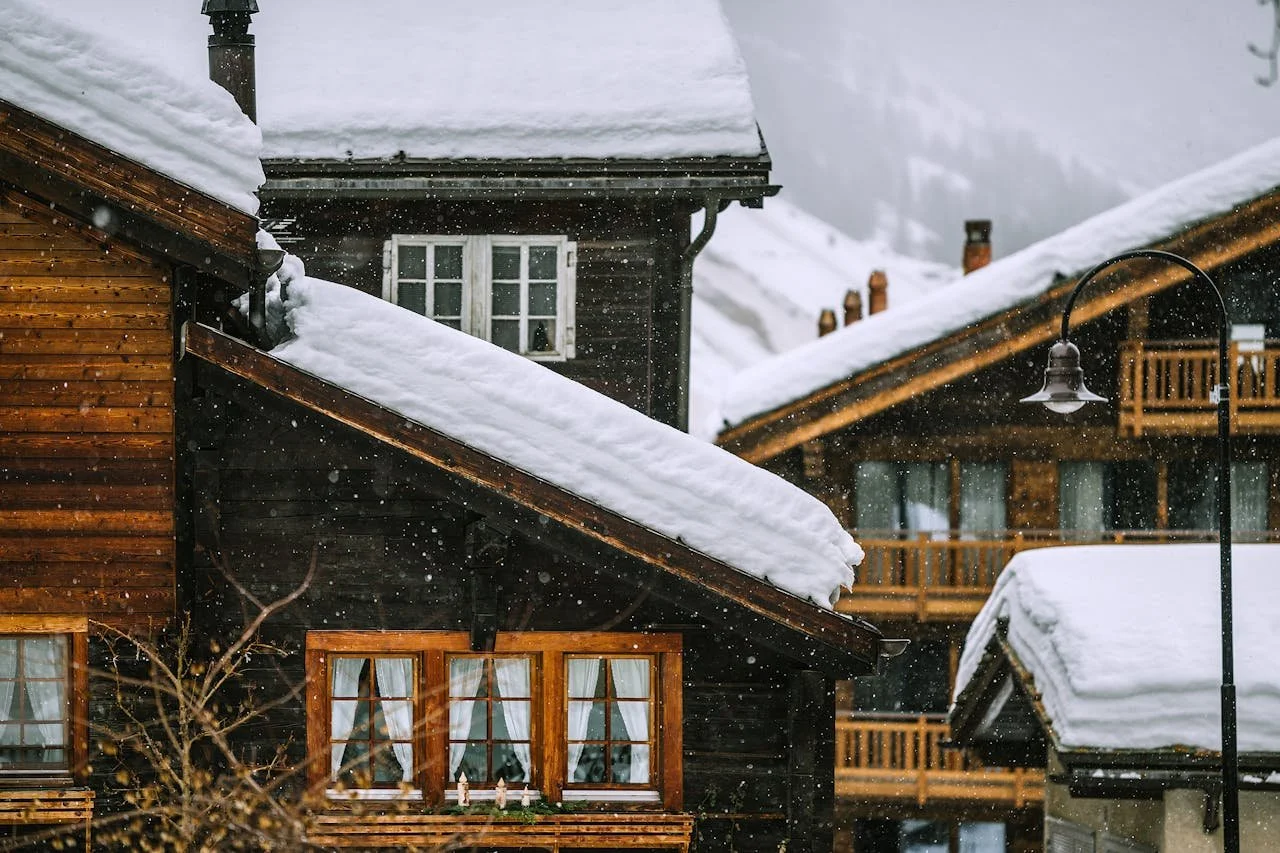
Heavy snowfall can be a beautiful sight, but it also brings a lot of trouble, especially if you have an asphalt roof. The accumulated snow can cause significant damage to your roof and home. When the weather gets colder, it is crucial to take proactive measures to minimize the risk of damage from snow. This blog post is for homeowners looking for tips to deal with heavy snow on their asphalt roofs. Here are six ways that can help you prevent snow damage and protect your property.
Heavy snowfall can be a beautiful sight, but it also brings a lot of trouble, especially if you have an asphalt roof. The accumulated snow can cause significant damage to your roof and home. When the weather gets colder, it is crucial to take proactive measures to minimize the risk of damage from snow. This blog post is for homeowners looking for tips to deal with heavy snow on their asphalt roofs. Here are six ways that can help you prevent snow damage and protect your property.
Clear the Snow Regularly
The easiest and most effective way to prevent the weight of heavy snow from damaging your asphalt roof is to clear it regularly. Use a roof rake to remove the snow, starting from the top and working your way down. Do this after every significant snowfall to prevent excessive accumulation. Make sure to clear the roof as soon as possible after the storm to prevent the snow from hardening and becoming difficult to remove.
Monitor the Ice Dams
During a snowstorm, ice dams can form on the roof's edge, preventing water draining. The water can then accumulate, leading to leaks and damage to the roof and home. You should closely monitor the ice dams and take immediate measures to address them. You can use a special ice-melting product to dissolve the ice or use a roof rake to break it up and remove the ice.
Inspect the Roof Regularly
Regular roof inspections help to identify potential issues early and prevent significant damage. Before winter, have a professional inspect your roof for any existing damage or weakness that can make it more vulnerable to snow damage. The roofer can also recommend preemptive measures to protect your roof from the snow. If you own a home with a metal roof, consider reaching out to a company that specializes in metal roofing, such as Bjorkstrand Metal Roofing. They’ll be able to inspect your roof and provide you with tips for keeping it safe from snow damage.
Ventilate and Insulate the Attic
A well-ventilated and insulated attic can help prevent the formation of ice dams and reduce the risk of roof damage from heavy snow. Proper insulation prevents heat from escaping from the house, reducing the likelihood of snow melting and refreezing on the roof. Insulate the attic floor and walls and install ventilated soffits to ensure proper air circulation.
Trimming Overhanging Branches
Overhanging branches can be a significant problem during heavy snowfall. The weight of the snow can cause them to break and fall onto the roof, leading to damage. Trim any overhanging branches near the roof and remove any dead or diseased trees that pose a risk to your home.
Hire a Professional Snow Removal Company
If you cannot remove the snow yourself or don't want to take any risk, you can hire a snow removal company. They have the expertise and equipment to safely remove snow from your roof without causing any damage. Make sure to hire a reputable company with experience in snow removal and ask them for tips on keeping your roof safe.
Dealing with heavy snow on your asphalt roof requires careful planning and proactive action. The above tips can help prevent damage and protect your property from the harmful effects of heavy snow. Remember to monitor the snow accumulation, clear the roof regularly, inspect the roof for damage, ventilate and insulate the attic, trim overhanging branches, and hire a professional snow removal company if necessary. Stay safe, and happy winter!

5 Tips for Attic Leaks: How to Keep Your Home Safe and Dry
Attic leaks can be a homeowner's nightmare. It can lead to damage to your roof, insulation, and even cause structural problems to your home. That's why it's important to address any signs of attic leakage as soon as possible, before the problem becomes worse. If you're dealing with attic leaks, don't worry. Here are five tips to help you fix the problem and prevent it from happening again.
Attic leaks can be a homeowner's nightmare. It can lead to damage to your roof, insulation, and even cause structural problems to your home. That's why it's important to address any signs of attic leakage as soon as possible, before the problem becomes worse. If you're dealing with attic leaks, don't worry. Here are five tips to help you fix the problem and prevent it from happening again.
Find the Source of the Leak
The first step towards addressing an attic leak is finding the source of the problem. Sometimes the problem might not be an actual leak, but rather, a condensation issue that leads to water buildup within the attic space. Check for any visible signs of moisture or water stains to determine the source of the leak. Once you have found the source of the problem, you can take the necessary steps to fix it.
Inspect and Repair Your Roof
If the source of your attic leak is from your roof, inspect the area thoroughly for visible signs of damage or wear and tear. Look for missing or damaged shingles, cracks, and holes. These can easily be repaired by replacing the affected shingles or repairing the damaged areas with roofing cement. It's also a good idea to clean out your gutters and downspouts to prevent debris build-up, which can also contribute to attic leaks. If the roof repair is beyond what you can manage yourself, call in professionals.
Check Your Attic Insulation
Attic leaks can also be caused by poor insulation. Check your attic insulation to make sure it is installed correctly and covers your entire attic space. Adding insulation to areas where it’s thin or missing could help prevent future leaks. Proper insulation can also save you money on your heating and cooling costs, so it’s worth checking.
Ventilate Your Attic
Another way to prevent attic leaks is to make sure your attic is properly ventilated. Proper ventilation helps regulate the temperature and humidity levels in your attic, which can prevent moisture buildup. You can add ventilation fans, roof vents, or even both to help with ventilation and prevent attic leaks.
Call a Professional
If you’re not comfortable with inspecting and repairing an attic leak yourself, it's always best to call a professional. A professional roofing contractor can help you identify the problem and provide a solution that fits your needs and budget. Remember, it’s always better to fix the problem sooner rather than later to prevent any further damage to your home.
Attic leaks can cause more damage than you may think. That's why it's important to take action as soon as possible once you notice any signs of attic leakage. Finding the source of the leak is the first step, followed by inspecting and repairing your roof, checking your insulation, ventilating your attic, and if need be, calling a professional. Follow these five tips to keep your home safe and dry, even in the rainiest of seasons. Remember, a dry home is a happy home!
5 Ways to Prepare for Your Roof to Be Serviced
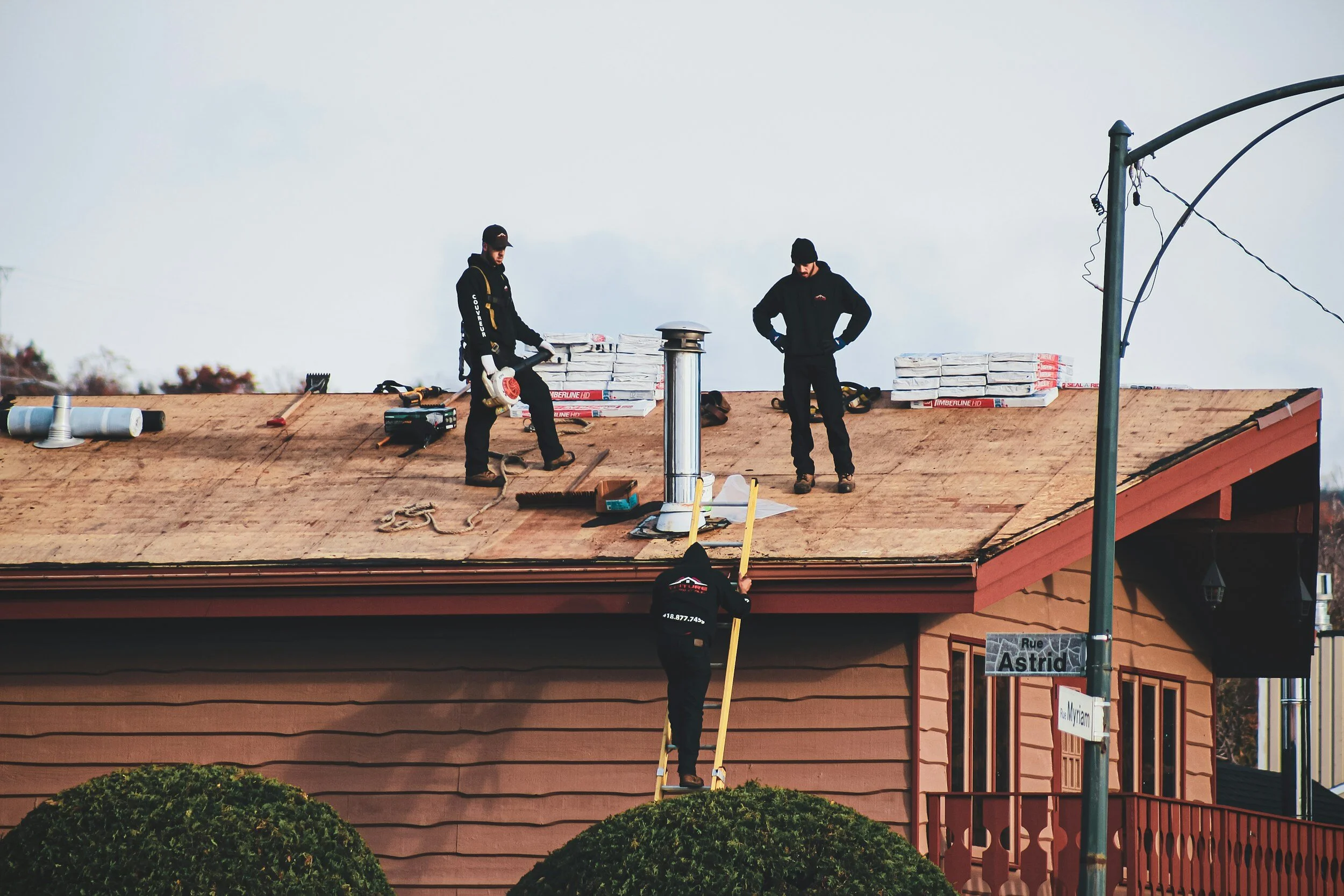
As a homeowner, it's important to keep your roof in top condition. Routine maintenance is key to extending the lifespan of your roof, avoiding costly repairs, and ensuring your home stays protected from the elements. Here are five ways to prepare for your roof to be serviced.

As a homeowner, it's important to keep your roof in top condition. Routine maintenance is key to extending the lifespan of your roof, avoiding costly repairs, and ensuring your home stays protected from the elements. Here are five ways to prepare for your roof to be serviced.
Research Roofing Companies
Before hiring a roofing company, do your research. Do they have a good reputation? Have they been in business for a long time? Are they licensed and insured? You want to make sure you are hiring a reputable company such as Brown's Roofing and others that will provide quality service.
Clear the Area Around Your Home
Make sure the area around your home is clear of debris and obstacles. This will make it easier for the roofing crew to access your roof and work efficiently. Move any furniture or plants that may be in the way and trim any overhanging branches.
Discuss the Scope of Work With Your Contractor
Make sure you discuss the scope of work with your roofing contractor before they start. This will help you understand what to expect and what preparations you may need to make. For example, if they will be power washing your roof, you may want to cover any outdoor furniture or plants.
Prepare for Noise
Roofing work can be noisy, especially if they need to use power tools. You may want to let your neighbors know that you will be having work done on your roof. If you have pets, it may be a good idea to keep them inside during work.
Be Prepared for the Weather
Roofing work can be weather dependent, so be prepared for delays if it's raining or snowing. If you are having your roof serviced during a hot summer day, be sure to provide plenty of water for the roofing crew. If the weather is cold, they may need access to power to keep their tools from freezing.
Taking these steps will help ensure a successful roofing service. By preparing your home and communicating with your roofing contractor, you can help make the process go smoothly and ensure your home stays in good condition for years to come.

Eco-Friendly Brews: The Rise of Sustainable Paper Cups
In recent times, there has been a growing focus on sustainability and friendly practices across various industries. This trend has also made its way to the coffee industry, where there is a push to find alternatives to single-use plastic cups that are commonly used for takeaway beverages. One promising solution that has gained traction is the adoption of paper cups. In this post, we will delve into the increasing popularity of paper cups and their potential positive impact on the environment.
We partnered with a home inspection company for this post. The opinions in the post are honest. All reviews and opinions expressed in this post are based on our personal views. We are excited because we know you will love it.

In recent times, there has been a growing focus on sustainability and friendly practices across various industries. This trend has also made its way to the coffee industry, where there is a push to find alternatives to single-use plastic cups that are commonly used for takeaway beverages. One promising solution that has gained traction is the adoption of paper cups. In this post, we will delve into the increasing popularity of paper cups and their potential positive impact on the environment.
The Environmental Impact of Plastic Cups
Plastic cups have long been a choice for enjoying our drinks while on the move. However, this convenience comes at a cost. Most plastic cups end up in landfills or as litter, taking hundreds of years to decompose. During their decomposition process, they release chemicals into the soil and water systems, posing a threat to wildlife and ecosystems. Additionally, the production of plastic cups contributes to environmental pollution, as it relies on fossil fuels and releases greenhouse gases. The widespread use of single-use plastic cups also exacerbates the global plastic waste crisis, further emphasising the need for sustainable alternatives to reduce our ecological footprint.
Sustainable Paper Cups: A Greener Alternative
As consumers become more conscious about their footprint, there is a growing interest in finding eco-substitutes for plastic cups. Sustainable paper cups from reputable companies like Bulk buys present a solution that helps reduce the environmental consequences associated with traditional disposable cups.
1. Raw Materials & Production Process
When it comes to making paper cups, we usually use sourced wood pulp or recycled paper fibres. These materials have a carbon footprint compared to plastic made from fuels.
Moreover, manufacturers of paper cups prioritise eco-friendly production processes. They avoid using chlorine-based bleaching techniques and opt for water-based adhesives of petroleum-based waxes and glues commonly found in traditional disposable cups.
2. Biodegradability & Compostability
One of the benefits of paper cups over plastic ones is their ability to biodegrade and compost. Paper is a material derived from trees, which makes it easier for nature to break down through decomposition processes.
In addition to being biodegradable, many sustainable paper cups can also be composted under certain conditions. They can be transformed into nutrient compost that supports plant growth, closing the loop and reducing waste.
3. Renewability & Recyclability
Paper is a resource, and responsible forestry practices ensure that trees are replanted to manage our ecosystems. By using paper cups made from sourced materials, we contribute to protecting our forests and ensuring their long-term conservation.
Not all paper cups can be recycled because some have coatings or food residues that contaminate them. However, advancements in technology now allow us to separate these components and recycle the paper fibres. This is made possible by the development of recycling facilities specifically designed for paper cup recycling, which helps in reducing waste.
4. The Role of Certification & Collaboration
Certification and collaboration play a role in ensuring the integrity and sustainability of paper cups. Certification standards like the Forest Stewardship Council (FSC) or Program for the Endorsement of Forest Certification (PEFC) provide assurance that materials used meet sourcing benchmarks.
Collaboration between coffee shops, consumers and cup manufacturers is vital in driving change within the industry. Coffee shops can commit to getting rid of single-use plastic cups. Actively promote options or transition entirely to sustainable paper cups. Consumers can prioritise businesses that offer alternatives, thereby creating a demand for eco-friendly practices.
In conclusion, the increasing use of paper cups in the coffee industry marks a step towards reducing the environmental impact caused by single-use plastics. These cups come with sourcing, biodegradability, compostability, renewability and recyclability features, making them a promising alternative.
By implementing practices and fostering collaboration among all parties, this transformation brings us closer to preserving our ecosystems. The benefits of this shift will extend to generations both in terms of implications and the social agreements it generates. Research findings and statistical data on adoption supported by evidence from sources indicate that our planet would greatly benefit from such initiatives. So, let's join hands in embracing these initiatives together and take a step towards a more sustainable future.

