

A resource for those seeking information on organizing and transforming spaces.
Reasons to Reach Out to a Contractor for Repairs and Remodels
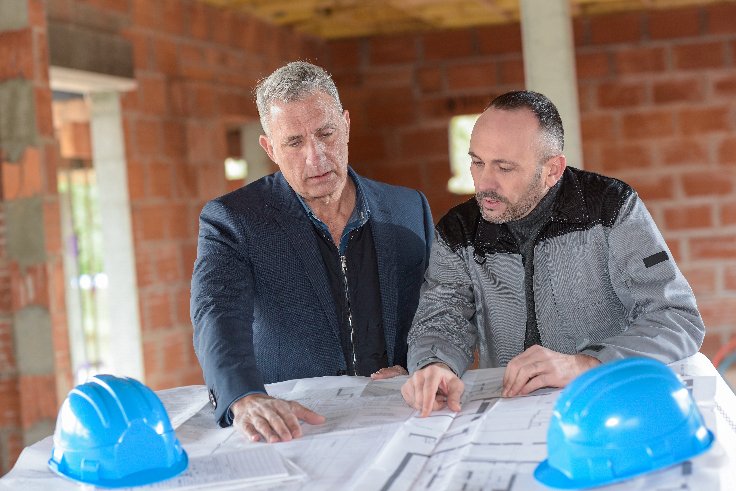
When it comes to repairs and remodels for your home, it can be tempting to take on the task yourself. However, enlisting the help of a contractor offers many benefits that can make the process smoother, more cost-effective, and less stressful. From their expertise and experience to liability coverage and project management skills, contractors provide valuable services that ensure your home is in good hands. In this article, we will discuss the top reasons why reaching out to a contractor for repairs and remodels is a smart choice for any homeowner. Whether you have a small fix or a large renovation project, hiring a contractor can save you time, money, and potential headaches in the long run.
When it comes to repairs and remodels for your home, it can be tempting to take on the task yourself. However, enlisting the help of a contractor offers many benefits that can make the process smoother, more cost-effective, and less stressful. From their expertise and experience to liability coverage and project management skills, contractors provide valuable services that ensure your home is in good hands. In this article, we will discuss the top reasons why reaching out to a contractor for repairs and remodels is a smart choice for any homeowner. Whether you have a small fix or a large renovation project, hiring a contractor can save you time, money, and potential headaches in the long run.
Expertise and Experience
Contractors are licensed and trained professionals who have the knowledge and experience to handle a wide range of repairs and remodeling projects. They have the necessary skills to evaluate your home's current condition, provide recommendations, and execute the work efficiently and effectively. With their expertise, you can trust that your home will be in good hands and that the repairs or remodels will be done to a high standard.
Cost Savings
Many homeowners may try to handle repairs themselves in an attempt to save money. However, this can often end up costing more in the long run if mistakes are made or the project is not completed correctly. Contractors have access to wholesale materials and can get discounts on supplies, which can help lower the overall cost of the project. They also have the tools and equipment necessary to complete the job efficiently, saving you time and money.
Liability Coverage
One of the biggest benefits of hiring a contractor for repairs or remodels is that they are insured. This means that if any accidents or damages occur during the project, their insurance will cover it. If you were to attempt the repairs yourself and cause damage to your home, you would be responsible for covering the costs. By hiring a contractor with liability coverage, you can have peace of mind knowing that you are protected in case of any unforeseen circumstances.
Help in Decision Making
In addition to their technical expertise, contractors like Lindin Design & Company also have experience in design and can provide valuable input and advice when it comes to remodeling projects. They can offer suggestions for layout changes, materials, and finishes that will not only improve the functionality of your home but also enhance its aesthetic appeal. With their help, you can make informed decisions about the design of your remodel and ensure that the end result meets your vision and needs.
Project Management
Remodeling projects can be complex and require various tradespeople, such as plumbers, electricians, and carpenters. As a homeowner, it can be overwhelming to coordinate all of these different professionals and make sure the project stays on track. By hiring a contractor, you can have peace of mind knowing that they will handle all aspects of the project, including managing subcontractors and ensuring that everything is completed on time and within budget.
Handle More Dangerous Jobs
When it comes to repair and remodeling projects, safety should be a top priority. Some jobs may appear simple on the surface but can be incredibly dangerous for an amateur to attempt without the proper training and equipment. Electrical work and roof repairs are two examples of projects that should only be handled by professionals with the knowledge and resources to complete them safely. By leaving these types of jobs to the experts like the roofers at Baypoint Roofing, homeowners can avoid potentially costly and dangerous mistakes while ensuring that their home remains a safe and secure place to live.
Available for Fixes Big and Small
Contractors are equipped to handle both large and small projects, making them a reliable resource for jobs big or small. Especially when it comes to repairs, you or your family might not be fully equipped to handle it yourself. Whether it's fixing a leaky faucet or completely renovating your kitchen, someone like a handyman service, such as American Handyman Service, has the skills and resources to tackle any job, no matter how big or small. This makes them a convenient and versatile option for homeowners looking to make improvements or repairs to their homes.
Reaching out to a contractor for your repair and remodeling needs offers many benefits. From their expertise and experience to cost savings, liability coverage, and project management skills, contractors provide valuable services that can help improve the condition and value of your home. So next time you need a repair or remodel, consider hiring a contractor for a hassle-free and high-quality solution.

From Well to Tap: The Complete Guide to Connecting Your Home to a Water Line Service
Discover everything there is to know about water supply and learn the ins and outs of various water source choices, installation techniques, and upkeep advice to ensure a consistent water supply in your home.
We partnered with a home improvement company for this post. The opinions in the post are honest. All reviews and opinions expressed in this post are based on our personal views. We are excited because we know you will love it.

Discover everything there is to know about water supply and learn the ins and outs of various water source choices, installation techniques, and upkeep advice to ensure a consistent water supply in your home.
Understanding Your Water Supply Options
It's important to know your alternatives when it comes to setting up the water supply in your house. Drilling a well on your land or connecting to the city's water system are your two major options.
City water has controlled quality and is dependable, but it costs money each month. Conversely, well water implies self-sufficiency and some cost savings, but it needs to be regularly maintained and purified. To determine the best option for your house, take into account elements like water quality and price.
Well Water
Using well water for home use has advantages and disadvantages. In general, well water tastes nicer and doesn't include the chemical additions that are present in city water. Long-term financial savings are also possible because there won't be any monthly bills.
On the other hand, routine maintenance is necessary for a well water system, and this includes testing for impurities like minerals and germs to ensure water is safe to drink. The initial setup expenses might be high and can change significantly depending on the equipment required and the depth of the drilling. Many homeowners value the independence and purity of well water despite these factors.
Pros:
Well water often tastes better and lacks chemical additives.
Potential long-term cost savings as there are no monthly bills.
Independence from municipal water systems gives you control over your supply.
Cons:
Regular maintenance is necessary, including testing for contaminants.
Initial setup costs vary widely, ranging from $3,000 to $15,000 or more.
Municipal Water
Residential water needs are often met by municipal water, which is supplied by local governments. It is renowned for its dependability, providing a consistent water supply under the supervision of local authorities. It is straightforward to connect to this water supply since existing infrastructure may be readily connected to dwellings without the need for drilling or additional equipment.
Households get monthly bills including water usage and service fees, thus this convenience comes with a cost. Even though municipal water is treated for safety, chemical additions raise questions about possible health effects. Municipal water is more popular among homes because of its controlled quality and ease of access, even with these disadvantages.
Pros:
Consistent supply regulated by authorities.
Easy connection without specialized equipment.
Water undergoes treatment for safety.
Cons:
Monthly bills for usage and service fees.
Limited autonomy over quality.
May contain chemical additives.
Evaluating Your Needs
When it comes to choosing your water supply, take time to evaluate your specific needs. Consider factors like budget, how much water you use, and whether you prefer more independence. By carefully assessing these aspects, you can determine the best option that aligns with your wants and necessities, ensuring a choice that suits your household perfectly.
Preparing for Water Line Installation
Getting ready for the water line to house installation involves several important tasks. Start by finding the best location for the line, making sure it's easily accessible and meets local regulations. Obtain any required permits and mark underground utilities to prevent accidents. Clear the installation path and dig the trench properly to ensure a smooth process.
Legal and Environmental Considerations
There are significant environmental and regulatory considerations when selecting and constructing a water line. This entails getting permission, adhering to zoning laws, and meeting building codes. Preserving natural habitats, avoiding soil erosion, and causing the least amount of disturbance to ecosystems during installation are all crucial environmental considerations. For sustainability and public health protection, it is essential to take into account possible effects on groundwater quality and surrounding water sources.
Selecting the Right Materials
Durability Matters
Opt for materials like PVC, copper, or PEX known for their resistance to corrosion and environmental wear.
Cost Consideration
Balance upfront expenses with long-term durability and maintenance needs.
Compatibility Check
Ensure chosen materials work well with existing plumbing systems and meet local regulations.
Flexibility Advantage
Flexible options like PEX ease installation and resist freezing, reducing leak risks.
Water Quality Priority
Choose materials that maintain water quality and minimize contamination risks.
Choosing a Contractor
Selecting the best contractor for water line installation is a crucial decision. Give priority to certified experts with subsurface utility knowledge. To assess dependability, look over their employment history and ask for recommendations. Make sure they offer guarantees for their services and are insured. A good partnership requires open communication regarding budgets and schedules.
The Installation Process
Trenching, pipe laying, connecting to the main line, and comprehensive testing to guarantee correct performance are all part of the installation procedure.
Step-by-Step Guide
Plan and Permit
To begin, determine the water line's path and obtain the necessary permits from the relevant municipal authorities.
Excavation
Following the intended path, dig a trench that is deep enough and slopes appropriately to provide adequate drainage.
Installing the pipe involves laying it in the trench and connecting it to the main water supply.
Fittings and Valves
Install shut-off valves and other required fittings at the proper intervals throughout the line.
Testing
Carry out exhaustive testing to make sure the system has enough water pressure and to look for leaks.
Backfill
To keep the pipe in place, fill the trench with dirt and compact it.
Maintenance
To ensure the water line's longevity and efficiency, check it for leaks regularly and test the water's quality.
DIY Considerations
Level of Skill
Assess your plumbing knowledge and experience honestly before beginning a do-it-yourself water line installation.
Safety first
Take steps to identify and reduce any potential risks to your own and everyone else's safety.
Regulatory Awareness
Learn about the permit requirements and local building codes that apply to these kinds of installations.
Equip Yourself
Ensure that you have the tools and equipment you need, or that you can obtain them.
Cost-Benefit Analysis
Balance the possible financial savings against the mistakes and damage that come with do-it-yourself initiatives.
After Installation: Ensuring Quality and Maintenance
Water Quality Testing and Treatment
Important duties like water quality testing and treatment are part of the ongoing upkeep that comes with constructing a water connection. Water safety is ensured by routine testing, which finds any impurities. Filtration and chemical treatment are two examples of treatment techniques that deal with problems like microbial growth and sedimentation to provide clean, safe water for domestic consumption.
Regular Maintenance Tips
Check for Leaks
Continually look for any indications of leaks in pipes, joints, and fittings.
Monitor Pressure
Pay attention to the water pressure to identify any possible problems, such as leaks or obstructions.
System Flush
To preserve water quality and get rid of sediment accumulation, flush the system regularly.
Examine and Replace Components
To avoid malfunctions, examine and replace any worn-out or broken parts.
Conclusion
As we come to a close, it is evident that choosing, installing, and maintaining a water line is a complex procedure. Whether choosing a private well or municipal water, careful planning, following rules, and routine maintenance are essential. In the end, putting safety, effectiveness, and water quality first guarantees that every home has a consistent supply of clean water..
The Importance of Updating Your Home's Water Heater
Unearthing the potential of water heaters can revolutionize household management, yet this aspect often goes unnoticed. This article delves into the significant impact that updating your water heating system can have, from increasing energy efficiency to realizing long-term cost savings. Insight into these cutting-edge developments sheds light on the crucial benefits of modernizing everyday home appliances.
Unearthing the potential of water heaters can revolutionize household management, yet this aspect often goes unnoticed. This article delves into the significant impact that updating your water heating system can have, from increasing energy efficiency to realizing long-term cost savings. Insight into these cutting-edge developments sheds light on the crucial benefits of modernizing everyday home appliances.
Effortless Efficiency
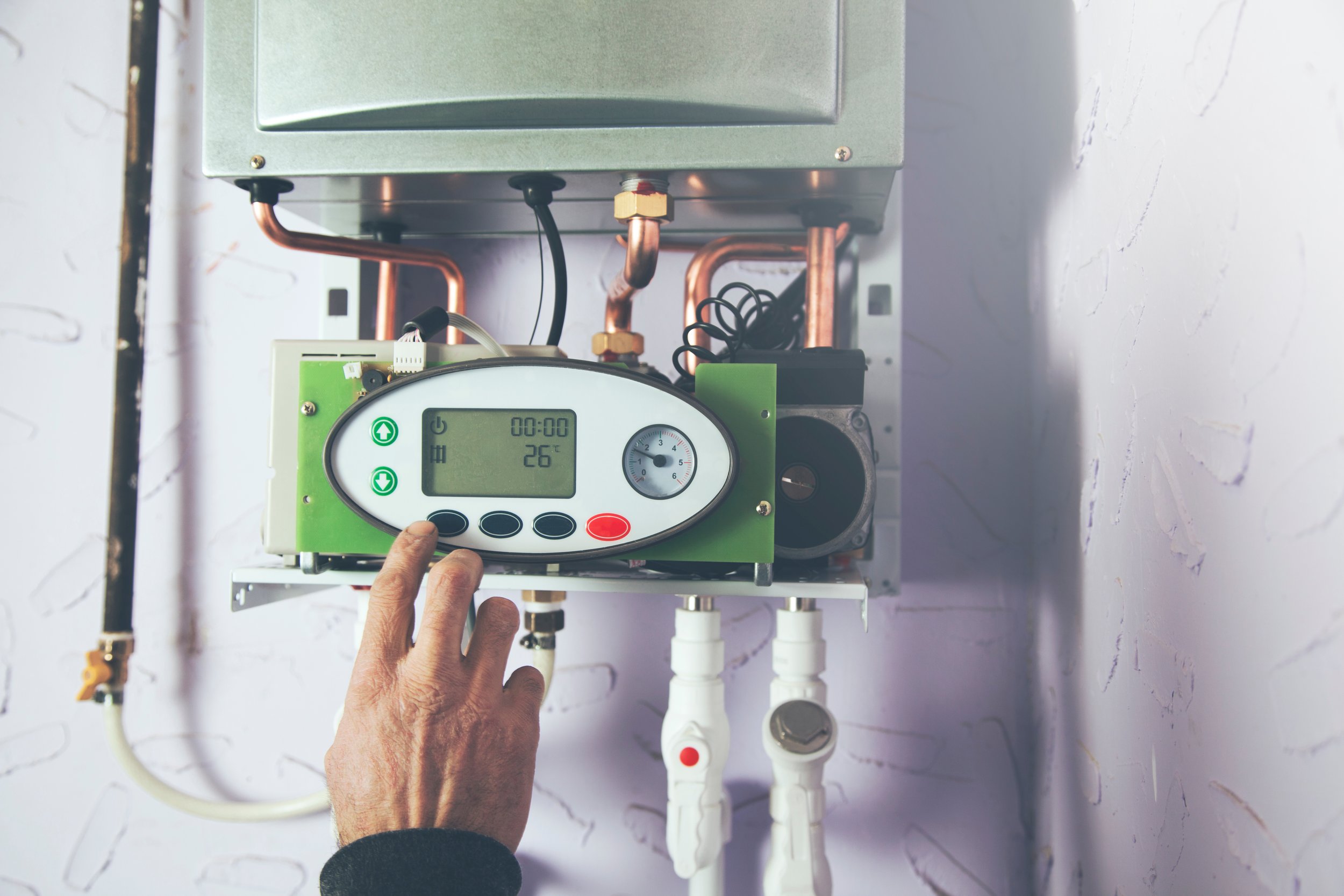
Modern water heaters are a great example of the strides made in energy efficiency, designed to minimize waste and reduce utility bills. They offer significant advancements, such as on-demand heating, ensuring hot water is available precisely when needed without the extra cost of keeping a tank warm. Additionally, with technological improvement and cutting-edge systems, new heaters come with enhanced longevity, withstanding the rigors of daily use better than their outdated counterparts. Homeowners benefit from the dual rewards of eco-friendliness and economy, allowing for a more sustainable household.
Risks of Outdated Water Heaters
Older water heaters not only operate below current energy efficiency standards, but they also pose significant safety risks. Over time, old units can develop issues such as rust and sediment buildup, leading to potential water contamination and performance inconsistencies. In severe cases, the structural integrity of an outdated water heater can decay, risking water damage to a home and even potential gas leaks in units fueled by natural gas. It's therefore critical for homeowners to regularly inspect their units and consider an upgrade to protect against these latent hazards.
Environmental Benefits
Update strategies for water heating systems not only contribute to monetary savings but also help in reducing one's carbon footprint. Innovations have led to systems that are both environmentally friendly and energy-efficient, ensuring users can meet their domestic needs responsibly. By upgrading to an eco-conscious model, homeowners participate in the global effort to cut down greenhouse gas emissions, an essential step toward a more sustainable future. With these contemporary solutions, individuals empower themselves to make a positive impact on the environment without compromising on the comforts of home.
Long-Term Savings
Long-term savings from modern water heaters transcend the initial purchase and installation investment. Homeowners discover that, over time, these advanced systems compensate for their upfront costs with persistent reductions in energy bills. By utilizing energy more effectively and operating only when necessary, these innovative appliances significantly decrease operational expenses. Moreover, the reduced need for maintenance and the infrequency of replacements due to increased durability offer additional advantages. Thus, the transition to modern water heating systems aligns not only with environmental sustainability but also with judicious financial planning.
In conclusion, the evolution of water heaters presents a compelling case for homeowners to evaluate and upgrade their home appliances. By working with professional installation companies, like Universal Heating and Plumbing, you'll be able to take advantage of all the benefits that come with a modern water heater. The latest advancements offer not only economic and performance benefits but also contribute positively to environmental conservation. Ensuring the safety and efficiency of one’s household demands a proactive approach to home maintenance, and updating to a modern water heater is a key step in this process. Embracing these innovative solutions positions individuals as responsible consumers and stewards of both their personal spaces and the broader ecosystem. Homeowners stand to gain not only peace of mind but also the satisfaction of aligning their home operations with the path of progress and sustainability.

Guest Post - How to Prepare Your Finances for Smooth Home Buying Success
Buying a new home is a significant milestone in many people's lives, but it's crucial to approach it with careful financial planning. Your financial readiness can make or break your home-buying experience, impacting your ability to secure a mortgage, afford monthly payments, and handle unexpected expenses. This guide aims to help you navigate the financial aspects of purchasing a home, ensuring you're well-prepared for this important step.
Buying a new home is a significant milestone in many people's lives, but it's crucial to approach it with careful financial planning. Your financial readiness can make or break your home-buying experience, impacting your ability to secure a mortgage, afford monthly payments, and handle unexpected expenses. This guide aims to help you navigate the financial aspects of purchasing a home, ensuring you're well-prepared for this important step.
Evaluate Your Current Financial Situation
Before diving into the home-buying process, assessing your current financial situation is crucial. Take stock of your income, expenses, savings, and debt to understand your financial standing. This evaluation will help you determine how much you can afford to spend on a home and identify areas for improvement.
Next, clarify your financial goals related to homeownership. Are you looking for a starter home, or do you plan to buy a forever home? Do you prioritize low monthly payments or paying off your mortgage quickly? Understanding your goals will guide your decision-making throughout the home-buying process.
Once you have a clear picture of your finances and goals, it's time to crunch the numbers. Calculate your budget for buying a home, considering factors like your down payment, monthly mortgage payment, property taxes, insurance, and maintenance costs. Use online affordability calculators to estimate how much house you can afford based on your income and expenses.
Save For Home Purchase Down Payment
Saving for a down payment is one of the most significant financial hurdles when buying a home. A down payment reduces the amount you need to borrow and demonstrates your financial stability to lenders. Aim to save at least 20% of the home's purchase price to avoid private mortgage insurance (PMI) and secure better loan terms.
While 20% is the traditional benchmark for a down payment, it's not the only option. Depending on your financial situation and loan program, you may qualify for loans with lower down payment requirements, such as FHA loans (3.5% down) or VA loans (0% down for eligible veterans). Consider your long-term financial goals and weigh the pros and cons of different down payment amounts.
Saving for a down payment requires discipline and strategic planning. Start by creating a separate savings account dedicated to your home purchase fund. Set up automatic transfers from your paycheck to this account to ensure consistent contributions. Cut unnecessary expenses, increase your income through side hustles or freelance work, and use windfalls like tax refunds or bonuses to boost your savings.
Understand Mortgage Options and Interest Rates
When it comes to mortgages, one size doesn't fit all. There are various types of loans available, each with its own requirements, terms, and benefits. Common options include fixed-rate mortgages, adjustable-rate mortgages (ARMs), FHA loans, VA loans, and USDA loans. Research each type of mortgage to determine which aligns best with your financial situation and goals.
Interest rates and loan terms can significantly impact the overall cost of your mortgage. Shop around and compare offers from multiple lenders to find the best rate and terms for your needs. Consider factors like the loan duration (15-year vs. 30-year), points, closing costs, and whether you prefer a fixed or adjustable rate.
Before you start house hunting, get pre-approved for a mortgage to demonstrate your seriousness as a buyer and strengthen your negotiating position. Pre-approval involves submitting financial documents to a lender, who will review your credit history, income, and assets to determine how much you can borrow. Having a pre-approval letter in hand shows sellers that you're a qualified buyer and can expedite the closing process.
Manage Debt and Credit Score
Your debt-to-income ratio (DTI) plays a crucial role in mortgage approval. Lenders evaluate your DTI to assess your ability to manage additional debt responsibly. Aim to keep your DTI below 43% to qualify for most conventional loans. Pay off high-interest debt, such as credit card balances, and avoid taking on new debt before applying for a mortgage.
Your credit score is another key factor in mortgage approval and interest rate determination. Check your credit report for errors and take steps to improve your score, such as paying bills on time, keeping credit card balances low, and avoiding closing old accounts. Be cautious of opening new credit accounts, as each inquiry can temporarily lower your score.
If you have existing debt, develop a plan to pay it down strategically while saving for a home. Get help from debt elimination programs to maximize your wealth (see example money max account reviews) or consider using the debt snowball or avalanche method to prioritize high-interest debt or consolidate multiple debts into a single, lower-interest loan. By reducing your debt burden, you'll improve your financial health and increase your chances of qualifying for a mortgage with favorable terms.
Get Ready for Homeownership Costs
Owning a home comes with various additional expenses beyond the monthly mortgage payment. These may include property taxes, homeowners insurance, private mortgage insurance (if applicable), HOA fees, utilities, maintenance, and repairs. Factor these costs into your budget to ensure you can afford homeownership in the long run.
To budget effectively for homeownership, create a comprehensive budget that accounts for all your income and expenses. Use budgeting tools or apps to track your spending, identify areas where you can cut back, and allocate funds toward your housing-related expenses.
Homeownership costs may sometimes surprise you; therefore, building an emergency fund is crucial. Set aside savings equivalent to three to six months' worth of living expenses to cover unexpected costs like home repairs, medical emergencies, or job loss. Keep your emergency fund in a separate and easily accessible account to ensure you can access it when needed without depleting your other savings.
Hire Financial Professionals for Help
A real estate agent can be a valuable ally in the home-buying process, especially when navigating the transaction's financial aspects. Choose an experienced agent who understands your needs and priorities and can guide you through finding and purchasing the right home within your budget.
Mortgage brokers act as intermediaries between borrowers and lenders; they work with multiple lenders to shop around for the best rates and terms on your behalf, potentially saving you time and money. Consult with a mortgage broker early in the home-buying process to explore your options, get pre-approved for a loan, and streamline the mortgage application process.
A financial advisor can help you assess your overall financial picture, develop a personalized home-buying strategy, and optimize your finances for homeownership. They can also guide long-term financial planning, investment strategies, and retirement planning to ensure your home purchase aligns with your broader financial goals.
Safeguard Your Home Investment
One of the primary benefits of homeownership is building equity in your property over time. Equity is the difference between your home's market value and the amount you owe on your mortgage. As you make mortgage payments and property values appreciate, your equity grows, providing a valuable asset that can increase your net worth and provide financial security for the future.
Refinancing your mortgage can be a smart financial move under the right circumstances. Refinancing can lower your interest rate, reduce your monthly payments, shorten your loan term, or convert your equity into cash through a cash-out refinance. Evaluate current market conditions, your financial goals, and the potential savings or benefits of refinancing before deciding.
Finally, homeownership is a long-term commitment that requires ongoing financial planning and management. Review and update your financial plan regularly to reflect changes in your income, expenses, goals, and market conditions. Stay informed about mortgage rates, home values, and economic trends that may impact your financial situation and adjust your plan accordingly to ensure you're on track to achieve your homeownership goals.
In Conclusion
Preparing your finances for buying a new home is critical in achieving homeownership success. By assessing your financial health, saving for a down payment, understanding mortgage options, managing debt and credit score, budgeting for homeownership costs, hiring financial professionals, preparing for homeownership responsibilities, and safeguarding your investment, you can make informed decisions and achieve your homeownership goals.
With careful planning, diligence, and perseverance, you can achieve your homeownership goals and enjoy the benefits of owning a home for years to come. Stay focused on your financial objectives, stay informed about the home-buying process, and surround yourself with trusted advisors who can support you. By preparing your finances effectively and making informed decisions, you'll be well-equipped to navigate the journey to homeownership and create a place to call your own.
Written by Andi Croft

