

A resource for those seeking information on organizing and transforming spaces.

Uninterrupted Energy: Safeguarding Your Home with a Reliable Generator
Are you tired of experiencing power outages that disrupt your daily routine and leave you in the dark? An unreliable power supply can be frustrating and even dangerous, especially during extreme weather conditions. That's why investing in a reliable generator can be a game-changer for your home. In this blog post, we will discuss the benefits of having a generator as a backup power source and provide tips on how to choose the best one for your needs.
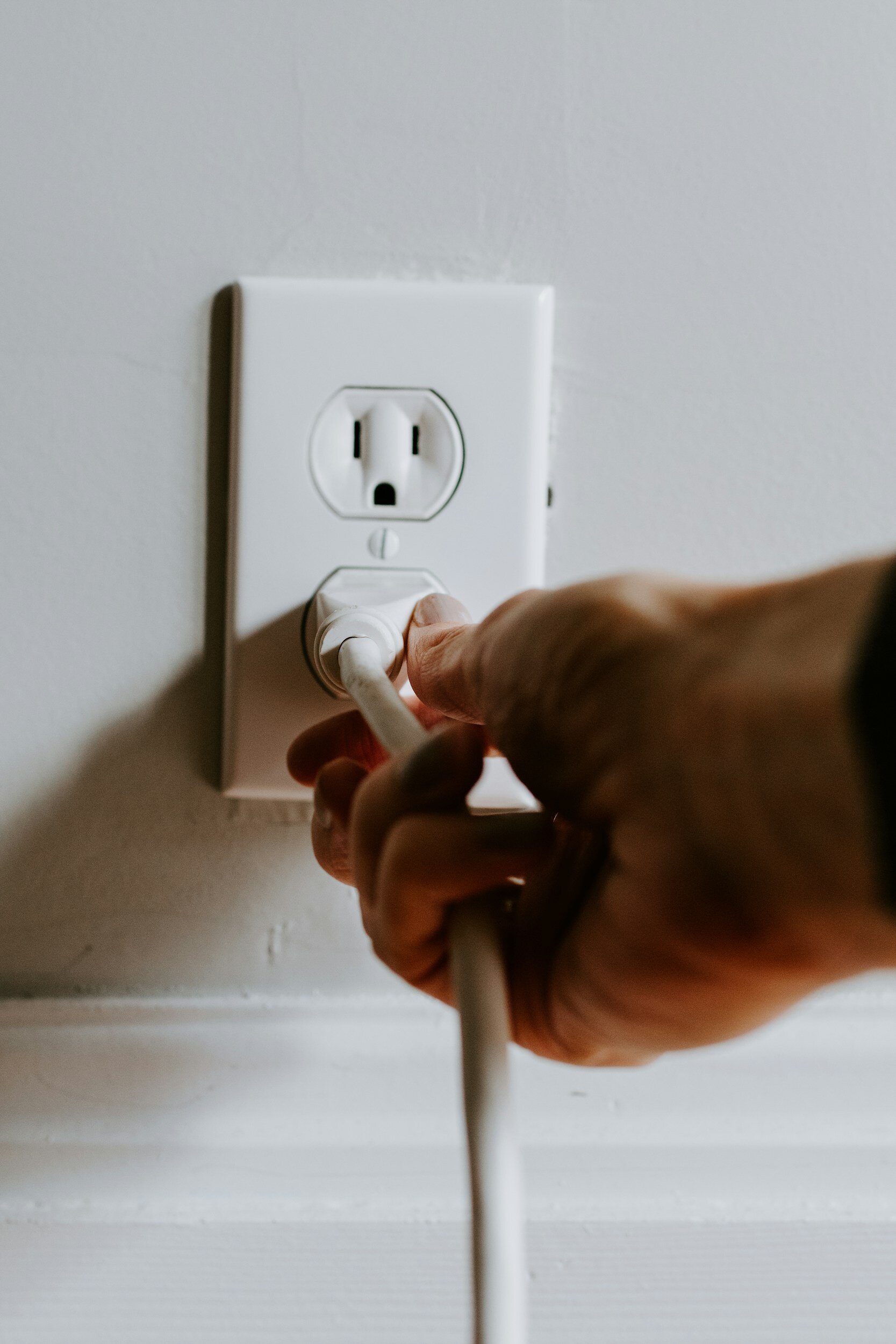
Are you tired of experiencing power outages that disrupt your daily routine and leave you in the dark? An unreliable power supply can be frustrating and even dangerous, especially during extreme weather conditions. That's why investing in a reliable generator can be a game-changer for your home. In this blog post, we will discuss the benefits of having a generator as a backup power source and provide tips on how to choose the best one for your needs.
A Valuable Asset
A generator is a valuable asset that can ensure uninterrupted energy supply to your home during blackouts or emergencies. It works by converting mechanical energy into electrical energy, providing power to essential appliances and devices such as lights, refrigerators, and heating systems. With a generator, you can maintain a comfortable living environment and avoid the inconveniences and risks associated with power outages.
Factors to Consider
When choosing a generator for your home, there are a few factors to consider. The first step is to determine your power needs and the essential appliances you want to keep running during an outage. This will help you determine the generator's size and power capacity required. It's also important to consider the fuel type, runtime, and noise level of the generator to ensure it meets your specific needs and preferences.
Several Types Available
There are different types of generators available on the market, including portable generators, standby generators, and inverter generators. Portable generators are versatile and can be used for camping or outdoor events, while standby generators are permanently installed outside your home and automatically turn on during power outages. Inverter generators are known for their quiet operation and fuel efficiency, making them a popular choice for residential use. Visit a company, like San Diego Power, LLC., to explore your different options.
Maintenance
Regular maintenance and servicing are essential to keep your generator in top condition and ensure it is ready to kick in when needed. Make sure to follow the manufacturer's instructions for maintenance tasks such as changing the oil, inspecting the fuel system, and testing the battery. It's also a good idea to run your generator periodically to keep it in working order and identify any issues before they become major problems.
By investing in a reliable generator, you can safeguard your home and family against the inconveniences and dangers of power outages. Whether you choose a portable, standby, or inverter generator, having a backup power source can provide peace of mind and ensure uninterrupted energy supply during emergencies. Make sure to assess your power needs, choose the right generator for your home, and schedule regular maintenance to keep it in optimal condition. With a generator in place, you can rest assured that your home will always have power when you need it most.

Essential Tips for a Smooth and Successful Home Remodeling Project
Home remodeling projects can be both exciting and overwhelming. Whether you're looking to update your kitchen, renovate your bathroom, or add a new room to your home, it's important to plan and execute your project with care. To help ensure a smooth and successful remodeling experience, we've compiled a list of essential tips to guide you through the process.
Home remodeling projects can be both exciting and overwhelming. Whether you're looking to update your kitchen, renovate your bathroom, or add a new room to your home, it's important to plan and execute your project with care. To help ensure a smooth and successful remodeling experience, we've compiled a list of essential tips to guide you through the process.
Set a Realistic Budget
Before you start any remodeling project, it's important to establish a clear budget. Take the time to research the costs of materials, labor, and any additional expenses that may arise. It's also a good idea to set aside a contingency fund for unexpected costs, like a rolloff dumpster, in case the professional team you hire doesn’t take care of it. By setting a realistic budget from the start, you can avoid overspending and ensure that your project stays on track.
Hire the Right Professionals
Choosing the right team of professionals is crucial to the success of your remodeling project. Whether you're working with an architect, contractor, or interior designer, make sure to do your research and select experienced professionals with a proven track record. It's also important to communicate openly with your team and make sure everyone is on the same page throughout the project.
Plan Ahead
Proper planning is key to a successful home remodeling project. Before you start any construction work, take the time to create a detailed plan that outlines the scope of the project, timeline, and budget. Consider factors such as design preferences, permits, and any structural changes that may need to be made. By planning ahead, you can avoid potential issues and ensure that your project runs smoothly from start to finish.
Communicate Effectively
Effective communication is essential when it comes to home remodeling projects. Make sure to regularly communicate with your team of professionals, suppliers, and contractors to keep everyone informed and on the same page. Be clear about your expectations, timeline, and budget, and address any concerns or issues as they arise. By maintaining open lines of communication, you can prevent misunderstandings and ensure that your project stays on track.
Stay Flexible
While it's important to have a clear plan in place, it's also important to stay flexible and adaptable during the remodeling process. Unexpected issues or changes may arise, so it's important to be prepared to make adjustments as needed. Keep an open mind and be willing to make compromises when necessary. By staying flexible, you can navigate any challenges that come your way and ensure that your remodeling project is a success.
A successful home remodeling project requires careful planning, effective communication, and the right team of professionals. By setting a realistic budget, hiring experienced professionals, planning ahead, communicating effectively, and staying flexible, you can navigate the remodeling process with ease and achieve the home of your dreams. Whether you're looking to update a single room or renovate your entire home, follow these essential tips for a smooth and successful remodeling experience.

The Dangers of Radon in Your Home and Why Regular Testing is Necessary
Radon is a colorless, odorless radioactive gas that can seep into your home through cracks in the foundation or walls. It is the second leading cause of lung cancer after smoking and is responsible for thousands of deaths each year. Despite its dangers, many homeowners are not aware of the risks associated with radon exposure. This blog post will discuss the dangers of radon in your home and why regular testing is necessary to protect yourself and your loved ones.
We partnered with a health company for this post. The opinions in the post are honest. All reviews and opinions expressed in this post are based on our personal views. We are excited because we know you will love it.
Radon is a colorless, odorless radioactive gas that can seep into your home through cracks in the foundation or walls. It is the second leading cause of lung cancer after smoking and is responsible for thousands of deaths each year. Despite its dangers, many homeowners are not aware of the risks associated with radon exposure. This blog post will discuss the dangers of radon in your home and why regular testing is necessary to protect yourself and your loved ones.
Understanding the Risks
Radon is a naturally occurring gas that is produced by the decay of uranium in the soil. When radon enters your home, it can accumulate to dangerous levels, especially in enclosed spaces like basements. Prolonged exposure to high levels of radon can increase your risk of developing lung cancer, even if you are a non-smoker. It is crucial to be aware of the dangers of radon and take proactive steps to protect yourself and your family.
The Importance of Regular Testing
The only way to know if your home has elevated levels of radon is to conduct a radon test. Radon testing kits are readily available and easy to use, making it simple for homeowners to monitor radon levels in their homes. It is recommended to test your home for radon at least every two years, as radon levels can fluctuate over time. Regular home radon testing is essential to ensure that your home remains a safe and healthy environment for you and your family.
Mitigation Options
If your radon test results indicate elevated levels of radon in your home, it is important to take action to reduce your exposure. Radon mitigation systems can be installed to vent radon gas out of your home and prevent it from accumulating to dangerous levels. These systems are highly effective and can significantly reduce the risk of radon-related health issues. It is crucial to consult with a professional radon mitigation contractor to determine the best solution for your home.
Protecting Your Loved Ones
While the dangers of radon are serious, the good news is that radon exposure is entirely preventable. By regularly testing your home for radon and taking appropriate measures to mitigate any elevated levels, you can protect yourself and your loved ones from the risks associated with radon exposure. Investing in radon testing and mitigation is a small price to pay for the peace of mind knowing that your home is a safe and healthy environment.
Take Action Today
Don't wait until it's too late to protect yourself and your family from the dangers of radon. Regular radon testing is a simple and effective way to ensure that your home remains a healthy environment for you and your loved ones. By being proactive and taking the necessary steps to mitigate radon levels in your home, you can reduce your risk of developing lung cancer and other serious health issues. Remember, the health and safety of your family are priceless – don't take any chances when it comes to radon exposure.
In conclusion, the dangers of radon in your home are real, but with regular testing and mitigation efforts, you can protect yourself and your loved ones from harm. By understanding the risks of radon exposure and taking proactive measures to reduce your exposure, you can ensure that your home remains a safe and healthy environment for years to come. Remember, prevention is key when it comes to radon—don't wait until it's too late to take action. Invest in radon testing today and rest easy knowing that you are doing everything you can to protect your family from the dangers of radon.

When Do You Need Septic Tank Pumping?
Maintaining a septic tank is essential for the proper functioning of your home's plumbing system. One key aspect of septic tank maintenance is regular pumping. But how do you know when it's time to schedule a septic tank pumping service? This blog post will explore the signs that indicate your septic tank needs pumping and why regular maintenance is crucial for avoiding costly repairs.
Maintaining a septic tank is essential for the proper functioning of your home's plumbing system. One key aspect of septic tank maintenance is regular pumping. But how do you know when it's time to schedule a septic tank pumping service? This blog post will explore the signs that indicate your septic tank needs pumping and why regular maintenance is crucial for avoiding costly repairs.
Routine Pumping
Most recommend having your septic tank pumped every 3-5 years, depending on the size of your household and the tank size. This routine maintenance helps prevent solids from building up in the tank and clogging the drainage system. Regular pumping also helps extend the lifespan of your septic system and reduces the risk of backups and odors in your home.
Slow Drains and Gurgling Sounds
One of the first signs that your septic tank needs pumping is slow drains in your sinks, showers, or toilets. If you notice that water is taking longer to drain or hear gurgling noises when flushing the toilet, it could indicate that the tank is full and needs to be emptied. Ignoring these warning signs can lead to more serious issues, such as sewage backups and damage to your plumbing system.
Foul Odors
Another clear indicator that you need septic tank pumping is foul odors coming from your drains or yard. The accumulation of sludge and solids in the tank can produce unpleasant smells that permeate your home. If you detect foul odors, it's important to schedule a septic tank pumping service as soon as possible to prevent further problems and maintain a healthy living environment.
Standing Water or Sewage Backup
If you notice standing water around your septic tank or experience sewage backup in your drains, it's a sign that your tank is overloaded and needs immediate pumping. Standing water can indicate a leak or blockage in the system, while sewage backups can cause damage to your property and pose health risks to your family. In these cases, it's crucial to contact a professional septic tank pumping service to address the issue promptly.
Preventative Maintenance
In addition to responding to warning signs, scheduling regular septic tank pumping is essential for preventative maintenance. By staying on top of your septic system's maintenance schedule, you can avoid costly repairs and emergency situations down the line. Investing in routine pumping and inspection services can save you time, money, and stress in the long run.
Knowing when to schedule septic tank pumping is crucial for maintaining a healthy and efficient plumbing system in your home. By paying attention to warning signs such as slow drains, foul odors, standing water, and sewage backups, you can prevent costly repairs and ensure the longevity of your septic system. Remember to schedule routine pumping every 3-5 years to prevent solids from accumulating and clogging the system. Taking proactive steps to maintain your septic tank will help you avoid emergencies and enjoy peace of mind knowing that your home's plumbing is in good working order.

