

A resource for those seeking information on organizing and transforming spaces.
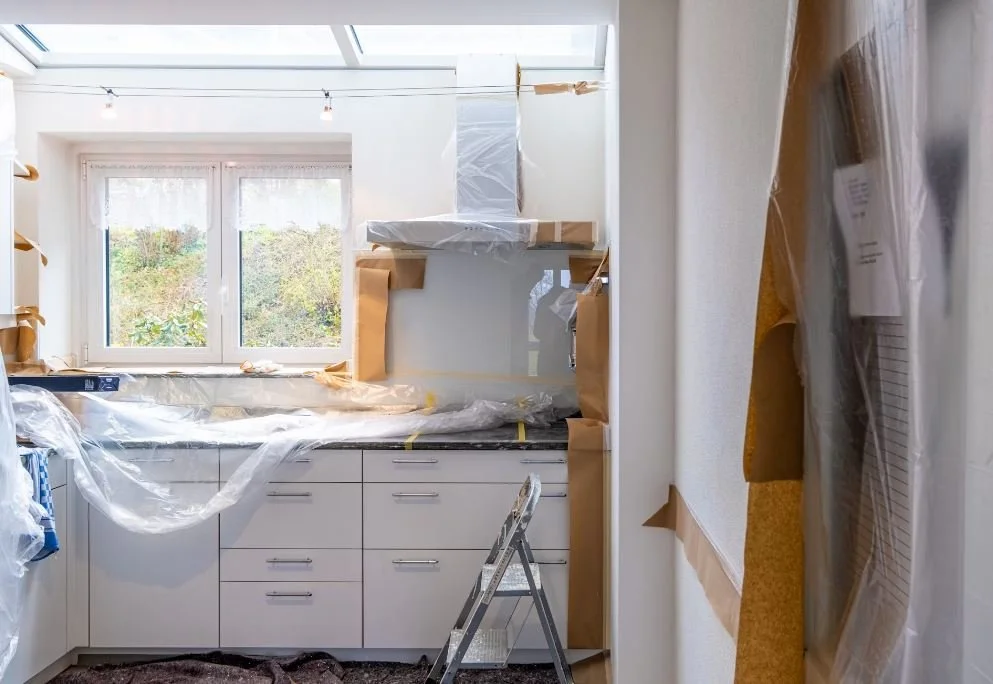
Transforming Spaces: The Art of Sophisticated Home Renovations
Embarking on a home renovation project can be an exciting and transformative experience. Whether you are looking to modernize your living space, increase the functionality of your kitchen, or create a serene oasis in your backyard, the art of sophisticated home renovations can truly elevate your home to new heights. This blog post will explore the key factors to consider when planning a renovation, the latest trends in home design, and how to ensure that your renovation project runs smoothly from start to finish.
Embarking on a home renovation project can be an exciting and transformative experience. Whether you are looking to modernize your living space, increase the functionality of your kitchen, or create a serene oasis in your backyard, the art of sophisticated home renovations can truly elevate your home to new heights. This blog post will explore the key factors to consider when planning a renovation, the latest trends in home design, and how to ensure that your renovation project runs smoothly from start to finish.
Planning Your Renovation
The first step in any successful renovation project is careful planning. Before you begin knocking down walls or ripping up floors, take the time to evaluate your space and identify your goals for the renovation. Are you looking to increase storage space in your kitchen, create a cozy reading nook in your living room, or update your master bathroom with a luxurious spa-like feel? Once you have a clear vision of what you want to achieve, work with a professional designer or contractor to create a detailed plan that includes a budget, timeline, and list of materials needed.
Embracing the Latest Trends
When it comes to sophisticated home renovations, staying on top of the latest design trends can help you create a space that is both stylish and functional. From open-concept layouts and smart home technology to eco-friendly materials and bold color choices, the possibilities are endless. Consider incorporating timeless elements such as natural wood finishes, statement light fixtures, and sleek hardware to add a touch of sophistication to your home. Don't be afraid to mix and match styles to create a unique and personalized space that reflects your personality and lifestyle.
Ensuring a Smooth Renovation Process
One of the biggest challenges of home renovations is ensuring that the process runs smoothly and without any hiccups. To avoid delays and unexpected expenses, it is essential to communicate regularly with your contractor, stay on top of timelines and deadlines, and be prepared to make decisions quickly when needed. Keep in mind that renovations can be messy and disruptive, so be patient and flexible throughout the process. Remember that the end result will be worth the time and effort invested in transforming your space into your dream home.
Adding Personal Touches
Once your renovation is complete, it's time to add the finishing touches that will truly make your space feel like home. Consider incorporating personal mementos, family heirlooms, and statement pieces of art that reflect your unique style and interests. Create cozy seating areas with plush throws and pillows, display cherished photos in elegant frames, and add fresh flowers or greenery to bring life and warmth to your space. Don't be afraid to experiment with different textures, patterns, and colors to create a space that is as inviting as it is sophisticated.
Embarking on a sophisticated home renovation project can be a rewarding and fulfilling experience that transforms your living space into a reflection of your personality and lifestyle. By carefully planning your renovation, embracing the latest design trends, ensuring a smooth renovation process, and adding personal touches, you can create a space that is both stylish and functional. Whether you are updating your kitchen, bathroom, living room, or outdoor area, the art of sophisticated home renovations allows you to create a space that is truly your own. So roll up your sleeves, get creative, and get ready to transform your space into a sophisticated sanctuary that you will love coming home to.

How To Make Your Conservatory Comfortable All Year Round!
If you’re fed up with your conservatory being freezing in the winter and too hot in the summer, with very little in between, then you’re in the right place. There are quite a few different options to help you make the most of your conservatory all year round and to get the most out of your home, from more substantial changes to small tweaks that add up to make a difference. If you don’t want to replace your full conservatory, you don’t need to.
If you’re fed up with your conservatory being freezing in the winter and too hot in the summer, with very little in between, then you’re in the right place. There are quite a few different options to help you make the most of your conservatory all year round and to get the most out of your home, from more substantial changes to small tweaks that add up to make a difference. If you don’t want to replace your full conservatory, you don’t need to.
Get Conservatory Roof Insulation
The first thing you should do, which will make the biggest difference to the usability of your conservatory both in the summer and winter, is to get conservatory roof insulation fitted. The rest of your home will have a substantial amount of insulation both on the roof and in the walls, so it’s no wonder that a small amount of glass and air (assuming you have double glazing) isn’t enough to keep the space warm, and it results in a greenhouse effect in the summer!
Conservatory roof insulation adds that extra layer to keep it warm in the winter, then also prevents the glaring sunlight from making it too hot in the summer. If the top of your conservatory is currently glass, then this will involve it being covered with the insulation and then a material finish (usually a stylish plastic) to complete the insulation. Not only does this make it comfortable for all year use, but it also helps you to keep warmth in during the winter and keep heat out in the summer, making it much more energy efficient, so you save money through it overall.
Add Good Window Blinds
Something else you can do to benefit your conservatory all year round is to add good window blinds. When you choose the right conservatory window blinds, it provides a level of insulation in the winter, to give you that extra warmth. The main benefit comes in the summer, as it helps to keep the space cool and also prevents glaring light coming into the space and making it uncomfortable. You can get blinds that let a nice amount of light in, without it being overwhelming, so you get the best of both worlds! Invest some money in good window blinds for your conservatory and it can really help to make the space usable all year.
Consider Heating Solutions
Whilst you can add quite a few different solutions to your conservatory, if there’s no heating at all in the space, then it won’t be very comfortable for use in the winter. So, you will need some form of heating. Even a small heater can be really effective in taking the chill out of the space. Of course, you could go for things like underfloor heating, but this is a much more expensive solution. If you want to get cosy, then you can add things like a rug, a heated blanket and warm cushions for a more cost effective choice! A small heating element can make a big difference when it comes to the warmth in your conservatory.

From Ruined to Restored: A Guide To Saving Your Floors After a Flood
After the devastation of a flood, coming back to your home and seeing the damage done can be overwhelming. One of the most common areas affected by flooding is flooring – whether it's hardwood, laminate, carpet, or tile. Not only can flooded floors ruin the aesthetic appeal of your home, but they can also compromise its structural integrity if not properly addressed. The good news is that with proper cleanup and restoration techniques, your floors can be salvaged and restored to their former glory. In this guide, we will discuss all you need to know about saving your floors after a flood – from assessing the damage to seeking professional help and prevention tips for future incidents. So, let's dive in and learn how you can transform those ruined floors into beautifully restored ones!
After the devastation of a flood, coming back to your home and seeing the damage done can be overwhelming. One of the most common areas affected by flooding is flooring – whether it's hardwood, laminate, carpet, or tile. Not only can flooded floors ruin the aesthetic appeal of your home, but they can also compromise its structural integrity if not properly addressed. The good news is that with proper cleanup and restoration techniques, your floors can be salvaged and restored to their former glory. In this guide, we will discuss all you need to know about saving your floors after a flood – from assessing the damage to seeking professional help and prevention tips for future incidents. So, let's dive in and learn how you can transform those ruined floors into beautifully restored ones!
Assessing the Damage
After a flood, assessing the damage to your floors can be a daunting task. However, it's important to determine whether they can be salvaged or if they need to be replaced for both safety and cost reasons. First, contact a flood damage restoration professional to assess the severity of the damage. They can examine the floors, determine the extent of the damage, and advise you on the best course of action. Some factors they may consider include the type and age of the flooring, the level of water damage, and the amount of time the floors were exposed to moisture. If the damage is minor, such as a few warped planks, the floors may be salvaged with repairs and refinishing. However, if the damage is extensive and affects the structural integrity of the floors, then replacement may be necessary.
Steps to Take Before Cleaning
Before attempting to clean your floor after a flood, safety precautions and tips must be taken in order to prevent any further damage. The first step is to turn off all power in the area to avoid electrocution. Additionally, it is important to wear protective gear such as rubber gloves, boots, and a face mask to protect yourself from mold and bacteria that may be present on the floor. It is also important to dispose of any contaminated materials properly to prevent the spread of harmful toxins. Lastly, it is recommended that the affected area be thoroughly dry and disinfected with a solution of bleach and water in order to prevent any mold growth. Taking these steps before cleaning will help ensure the safety of both you and your home.
Cleaning Up Hardwood Flooring
When dealing with hardwood flooring affected by flooding, it's crucial to take the proper steps to ensure the safety and longevity of your floors. The first step is to remove any standing water as soon as possible. Next, use fans and dehumidifiers to dry the area thoroughly. Once the floor is dry, inspect for any damage or warping and address it before moving on to cleaning. When cleaning, use a hardwood floor cleaner that is safe for use on water-damaged floors. Avoid using a steam cleaner or excessive water, as it may cause further damage. It's important to thoroughly dry the floor after cleaning as well. By following these steps, you can restore your hardwood flooring to its pre-flood state and prevent further damage.
Restoring Carpeted Floors
If you're dealing with water damage to your carpeted floors, it's crucial to take action as quickly as possible. While you may be tempted to roll up your sleeves and tackle the issue on your own, it's important to know when it's appropriate to call in a professional. In general, it's best to enlist professional help if the damage is extensive or if you're dealing with grey water or black water, which can be hazardous to your health. When it comes to cleaning and drying flooded carpets, the key is to act fast. The longer you wait, the more difficult it will be to salvage your flooring. By following a few simple steps and taking the necessary precautions, you can restore your carpet and ensure that your home is safe and comfortable once again.
Dealing with Mold and Mildew
Dealing with mold and mildew can be a daunting task, especially after a flood. The key to preventing mold growth is to control moisture levels in your home. This means fixing any leaks, drying wet areas promptly, and using a dehumidifier in humid environments. However, if mold has already formed on your floors, it's important to remove it immediately to prevent any health issues. Effective methods for removing mold on floors include using a bleach solution, vinegar, or a commercial mold cleaner. It's important to take proper precautions while cleaning mold, such as wearing gloves and a mask to avoid inhaling mold spores. With the right prevention measures and mold removal techniques, you can maintain a healthy and mold-free home.
Preventative Measures for Future Floods
Flooding can be a devastating event for homeowners, causing significant damage to property and belongings. In order to prevent future damage, it's important to take preventative measures. One of the most effective ways to protect your floors is to invest in a waterproof barrier. This can be achieved through the use of waterproofing floor coatings or sealants. Installing a sump pump and ensuring that your gutters and downspouts are working properly can also go a long way in preventing water damage. Additionally, consider elevating your electrical systems and appliances to a height above the anticipated flood level. Taking these preventative measures can save you a great deal of heartache and expense in the event of another flood.
In conclusion, dealing with flooded floors can be a daunting and overwhelming task. However, having the right knowledge and tools can make all the difference in salvaging your floors and protecting your home from further damage. By assessing the damage, taking necessary steps before cleaning, properly cleaning and restoring hardwood floors and carpets, preventing mold growth, and implementing preventative measures for future floods, you can ensure the best possible outcome for your flooring. With patience, determination, and the right resources, your floors can be restored to their former glory.

Is a Heat Pump Right For Your Home? Things to Consider
When it comes to heating, there are numerous options with their pros and cons. While the standard procedure is to keep a low-cost gas boiler, there are several reasons to avoid them: they can be bulky, they lose efficiency over time, and they’re not very eco-friendly. If these boiler drawbacks irks you, you could opt for a heat pump instead.
This is a sponsored post. The opinions in the post are honest although it is a sponsored post. All reviews and opinions expressed in this post are based on our personal views. We are excited because we know you will love it.
When it comes to heating, there are numerous options with their pros and cons. While the standard procedure is to keep a low-cost gas boiler, there are several reasons to avoid them: they can be bulky, they lose efficiency over time, and they’re not very eco-friendly. If these boiler drawbacks irks you, you could opt for a heat pump instead.
But is a heat pump the right choice for your home? Let’s dive into the different types of heat pumps and what you need to remember before installing them. Underneath each type, we’ll make a recommendation breaking down who it's for.
Heat Pumps Explained
All heat pumps work similarly: transferring heat to a refrigerant stored in their pipes which then makes the refrigerant boil and turn into vapour. The vapour is then compressed so it can carry more heat to warm the home when released into the central heating system as a super-hot gas.
The vapour cycles back as a liquid and passes through a special valve that cools. This same process can be reversed to cause cooling in the home. In that instance, the heat pump can take the heat within the house, carry it through the refrigerant, and transfer it outside, allowing for a cooler atmosphere in your home.
The great part is that this cycle of cooling and heating is a renewable process that uses very little energy while doing the work of both a heater and an Air Conditioner. While all heat pumps are highly efficient compared to other forms of heating and cooling, there are differences in efficiency based on the type of heat pump you install.
Heat pumps can “pump” heat into either a central heating system or into water pipes. The water-based setup can let you combine it with underfloor heating, although this has the drawback of making the system “heating-only” i.e., without a cooling function.
Let’s get into some cons.
Right off the bat, keep in mind that heat pumps are expensive compared to boilers.
The savings come in from operating costs which can be two to four times lower than boilers but only if you have decent insulation.
Really cold regions (sub-zero temperatures) may see a drop in seasonal efficiency.
If you live in extremely cold regions, an air source heat pump might freeze. This happens if the heat pump evaporator is colder than the surrounding air. You can prevent this by keeping it clear of any blockages like leaves or dirt.
Heat Pump Types
There are three heat pump types: ground, air, and water source. Each of these uses a different approach to gathering and expelling heat, with ground source heat pumps being the most efficient. Let’s look at a few and how they differ:
Air source
The most common types of heat pumps in the UK are air source heat pumps. The most common and cheapest type is the air source heat pump. Like all heat pumps, it extracts the heat from the air, filters out the cold or warmth depending on whether you need cooling or heating, and pumps it into the house.
Air source heat pumps come in 2 varieties: air-to-air and air-to-water. The difference between the two is that one connects to a wet central heating system and the other connects to air ducts around the property. The mode of delivery is the main difference but it impacts a lot, like whether your system will heat and cool or only heat, like with a water-based system.
Air to air heat pumps use less energy than air to water ones, and they can also cool your home. It’s important to note that air to water heat pumps cannot cool. However, they can heat your hot water, unlike air to air heat pumps. Air to water systems can also be hooked up to underfloor heating and existing radiators.
Recommendation:
Air source heat pumps are the cheapest and most accessible. They take up the least amount of space and most of their bulky components are installed outside. They are great if you want to save on installation costs and still receive twice the energy efficiency of a boiler. While they aren’t the most energy efficient heat pump type they are less costly and are less space-intensive.
But should you go for an air to air or air to water model? If you live in an area, where the heat is less of an issue than the cold, air to water will suit you fine. It can’t cool your home, but it will make those difficult winters disappear, especially with underfloor heating and hot water capabilities. If you need both heating and cooling, air to air is the way to go.
Water source
Next up we have water source heat pumps (not to be confused with air to water heat pumps). these work in a similar way but they pass the pipes through a body of water, like a river or stream, rather than gathering heat from the air.
The system is split, with the indoor system blowing cooled or heated air while the outdoor unit compresses the coolant. The two components are connected by piping that carries the coolant back and forth. The fan draws the outside air through the coil so that the superheated gas cools. These can be more efficient as they use the ambient temperature of water to change the temperature of the coolant.
Water source heat pumps can also transfer through water or through radiators, depending on what version you install.
Recommendation:
While they are highly efficient, not many homeowners live near a body of water. If you do, they can be a great option. They are more expensive than air source heat pumps and require a more complex installation process. However, they are also more energy efficient.
Ground source
However, if your main priority is efficiency, another kind of heat pump takes the cake. As the name suggests, ground source heat pumps pass pipework through the ground using the heat it gets from the sun to control the temperature within your home.
Ground source models require far more work to install, as they need a Heat pump unit, underground heat exchanger, pipes, and a distribution system. They are also up to 4 times more efficient than even the best boilers, leading to a 400% decrease in electricity bills.
Recommendation:
There’s no getting around it. These heat pumps are expensive. If you have the money or can access local heat pump grants, go for it. You also need some sufficient outdoor space suitable for boring holes and inserting the heat exchanger. It is a powerful technology that can be handy overall, with very few domestic systems that can compete with it.
Hopefully, this resource will help you decide whether you want a heat pump or not.

