

A resource for those seeking information on organizing and transforming spaces.

Accessible Bathroom Design for Aging in Place
Designing an accessible bathroom is a critical aspect of creating a living space where a senior can live safely, comfortably, and independently. As we age, our mobility and physical needs change. According to Forbes, more than three-quarters (77%) of Americans over the age of 50 prefer to age in place.
We partnered with a home improvement company for this post. The opinions in the post are honest. All reviews and opinions expressed in this post are based on our personal views. We are excited because we know you will love it.
Designing an accessible bathroom is a critical aspect of creating a living space where a senior can live safely, comfortably, and independently. As we age, our mobility and physical needs change. According to Forbes, more than three-quarters (77%) of Americans over the age of 50 prefer to age in place.
This article explores key elements of accessible bathroom design. From walk-in tubs vs outswing tubs to grab bars and non-slip flooring, we’ll cover all the essential details to create a functional bathroom that meets the unique needs of aging individuals.
Key features of accessible bathroom design
When you’re making a home accessible for aging-in-place seniors, there are several changes you need to make. The bathroom is one of the most important because it’s frequently used and is a high-risk area for accidents. Let’s take a look at the key features you need to consider when designing a bathroom with accessibility in mind:
Grab bars and handrails
Strategically placed grab bars and handrails provide support and stability for seniors when they move into and out of the bathtub, shower, and toilet area. You’ll need to install them along the walls, near the toilet (like an armrest, and inside the shower to provide support for standing or sitting.
Non-slip flooring
Installing non-slip flooring prevents slips and falls, making it one of the most important implementations when preparing a home for an aging person. Choose materials that offer excellent grip (even when wet), such as textured tiles or vinyl flooring with a slip-resistant surface.
Walk-in tubs
Traditional bathtubs are remarkably difficult for many older individuals to climb into and out of. Their high walls require stepping over, and there is limited space inside the tub. Walk-in tubs offer a practical solution that may even eliminate the need for a second person to help altogether.
For those using a wheelchair, outswing tubs are the most beneficial. Also referred to as WCA (wheelchair-accessible) bathtubs, they feature doors that swing toward you from a side without barriers. Thanks to this feature, they facilitate easy transfers from mobility aids like wheelchairs, walkers, and scooters into the tub seat.
Innovative design solutions to improve accessibility
Beyond the essential features we mentioned above, there are several design considerations when remodeling your bathroom to make it more accessible. Here are a few of the most essential examples:
Curbless shower
A curbless shower eliminates the need to step over a barrier, making it easier for those with mobility issues to enter the shower area. It also creates a more seamless look and makes the bathroom more spacious.
Wall-mounted sink
Wall-mounted sinks allow for more legroom and maneuverability for those using wheelchairs, scooters, and other mobility aids. For those who have difficulty standing for longer periods, they also provide easier access; if you have to, you could prop up a chair.
Smart bathroom technologies
Smart home technologies, like motion-activated faucets, voice-controlled lighting, and automated toilets, make your bathroom far more comfortable by reducing the need for manual interaction. Plus, many of these integrated divides look more modern than your standard fixture.
Space-saving designs
The bathroom is generally one of the most compact spaces in the house, so maximizing your space is a necessity when incorporating additional features. Folding seats, sliding doors, and corner vanities are just a few examples of how space-saving design can open up your bathroom for more accessibility without consuming additional square footage.
Final thoughts
Designing for aging in place is all about creating safety and accessibility. With a few changes like the ones mentioned above, you can transform even the smallest bathroom into a functional, accessible living space for an aging friend or family member.

Stylish Ways to Incorporate Concrete in Your Home Design
Concrete is often associated with being cold and industrial, but when used in home design, it can bring a modern and stylish touch to your living space. Whether you're looking to add a contemporary element to your home or simply want to explore new design options, concrete can be a versatile material to work with. This blog post will explore some stylish ways to incorporate concrete in your home design, from countertops to accent walls and more.
Concrete is often associated with being cold and industrial, but when used in home design, it can bring a modern and stylish touch to your living space. Whether you're looking to add a contemporary element to your home or simply want to explore new design options, concrete can be a versatile material to work with. This blog post will explore some stylish ways to incorporate concrete in your home design, from countertops to accent walls and more.
Concrete Countertops
One of the most popular ways to incorporate concrete into your home design is by using it for countertops. Concrete countertops are durable, customizable, and can give your kitchen or bathroom a sleek and modern look. You can choose from a variety of finishes, colors, and textures to match your overall design aesthetic. Plus, concrete countertops are heat-resistant and easy to maintain, making them a practical choice for any home.
Concrete Floors
Another stylish way to incorporate concrete into your home design is by using it for flooring. Concrete floors are not only durable and easy to clean, but they can also add a contemporary and industrial feel to any room. With the help of concrete contractors you can choose from a polished concrete finish for a more modern look, or opt for a stained or stamped concrete design for a unique touch. Concrete floors are versatile and can be customized to suit your personal style and home décor.
Concrete Walls
If you're looking to make a bold statement in your home, consider using concrete for accent walls. Concrete walls can add texture, depth, and visual interest to any room. You can choose to leave the concrete bare for a minimalist look, or paint it in a bold color to make a statement. Concrete walls can be used in living rooms, bedrooms, or even bathrooms to add a touch of industrial chic to your home design.
Concrete Furniture
In addition to countertops and floors, concrete can also be used to create stylish and unique furniture pieces for your home. Concrete tables, benches, and even chairs can add a modern and sophisticated touch to any room. You can choose to leave the concrete raw for an industrial look, or add color and texture for a more contemporary feel. Concrete furniture is not only stylish, but also durable and long-lasting, making it a practical choice for any modern home.
Concrete Accessories
If you're not ready to commit to larger concrete elements in your home design, consider incorporating concrete accessories instead. From planters and vases to candle holders and coasters, there are plenty of stylish ways to add a touch of concrete to your decor. Concrete accessories can add a modern and industrial touch to any room, and can be easily swapped out or moved around to change up your home design.
Incorporating concrete into your home design doesn't have to be intimidating or cold. With the right design choices and attention to detail, concrete can add a stylish and modern touch to your living space. Whether you choose to use concrete for countertops, floors, walls, furniture, or accessories, there are plenty of creative ways to incorporate this versatile material into your home design. So, don't be afraid to think outside the box and experiment with concrete in your home—you might just be surprised at how stylish and chic it can look.

4 Tips on How To Prepare Your Home for Foundation Repair
Dealing with foundation issues can be a stressful experience for any homeowner. But before you panic, it's important to know that there are steps you can take to prepare your home for foundation repair and minimize the inconvenience. In this blog post, we'll provide you with four tips on how to prepare your home for foundation repair so that the process goes as smoothly as possible.
Dealing with foundation issues can be a stressful experience for any homeowner. But before you panic, it's important to know that there are steps you can take to prepare your home for foundation repair and minimize the inconvenience. In this blog post, we'll provide you with four tips on how to prepare your home for foundation repair so that the process goes as smoothly as possible.
Clear the Space
The first step in preparing your home for foundation repair is to clear out any belongings or furniture in the affected areas. Foundation repair can be a messy process, so removing any items that could get damaged during the repair is important. Clearing out the area will also make it easier for the contractors to do their job efficiently. You may also want to cover any remaining items with plastic sheets or tarps to protect them from dust and debris.
Ensure Accessible Pathways
Next, you'll want to make sure that the pathways to the affected areas are clear and accessible to the repair crew. This means removing any obstacles such as plants, decorations, or outdoor furniture blocking the way into the house or around the foundation. It's also a good idea to communicate with your neighbors about the upcoming repair work and ensure that any shared pathways or driveways are kept clear during the process. This will help the contractors move equipment and materials in and out of your property smoothly.
Arrange Temporary Stay
Another important tip for preparing your home for foundation repair is to make arrangements for any pets or children to stay somewhere else during the repair work. The loud noises, vibrations, and disruptions caused by foundation repairs can be stressful for pets and children, so it's best to find them a temporary home for the duration of the repairs. This will also ensure their safety and prevent any accidents from occurring during the construction process.
Communicate Requirements and Concerns
Lastly, it's important to communicate effectively with the foundation repair company about any specific requirements or concerns you may have regarding the repair work. Make sure to discuss the timeline for the repairs, any potential issues that may arise, and any special considerations that need to be considered. By keeping an open line of communication with the contractors, you can ensure that the repair process is completed smoothly and to your satisfaction.
Preparing your home for foundation repair may seem like a daunting task, but with these four tips in mind, you can make the process much easier and less stressful. By clearing out the affected areas, ensuring clear pathways, finding alternative arrangements for pets and children, and communicating effectively with the repair company, you can help ensure that the foundation repair process goes smoothly and efficiently. Remember, a little preparation goes a long way when it comes to foundation repair, so take the time to get your home ready before the work begins.
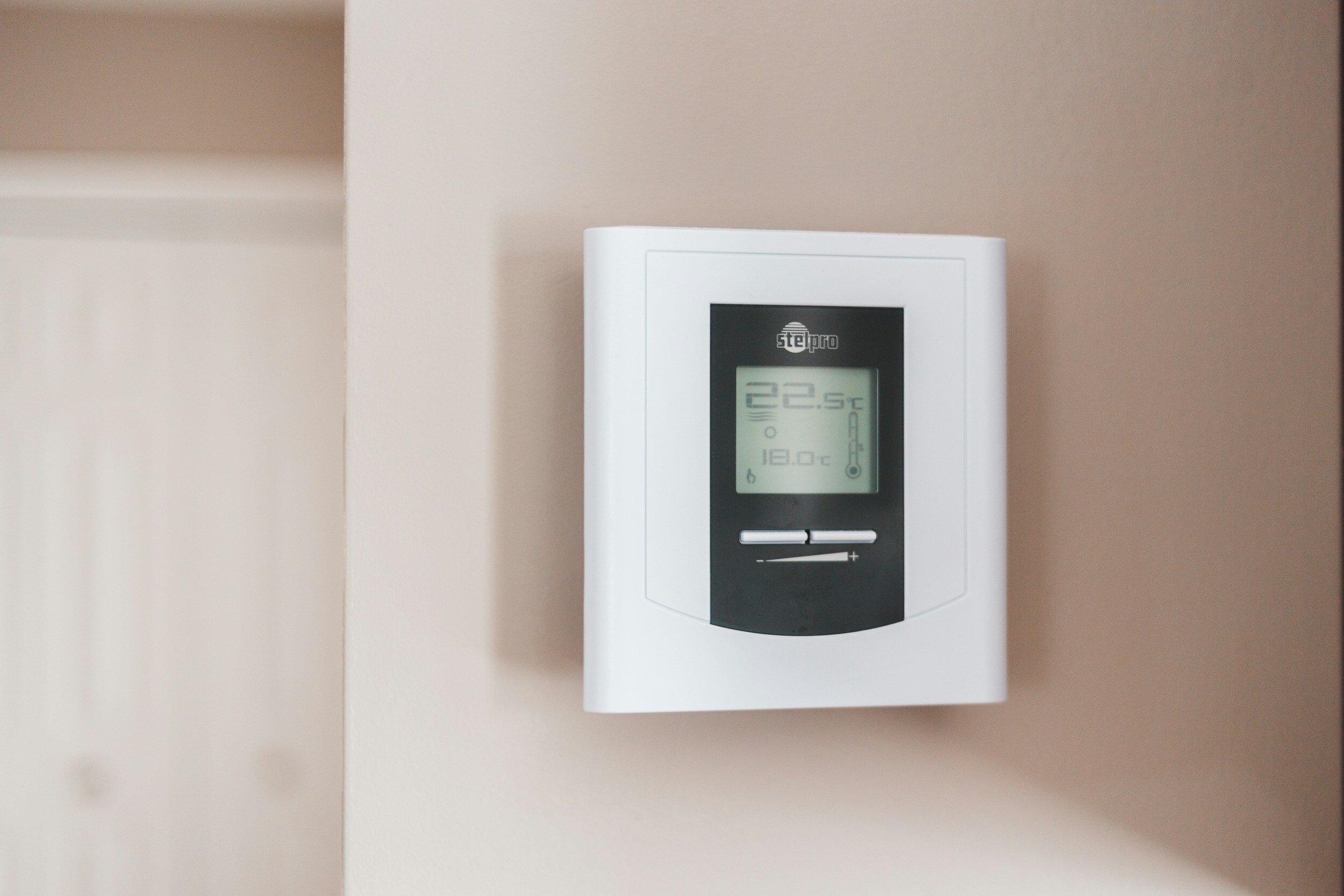
Indoor Comfort: The Importance of Regulating Your Home's Temperature
As the seasons change and temperatures fluctuate, it's essential to maintain a comfortable environment in your home. From staying warm during the winter months to keeping cool in the summer, regulating your home's temperature can make a significant impact on your overall comfort and well-being. In this blog post, we will explore the importance of indoor comfort and provide tips on how to effectively regulate your home's temperature.

As the seasons change and temperatures fluctuate, it's essential to maintain a comfortable environment in your home. From staying warm during the winter months to keeping cool in the summer, regulating your home's temperature can make a significant impact on your overall comfort and well-being. In this blog post, we will explore the importance of indoor comfort and provide tips on how to effectively regulate your home's temperature.
Ensure Comfort
One of the key reasons to regulate your home's temperature is to ensure your comfort and well-being. Extreme temperatures can not only make you uncomfortable but also have a negative impact on your health. During the winter, a cold home can lead to illnesses such as the flu or pneumonia, while a hot home in the summer can result in heat-related illnesses like heat exhaustion. By maintaining a consistent and comfortable temperature in your home, you can ensure that you and your family members are safe and comfortable year-round.
Increase Energy Efficiency
Another reason to regulate your home's temperature is to increase energy efficiency and reduce utility bills. When your home is too hot or too cold, your heating and cooling systems have to work harder to maintain a comfortable temperature. This not only puts a strain on your HVAC system but also leads to higher energy bills. By setting your thermostat to a moderate temperature and properly insulating your home, you can reduce your energy consumption and save money on your utility bills.
Save Money
In addition to improving your comfort and saving money, regulating your home's temperature can also extend the lifespan of your HVAC system. When your heating and cooling systems are constantly running at full capacity to combat extreme temperatures, they are more likely to experience wear and tear. By maintaining a consistent and moderate temperature in your home, you can reduce the strain on your HVAC system and help prolong its lifespan. Regular maintenance and servicing can also help ensure that your system operates efficiently and effectively.
How to Regulate Temperature
There are several ways you can regulate your home's temperature and achieve indoor comfort. Investing in a programmable thermostat can help you set specific temperatures for different times of the day, allowing you to maintain a comfortable environment while also saving energy. Proper insulation and sealing any drafts in your home can also help regulate temperature and improve energy efficiency. Additionally, utilizing ceiling fans, curtains, and blinds can help circulate air and block out sunlight, keeping your home cool in the summer and warm in the winter. Conducting regular air conditioner repair and maintenance will also be a key component in being able to regulate your home's temperature.
Achieving indoor comfort by regulating your home's temperature is essential for your overall well-being, energy efficiency, and the longevity of your HVAC system. By maintaining a comfortable environment in your home, you can ensure that you and your family members are safe and comfortable year-round. Implementing simple strategies such as using a programmable thermostat, proper insulation, and utilizing fans and curtains can help you achieve indoor comfort and save money on your energy bills. So, take the necessary steps to regulate your home's temperature and create a cozy and comfortable living space for yourself and your loved ones.

