

A resource for those seeking information on organizing and transforming spaces.

5 Weaknesses That Weather Will Exploit in Your Home (And How to Fix Them)
Unpredictable and extreme weather conditions are becoming regular fixtures in our lives. Weather disturbances can wreak havoc on our homes, whether it's the fury of a destructive hurricane, the excessive heat of a scorching summer, or the harsh cold of a brutal winter. The key to protecting your most valuable asset is preparedness. In this comprehensive guide, we'll explore the vulnerabilities in your home that weather conditions exploit and the practical steps you can take to reinforce these weak spots, ensuring your home stands strong, whatever the forecast.
Unpredictable and extreme weather conditions are becoming regular fixtures in our lives. Weather disturbances can wreak havoc on our homes, whether it's the fury of a destructive hurricane, the excessive heat of a scorching summer, or the harsh cold of a brutal winter. The key to protecting your most valuable asset is preparedness. In this comprehensive guide, we'll explore the vulnerabilities in your home that weather conditions exploit and the practical steps you can take to reinforce these weak spots, ensuring your home stands strong, whatever the forecast.
Understanding Your Home's Achilles' Heels
Before weather elements like rain, wind, and sun can cause damage to your home, they need a way in. That means your home is filled with potential entry points that, if not maintained, offer a welcome invitation for storm damage. These entry points can cause water damage, overwhelm your heating system, and cause many other smaller problems. Understanding these vulnerabilities is the first step toward creating a weather-resistant home. The following weaknesses are common targets for the elements:
Missing Roof Tiles or Shingles
Your home's roof is its first line of defense against weather. If your roof is missing shingles, tiles, or has an unaddressed leak, you could be facing significant interior damage from water infiltration.
Ill-sealed Windows and Doors
Windows and doors are intended for what they sound like — to provide easy ingress and egress. Unfortunately, small cracks and improper seals can make them weak points in your home's armor.
Foundation Cracks
Cracks in your home's foundation may seem small, but they can be a significant indicator of where your home is most vulnerable. Water can seep into these cracks and cause further damage over time.
Damaged Siding
Siding protects your home's structure from the side effects of weather and adds curb appeal. Any holes, cracks, or peeled-away sections in the siding can lead to water damage and affect your home's thermal efficiency. Trees, shrubs, or any kind of exterior hardscaping can turn into projectiles during high winds, causing damage to your home, vehicles, and injuring people.
Strengthening the Roof Over Your Head
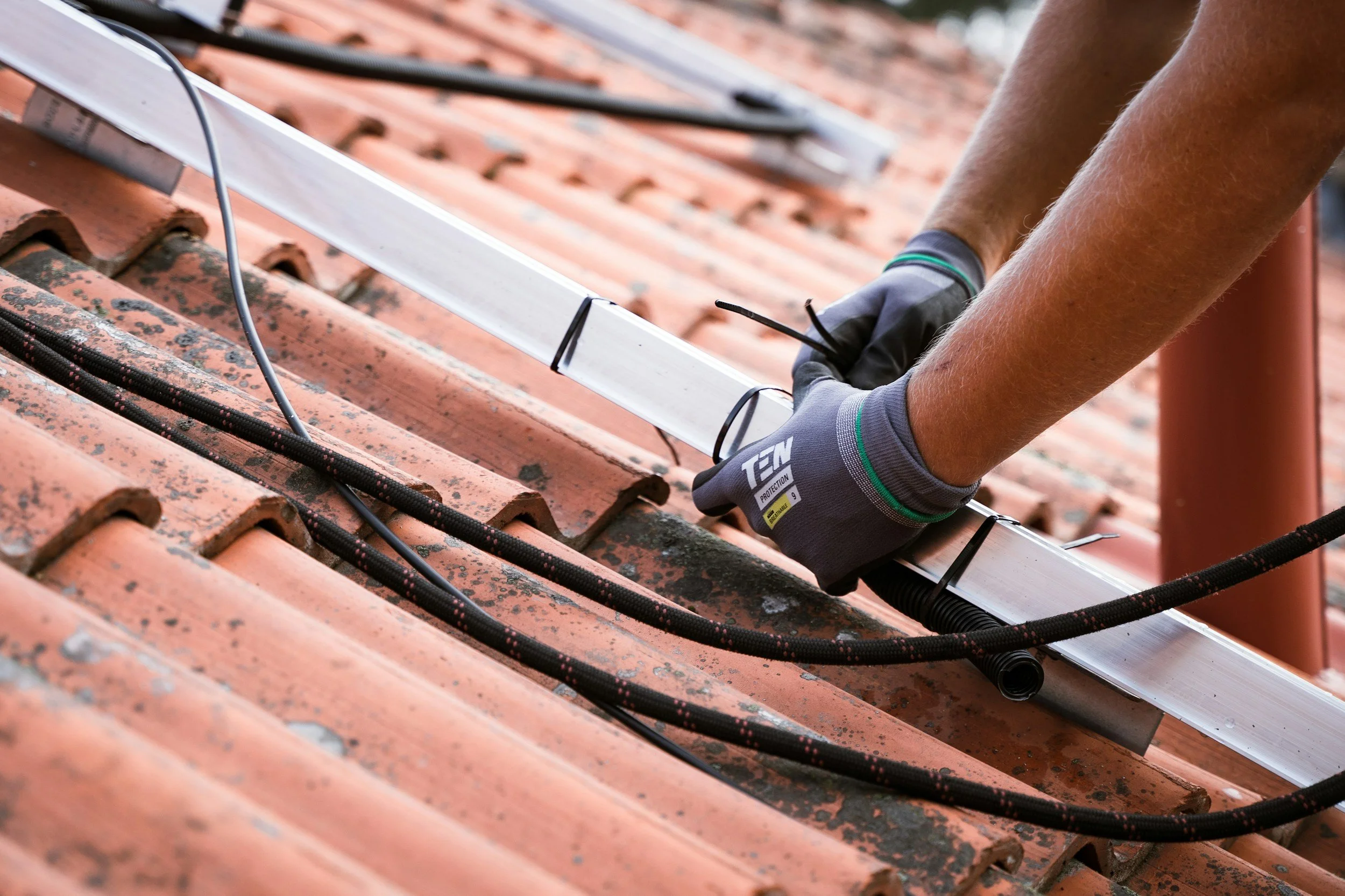
A strong roof is a non-negotiable when it comes to weather resilience. Here's how you can ensure your roof is up to the task: Schedule residential roofers for yearly inspections to check for damage. Look for missing shingles, loose fasteners, and damaged flashing. If any damage is found, make repairs promptly. Even small issues can become major entry points for water, wind, and pests. Use high-quality sealants to protect roof penetrations like vents, chimneys, and skylights. These are common areas where water can enter. If you're in an area prone to storms, consider reinforcing your roof with impact-resistant shingles or tiles.
Windows and Doors — Weather's Welcome Mats
Your windows and doors also require special attention to keep the weather outside where it belongs: The rubber seals around your windows and doors degrade over time. Check them annually and replace as needed to maintain a tight seal. Caulking can be a homeowner's best friend when sealing gaps. Apply new caulk around window and door frames as part of your seasonal maintenance routine. For areas prone to high wind, impact windows can provide an extra layer of protection.
Keeping Your Foundation Strong
A strong foundation is the backbone of your home. Protect it with these strategies: Frequent checks for new cracks or changes in existing ones can alert you to potential issues. Use appropriate sealants to fill in any cracks. This not only prevents water entry but also can help stabilize the concrete. Water pooling around the base of your home can exacerbate foundation issues. Ensure your home has good guttering and landscaping sloped away from the house.
Shielding Your Siding
Your siding does more than just look pretty. It's crucial to your home's defense: Inspect siding for cracks, holes, or damage. Address any issues immediately. If you notice any panels or pieces coming loose, secure them promptly. Regular cleaning can prevent mold and mildew growth, which can lead to further damage.
Landscaping That Doesn't Backfire
Proper maintenance and thoughtful placement can ensure your landscaping enhances, rather than endangers, your home: Overhanging branches can be torn off during storms, causing roof damage. Keep trees near the home well-trimmed. Make sure outdoor furniture, grills, and other loose items are anchored or stored during high-wind events. Gutters and proper landscaping can be used to direct water away from your home, reducing the risk of water damage.
By taking proactive measures to address the weaknesses in your home's exterior, you can significantly reduce the risk of weather-related damage. Remember that regular maintenance and preparation are key. Stay one step ahead of the weather, and it will have a much harder time finding a way to impact your home and your peace of mind.
Choosing the Right Roof for Your Climate
When it comes to selecting a roof for your home, climate plays a significant role in determining which type of roofing material will work best for you. Different climates present unique challenges to roofs, so it's essential to consider your specific climate when making this important decision. Here are some key factors to keep in mind when choosing the right roof for your climate.
When it comes to selecting a roof for your home, climate plays a significant role in determining which type of roofing material will work best for you. Different climates present unique challenges to roofs, so it's essential to consider your specific climate when making this important decision. Here are some key factors to keep in mind when choosing the right roof for your climate.
Understanding Your Climate
Before diving into the various roofing options available, it's crucial to understand the climate you live in. Are you in a hot and humid region, or do you experience cold and snowy winters? Is your area prone to severe weather events like hurricanes or tornadoes? By familiarizing yourself with the typical weather patterns in your region, you can better assess the demands that will be placed on your roof.
Hot and Sunny Climates
If you live in a hot and sunny climate, such as the desert Southwest, you'll want a roof that can withstand intense sunlight and high temperatures. Materials like clay tiles, metal roofs, or concrete tiles are excellent choices for these conditions. These materials reflect heat well and provide good insulation, helping to keep your home cool during scorching summer months.
Cold and Snowy Climates
For regions that experience cold winters with heavy snowfall, such as the Northeast or Midwest, durability and insulation are key considerations. Asphalt shingles are a popular choice for cold climates due to their affordability and ability to withstand snow loads. Metal roofs are also a good option as they shed snow easily and are highly resistant to damage from ice buildup.
Windy and Storm-Prone Climates
If you live in an area prone to high winds or severe storms, such as coastal regions or tornado alley, you'll need a roof that can stand up to these extreme weather conditions. Impact-resistant shingles or metal roofs are ideal choices for storm-prone areas, offering superior protection against wind damage and flying debris.
Humid Climates
In humid climates where mold and algae growth can be a problem, it's essential to choose a roof that is resistant to moisture and fungal growth. Materials like metal roofs or concrete tiles are excellent options for humid regions as they do not promote mold growth and are highly durable in moist environments.
Consult with Professional Roofers
If you're still unsure about what roofing solution is best for your local climate, consider consulting with professional residential roof installation services. They can provide you with valuable experience and knowledge about which materials and designs work best in various climates, ensuring your home is well-protected against local weather conditions. They can also offer insights into the newest and most efficient roofing technologies, potentially saving you money on energy bills in the long run. Additionally, professional installers ensure that the installation process adheres to building codes and regulations, reducing the risk of future legal and safety issues.
Choosing the right roof for your climate is crucial to ensuring the longevity and performance of your home's roofing system. By considering factors such as temperature extremes, precipitation levels, and weather patterns unique to your region, you can select a roofing material that will protect your home effectively for years to come. If you're unsure about which type of roof is best suited for your climate, consult with a professional roofer who can provide expert advice based on local conditions.
A Comprehensive Approach to Spider Removal: Inside and Outside Your Home
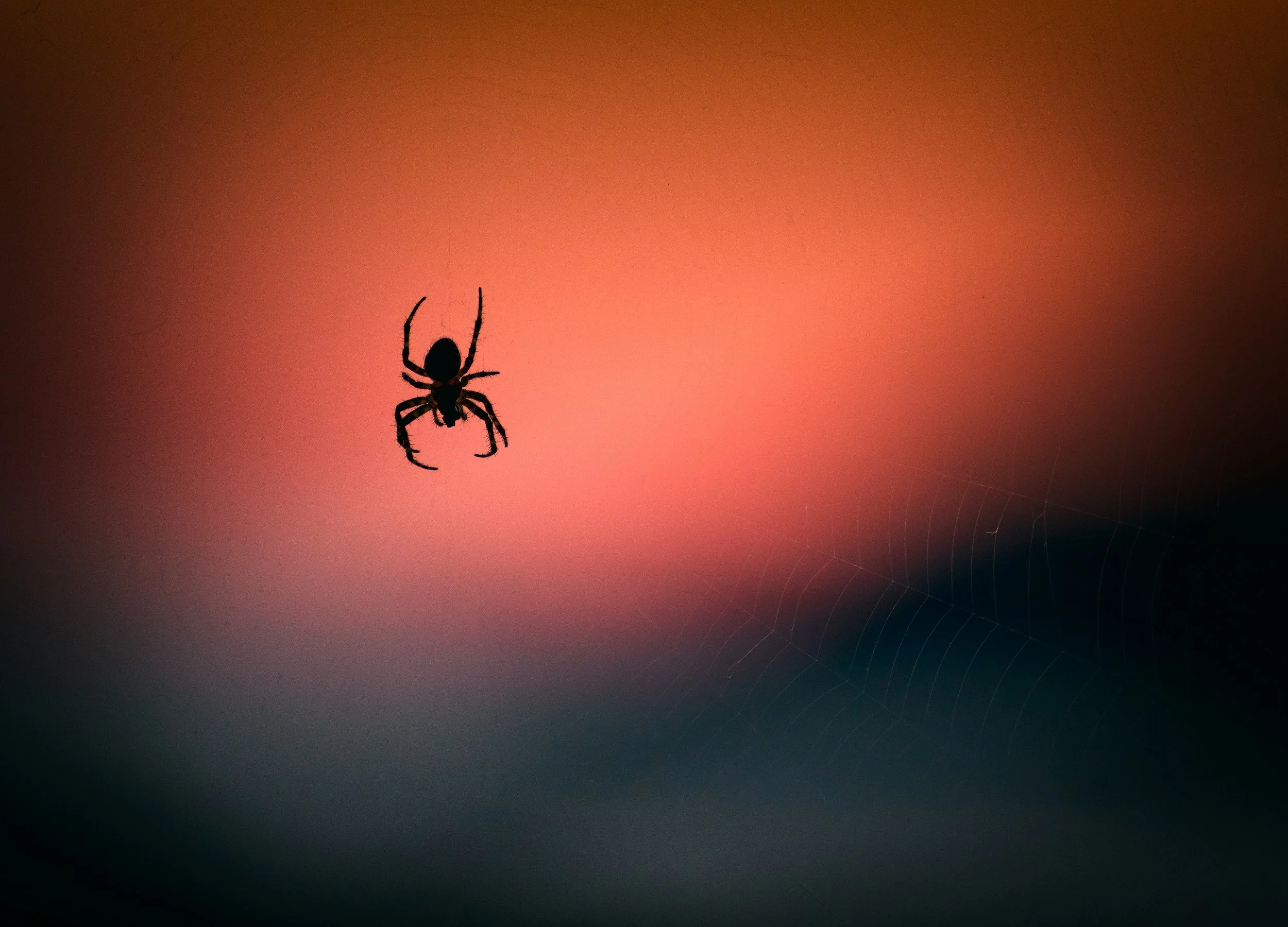
Spiders, the eight-legged friends that many of us prefer to admire from a distance, are more than just the misunderstood creatures lurking in the corners of our homes. For homeowners, the presence of spiders can be a signal that there are underlying issues with your living space or surrounding areas that are worth investigating. Whether you are an arachnophobe seeking peace of mind or a conscientious property owner looking to safeguard your home, this comprehensive guide is your go-to resource for ridding your living space of spiders, inside and out.

Spiders, the eight-legged friends that many of us prefer to admire from a distance, are more than just the misunderstood creatures lurking in the corners of our homes. For homeowners, the presence of spiders can be a signal that there are underlying issues with your living space or surrounding areas that are worth investigating. Whether you are an arachnophobe seeking peace of mind or a conscientious property owner looking to safeguard your home, this comprehensive guide is your go-to resource for ridding your living space of spiders, inside and out.
Insider of Your Home
Keep It Clean and Clutter-Free
Spiders love to inhabit dark, cluttered areas. Regularly vacuuming and dusting will eliminate their hiding spots and remove their food sources, such as small insects. Pay special attention to areas under furniture, corners of rooms, and the attic.
Minimize Entry Points
Seal up cracks and crevices in walls, floors, and around windows and doors. This not only keeps spiders out but also helps in reducing your energy costs.
Use Natural Deterrents
Plants like lavender, eucalyptus, and mint are known to repel spiders. They dislike the scent and will avoid areas where these plants are present.
Install Sticky Traps
Strategic placement of sticky traps, especially near known spider activity areas, can help catch and monitor these critters. Remember to place them out of reach of children and pets.
Call Professional Pest Control Services
If you have a severe infestation, it's always best to call in the professionals. They can identify the species, locate the source of the problem, and administer an effective treatment.
Outdoor Spider Removal Strategies
Landscaping and Habitat Modification
Maintain a tidy yard. Remove old plant matter and debris and keep the grass trimmed. Spiders will have fewer places to hide and build webs.
Exterior Sprays
There are various safe, spider repellent sprays available that you can use around the perimeter of your home to deter spiders from coming inside. Just be sure to use them according to the manufacturer's directions.
Sealing Cracks
Check the exterior of your home for any damage, such as holes in screens or openings in the foundation. Spiders can enter through surprisingly small gaps.
Lighting Adjustments
Spiders are attracted to light, which in turn attracts their prey. Consider using yellow or sodium-vapor lights which are less attractive to insects, and therefore, spiders.
Spider removal is a multi-faceted task that requires a blend of prevention, residential maintenance, and pest control methods. In following these steps, you'll not only be able to manage spider populations in and around your home but also maintain a cleaner, healthier living environment for both your family and the occasional arachnid visitor. Remember, your approach to spider removal should be as comprehensive as their capability to both intrigue and intimidate, and by understanding the tactics employed by these fascinating creatures, you will ultimately be better prepared to manage their presence in a safe and effective manner.

Protecting Your Space: Annual Inspections for a Safer Home Environment
As homeowners, ensuring the safety and security of our living space is a top priority. While we may take precautions such as installing smoke detectors and carbon monoxide alarms, there are other potential hazards that can go unnoticed without regular inspections. In this article, we will discuss the importance of annual inspections for maintaining a safe and healthy home environment. From electrical systems to structural integrity, we'll cover all the areas that should be checked to protect your space and give you peace of mind. Let's get started!
As homeowners, ensuring the safety and security of our living space is a top priority. While we may take precautions such as installing smoke detectors and carbon monoxide alarms, there are other potential hazards that can go unnoticed without regular inspections. In this article, we will discuss the importance of annual inspections for maintaining a safe and healthy home environment. From electrical systems to structural integrity, we'll cover all the areas that should be checked to protect your space and give you peace of mind. Let's get started!
Electrical Systems
One of the most common causes of house fires is faulty electrical systems. Over time, wiring can become worn or damaged, and appliances may begin to malfunction. This can lead to dangerous situations if left unchecked. Annual inspections by a qualified electrician can help identify any potential hazards and ensure that your home's electrical system is up to code.
The best time of year to do an electrical inspection is during the spring or fall, when the weather is milder. This allows for better access to outdoor components such as wiring and meters, as well as easier working conditions for the electrician. It's also a good idea to schedule an inspection after any major storms or natural disasters, as these can cause damage to the electrical system. By conducting annual inspections, you can catch any issues before they become major problems and ensure the safety of your home year-round.
Household Appliances
In addition to checking your electrical system, don't forget to inspect all household appliances on a yearly basis. This includes items such as stoves, refrigerators, and washing machines. Not only can faulty appliances pose a safety risk, but they can also be costly if they break down unexpectedly. By scheduling annual inspections for your appliances, you can catch any potential issues early on and save yourself from potential accidents or costly repairs.
If you do notice an appliance acting up or showing signs of malfunction, be sure to act quickly. Unplug the appliance and contact a professional for inspection and repairs. Do not attempt to fix the issue yourself, as this could be dangerous and potentially void any warranties on the appliance. It's also a good idea to check for recalls on your appliances and have them repaired or replaced if necessary.
Structural Integrity
The overall structure of your home should also be inspected on an annual basis. This includes the roof, walls, foundation, and any other structural components. Over time, wear and tear can cause cracks or weaknesses that may compromise the safety of your home. Identifying these issues early on through regular inspections can prevent major damage and keep your home safe.
To ensure a thorough inspection of your home's structure, it's best to hire a professional contractor or engineer. They will have the expertise and knowledge to identify any potential issues and provide recommendations for repairs or maintenance. You may also want to consider hiring an inspector who specializes in specific areas, such as roofing or foundation, for more specialized attention.
Health and Safety Inspections
Along with electrical, appliance, and structural inspections, don't forget to conduct health and safety inspections annually. This includes checking for mold growth, radon levels, and the presence of carbon monoxide. These can all be serious health hazards if not addressed promptly. It's also a good idea to check for any potential fire hazards such as cluttered areas or overloaded outlets.
If you suspect mold, radon, or carbon monoxide in your home, call a professional for testing and remediation as soon as possible. These types of hazards can be difficult to detect on your own and should be handled by trained experts. Look for certified technicians or inspectors who have experience dealing with mold identification, carbon monoxide detection, and home radon testing. They will have the proper equipment and knowledge to accurately test for these hazards and provide solutions to keep your home safe. Don't hesitate to reach out for help when it comes to protecting your space and maintaining a healthy living environment.
HVAC Systems
Heating, ventilation, and air conditioning (HVAC) systems are essential for maintaining a comfortable living environment. However, they also require regular maintenance to ensure they are functioning properly. Annual inspections of your HVAC system can help identify any potential issues and prevent breakdowns during extreme weather conditions. This will not only save you money on costly repairs, but it will also keep your home and family safe.
Although annual inspections for HVAC systems can be scheduled at any time of the year, it is recommended to get them checked in the spring or fall. This allows for better access to outdoor components and ensures that your system is functioning properly before extreme temperatures hit. It's also a good idea to schedule an inspection after any major storms or natural disasters, as these can cause damage to the system.
Regular inspections are crucial for maintaining a safe and healthy home environment. By checking electrical systems, household appliances, structural integrity, and HVAC systems on an annual basis, you can prevent potential hazards and ensure the overall safety of your living space. Don't wait until something goes wrong to address these issues—schedule your annual inspections today for a safer and more secure home. Good luck out there!

