

A resource for those seeking information on organizing and transforming spaces.

Six Home Improvement Projects to Simplify Your Summer
Summer is the season of relaxation, outdoor fun, and making precious memories. As the sun starts to shine brighter and the days longer, it's the perfect time to indulge in activities that bring joy and enhance the comfort of your home. Home improvement is not just about enhancing the aesthetic appeal of your space; it's also about creating a sanctuary that makes everyday life a little bit smoother. Whether it’s preparing for pool parties, building a backyard oasis, or simply ensuring that your home operates at its peak performance, these home improvement projects are sure to simplify your summer and beyond.
We partnered with a home improvement company for this post. The opinions in the post are honest. All reviews and opinions expressed in this post are based on our personal views. We are excited because we know you will love it.
Summer is the season of relaxation, outdoor fun, and making precious memories. As the sun starts to shine brighter and the days longer, it's the perfect time to indulge in activities that bring joy and enhance the comfort of your home. Home improvement is not just about enhancing the aesthetic appeal of your space; it's also about creating a sanctuary that makes everyday life a little bit smoother. Whether it’s preparing for pool parties, building a backyard oasis, or simply ensuring that your home operates at its peak performance, these home improvement projects are sure to simplify your summer and beyond.
Smart Home Updates for Efficiency
In summer, our homes often become a battleground between blistering heat and our cooling systems. Smart home technology can be the game-changer here, offering a range of options to ensure your home operates efficiently without breaking the bank. Consider investing in a smart thermostat that adjusts the temperature according to your schedule and preferences – saving on energy bills. Smart blinds that can be pre-programmed to block out the sun’s heat at its peak can also be a grand idea. Beyond temperature regulation, smart plugs and bulbs offer convenience and can be programmed to mimic your presence when you’re on vacation, enhancing security.
Another worthwhile investment is to make sure that your current appliances are working properly. A great deal of energy can be wasted if a fridge doesn’t close properly or if your sprinkler line has a leak in it, so getting an inspection on your appliances is a good idea. Further, spending money on things like washer and dryer repair is always going to be cheaper than buying new machines, so consider increasing the efficiency of your home via repairs this summer
Declutter and Organize Your Outdoor Spaces
Few things are as synonymous with summer as a good barbecue and lounging in the yard with a refreshing drink. However, clutter and disorganization can quickly turn those spaces into a headache. Start by decluttering your yard, garage, or shed, disposing of or donating items you no longer use. Invest in storage solutions that can withstand outdoor conditions, such as waterproof benches or deck boxes that double as seating and storage.
For your garden, elevated planters and hanging baskets not only save space but also provide easy access for maintenance and harvesting. Keeping outdoor areas tidy and organized means you can spend less time looking for things and more time enjoying the summer. Plus, a well-maintained outdoor space is inviting for both family and friends, making it the ideal backdrop for gatherings or simply a place to unwind.
High-Impact Cosmetic Touches for Drastic Effect
Sometimes, the smallest changes can have the biggest impact on how you feel about your home. A fresh coat of paint on the front door in a bold, summery color can instantly boost curb appeal. Similarly, repainting your patio furniture or changing the outdoor cushions to a brighter, more fun pattern can make your outdoor space feel like new.
Don’t overlook the power of greenery. Hanging or potted plants add a touch of nature and color that can invigorate any space. Also, consider adding lighting features like string lights or solar-powered lanterns for those long summer evenings. Additionally, you might want to install a Japanese soaking tub in your bathroom for a luxurious and relaxing touch. These high-impact cosmetic touches not only refresh the look of your home but also your enjoyment of the space.
Energy-Efficient Upgrades and Retrofits
Energy efficiency is a win-win – it’s good for the environment and your wallet. One of the best ways to achieve this is by replacing old, inefficient appliances with newer, Energy Star-rated models, which can save you substantial money on your energy bills.
However, if a full upgrade isn't feasible, there are still smaller retrofits you can do to improve performance. This may include sealing leaky windows and doors with weather stripping, installing low-flow faucets and showerheads to conserve water (a precious resource in the summer!), and adding more insulation to keep your home cooler without overworking the AC.
When it comes to energy, every little bit counts – and the summer is the perfect time to make these changes, as the savings will only compound as the years go by. Plus, you may be able to find rebates or tax incentives for making energy-efficient improvements, which sweeten the deal even further.
Keeping Your Space Free from Invasive Elements
One of the worst things you’ll run into during the summer is an infestation of pests or insects in places they don’t belong, such as a wasp nest above your garage or a colony of ants setting up in your sidewalk. It’s worth your while to take steps to prevent these invasions from finding root in your yard and home.
First, preventatively, hiring a residential pest control expert can offer your home protection from the first forays of bugs trying to find a new place to live. A standard routine will use pesticide in small amounts around the foundation of your home as well as most entrances and exits, leaving a long-term protective barrier that is lethal to insects but not to pets and people.
Second, make sure to clean up your food messes whenever they happen. Don’t leave trash on the ground or in your garbage bins for too long, as the summer heat rots food more quickly than in other seasons, producing very aromatic scents desirable to all kinds of pests. Being quick on the uptake of food waste can help reduce the number of invasive pests you’ll encounter.
Maintain Cool Air Quality Inside
Indoor air quality can have a significant impact on your health and comfort, particularly during the summer. High-efficiency particulate air (HEPA) filters for your HVAC system can dramatically improve air quality by capturing small particles that can cause allergies or other respiratory issues.
Regular cleaning and maintenance of your HVAC system, including ductwork and vents, will also ensure that the air circulating in your home is clean and your system is running efficiently. Equally important is the control of humidity – ensure that your dehumidifier is working effectively to reduce mold and mildew, especially in areas prone to excess moisture such as basements or bathrooms.
In addition, consider adding houseplants known for their air-purifying qualities, such as spider plants or peace lilies, to further enhance indoor air quality. When you can breathe easy and stay cool inside during those hot summer days, it’s easy to relax and enjoy the season.
Summer home improvement isn't just about beautifying your space; it's about crafting an environment that aligns with the spirit of the season – one that promotes ease, leisure, and enjoyment. Whether you're investing in sustainable technology, sprucing up your space with cosmetic changes, or preparing for outdoor entertaining, each project contributes to a home that supports your lifestyle and resonates with your personal style. Upgrading your home not only simplifies your summer but also paves the way for year-round comfort and contentment. Remember, the smallest improvement can bring the most significant difference, so why not start today?

5 Comprehensive Strategies for Leak Detection and Repair
Water leaks can be a homeowner's worst nightmare, causing damage to your property and leading to costly repairs. However, with the right strategies in place, you can detect and repair leaks before they become a major problem. This blog post will discuss five comprehensive strategies for leak detection and repair that will help you protect your home and save money in the long run.
We partnered with a home improvement company for this post. The opinions in the post are honest. All reviews and opinions expressed in this post are based on our personal views. We are excited because we know you will love it.
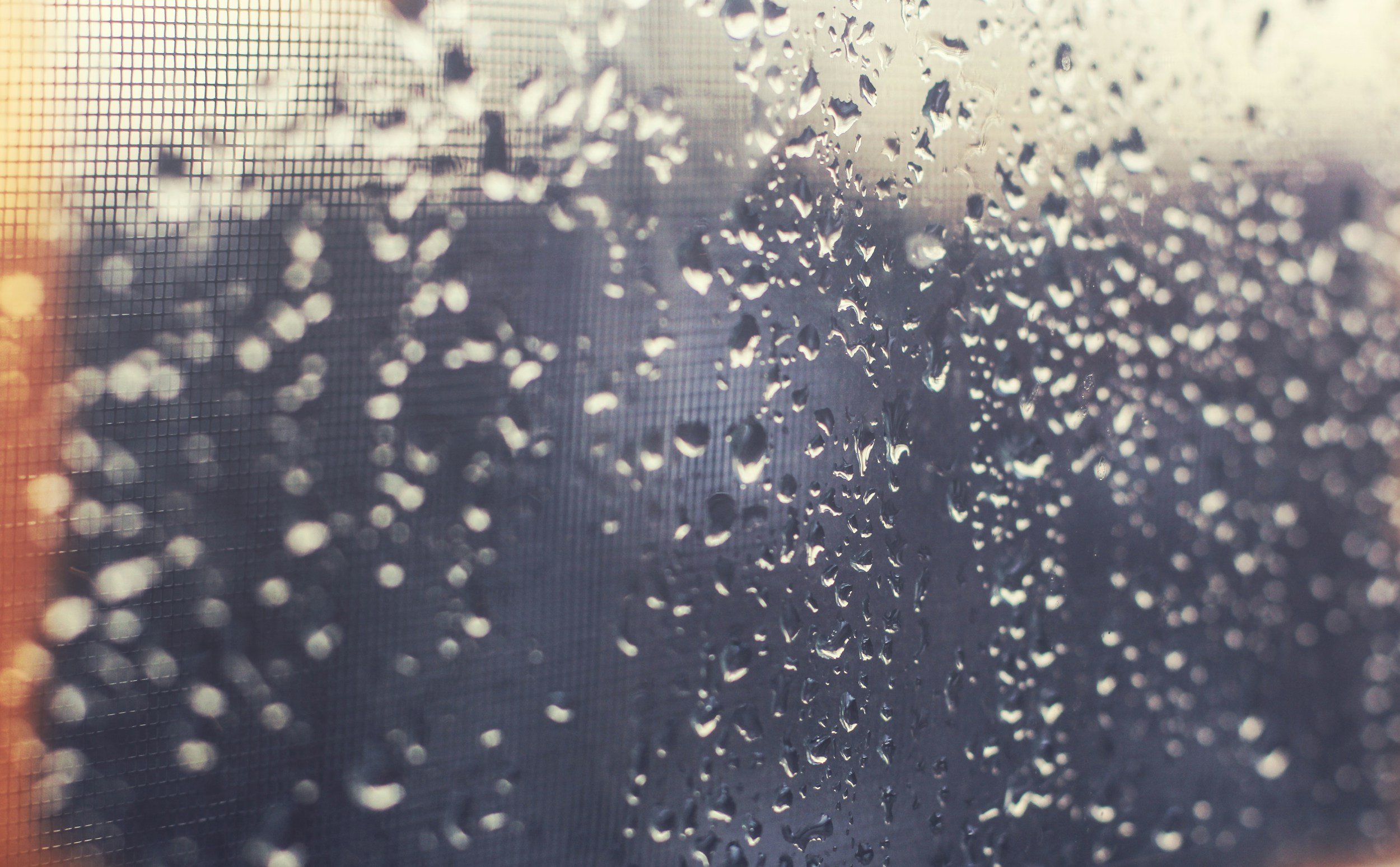
Water leaks can be a homeowner's worst nightmare, causing damage to your property and leading to costly repairs. However, with the right strategies in place {and support from a leak detection specialist, you can detect and repair leaks before they become a major problem. This blog post will discuss five comprehensive strategies for leak detection and repair that will help you protect your home and save money in the long run.
Regular Inspections
One of the most important strategies for leak detection is to conduct regular inspections of your plumbing system. Look for signs of water damage such as damp spots on walls or ceilings, mold growth, or musty odors. Check under sinks, around toilets, and behind appliances for any visible signs of leaks. Additionally, keep an eye on your water bill - a sudden increase could indicate a hidden leak.
Utilize Technology
In today's digital age, there are many technological tools available to help detect leaks in your home. Consider investing in a smart water leak detector that can alert you to any abnormalities in your water usage. You can also use a thermal imaging camera to detect hidden leaks behind walls or under floors. These tools can help you pinpoint the location of a leak quickly and accurately.
Monitor Water Pressure
High water pressure can put stress on your plumbing system and lead to leaks over time. Use a pressure gauge to monitor the water pressure in your home regularly. If the pressure is consistently too high, consider installing a pressure regulator to protect your pipes from damage and prevent future leaks.
Seal Leaks Immediately
If you do discover a leak in your home, it is crucial to take action immediately. Ignoring a small leak can lead to bigger problems down the road, including mold growth and structural damage. Use waterproof tape or sealant to temporarily stop the leak while you wait for professional help to arrive.
Hire a Professional
While some minor leaks can be repaired by homeowners, it is always best to hire a residential plumber for more complex issues. A skilled plumber will have the expertise and equipment needed to accurately diagnose the source of the leak and make lasting repairs. Investing in professional help upfront can save you time and money in the long run by preventing further damage.
By implementing these comprehensive strategies for leak detection and repair, you can protect your home from water damage and ensure that your plumbing system remains in good condition for years to come. Remember to conduct regular inspections, utilize technology tools when needed, monitor water pressure levels, seal leaks immediately, and seek professional help when necessary. With these strategies in place, you can rest easy knowing that your home is safe from costly water leaks.

How to Spot Early Signs of Foundation Damage and Water Intrusion in Your Home
Foundation issues and water intrusion can wreak havoc on your home if left unaddressed. By learning how to identify the early signs of these problems, you can take proactive steps to protect your property and prevent costly repairs down the line. Here are some key indicators to watch out for:

Foundation issues and water intrusion can wreak havoc on your home if left unaddressed. By learning how to identify the early signs of these problems, you can take proactive steps to protect your property and prevent costly repairs down the line. Here are some key indicators to watch out for:
Cracks in the Walls
One of the most common signs of foundation damage is the appearance of cracks in your walls, especially near doors and windows. These cracks may start small but can quickly worsen if not addressed promptly. Keep an eye out for vertical or diagonal cracks, as well as any that are wider than a quarter inch.
Uneven Floors
If you notice that your floors are sloping or uneven, it could be a sign of foundation settlement. Use a level to check for any significant deviations from horizontal surfaces. Uneven floors can also lead to issues with doors sticking or not closing properly.
Water Stains or Mold Growth
Water intrusion can cause unsightly stains on your walls or ceilings, as well as promote mold growth. Check for any signs of water damage, such as discolored patches or musty odors. Should you find any, contact a water damage restoration specialist immediately. These professionals can conduct a thorough assessment of your home, identify the source of the problem, and recommend effective solutions. Timely intervention by experts can mitigate the risk of further damage, safeguarding your home's structural integrity and the health of its occupants.
Doors and Windows That Stick
Doors and windows that exhibit visible gaps at the top or bottom are also indicative of potential foundation issues. These gaps can allow exterior air and moisture to enter your home, complicating the situation with additional problems such as increased energy bills and the potential for water damage. Regularly inspect the frames of doors and windows for signs of distortion or separation from the house structure, which could signal underlying shifts and movement in the foundation. Ensuring these issues are addressed promptly can prevent more severe structural damage and maintain the overall integrity and value of your home.
Puddles Around the Foundation
Pooling water around your home's foundation can indicate poor drainage or grading problems. Ensure that water is directed away from your home to prevent excess moisture from seeping into the foundation. Standing water near the foundation can weaken the soil and contribute to structural issues over time.
Exterior Cracks in Bricks or Concrete
Inspect the exterior of your home for any visible cracks in the bricks or concrete walls. These cracks may indicate foundation movement or settling. Keep an eye out for stair-step cracks in masonry joints, as well as any gaps between bricks or blocks.
Sagging or Bowing Walls
Foundation problems can also manifest as walls that appear bowed or sagging inward. This condition often results from excessive hydrostatic pressure from the soil outside the foundation walls, particularly in areas with expansive clay soils or inadequate drainage systems. It's crucial to act swiftly when these symptoms appear, as delayed repairs can lead to more complicated and costly interventions. A structural foundation repair specialist can evaluate the extent of the damage using precise tools and techniques, offering solutions such as wall anchors or carbon fiber straps to stabilize and straighten the affected walls, thus preventing further degradation of your home's structural integrity.
Early detection of foundation damage and water intrusion is key to preserving the structural integrity of your home. By staying vigilant and addressing these issues promptly, you can avoid costly repairs and ensure the longevity of your property. If you suspect foundation problems, don't hesitate to consult with a professional foundation repair contractor to assess the situation and recommend appropriate solutions tailored to your specific needs.
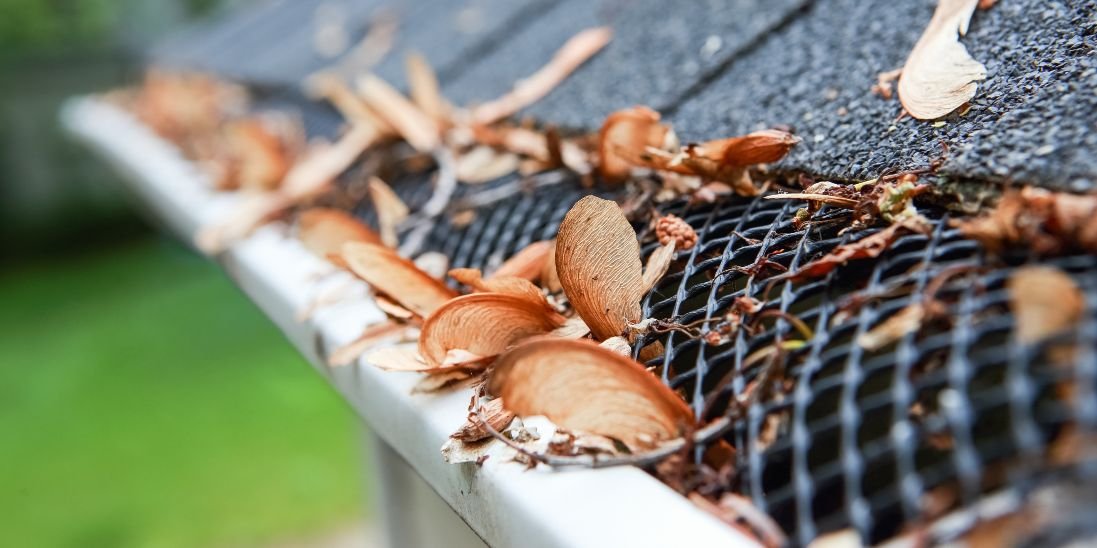
7 Ways To Protect Your Gutters From Clogging
It’s not glamorous to think about gutter maintenance, but ignoring them could lead to clogging. Discover ways to protect your gutter against clogs here.
We partnered with a home improvement company for this post. The opinions in the post are honest. All reviews and opinions expressed in this post are based on our personal views. We are excited because we know you will love it.
If you’re a homeowner, you probably don’t think about your gutters too often—except maybe when it’s raining. But trust me, these handy chutes keep your home safe. When neglected, gutters can transform from unnoticeable features into colossal mess-makers. We’re talking flooded basements, cracked foundations, and even leaky ceilings. Check out these ways to protect your gutters from clogging.
1. Clearing Gutters Regularly
This job is not glamorous, but it’s necessary. Regularly removing leaves, twigs, and other debris can stop clogs before they start. Plan your cleanings after the leaves have fallen for maximum efficiency. Get a good ladder, put on some gloves, and start scooping.
2. Installing Gutter Guards
If manually cleaning is not your scene, gutter guards might be your answer. By preventing larger debris from entering your gutters in Cincinnati, frequent cleaning becomes less necessary. There are multiple guards available, from screens to foam inserts, so ensure you find the best fit for your house.
3. Trimming Overhanging Branches
A simple act of landscaping can save you a headache later. Overhanging tree limbs can wreak havoc on your gutters. Trim them back so they stay off your roof and out of your gutters.
4. Ensuring Proper Drainage
Your downspout is like the gutter gatekeeper. If it’s clogged, bent, or dislodged, water can’t flow away from your home properly, leading to back-ups and potential damage. Regularly check that your downspouts are clear and angled correctly to channel water away from your home’s foundation.
5. Professional Maintenance
Sometimes, DIY isn’t the best call, especially when three-story ladders are involved. Invest in an annual professional gutter check-up to keep the problems away. They’ll have the right equipment, experience, and insurance.
6. Look for Common Gutter Issues
Notice any sagging or pulling away from your home? There are common gutter issues many homeowners have to fix, and spotting signs of these issues could mean you’re dealing with one. Routinely check for peeling paint or mildew on the exterior of your home—these issues could indicate that your gutters are not properly channeling water.
7. Extending Downspouts
The standard downspout length isn’t enough to ensure water is carried a safe distance from your home. Adding an extension can redirect water where you want it—anything from a few feet to several yards from your foundation.
Home gutter maintenance goes a long way in protecting against clogs. They may not be the most glamorous part of your house, but they’re first-string defense when it comes to preventing water damage. Follow these tips, and your gutters—and the rest of your home—will be in tip-top shape.

