

A resource for those seeking information on organizing and transforming spaces.

5 Home Repair Projects to Complete While the Weather is Warm
With the sun shining brightly and the days stretching longer, now is the opportune time for homeowners to tackle those outdoor home repair projects. Not only does the warm weather provide the perfect condition for working outdoors, but taking care of these tasks now can prevent potential damage and costly repairs in the future. Here’s a list of five home repair projects you should consider completing while the weather is in your favor.
With the sun shining brightly and the days stretching longer, now is the opportune time for homeowners to tackle those outdoor home repair projects. Not only does the warm weather provide the perfect condition for working outdoors, but taking care of these tasks now can prevent potential damage and costly repairs in the future. Here’s a list of five home repair projects you should consider completing while the weather is in your favor.
Deck Maintenance
Your deck has likely weathered the storms of winter and now needs a little TLC. Inspect your deck for signs of wear and tear such as loose boards, protruding nails, or areas that need re-staining. Cleaning, repairing, and resealing your deck not only extends its life but also maintains its beauty, ensuring it’s ready for all the backyard barbecues and summertime lounging.
Pro tip: Check for water damage or rot, especially in areas where moisture might accumulate. Catching these issues early can save you from more significant repairs down the line.
Gutter Cleaning and Repair
Gutters play a crucial role in directing rainwater away from your home’s foundation, walls, and roof. However, they can easily become clogged with leaves, twigs, and debris, especially after the fall and winter months. Use the warm weather as an opportunity to clean out your gutters and downspouts to prevent water damage and protect your home’s structural integrity.
Pro tip: Consider installing gutter guards to minimize future debris accumulation and make gutter maintenance easier.
Roof Inspection and Repair
Winter can be harsh on your roof. From heavy snow to ice dams, the colder months can leave their mark, potentially leading to leaks and water damage inside your home. Taking the time to inspect your roofing—or hiring a professional to do so—can help you identify and address any issues. Look for missing, loose, or damaged shingles and ensure your roof is in top condition to withstand the elements.
Pro tip: Don’t forget to check flashing around chimneys, vents, and skylights, as these areas are prone to leaks.
Painting and Exterior Touch-Ups
Warm, dry weather is ideal for outdoor painting projects. Whether it's touching up the trim, refreshing your home’s exterior, or staining the fence, painting not only boosts curb appeal but also provides a layer of protection against the elements. Choose a paint or stain suited for exterior use and suited to withstand your local climate.
Pro tip: Lighter colors not only brighten up your home but also reflect sunlight, which can help keep your home cooler during the warmer months.
HVAC and Air Filtration
With spring blowing in the breeze, there’s an abundance of allergens floating around and trying to get into your home. Taking time to change your filters for both your furnace and your AC will help you breathe more easily during the warm months. As well, now is the perfect time to make sure your heating systems are working properly in preparation for winter to come
Pro tip: Consistency is key for preventing issues, so make sure to get an inspection and/or cleaning annually for your HVAC ventilation and filtration systems.
Summer provides an excellent window of opportunity to complete these essential home repair projects. Not only does taking care of these tasks maintain or improve the functionality and appearance of your home, but it also enhances your property's value and prevents future repair costs. Remember, while it's tempting to tackle all your home repair projects at once, prioritize those that protect your home’s structural integrity and overall safety. Happy repairing!
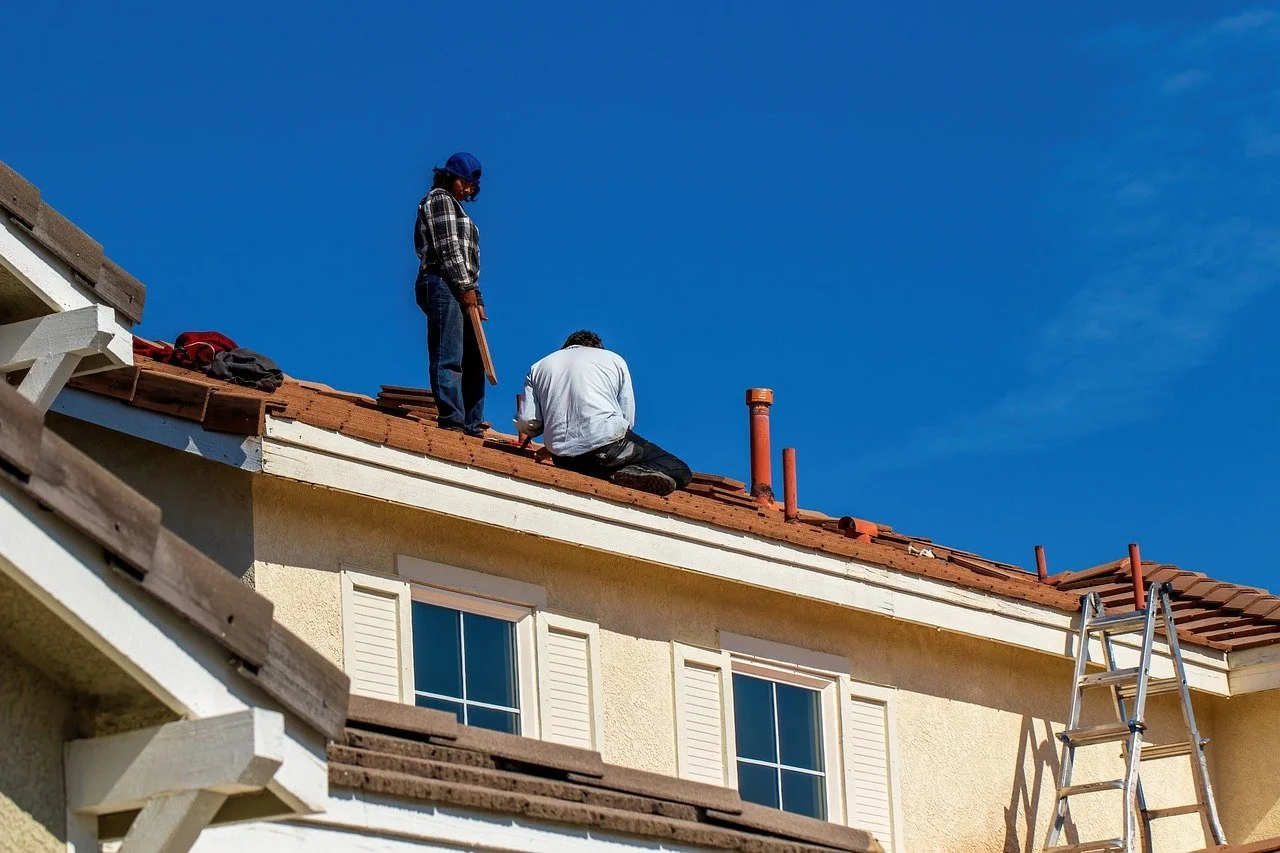
What Roof Repairs Do I Need a Professional For
Roofs play a critical role in protecting our homes from the elements, yet they are often overlooked until a problem arises. This article sheds light on various roof repairs and when it's advisable to handle them on your own versus when to call in the professionals. While the DIY approach can be appealing for minor repairs or routine maintenance, certain tasks require the specialized skills, tools, and knowledge that only experienced roofers can provide. Understanding the difference can save homeowners time, money, and ensure their roof remains in optimal condition for years to come.
Roofs play a critical role in protecting our homes from the elements, yet they are often overlooked until a problem arises. This article sheds light on various roof repairs and when it's advisable to handle them on your own versus when to call in the professionals. While the DIY approach can be appealing for minor repairs or routine maintenance, certain tasks require the specialized skills, tools, and knowledge that only experienced roofers can provide. Understanding the difference can save homeowners time, money, and ensure their roof remains in optimal condition for years to come.
Leak Detection and Repair
Leak detection in your roof requires a nuanced understanding of roofing systems, making it a task best left to professionals. They're equipped with the tools and expertise to accurately identify the source of leaks, which isn't always straightforward, as water can travel far from the initial entry point before causing visible damage. Attempting DIY repairs on a leak could lead to overlooking the true source, ultimately causing more extensive damage over time. Professional roofers not only fix the current leak but also assess your roof for potential future issues, ensuring your home stays dry and secure.
Replacing Shingles: DIY or Call an Expert?
When it comes to replacing shingles, the decision between DIY and calling a professional can depend on several factors. If you're comfortable with heights and have a basic understanding of roof structures, replacing a few missing or damaged shingles can be a manageable task. However, it's crucial to assess the extent of the damage and consider the age of your roof. For widespread damage or replacement on older roofs, a professional roofer's expertise ensures that the underlying issues are addressed, preventing further damage and extending the lifespan of your roof. Additionally, a pro can also match shingles perfectly, maintaining the aesthetic appeal of your home.
Gutter Maintenance: A Balancing Act
Gutter maintenance might seem like a straightforward task, and in many cases, it can be. Clearing leaves and debris from gutters can prevent water damage to your roof and the foundation of your home, tasks which can often be undertaken by the homeowner. However, if gutters are not properly installed or need repair beyond simple cleaning, it's wise to consult a professional. Gutter placement is finicky and can lead to leaks if not properly aligned. They can ensure that gutters are correctly aligned, have no leaks, and are securely attached to your home, preventing potential water-related issues and ensuring optimal functionality.
Structural Damage: The Professional Touch
Structural damage to your roof is a serious concern that should be addressed by a professional roofer without hesitation. This type of damage can compromise the integrity of your entire home, leading to potential safety hazards for you and your family. Professionals have the skills, tools, and knowledge necessary to assess the full extent of structural damage and implement the correct repairs. They understand the building codes and standards required for a safe and secure repair, ensuring your roof will stand strong against future challenges. DIY attempts at fixing structural damage can lead to improper repairs, which might not only fail but also void warranties or insurance claims.
Insulation and Ventilation Upgrades
Improving your roof's insulation and ventilation might not seem as urgent as fixing a leak or replacing shingles, but these upgrades are crucial for the health of your home. Professional roofers have the experience to assess your current insulation and ventilation system and recommend changes that could significantly improve energy efficiency and reduce moisture problems. Attempting to upgrade insulation or ventilation without a thorough understanding of roof systems can lead to inadequate ventilation, moisture issues, and even reduce the lifespan of your roof. It's wise to rely on professionals who can ensure your roof is not only energy-efficient but also properly ventilated to prevent issues like mold, mildew, and ice dams during colder months.
In conclusion, while the allure of DIY home projects can be strong, especially when it comes to saving money and the satisfaction of personal achievement, it’s clear that certain roof repairs demand a professional touch. From the precision required in leak detection and structural damage repair to the expertise needed for effective insulation and ventilation upgrades, professional roofers bring invaluable skills and insights to the table. Remember, your home's roof is not just another project; it's the protective layer that shields your home from the elements. Ensuring it's in top condition through professional care can save you time, money, and peace of mind in the long run. Whether you're facing minor shingle replacement or major structural repairs, don't hesitate to call in the experts.

How to Move to a Luxury Apartment
Moving into a luxury apartment is a dream come true, especially if you move from regular flats. The thought of unwinding in a state-of-the-art fitness center after a long day or dipping in a sparkling rooftop pool gets your heart racing.
We partnered with a real estate company. for this post. The opinions in the post are honest. All reviews and opinions expressed in this post are based on our personal views. We are excited because we know you will love it.

Moving into a luxury apartment is a dream come true, especially if you move from regular flats. The thought of unwinding in a state-of-the-art fitness center after a long day or dipping in a sparkling rooftop pool gets your heart racing.
Moving into luxury apartments allows you to experience refinement and comfort. While it comes at a hefty price, it's worth it if you prioritize convenience, top-notch amenities, and stunning living space.
However, a luxury apartment move requires more planning and preparation than a standard move. Before you pop on the bubbly and celebrate, settle in. So, what exactly do you need to move into a luxury apartment? Let's take you through the process.
Secure Your Dream Apartment
Your journey to your dream luxury apartment starts with securing a lease. But before you get there, there are several factors to remember: location, amenities, security, and convenience.
Luxury living means prime real estate in desirable neighbourhoods. When looking for a luxury apartment, focus on a prime location, stunning in-building features like a fitness center or pool, and modern finishes. Look for top-notch security and unique amenities that suit your lifestyle.
But before you look for luxury apartments, remember they come at a premium price and often have strict application requirements. Be prepared to provide excellent credit score verification, proof of income that meets the building's minimum threshold, and a security deposit.
Review the lease agreement carefully once they verify you are a potential candidate. Pay attention to rent amounts, pet policies, and move-in/out procedures.
Plan to Move
If you find a luxury apartment, it's time to move. Think about the new apartment layout and everything it comes with. This tip will help you decide what to bring to your new home.
Take this opportunity to declutter so you don't carry anything you don't want. If the apartment is fully furnished, all you need are your clothes. If not, make a list of all the appliances in the apartment. Use it to create a list of essentials you'll need to carry.
Packing for Luxury Living
At this point, you need ruthlessness. You are moving into luxury, so you cannot carry clutter. Less is more. Again, because luxury apartments usually have sleek, modern designs, they may have less storage space than traditional homes. Only pack the items on the list you created earlier. Sell or donate everything else.
Purchase sturdy packing supplies to protect your furniture during the move. Clearly label each box with its contents and destination room for a stress-free unpacking process. Remember to pack a separate box with the items you'll need immediately. These items include toiletries, medications, a change of clothes, basic cleaning supplies, a few dishes, and towels.
Actual Moving
After securing the lease, coordinate with building management to set a move-in date that works for everyone. Some buildings may restrict elevator access during peak times, so plan accordingly.
The easiest way to move is to hire professional movers. They'll do the heavy lifting and ensure a smooth transition. Your only responsibility will be to direct them where to place each item. If you want to avoid moving costs or only move a handful of items, you could invite your friends to help. However, it will be challenging, and you might regret it later if you underestimate the items.
Unpacking
If you hire movers, this part is easier because they'll place everything where it's supposed to be. If it's a DIY project, it might take several days. Start by unpacking a separate box with essential items. It should have sufficient items for day one and the next morning. Continue unpacking depending on the urgency and importance.
Once settled, you can determine if you like the house. If not, you can personalize it with a tasteful décor that reflects your style. It will transform your luxurious apartment into a home. You can collaborate with an interior designer or find inspiration on Pinterest for better results.
Settling In and Living the High Life
Now comes the fun part: exploring your new apartment's luxurious amenities! Take time to familiarize yourself with the fitness center, pool, concierge services, resident lounges, and other perks with your lease.
Don't forget to inquire about resident events and community features. These are fantastic ways to connect with your neighbours and get a feel for the building's atmosphere.

How to Prepare for Moving to Another City
Moving to a new home is easier if you are well-prepared for your move. And, of course, proper planning is even more essential if you are about to move to a different city.
We partnered with a storage company. for this post. The opinions in the post are honest. All reviews and opinions expressed in this post are based on our personal views. We are excited because we know you will love it.

Moving to a new home is easier if you are well-prepared for your move. And, of course, proper planning is even more essential if you are about to move to a different city.
Whether you want to move to attend college, to take advantage of a great job opportunity, to get closer to your family, or simply because you want to get settled in a location you love, learn how to plan to move to another city long before you start packing your boxes.
Do some research
Even if you already know the city where you want to move, you should do some thorough research. Learn as much as possible about neighbourhoods where you want to settle.
Research the job market, the public transportation options, the amenities, and the safety of different areas of your future city so you can make an informed decision.
Make your moving budget
You must also know the living costs of relocating to this city. List all your possible expenses, such as the average costs of buying or renting a home. Include your future monthly utility bills and all school expenses if you have children. Considering moving costs, you might need to save money before moving.
Look for your new home
If you want to rent an apartment in another city, look for different options online. Of course, you will eventually need to travel to your new city to visit the apartment you want to rent. You will also need to sign the necessary paperwork.
If you want to buy a house, it could be an excellent idea to contact a real estate agent who knows the neighbourhood where you wish to move.
Sell your current home or end your lease
You will eventually need to sell your house or end the lease on the apartment you rent. Knowing you will have a home to move to might be best before listing your house or notifying your landlord.
Rent a moving truck or a moving storage container
If you want professional movers to handle everything, schedule your move long in advance. You want a team of movers and a moving truck ready for you when it fits your schedule.
Moving storage containers is another option to accommodate your needs. This is especially true if you need temporary storage before moving into your new home.
Declutter your home and make an inventory of your belongings
A practical tip for planning a move to another city is to declutter your home before packing your belongings.
Be sure to eliminate all the items you don’t want or need anymore, either by selling them, donating them, or throwing them away. The fewer items you have to pack and move, the cheaper your move will be. You should also inventory all the stuff you want to move.
Pack your belongings
Next, you will have to pack all your belongings. Start at least a few weeks before moving day, so you have plenty of time to do everything properly.
Remember to pack a box or bag of essentials in your car. Household members should have a bag of essentials, toiletries, and at least a change of clothes.
Take care of your utilities
Making the arrangements for utilities is natural when moving into your first home. Call your current utility companies to tell them when you will move out, and contact the utility providers in your new city to let them know when you will move into your new home.
Move and get settled in your new home
On a moving day, ensure your car has a full gas tank. Pack your essentials and snacks in your car while your movers handle the rest. Don’t forget to tip them when you pay them. Travel to your new home in your new city and start unpacking as soon as possible.
Change your address and transfer your records
Remember to change your address at the post office and any subscriptions. Arrange for your medical and dental records to be transferred to your new healthcare provider.
If you have kids, also arrange for their records to be transferred to their new school. And, of course, let your loved ones know your new address.
Explore your new city and develop your new routine
Now that your move is complete explore your new neighbourhood, get familiar with your new surroundings, and get used to your new life. You should quickly develop a new routine and make new friends.

