

A resource for those seeking information on organizing and transforming spaces.

8 Property Management Mistakes Property Owners Can Avoid: Expert Advice!
Owning a property can be a rewarding investment. However, it comes with its fair share of challenges and responsibilities. Managing a property requires diligence, foresight, and expertise to ensure its success. While there is no definitive roadmap to perfection, there are common pitfalls that property owners can avoid. In this guest post, we will explore eight property management mistakes and offer expert advice on how to steer clear of them.
We partnered with a management company for this post. The opinions in the post are honest. All reviews and opinions expressed in this post are based on our personal views. We are excited because we know you will love it.

Owning a property can be a rewarding investment. However, it comes with its fair share of challenges and responsibilities. Managing a property requires diligence, foresight, and expertise to ensure its success. While there is no definitive roadmap to perfection, there are common pitfalls that property owners can avoid. In this guest post, we will explore eight property management mistakes and offer expert advice on how to steer clear of them.
1. Neglecting Regular Maintenance
One of the most significant mistakes property owners make is neglecting regular maintenance. In an effort to cut costs or save time, they overlook crucial upkeep tasks like plumbing repairs, HVAC system maintenance, or roof inspections. Ignoring these issues can lead to more significant and costly problems down the line.
Expert Advice: Ensure you have a comprehensive maintenance plan in place. Regular inspections should be conducted by reputed providers of property management in Wellington, and any problems should be addressed promptly. Consider hiring professionals to handle complex tasks for efficient and reliable results.
2. Failing to Screen Tenants Thoroughly
Choosing suitable tenants is paramount in maintaining a well-functioning rental property. Failing to screen potential tenants thoroughly increases the risk of problem renters who may cause damage, create disturbances, or fail to pay their rent on time.
Expert Advice: Implement a robust tenant screening process that includes background checks, credit history verification, employment verification, and reference checks. This will help identify responsible tenants who are likely to uphold their end of the rental agreement.
3. Poor Communication with Tenants
Effective communication is key to building strong relationships with your tenants. Some property owners make the mistake of being unresponsive or unclear when it comes to addressing concerns or providing necessary information.
Expert Advice: Establish clear lines of communication from the beginning by providing multiple contact channels such as phone numbers and email addresses. Respond promptly to tenant inquiries or complaints and keep them informed about any changes or updates regarding the property.
4. Not Understanding Fair Housing Laws
Property owners must be familiar with and comply with fair housing laws to avoid potential legal issues. Failure to understand these laws can result in accusations of discrimination or other violations.
Expert Advice: Educate yourself about fair housing laws in your area. Stay updated on any changes to regulations and ensure your rental practices align with them. If needed, consult legal professionals or property management experts to mitigate the risk of violating these laws.
5. Skipping Property Inspections
Foregoing regular property inspections is a mistake that can have serious consequences. By neglecting this crucial task, property owners may miss necessary repairs, potential safety hazards, or signs of tenant negligence.
Expert Advice: Schedule regular property inspections to identify and address any maintenance or safety issues promptly. Create checklists for each inspection and document any findings as evidence for reference in the future.
6. Mispricing Rental Units
Pricing rental units too high or too low can be detrimental to your investment goals. Overcharging may deter potential tenants, while undercharging could significantly impact your profitability.
Expert Advice: Conduct thorough market research to determine competitive rental rates in your area. Consider factors such as location, amenities offered, square footage, and demand/supply dynamics when setting rental prices that align with market trends.
7. Ignoring Eviction Procedures
Facing problematic tenants can be challenging for property owners; however, disregarding proper eviction procedures can make matters even more complicated.
Expert Advice: Familiarize yourself with local eviction laws and procedures before facing such situations. Keep detailed records of lease agreements, communicate with tenants regarding violations or missed payments, and document every step taken towards an eventual eviction process if required.
8. Inadequate Insurance Coverage
Insufficient insurance coverage is a major oversight some property owners make, which exposes them to significant financial risks. Without the appropriate coverage, they may face losses due to accidents or damages beyond their control.
Expert Advice: Consult a reputable insurance provider specialising in landlord policies. This will help you understand the coverage needed for your specific type of property. Be aware of potential risks associated with your property and review your coverage regularly to ensure it aligns with your needs.
Conclusion
By avoiding these common property management mistakes, property owners can enhance their investment returns and provide a quality living experience for their tenants. Dedicated time to thorough tenant screening, regular maintenance, effective communication, and understanding of legal responsibilities. By doing so, you can set yourself up for success in the often challenging world of property management. Remember, even the most seasoned professionals have room to grow and learn from past mistakes – striving for continuous improvement is an important part of being a responsible property owner.

Common Injuries That Happen During Furniture Moving and How to Avoid Them?
Moving furniture can be a strenuous and physically demanding task. It requires lifting, carrying, and manoeuvring heavy objects, making it all too easy for accidents to occur. Whether you are moving furniture within your home or relocating to a new residence, it is crucial to prioritise safety and take preventive measures. This guest post will highlight the common injuries that happen when furniture moves and provide practical tips on how to avoid them.
We partnered with a moving company for this post. The opinions in the post are honest. All reviews and opinions expressed in this post are based on our personal views. We are excited because we know you will love it.

Moving furniture can be a strenuous and physically demanding task. It requires lifting, carrying, and manoeuvring heavy objects, making it all too easy for accidents to occur. Whether you are moving furniture within your home or relocating to a new residence, it is crucial to prioritise safety and take preventive measures. This guest post will highlight the common injuries that happen when furniture moves and provide practical tips on how to avoid them.
1. Sprains and Strains:
Lifting heavy furniture incorrectly is one of the leading causes of sprains and strains. Therefore, if you are planning furniture moving in Auckland, for instance, you must hire professional movers in your area. It is the best solution because when individuals don't use proper lifting techniques or attempt to lift more than they can handle, they put tremendous strain on their muscles and tendons.
To prevent sprains and strains:
a) Warm up before starting the moving process – Stretching exercises will limber up your muscles.
b) Lift with your legs – Instead of using your back, use the strength in your leg muscles to lift heavy items.
c) Divide the weight - Whenever possible, remove drawers or disassemble larger pieces of furniture into smaller components to distribute the weight evenly.
d) Use dollies or sliders – Utilising equipment like dollies or sliders can help reduce strain by allowing you to slide heavy objects rather than lifting them.
2. Back Injuries:
Back injuries are one of the most common traumas resulting from improper furniture shifting techniques during house moves. Lifting an object without proper support or enough manpower significantly increases the risk of back strain, herniated discs, or even more severe spinal injuries.
To avoid back injuries:
a) Use proper lifting form – Be sure to bend at your knees while keeping your back straight when picking up furniture items.
b) Seek assistance - Enlist the help of friends or family members when dealing with heavy pieces that require support beyond what you can manage alone.
c) Use tools designed for lifting – Invest in tools such as back braces or lifting straps. These supportive aids can help reduce strain on your back muscles while moving heavy loads.
3. Cuts and Bruises:
During furniture moving Auckland, it is quite common to encounter sharp edges, splinters, or rough surfaces that can lead to cuts and bruises. These injuries may seem minor; however, they can cause discomfort and potential infections if not properly treated.
To minimise the risk of cuts and bruises:
a) Wear appropriate protective gear – Use gloves to protect your hands from sharp edges or protruding nails.
b) Inspect the furniture beforehand – Before handling any items, check for loose screws, splintered wood, or other potential hazards.
c) Wrap furniture in blankets or padding – Create a protective layer around furniture pieces by using blankets or padding. This safeguard prevents bumps and scrapes during the move.
4. Trips and Falls:
Tripping over objects while manoeuvring through narrow hallways or doorways is a prevalent risk when furniture is moving. It can result in serious injuries ranging from sprained ankles to broken bones.
To prevent trips and falls:
a) Clear pathways - Remove any obstacles ahead of time to create clear paths for moving large pieces.
b) Use proper lighting - Ensure that all areas are well-lit to enhance visibility during the move.
c) Take your time - Avoid rushing when navigating around corners or tight spaces with large pieces of furniture.
5. Head and Foot Injuries:
Interacting with overhead objects like chandeliers during the move can lead to head injuries if caution is not exercised. Additionally, toes often suffer from being accidentally crushed by heavy items.
To protect against head and foot injuries:
a) Protect your head – Always be mindful of low-hanging fixtures or sharp objects above you when carrying tall furniture pieces.
b) Wear sturdy footwear – Opt for closed-toe shoes with good traction to prevent foot injuries caused by heavy furniture dropping onto your toes.
Conclusion:
Moving furniture can be a hazardous task if not approached with caution. By recognising common injuries and implementing preventive measures, you can minimise the risk of accidents during the move. Remember, properly executing lifting techniques, utilising equipment like dollies or sliders, wearing protective gear, and maintaining clear pathways are all crucial steps in ensuring safety while moving furniture. Prioritising your well-being now will save you from potential injuries and long-term health issues later on.
How to Strategically Organize Your Retail Displays
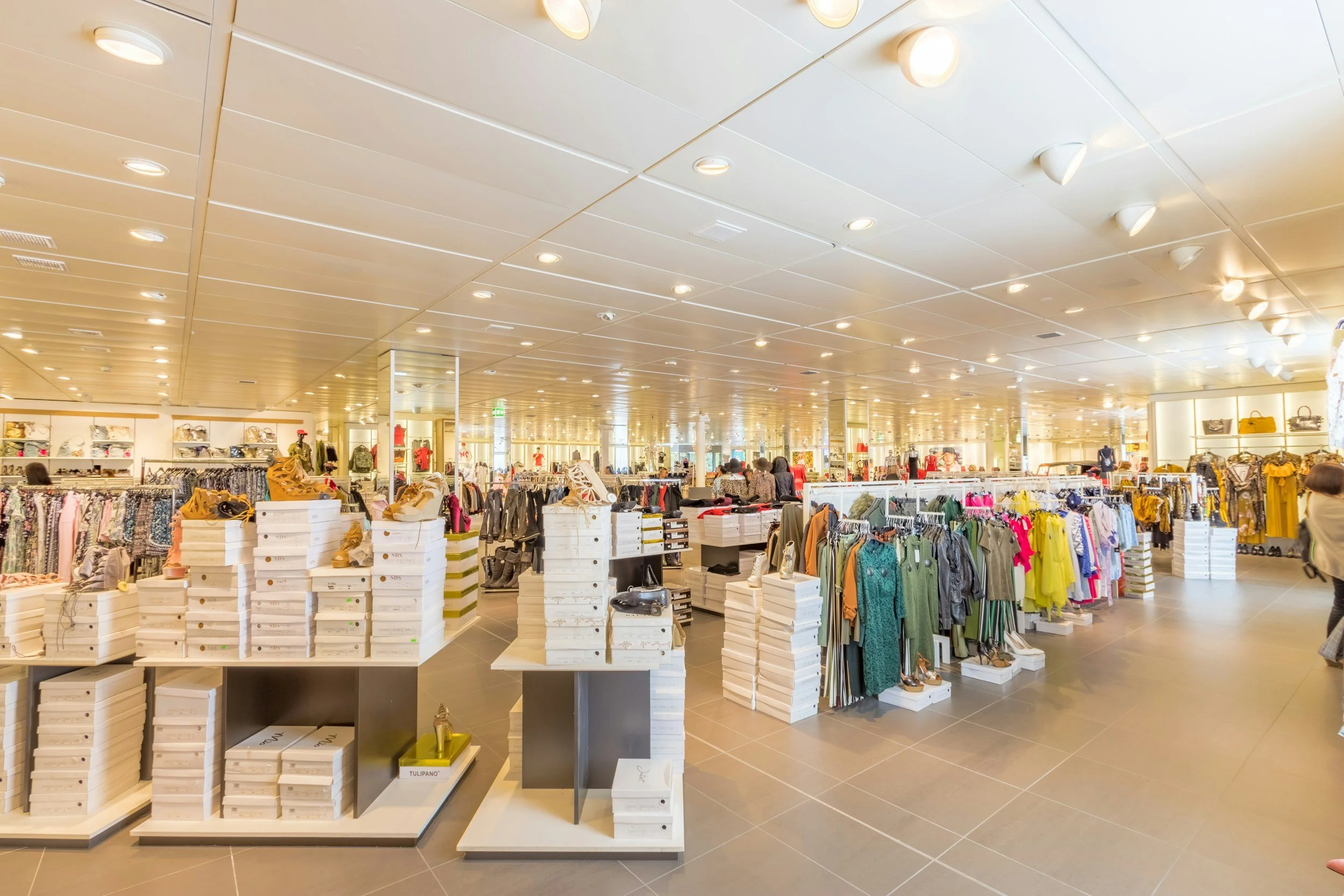
Create visually appealing and organized retail displays to attract customers and increase sales. These tips can transform your store into a shopper's paradise!
We partnered with a business resource company. for this post. The opinions in the post are honest. All reviews and opinions expressed in this post are based on our personal views. We are excited because we know you will love it.
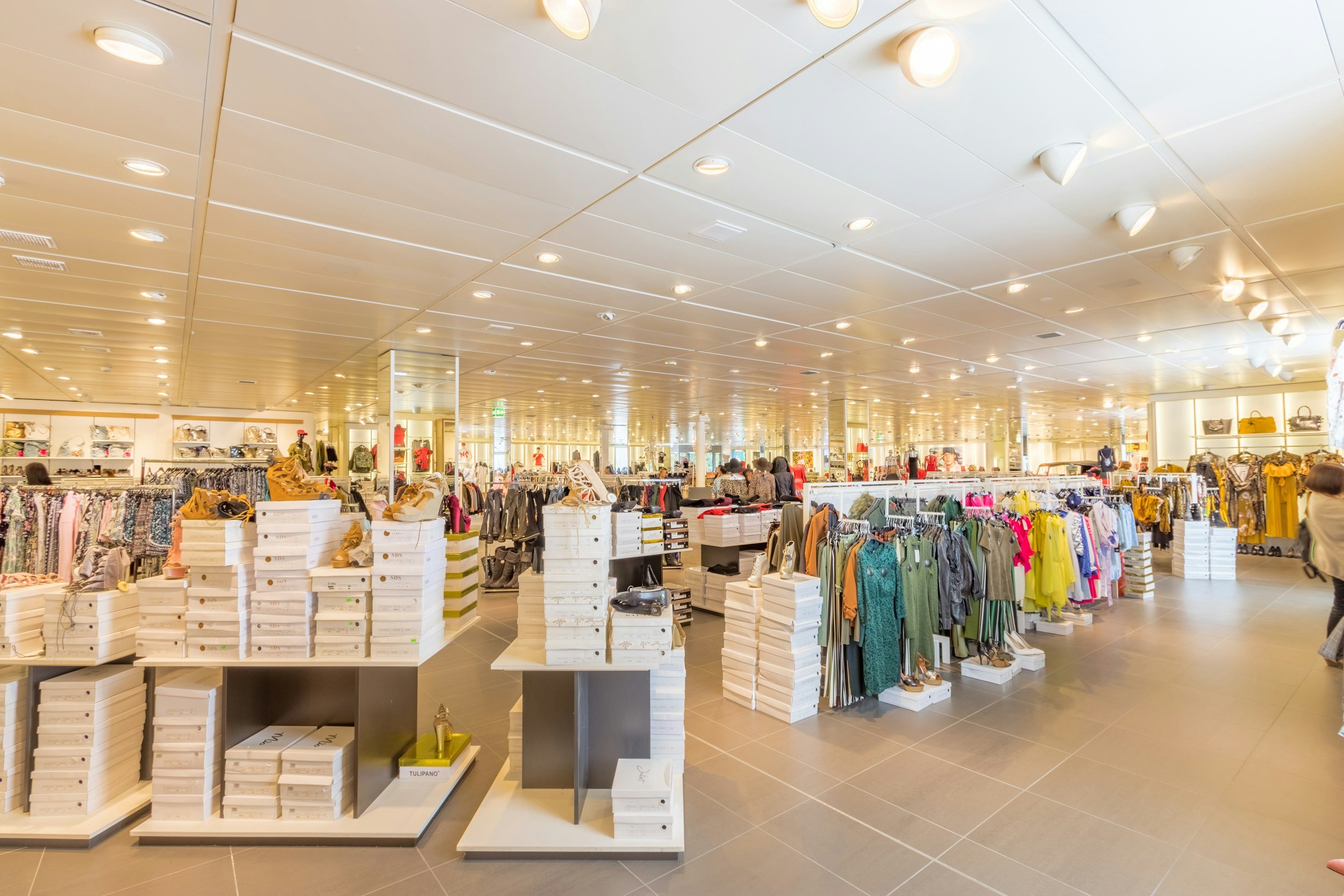
Running a retail store can be an exciting and rewarding experience. However, it also comes with its challenges, including organizing your display. As a retail store owner, you know how your products are presented and can make or break a sale. However, don't worry since you're not alone in this struggle.
Many successful retailers have cracked the code to strategically organize their displays to maximize sales and create a positive customer shopping experience. In this blog post, we'll dive into some tried-and-tested techniques to help you effectively arrange your retail displays to boost sales and keep your customers returning for more.
Solid Tips to Help You Organize Your Retail Store
Apart from window decals, the retail store's layout is another great place to start if you want to invite people because it guides or controls your customers as they interact with your products. Once strategically arranged, you can guide them to your most profitable items, resulting in more sales.
Our list below can help you learn how to effectively organize retail stores and discern the best strategies to serve you.
Popular Items on the Back
A popular strategy in retail and grocery stores is placing popular items on the back. It has been a well-accepted fact that business owners put popular items on the back to force shoppers to walk towards them.
It's because customers pass by enticing products along the way by tapping into the visual stimulus element of human psychology to encourage impulse buys. The farther customers enter the store, the more likely they are to find something that appeals to them.
Owners can implement this by using a heatmap. It will show the way your customers move throughout your store. Track the most commonly used paths and place attention-grabbing items along the way to your most popular products. It will maximize impulse buys, which, in turn, will also maximize your sales and profit.
Discounted or Exclusive Items in Front
Another organization tip is to display discounted or new items in the front since it will be the first thing shoppers will see as they enter your store. It will push them to browse it and see if they can find something they like. This strategy also works well if exclusive or limited edition items are only available in your store.
Some benefits of this strategy include:
Instill curiosity in passersby and make them want to enter your store.
Increase foot traffic in the front area of your store.
More impulse buys due to the exclusivity of the product.
You can also put up Custom Storefront Decals to let them know about discounts or sales you have. Regarding exclusive items, you can use signage to highlight their features and create a sense of urgency for customers to purchase them.
Attractive Products Should be at Eye Level
One strategy you shouldn't pass up on is being strategic with the products you display on eye level. It's a crucial area you want to capitalize on since it's where your customers' eyes will immediately go when they enter your store.
Most retail stores offer slotting fees, which customers must pay to have their products featured in the eye-level zone of retail environments. Although slotting fees can add to your cash flow, you can still organize your store how you want to supplement your other marketing efforts.
For instance, placing sale items at eye level will encourage shoppers to buy them. You can also place related products at eye level to remind customers of other necessary items.
Placing Balanced Endcaps
Endcaps are a great way to maximize your store's floor space. However, it would help if you balanced it, and it doesn't have to be overly crowded with products.
A balanced endcap involves placing a few featured items on top of the display, followed by larger quantities of the same item beneath it. It creates an illusion that there's not much left, making customers feel like they need to buy now or risk missing out.
Some tips on balancing your endcaps:
Frequently change your endcaps and the products you display on them to keep customers interested.
Use white or neutral colors as the background of your products.
Choose a theme for the day or week to create a cohesive look for your endcap display.
Moderately vivid endcaps are the most effective at selling. Therefore, your goal should be an endcap that provides stimulus without being overwhelming. You can also add audio and visuals for a more compelling outlook.
Consider Your Lighting
Lighting is the key to a more visually pleasing display. Adequate lighting will help your customers see your products more clearly for products with small details. It will encourage them to spend more in your store because they look better and more attractive.
Various types of lighting to invest in:
Ambient: The primary source of light in your store.
Accent: Focuses on specific areas.
Task: Used to find things or to see better.
Decorative: Adds aesthetic and character to a product or a space.
You want to invest in ceiling and display lighting to light your store. Ceiling lights are for general illumination, while display lights highlight particular products. You can also use colored lights to add dramatic effects and produce a striking atmosphere in your store.
Don't Leave Empty Spaces
Empty shelf spaces are a big no-no in stores because they leave a bad impression on your customers' minds. A store with many empty spaces will likely be seen as unorganized and lacking variety.
Studies have shown that empty shelves have a substantial negative impact since they deter shoppers from buying other products if they don't find what they want. Therefore, you want to fill every space in your store with items or decorations.
To avoid empty shelves:
Make sure to restock products regularly, especially during peak hours.
Organize your stockroom and make it easily accessible to quickly refill shelves.
Use signage or displays to fill up empty spaces temporarily while waiting for a product to be restocked.
Add Character to Your Store with Good Organization Tactics
Your store is more than just a place for customers to buy products; it's an experience. By organizing your store according to the customers' preferences, you create a welcoming and enjoyable shopping experience that will encourage them to return time and time again. Remember, a well-organized store attracts customers and maximizes sales and profits!

Transform Your Home With Egress Windows: The Ultimate Guide for Homeowners
As a homeowner, you are always looking for ways to improve your home's safety, functionality, and aesthetics. One often overlooked but important addition to any home is egress windows. These windows not only enhance the appearance of your space but also provide an additional means of escape in case of emergencies. In this ultimate guide, we will explore everything you need to know about egress windows and how they can transform your home.
As a homeowner, you are always looking for ways to improve your home's safety, functionality, and aesthetics. One often overlooked but important addition to any home is egress windows. These windows not only enhance the appearance of your space but also provide an additional means of escape in case of emergencies. In this ultimate guide, we will explore everything you need to know about egress windows and how they can transform your home.
What Are Egress Windows?
Egress windows are large, ground-level windows that provide an emergency exit from a basement or lower level of a home. They are specifically designed to meet building code requirements for safe exits in case of fire or other emergencies. These windows not only serve as an escape route but also allow natural light and ventilation into the space.
Benefits of Egress Windows
Aside from their primary function as a safety feature, egress windows offer numerous benefits to homeowners. They can significantly increase the value of your home by adding more livable square footage and improving the overall aesthetic appeal. Egress windows also enhance the energy efficiency of your home by allowing natural light to enter and reducing the need for artificial lighting during the day.
Installation Process
The egress window installation process requires careful planning and professional expertise. The process involves cutting an opening in the foundation wall, installing a window well, and securing the window in place. It is essential to comply with local building codes and regulations to ensure that the installation is done correctly and safely.
Types of Egress Windows
There are several types of egress windows available on the market, including casement, sliding, double-hung, and even custom-designed options. Each type has its own unique features and benefits, so it's essential to choose one that best suits your needs and preferences. Consider factors such as size, style, material, and energy efficiency when selecting an egress window for your home.
Maintenance Tips
Once you have installed egress windows in your home, it's crucial to maintain them properly to ensure their longevity and performance. Regularly clean the windows inside and out, check for any signs of damage or wear, and make repairs as needed. Keep the window wells clear of debris and vegetation to prevent water buildup and potential flooding.
Egress windows are a valuable addition to any home that can enhance safety, functionality, and aesthetics. By understanding their purpose, benefits, installation process, types available on the market, and maintenance tips, homeowners can transform their living spaces into safer and more inviting environments. Consider investing in egress windows for your home today to enjoy all these benefits and more.

