

A resource for those seeking information on organizing and transforming spaces.
How To Deal With a Cluttered Garage Like a Pro
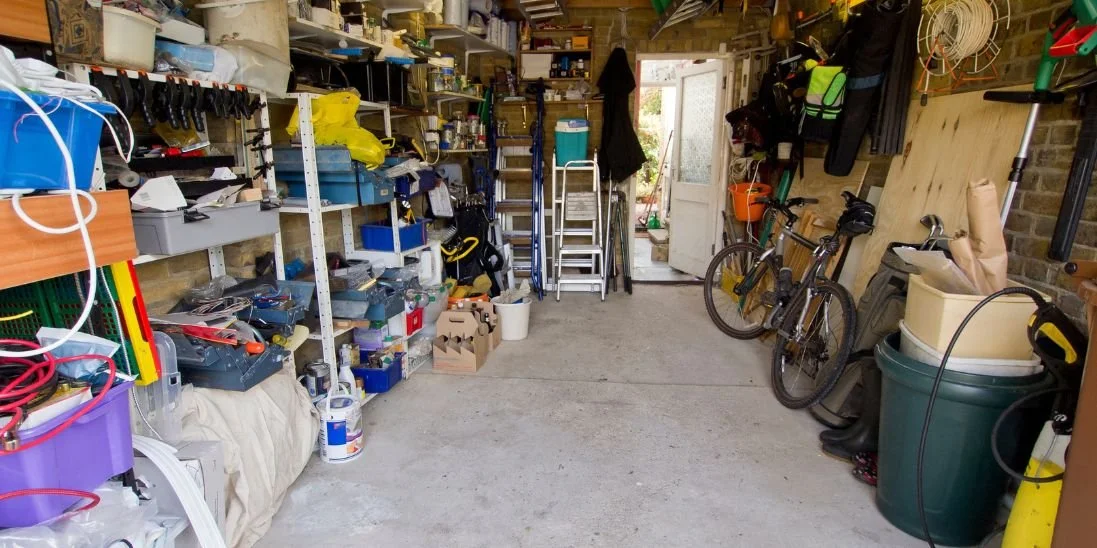
A cluttered garage is the beginning of a hoarder’s tale. Slash your fears of becoming a hoarder by learning to tackle a messy garage like a pro.
We partnered with a home design company for this post. The opinions in the post are honest. All reviews and opinions expressed in this post are based on our personal views. We are excited because we know you will love it.
Tackling a cluttered garage can feel like an impossible task for some homeowners. However, when handed the right strategies and tools, the script flips, and it becomes entirely possible to transform your crowded storage space into a well-organized haven. Below are key steps to declutter and organize your garage like a pro, ensuring that you not only reclaim lost space but also maintain it efficiently.
1. Assess the Space
Begin your garage makeover by assessing the space available. Start sorting items into distinct categories—tools, seasonal items, sports equipment, and so on. This initial step provides a clear picture of what you have and what actually deserves a spot in your garage.
2. Purge Unnecessary Items
The golden rule of decluttering is to be ruthless. Purge anything broken or unused. Items with barely any wear and tear that don’t serve a purpose for you could find new life elsewhere. Donating or selling these items not only clears up your space but also gives them a second chance at usefulness.
3. Create Designated Zones
Creating specific zones for different items streamlines your storage process. For instance, have a gardening station, sports gear area, and a tool bench. This zoning system allows for a more organized retrieval and storage process and reduces the time it takes to find something.
4. Invest in Storage Solutions
Achieving a clutter-free garage hinges on optimizing storage. Opt for robust shelving and storage solutions to make the most of vertical space. Clear storage bins make for easier organization, and installing wall mounts will keep bulkier items off the floor.
While you’re investing in storage solutions, don’t forget to stay safe! Investing in proper safety gear is crucial to ensure you stay safe during the organization process and any garage-based DIY projects. Regular upkeep and decluttering sessions are essential to maintain a functional and secure garage space.
5. Label Everything
Maintain your newfound organization by labeling storage containers and shelves. This simple yet effective step will save you time and frustration, making it easy to find what you need when needed. You can even use a label maker to make the search that much faster.
6. Conduct Regular Maintenance
Your garage is the place for your car and to pack away seasonal items, not your entire life story. Build a habit of cleaning and maintaining your garage, splitting chores up by day, week, month, and even year. A little effort in maintaining a steady upkeep will prevent future clutter build-up, ensuring your garage remains a functional and organized space. Keep yourself safe while maintaining your garage with safety goggles, gloves, and dust masks.
Tools and Materials for Garage Organization
Learning how to deal with a cluttered garage like a pro requires the right tools, mindset, and action plan. Equip yourself and the household with organizational items such as shelves, storage units, labels, cleaning supplies, and safety gear. These items bring you peace of mind while tackling a piece of your clutter.
According to Heritage Gear, having well-designed tools and storage solutions can significantly improve the efficiency of any space. With high-quality materials and thoughtful designs, the right gear not only supports your organization efforts but also ensures durability for long-term use.
Remember, organizing your garage isn’t just about creating more space—it’s about transforming it into a functional area that supports your lifestyle and activities. By following these steps, you set the stage for a clutter-free and well-organized garage that will serve you well for years to come.

A Comprehensive Guide to Flat Mortgages
Owning a flat is a significant milestone for many individuals and families. It represents not just a place to live, but an investment in the future. However, for most people, purchasing a flat involves securing a mortgage—a loan specifically designed for buying real estate.
We partnered with a financial company for this post. The opinions in the post are honest. All reviews and opinions expressed in this post are based on our personal views. We are excited because we know you will love it.

Owning a flat is a significant milestone for many individuals and families. It represents not just a place to live, but an investment in the future. However, for most people, purchasing a flat involves securing a mortgage—a loan specifically designed for buying real estate.
In this comprehensive guide, we'll explore everything you need to know about flat mortgages, from understanding the basics to navigating the complex process of securing financing for your dream flat.
Understanding Flat Mortgages
A flat mortgage is a type of loan provided by a financial institution, such as a bank or mortgage lender, to facilitate the purchase of a flat or apartment. The borrower (you) agrees to repay the loan amount plus interest over a specified period, typically ranging from 15 to 30 years.
Types of Flat Mortgages
There are several types of flat mortgages available, each with its own set of terms, interest rates, and eligibility requirements. Common types include:
Fixed-Rate Mortgages: With a fixed-rate mortgage, the interest rate remains constant throughout the loan term, providing stability and predictability in monthly payments.
Adjustable-Rate Mortgages (ARMs): ARMs offer a lower initial interest rate for an introductory period, after which the rate adjusts periodically based on market conditions. These mortgages can be advantageous for buyers who plan to sell or refinance before the rate adjusts.
FHA Loans: Insured by the Federal Housing Administration, FHA loans are popular among first-time buyers and those with less-than-perfect credit. They typically require lower down payments and have more flexible qualification criteria.
VA Loans: Reserved for eligible veterans, active-duty service members, and certain spouses, VA loans are guaranteed by the Department of Veterans Affairs and offer competitive terms, including zero down payment options.
Conventional Loans: Conventional mortgages are not insured or guaranteed by the government and typically require higher credit scores and larger down payments compared to FHA and VA loans.
Factors to Consider When Choosing a Flat Mortgage
When selecting a mortgage for your flat purchase, it's essential to consider several factors:
Interest Rate: The interest rate significantly impacts your monthly payments and the overall cost of borrowing. Compare rates from multiple lenders to secure the best deal.
Loan Term: The loan term, or the length of time to repay the loan, affects both your monthly payments and the total interest paid over the life of the loan. Shorter terms typically result in higher monthly payments but lower overall interest costs.
Down Payment: The down payment is the initial cash payment you make toward the purchase price of the flat. A larger down payment can lower your monthly payments, reduce the loan amount, and may even eliminate the need for private mortgage insurance (PMI).
Closing Costs: In addition to the down payment, you'll need to budget for closing costs, which include fees for loan origination, appraisal, title insurance, and other expenses associated with finalising the purchase.
Credit Score: Your credit score plays a crucial role in determining your eligibility for a mortgage and the interest rate you'll receive. Aim to improve your credit score before applying for a mortgage by paying bills on time, reducing debt, and checking your credit report for errors.
The Mortgage Application Process
Applying for a flat mortgage involves several steps:
Pre-Approval: Start by getting pre-approved for a mortgage, which involves providing financial documentation to a lender who will assess your creditworthiness and determine the loan amount you qualify for.
Home Search: Once pre-approved, begin searching for your dream flat within your budget, considering factors such as location, amenities, and resale value.
Loan Application: After finding a suitable flat, submit a formal loan application to your chosen lender, providing detailed information about your finances, employment history, and the property you intend to purchase.
Underwriting: The lender will review your application, verify your financial information, and assess the property's value through an appraisal before making a final lending decision.
Loan Approval and Closing: If approved, you'll receive a loan commitment letter outlining the terms and conditions of the mortgage. After signing the necessary paperwork and paying closing costs, you'll officially become the owner of the flat.
Tips for Securing the Best Flat Mortgage
To ensure you secure the best mortgage for your flat purchase, consider the following tips:
Shop Around: Compare mortgage rates and terms from multiple lenders to find the most competitive offer.
Improve Your Credit Score: Take steps to improve your credit score before applying for a mortgage to qualify for lower interest rates and better loan terms.
Save for a Down Payment: Save for a larger down payment to reduce your loan amount and potentially qualify for better rates and terms.
Get Pre-Approved: Obtain pre-approval for a mortgage before house hunting to demonstrate your seriousness as a buyer and strengthen your negotiating position.
Consider Your Long-Term Plans: Choose a mortgage that aligns with your financial goals and long-term plans, whether it's minimising monthly payments, paying off the loan early, or maximising tax benefits.
Getting a Mortgage on a House that is Split into 2 Flats
Investing in a house that's been divided into 2 flats can be an appealing opportunity, whether for rental income or multi-generational living. However, securing a mortgage for such a property comes with its own set of considerations and challenges.
Conclusion
Navigating the world of flat mortgages can seem daunting, but with the right knowledge and preparation, you can make informed decisions that lead to successful homeownership.
By understanding the different types of mortgages available, considering key factors such as interest rates and down payments, and following best practices throughout the application process, you'll be well-equipped to find the perfect mortgage for your dream flat.
Remember to consult with a trusted financial advisor or mortgage professional for personalised guidance tailored to your unique situation. Happy house hunting!

6 Methods of Up-Keep for Wood Flooring
Wood flooring adds warmth, character, and timeless beauty to any home. It’s a favorite among homeowners for its durability and ease of maintenance. However, to ensure your wood floors remain in pristine condition for generations, it's crucial to follow proven upkeep methods. Whether you're a new homeowner or looking to preserve your beloved abode, these six tips will help you maintain the natural elegance of your wood flooring.
We partnered with a home improvement company for this post. The opinions in the post are honest. All reviews and opinions expressed in this post are based on our personal views. We are excited because we know you will love it.
Wood flooring adds warmth, character, and timeless beauty to any home. It’s a favorite among homeowners for its durability and ease of maintenance. However, to ensure your wood floors remain in pristine condition for generations, it's crucial to follow proven upkeep methods. Whether you're a new homeowner or looking to preserve your beloved abode, these six tips will help you maintain the natural elegance of your wood flooring.
1. Regular Cleaning
One of the simplest yet most effective ways to maintain wood flooring is through regular cleaning. Whether you clean it yourself or do it with help from providers such as Temple Johnson Flooring Co and others Sweeping or vacuuming at least once a week removes dirt and grit that can scratch the wood's surface. Use a soft-bristled broom or a vacuum with a hardwood setting to prevent damage. For deeper cleaning, a damp mop with a mild wood cleaner can help keep your floors shining. Be wary of using too much water, as standing liquid can warp wood flooring.
2. Use the Right Cleaning Products
Not all cleaning products are suitable for wood flooring. Harsh chemicals can strip the finish off your floors, leaving them dull and vulnerable. Opt for pH-neutral, nontoxic cleaners specifically designed for hardwood floors. Avoid oil-based soaps and waxy polishes, as they can create a build-up that attracts dust and dirt. When in doubt, refer to your flooring manufacturer's guidelines for recommended cleaning products.
3. Protect Against Scratches and Wear
High-traffic areas can quickly show signs of wear. You can minimize damage by placing rugs or mats in these spots, such as in front of kitchen sinks and doorways. Encourage a no-shoe policy indoors to prevent dragging in grit and potentially scratching the wood. For furniture, consider using felt pads under legs to avoid scratches when pieces are moved around.
4. Attend to Spills Immediately
Wood and moisture do not mix well. Any spills should be wiped up promptly with a dry or slightly damp cloth. Allowing liquid to sit on wood flooring can cause staining and warping. For sticky or tough stains, a damp cloth with a bit of hardwood cleaner should do the trick—just be sure to dry the area thoroughly afterward.
5. Refinish Periodically
Over time, the finish on wood floors can become scratched and worn. Refinishing the floors can restore their original luster. This typically involves sanding down the surface to remove the old finish and applying a new topcoat. How often you need to refinish will depend on the level of traffic, but most homes benefit from this process every 7-10 years.
6. Avoid Extreme Temperature and Humidity Changes
Wood floors can expand and contract with fluctuations in humidity and temperature, leading to warping and cracking. Try to maintain a stable indoor environment, with humidity levels between 30% to 50% and temperatures around 60°F to 80°F. Using a dehumidifier in humid climates and a humidifier during dry seasons can help maintain these conditions.
Conclusion
Wood flooring is an investment that adds value and beauty to your home. With proper care and maintenance, your floors can last a lifetime. Regular cleaning, using appropriate products, preventing scratches, promptly addressing spills, periodic refinishing, and avoiding extremes in temperature and humidity are key to preserving the quality and look of your wood flooring. By incorporating these methods into your upkeep routine, your hardwood floors will continue to enhance your home's interior for years to come.

Solutions for Common Challenges in Home Drain Cleaning
Drain maintenance is often overlooked in the routine home care checklist, yet it remains a crucial aspect of ensuring a healthy, functioning household. The common challenges homeowners face with blocked or slow-running drains can range from a minor inconvenience to a major household issue if not addressed promptly. From the kitchen to the bathroom, every drain in your home requires a bit of knowledge and attention to keep things flowing smoothly. This article explores practical solutions and preventive measures to tackle the most frequent drainage problems, empowering you with the knowledge to maintain clean and efficient home drainage systems.
Drain maintenance is often overlooked in the routine home care checklist, yet it remains a crucial aspect of ensuring a healthy, functioning household. The common challenges homeowners face with blocked or slow-running drains can range from a minor inconvenience to a major household issue if not addressed promptly. From the kitchen to the bathroom, every drain in your home requires a bit of knowledge and attention to keep things flowing smoothly. This article explores practical solutions and preventive measures to tackle the most frequent drainage problems, empowering you with the knowledge to maintain clean and efficient home drainage systems.
Preventing Clogs Before They Happen
One of the most effective strategies to keep home drains clean is to prevent clogs before they occur. Regular maintenance, such as monthly cleanings and being mindful of what goes down the drain, can save homeowners a lot of trouble. For instance, kitchen sinks often get clogged due to the accumulation of grease, food particles, and soap scum. Being cautious about what is allowed to go down the drain and using drain guards to catch debris can significantly reduce the risk of clogs. This proactive approach not only keeps the drains running smoothly but also extends their lifespan, ensuring that your home's plumbing system remains in good condition.
Dealing with Grease Build-up
Grease build-up in kitchen drains is a common challenge that many homeowners face. This is because when grease cools down, it solidifies inside the pipes, leading to blockages. To mitigate this issue, it's crucial to dispose of grease properly, rather than pouring it down the sink. Regularly running hot water through the pipes can also help to minimize grease accumulation. These practices are essential for maintaining clean drains and avoiding major blockages that can be both inconvenient and costly to address.
Hair Blockages in Bathroom Drains
Bathroom drains, especially shower and bathtub drains, are prone to clogging due to hair blockages. Hair can bind with soap residue and other debris, forming a plug that prevents water from flowing freely. To overcome this challenge, installing a drain guard that catches hair before it enters the pipes is an effective solution. Additionally, routinely cleaning the drain guard and disposing of the collected hair can help maintain unobstructed water flow, ensuring that your bathroom drains stay clean and functional.
Soap Scum Accumulation
Soap scum accumulation is another common issue that affects the cleanliness of home drains, particularly in bathrooms. Soap scum forms when soap residue reacts with minerals in water, creating a hard deposit that adheres to the pipes. This not only reduces water flow but can also contribute to blockages. Using liquid soaps, which are less likely to leave scum than bar soaps, can help reduce the accumulation. Regular flushing of the drains with hot water can also prevent soap scum from building up, keeping the drains clean and reducing the need for frequent deep cleanings.
Proper Disposal of Food Waste
In the kitchen, improper disposal of food waste can lead to severe drain clogs. Large food particles should never be washed down the drain, even with a garbage disposal unit in place. Instead, food scraps should be thrown away in the trash or composted when possible. For homeowners with garbage disposals, running cold water while the disposal is in operation can help chop food waste into finer particles, reducing the likelihood of clogs. This practice, along with regular cleanings, will ensure that your kitchen drains remain clear and fully operational.
Flushable Wipes and Other Non-Degradable Items
A significant cause of drain blockages is the flushing of wipes and other non-degradable items down toilets and drains. Despite being marketed as "flushable," many wipes do not break down in water as toilet paper does, leading to clogs and backups in home sewage systems. Homeowners should avoid flushing anything that doesn't belong in the toilet to prevent these issues. Educating all household members about what should not go down the drains is crucial in maintaining a clog-free home plumbing system. Placing a trash bin in bathrooms for the disposal of wipes and other non-degradable products can significantly reduce the risk of blockages.
Maintaining clean home drains is crucial for the longevity of your plumbing system and to avoid the hassle of dealing with clogs and blockages. By adopting simple preventative measures such as using drain guards, properly disposing of grease and food waste, and running regular cleanings, you can ensure that your drains remain in excellent condition. Remember, a little prevention in drain cleaning goes a long way in avoiding major plumbing issues down the road. Whether it’s your kitchen sink or bathroom drain, taking proactive steps today can save you time and money in the future. And if you do encounter a stubborn blockage, don’t hesitate to call a professional plumber to resolve the issue efficiently. Keep these tips in mind and enjoy the peace of mind that comes with having clean, fully functional home drains.

