

A resource for those seeking information on organizing and transforming spaces.

10 Must-Ask Questions When Viewing a Restored Home
When you're in the market for a restored home, there are crucial questions you should ask to ensure you're making an informed decision. By asking the right questions during your viewing, you can gain valuable insights into the property's history, condition, and potential issues. Here are ten must-ask questions that will help you navigate the process of buying a restored home confidently.

When you're in the market for a restored home, there are crucial questions you should ask to ensure you're making an informed decision. By asking the right questions during your viewing, you can gain valuable insights into the property's history, condition, and potential issues. Here are ten must-ask questions that will help you navigate the process of buying a restored home confidently.
What Restoration Work Has Been Done?
Gathering specifics on the restoration projects is crucial for understanding the home's current state and its historical integrity. Ask for a comprehensive list of all restoration work undertaken, including structural repairs, aesthetic updates, and system overhauls. Seek information on the types of materials used, particularly if they're period-appropriate or modern substitutes designed for longevity. It's also beneficial to know about the preservation of any unique architectural features, such as original hardwood floors, crown moldings, or fireplaces, and if there have been enhancements like energy-efficient windows installed in keeping with the home's character. This detailed insight will help you assess both the quality of the work done and the home’s authenticity.
Was the Restoration Performed by Professionals?
It's crucial to ascertain the level of professionalism and expertise that went into the home’s restoration. Inquire specifically about the credentials and experience of the home restoration contractors, architects, and any specialists, such as historical preservation experts, who contributed to the project. Understanding the qualifications and reputation of those involved will give you insight into the reliability and durability of the restoration work. Additionally, ask for any documentation or proof of the professionals’ qualifications and examples of previous projects they've completed. This information will help you evaluate the craftsmanship and attention to detail in the restoration, ensuring you're investing in a property that meets high standards of quality and care.
Is There Documentation for the Restoration Work?
It's beneficial to ask for a dossier that includes permits, detailed invoices, contracts, and any guarantees or warranties associated with restoration work done. This documentation not only confirms the legitimacy and scope of the restoration efforts but also provides valuable insights into the quality of materials and craftsmanship. It's a good idea to have these documents reviewed by reputable home inspection companies that can offer an expert perspective on the restoration's quality and potentially uncover issues not visible to the untrained eye. This thorough approach ensures that you're fully informed about the property's condition before making your investment.
Are There Any Outstanding Issues or Repairs?
Digging into the home's ongoing or anticipated maintenance needs is essential for a clear picture of what to expect post-purchase. Ask pointedly about any known issues, big or small, that have surfaced since the restoration. This includes hidden concerns such as moisture problems, termite damage, or the condition of the roof and foundation. It’s also wise to inquire about the age and state of major systems like heating, cooling, plumbing, and electrical. Understanding these elements in detail will not only give you a realistic view of your potential investment but also equip you with negotiating power. Additionally, seek advice on regular upkeep to preserve the home's character and value, especially if it involves specialized care for historic features. This comprehensive insight will be invaluable in evaluating both the immediate and long-term commitments you're making with the purchase.
Has the Home Been Inspected Recently?
An in-depth understanding of the home's current state is crucial, and a recent inspection report can offer this transparency. Ask for specifics about when the last inspection took place, who conducted it, and if you can review the report. This document can reveal critical insights into the structural integrity, electrical systems, plumbing, and more, potentially unearthing issues that aren't visible on the surface. If asked, realtors like Lesa Miller - Re/Max can highlight homes in their portfolio that have been inspected recently, ensuring you're considering properties vetted for quality and safety. This step not only informs you of any immediate concerns but also demonstrates the seller's commitment to maintaining the home's condition, providing an additional layer of security in your investment.
What Upgrades Have Been Made to Improve Energy Efficiency?
When it comes to integrating energy efficiency into a restored home, it’s essential to grasp the full scope of improvements that have been made. Ask about the specific energy-saving measures, including the installation of insulation in the walls, attic, and floors, as well as any advancements in the HVAC system to ensure it’s both modern and efficient. It's also important to inquire about the introduction of energy-efficient windows that not only complement the home's era but significantly reduce energy loss. Additionally, don’t overlook the roof—a key element in home energy efficiency. Engaging with reputable roofer companies like Billings Roofing & Solar Inc. to learn about the roofing materials used and any special coatings or designs can offer insights into how the roof contributes to minimizing heat gain, especially in warmer climates. These companies can often provide details on the longevity and energy-saving benefits of modern roofing solutions tailored to restored homes. Such meticulous attention to energy efficiency not only promises a reduction in future utility bills but also signifies a thoughtful preservation approach, balancing historical integrity with contemporary living standards.
Is There a Warranty for the Restoration Work?
Discovering whether a warranty or guarantee backs the restoration work is key to protecting your investment. Delve into the specifics—ask about the duration of the warranty, what it covers, and any significant exclusions to be aware of. It's prudent to understand if the warranty is transferrable to you as the new owner and whether it encompasses both materials and labor. Clarify the process for making a claim under the warranty, including any deadlines or documentation requirements. This level of detail will not only provide peace of mind but also reflect the restorers' confidence in their craftsmanship and the durability of their work, making it a crucial consideration for prospective buyers.
Have Any Hazardous Materials Been Removed During Restoration?
In older homes, the presence of hazardous materials like asbestos and lead-based paint is a significant concern. It's therefore vital to inquire in detail about the identification, removal, and disposal processes of such substances during the home's restoration. Specifically, ask if certified professionals in hazardous material removal were engaged and whether the process complied with local and federal environmental and safety regulations. Understanding the exact measures taken to mitigate these risks not only ensures the safety and health of your living environment but also provides insight into the thoroughness and responsibility of the restoration team. Request documentation of the removal process, including certifications, permits, and disposal receipts, to verify that everything was handled appropriately and legally. This level of detail is not only reassuring but also indicative of the quality and professionalism invested in the home's restoration, making it an essential discussion point for potential home buyers.
What Is The Home's Historical Significance?
Exploring the historical significance of a potential home can deepen your connection and appreciation for the property. When considering a home with a rich past, it's essential to ask about its origins, the roles it's played throughout history, and any notable figures who may have resided or been associated with the property. Delve into records or tales that highlight the home's significance in the local community or its contribution to historical events. Additionally, inquire about any restrictions or responsibilities you might inherit related to its preservation. This could include limitations on renovations or requirements to maintain certain architectural features. Understanding these elements will not only provide a glimpse into the past but also help you grasp the full breadth of stewarding a piece of history. This knowledge can make your ownership more meaningful, enhancing both the value and the joy of your home.
Can I Speak with Previous Owners or Residents?
Establishing communication with people who have previously lived in the home can be an invaluable resource for prospective buyers. Their unique experiences and stories offer a depth of knowledge about the property that is often unattainable through standard inspections or disclosures. When pursuing this avenue, consider asking about the home’s quirks, such as eccentric plumbing or the way natural light moves through the house across seasons. Inquire about their reasons for choosing this home initially and what improvements they found most beneficial during their stay. Also, discussions about the neighborhood's evolution, community dynamics, and local amenities they enjoyed can provide a more comprehensive understanding of what life might be like in your potential new home. Reaching out for these conversations not only enriches your perspective on the property's tangible and intangible attributes but also helps forge a connection to its history and the community you may soon join.
By asking these ten essential questions when viewing a restored home, you'll be equipped with valuable information to make an informed decision on your real estate investment. Remember to approach each viewing with curiosity and attention to detail to ensure a smooth and rewarding home-buying experience in your newly restored abode.

How To Plan a Home Clean-up Project That Goes off Without a Hitch
Keeping your home clean and organized is essential for maintaining a peaceful and stress-free living environment. However, sometimes our homes can become cluttered and disorganized, making it difficult to relax and enjoy our space. If you're feeling overwhelmed by the mess in your home, it may be time to plan a clean-up project. In this blog post, we will discuss how to plan a home clean-up project that goes off without a hitch so you can create a tidy and welcoming space for yourself and your family.
Keeping your home clean and organized is essential for maintaining a peaceful and stress-free living environment. However, sometimes our homes can become cluttered and disorganized, making it difficult to relax and enjoy our space. If you're feeling overwhelmed by the mess in your home, it may be time to plan a clean-up project. In this blog post, we will discuss how to plan a home clean-up project that goes off without a hitch so you can create a tidy and welcoming space for yourself and your family.
Assess the Situation
The first step in planning a successful home clean-up project is to assess the situation. Take a walk through your home and identify areas that need attention. Make note of cluttered areas, items that need to be donated or thrown away, and any deep cleaning tasks that need to be done. By taking stock of what needs to be done, you can create a plan of action that will help you tackle the project efficiently.
Set Realistic Goals
Once you have assessed the situation, it's time to set realistic goals for your clean-up project. Break down the tasks into smaller, manageable chunks so you don't feel overwhelmed. Set specific deadlines for each task so you can stay on track and make steady progress toward your goal of creating a clean and organized home.
Gather Supplies
Before you begin your clean-up project, make sure you have all the necessary supplies on hand. This may include trash bags, cleaning supplies, storage containers, labels, and anything else you may need to complete the tasks at hand. If you are planning to get rid of bigger items, then it is recommended to invest in roll off dumpster rentals to house bigger trashed belongings. Having everything you need readily available will help streamline the process and prevent unnecessary delays.
Enlist Help
Cleaning up your home can be a big job, so don't hesitate to enlist help from family members or friends. Assign specific tasks to each person involved so everyone knows what they are responsible for. Working together as a team can make the process more enjoyable and ensure that everything gets done in a timely manner.
Celebrate Your Success
Once your home clean-up project is complete, take some time to celebrate your success! Step back and admire your hard work – revel in the tidy spaces and organized belongings that now define your home. Treat yourself to something special as a reward for all your efforts – whether it's a relaxing bath, dinner at your favorite restaurant, or simply enjoying some quiet time in your newly cleaned space.
Planning a home clean-up project doesn't have to be daunting or overwhelming – with some careful planning and organization, you can create a tidy and welcoming space for yourself and your family in no time. By following these simple steps – assessing the situation, setting realistic goals, gathering supplies, enlisting help, and celebrating your success – you can ensure that your clean-up project goes off without a hitch. So roll up your sleeves, grab some trash bags and cleaning supplies, and get ready to transform your home into an oasis of cleanliness and tranquility.

Empathy Marketing: The Key to Strengthening Consumer Connections
In today's crowded marketplace, brands are vying for customers' attention and loyalty. However, one crucial factor often gets overlooked – empathy. Empathy marketing, which involves deeply understanding and connecting with customers' emotions and experiences, has emerged as a game-changer for businesses aiming to build lasting relationships with their target audience.
We partnered with a business strategy company. for this post. The opinions in the post are honest. All reviews and opinions expressed in this post are based on our personal views. We are excited because we know you will love it.

In today's crowded marketplace, brands are vying for customers' attention and loyalty. However, one crucial factor often gets overlooked – empathy. Empathy marketing, which involves deeply understanding and connecting with customers' emotions and experiences, has emerged as a game-changer for businesses aiming to build lasting relationships with their target audience.
"Empathy is about standing in someone else's shoes, feeling with his or her heart, and seeing with his or her eyes." – Daniel H. Pink, Author of 'A Whole New Mind'
Empathy in Marketing Strategy
As marketing paradigms evolve, there has been a pronounced shift towards prioritizing customer emotions and experiences. Gone are the days when brands could rely solely on product features and pricing to sway consumers. In today's age of social media and heightened transparency, customers crave authentic connections with brands that understand their needs, values, and aspirations.
This is where global empathy becomes integral to a comprehensive marketing strategy. Statistical evidence underscores the impact of empathy on consumer loyalty and brand reputation. A recent empathy study by Motista found that leading with empathy increases ROI decreases customer churn, and boosts brand loyalty – a win-win for both consumer empathy and businesses.
Empathy in the Context of Consumer Behavior
Empathy marketing goes beyond surface-level tactics; it requires a deep understanding of customer empathy and the psychological factors influencing consumer decision-making processes. According to Embryo, a staggering 90% of all decisions are based on emotions, underscoring the critical role emotions play in consumer behavior.

However, emotional triggers can have unintended effects, potentially diluting brand messages and creating perceptions of disingenuity if not handled with care. Brands must navigate this delicate balance, leveraging empathy insights to forge genuine connections without compromising authenticity.
Case Study: Dove's "Real Beauty" Campaign
Dove's iconic "Real Beauty" campaign is a prime example of empathy marketing done right. By challenging conventional beauty standards and celebrating diverse body types, Dove tapped into the insecurities and emotional struggles faced by many women. The campaign resonated deeply with consumers, fostering a sense of empowerment and cultivating a loyal customer base.
Key Components of Empathetic Marketing
Successful empathy marketing hinges on three critical components: personalization, active listening, and emotional engagement.
1. Personalization
You know what, 66% of customers expect companies to understand their unique needs and expectations, yet only 34% of companies generally treat customers as individuals. Personalization goes beyond addressing customers by name; it involves tailoring messaging, products, and experiences to resonate on a personal level.
2. Active Listening
Empathy marketing requires brands to assess the emotions of their stakeholders – customers, employees, or the public – and optimize their ways to connect with them on a personal and emotional level. Active listening involves creating channels for open communication, gathering feedback, and demonstrating a genuine commitment to understanding customers' perspectives.
3. Emotional Engagement
Developing content and campaigns that trigger emotional responses is crucial for fostering strong consumer connections. Brands like Airbnb and Coca-Cola have mastered this art, crafting stories and visuals that evoke feelings of wanderlust, nostalgia, and togetherness, respectively.
Empathy Mapping in Marketing
One powerful tool for cultivating customer empathy is empathy mapping. This technique involves creating visual representations of customer personas, capturing their thoughts, feelings, behaviors, and pain points. By immersing themselves in these maps, marketers can gain a deeper understanding of their target audiences' motivations and tailor their strategies accordingly.
Empathy mapping is particularly valuable during the product development and innovation phases. Empathy is the #1 rule for "new product innovation," enabling companies to create offerings that directly address consumer needs and desires.
Here's a comparison of different empathy mapping techniques:
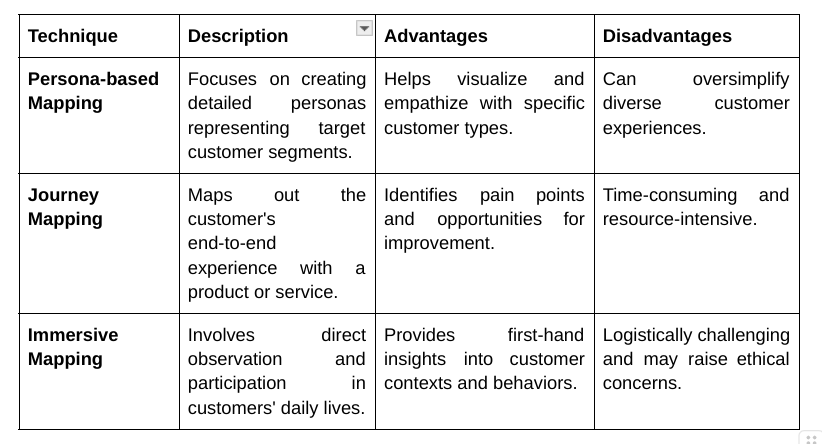
While each technique has its merits, a well-rounded empathy research strategy often employs a combination of these methods to gain a holistic understanding of the customer experience.
Strategies for Cultivating Empathy through Digital Channels
In today's digital landscape, brands must leverage online platforms to foster a sense of community and belonging among their customers. Social media, in particular, offers a powerful avenue for brands to demonstrate empathy in customer experience and engage with their audience on a personal level.
Brands like Starbucks have excelled at using social media to connect with customers, sharing behind-the-scenes glimpses, responding to feedback, and fostering a sense of inclusion. Similarly, empathetic email marketing campaigns that address customer concerns and offer personalized solutions can strengthen consumer connections and loyalty.
Challenges and Pitfalls of Empathy Marketing
While the benefits of empathy marketing are clear, implementing it effectively is not without its challenges. Balancing empathy with sales goals is a delicate act; brands must avoid the perception of manipulation or exploitation of consumer emotions for financial gain.
Additionally, global empathy initiatives must address diverse consumer bases without resorting to stereotyping or generalization. Cultural nuances and individual experiences should be respected, requiring brands to tailor their approaches accordingly.
Measuring the Impact of Empathy in Marketing
To justify continued investment in empathy marketing strategies, brands must measure their effectiveness. Key metrics and KPIs may include:
Net Promoter Score (NPS): Measures customer loyalty and likelihood to recommend the brand.
Customer Satisfaction (CSAT): Assesses overall satisfaction with the brand's products, services, and experiences.
Customer Effort Score (CES): Evaluates the ease of interacting with the brand and resolving issues.
Social Media Sentiment: Analyzes the tone and sentiment of online conversations about the brand.
By tracking these metrics over time, brands can quantify the impact of their empathy program and make data-driven decisions to optimize their strategies further.
Real-Life Example: Warby Parker's Empathy-Driven Success
Warby Parker, the trailblazing eyewear brand, exemplifies the power of empathizing with customers. By identifying and addressing pain points in the traditional eyewear industry, such as high costs and limited accessibility, Warby Parker disrupted the market and cultivated a loyal following.
Their commitment to deep customer empathy is evident in their business model, which includes home try-on programs, affordable pricing, and philanthropic initiatives that align with their customers' values. As a result, Warby Parker has consistently outperformed industry giants, proving that empathy can be a competitive advantage.
Frequently Asked Questions
1. How can marketers genuinely incorporate empathy without seeming inauthentic?
Authenticity is key. Empathy should be deeply rooted in the brand's values and culture, not just a superficial tactic. Brands should listen to customers, understand their perspectives, and respond with genuine care and action.
2. How can empathy marketing be applied to B2B brands?
While B2C brands may have an easier path to emotional connections, B2B brands can still leverage empathy by understanding the challenges, goals, and pain points of their business customers and tailoring solutions accordingly.
3. How can brands measure the success of their empathy marketing efforts?
Key metrics include customer satisfaction scores, customer effort scores, net promoter scores, customer retention rates, and analysis of customer feedback and social media sentiment.
4. Can empathy marketing backfire or come across as exploitative?
Yes, if not implemented carefully. Brands must avoid appearing manipulative or exploiting emotions solely for profit. Empathy should be genuine and lead to improved customer experiences.
Conclusion
Empathy marketing has emerged as a powerful differentiator for brands seeking to forge deep, lasting connections with their customers. By understanding their audience's emotions, motivations, and pain points, brands can tailor their strategies to deliver truly resonant experiences.
From personalized messaging to immersive customer research, the tools and techniques of empathy marketing equip brands with the insights required to stand out in a crowded marketplace. As consumer expectations for authenticity and emotional engagement continue to rise, embracing empathy will become a necessity for businesses to thrive.
Ultimately, empathy marketing is not just a trend – it's a fundamental shift in how companies approach their relationships with customers. By prioritizing empathy, brands can cultivate loyalty, enhance brand reputation, and drive long-term success in an increasingly competitive and emotionally driven market.

Maximizing Outdoor Space: Innovative Under-Deck Storage Solutions
Does your summer deck dream turn into an obstacle course of misplaced pool floats, piles of grilling gear, and assorted gardening supplies? You're not alone. Many homeowners struggle to find storage space for all their outdoor essentials, leaving their decks cluttered and far from the tranquil retreats they envisioned.
We partnered with a home improvement company. for this post. The opinions in the post are honest. All reviews and opinions expressed in this post are based on our personal views. We are excited because we know you will love it.

Does your summer deck dream turn into an obstacle course of misplaced pool floats, piles of grilling gear, and assorted gardening supplies? You're not alone. Many homeowners struggle to find storage space for all their outdoor essentials, leaving their decks cluttered and far from the tranquil retreats they envisioned.
But what if you could reclaim your deck and transform the under-deck space into functional storage?
This article explores innovative under-deck storage solutions that are a great fit, whether you have just a few feet of vertical space tucked below your deck or room to spare beneath a second-story deck. By getting creative with space utilization, you can finally ditch the storage scramble and enjoy a more organized outdoor retreat.
Unearthing the Potential: Rethinking Crawl Space Storage
Let's start with ideas especially suited for modestly-elevated decks with a limited crawlspace below. Rather than just a forgettable space, turn that area below into a convenient place to tuck away backyard clutter with these storage solutions:
Accessible Skirting
If you want to hide any of the storage solutions we'll present below—or just get those stacks of pots and bags of soil you've already stashed underneath out of sight—design your deck skirting with hinged or removable panels for easy access. A well-designed access panel blends seamlessly with the rest of the skirt, keeping your deck tidy and your stored items close at hand.
Stackable Bins
Invest in plastic bins with lids for seasonal items and outdoor tools. Maximize space by stacking them with less-used items stored below.
Clear or Colorful: Choose clear bins for easy visibility or colored bins for a neat, clutter-hidden look. Opt for coordinating colors, bright hues, or neutrals to suit your space. Label opaque bins for easy identification.
Find It Fast: Use shallow bins for smaller items. This will provide a better view of everything and eliminate deep-bin digging. For large, shallow bins, consider dividers to separate and organize items.
Organized Retrieval: Group like items together (grilling, gardening) in bins. Pull out the specific bin you need for the activity and bring it to your work area. When finished, the bin goes right back under the deck.
Moisture Management: While plastic bins protect from dust and debris, consider moisture. Avoid storing damp pool toys in sealed bins; hang them or let them dry first to prevent mold. For items with slight moisture (work gloves, gardening tools), use bins with ventilation holes or create your own to promote airflow and prevent mildew/rust.
Repurposed Crates
Don't underestimate the power of repurposing! Those old milk crates from your college days can offer well-ventilated under-deck storage to corral damp pool toys or those tools that are still holding onto some residual dirt. If they're mismatched, spray paint them to coordinate; choose a dark shade if you'd like them to fade away under your deck, minimizing their visual impact.
Rails and Hooks
Explore vertical hanging solutions to save space. Attach hanging rails or hooks along the underside of the deck joists. Hang lightweight items like gardening tools, pool skimmers, pool inflatables, or even kids' bikes (space permitting). For occasional guest seating, consider compact, foldable deck chairs that can be hung "below deck" when not in use, freeing up your valuable deck space.
Under-Deck Drawers
Utilize the space beneath the deck joists for smooth-gliding pull-out drawers. Accessible from the sides of the deck, these are handy for storing gardening tools, pool noodles, off-season cushions, or anything else you want off the deck surface. Install pre-made drawer units, or consider building your own for a customized fit that neatly accommodates your specific storage needs. Blocking will likely be required between your joists to create a solid surface for the tracks and ensure the drawers clear your deck fascia.
Expanding Your Horizons: Under-Deck Storage for Second-Story Decks
Second-story decks offer great views and a unique outdoor living experience. However, the valuable space beneath them can often be underutilized. This area presents a golden opportunity to create a functional and organized storage haven.
Here are some innovative storage solutions designed to maximize storage beneath your second-story deck:
Under-Deck Drainage System
Install an under-deck drainage system like Trex RainEscape. The Trex RainEscape system of gutters and downspouts is installed during the initial deck construction or decking board replacement. This over-the-joist solution channels water away from the underside of your deck, preventing moisture buildup and keeping the under-deck area clean, dry, and ideal for storage, an additional living area, or a mix of both.
Storage Lockers and Cabinets
Install lockers or cabinets along the walls beneath the deck. These lockable compartments are perfect for storing patio furniture cushions, pool chemicals, or even larger seasonal items like holiday decorations. Build custom cabinets with your decking material or your home exterior, or you can purchase ready-made lockers or cabinets. While all-weather options are ideal for any under-deck space, if you have a dry area with good air circulation, you might also consider metal cabinets or lockers, including stainless steel options.
Multi-Level Gear Hangers
Utilize the vertical space under your second-story deck by installing a multi-level hanging system using hooks, pegboards, and specialized straps. This versatile system can accommodate a variety of items, from gardening tools and pool equipment to bikes and kayaks.
For lighter items like tool organizers and pool skimmers, the system can be attached directly to a sturdy wall beneath the deck. Make sure the chosen wall can support the weight of the hanging items and the system itself.
For heavier gear like bikes and kayaks, consider securing the hanging system between two adjacent deck posts. This may involve installing securely-mounted brackets to hold cross beams that span the distance between the posts and hold the hangers. This option can provide sturdier support for substantial weight. Ensure that the deck posts themselves are strong enough to handle the additional load without compromising the structural integrity of your deck.
Outdoor Furniture with Built-In Storage
Who says function can't be stylish and comfortable? Incorporate hidden storage furniture into your deck design to maximize space and create a clean, organized outdoor environment, whether you're furnishing your under-deck area or seeking solutions for the main deck. Here are some popular options to consider:
Benches with Storage: These versatile pieces offer comfortable seating and ample storage space for cushions, throws, or pool toys. Choose from weatherproof wicker or plastic ottomans, or opt for classic wooden benches with built-in storage compartments beneath the seat.
Deck Boxes with Seating: These double-duty deck boxes combine storage functionality with comfortable seating. They come in a variety of sizes and styles to complement your existing outdoor furniture. Look for options with weather-resistant cushions and a lockable lid to keep your belongings safe and dry.
Multi-Level Tables with Shelves: Coffee tables or side tables with built-in shelves or cabinets offer a stylish solution to stash magazines, board games, or extra pool towels within easy reach. Choose from a variety of materials like weather-treated wood, wrought iron, or even wicker to match your existing deck furniture.
Nesting Chairs with Storage Ottomans: Consider a set of folding or nesting chairs paired with a storage ottoman. When not in use, the chairs fold for compact storage within the ottoman, keeping your deck clutter-free.
By incorporating hidden storage furniture into your deck design, you can enjoy a clean and organized outdoor space while keeping your essential items neatly tucked away.
Your Deck, Reimagined
By embracing innovative under-deck storage solutions, you can transform your deck's crawl space or the area under your second-story deck into a valuable asset. This newfound storage haven will help you declutter your deck surface, keep your outdoor essentials organized and accessible, and create a more enjoyable outdoor living environment this season.
So, it's time to get started! Choose the storage solutions that best suit your needs and budget. With a little creativity and planning, you can say goodbye to deck clutter and hello to a truly optimized outdoor space.

